
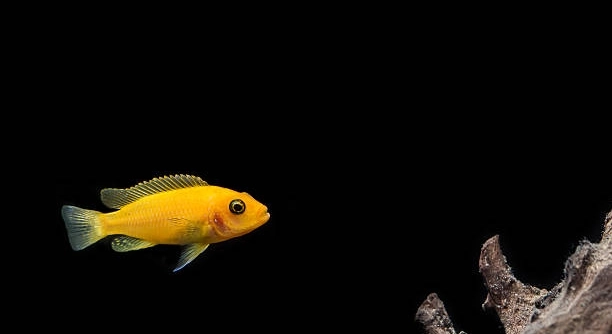
Have you ever noticed how your fish seem to move differently when something catches their attention? Observing these changes can reveal a lot about their natural curiosity and how they interact with their environment.
Fins positioned in certain ways often indicate that fish are alert and exploring. Raised, spread, or subtly twitching fins can signal curiosity, allowing fish to gather information about their surroundings, other creatures, or changes in their habitat efficiently.
Recognizing these fin movements can enhance your understanding of fish behavior and improve the way you care for them daily.
Slightly Raised Dorsal Fin
When your fish slightly raises its dorsal fin, it usually indicates curiosity. This posture often appears when something new enters the tank or when they notice movement nearby. The fin isn’t fully extended but lifts just enough to signal attentiveness. I’ve noticed that even small changes in light or shadows can make my fish lift their dorsal fins. It’s fascinating because it shows they are aware and processing what’s happening around them. Subtle movements like this can also indicate a fish is cautiously exploring, rather than feeling threatened. By paying attention to these small signals, you can understand when your fish are curious versus when they are stressed. Over time, observing these fins has helped me adjust the tank environment, like repositioning decorations or adjusting lighting, to keep my fish comfortable while still allowing them to explore. It’s a small detail, but it speaks volumes about their behavior.
A slightly raised dorsal fin is an early sign of attentiveness and active exploration. It allows fish to gather information cautiously.
Watching these subtle fin movements adds another layer to understanding your fish’s behavior and preferences in their tank.
Spread Pectoral Fins
Spread pectoral fins are a clear indicator that a fish is curious. When they fan their fins outward while swimming or hovering, it usually means they are examining their surroundings more closely. I often notice my fish spreading their pectoral fins when I place a new decoration or when other fish move nearby. This posture lets them stabilize and maneuver efficiently, which helps them investigate safely. The spreading also seems to communicate alertness to other fish in the tank, though not in an aggressive way. It’s subtle but telling, and I’ve found that paying attention to these signals helps me understand when they’re actively engaging with their environment rather than just moving passively.
Observing spread pectoral fins helps you know when your fish are fully alert and exploring actively.
This fin posture shows a more confident type of curiosity. Fish spread their pectoral fins to maintain balance while examining new objects or movements. It allows them to hover in place and maneuver carefully. In my tank, this often happens when introducing a small floating toy or rearranging plants. By watching this behavior, I can see which fish are more curious and which are more cautious. Over time, I noticed that fish spreading pectoral fins first usually explore more of the tank afterward. It’s a practical cue that they are processing their surroundings and deciding what’s worth further investigation. Paying attention to these details can improve how you design their tank and introduce new elements. Each fish responds slightly differently, but spread pectoral fins consistently signal curiosity and alertness. It’s one of the easiest ways to read your fish without interfering with their natural behavior.
Flicking Tail Fin
A flicking tail fin often signals that a fish is curious or slightly cautious. Quick, small tail movements allow them to adjust direction and position while examining their surroundings. I notice this mostly when new objects appear in the tank or when other fish swim nearby unexpectedly.
Tail flicking is an efficient way for fish to maintain balance while remaining alert. In my experience, when my fish encounter a new plant or decoration, they start flicking their tails lightly. This movement is subtle but consistent, allowing them to hover in place while processing what they see. It isn’t a sign of aggression; rather, it’s a controlled, investigative motion. Watching this helps me gauge their interest levels and how comfortable they are with changes in their environment.
Over time, I’ve realized tail flicking often precedes more confident movements like approaching the new object or swimming closer for inspection. It’s a sign they are actively engaging and gathering information. Paying attention to this behavior helps me understand which fish are more naturally curious and which need more time to feel secure. Tail flicking is a clear indicator of cautious exploration that allows them to assess the tank safely without overcommitting to a risky approach.
Forward-Pointing Anal Fins
Forward-pointing anal fins often indicate that a fish is focused on something specific. This posture appears when they detect movement or an unfamiliar item and are preparing to investigate carefully. I’ve noticed this in my tank when introducing a small toy or rearranging plants.
When anal fins point forward, fish stabilize themselves and fine-tune their position, allowing precise movements while remaining alert. It’s different from casual swimming because the fish appears more deliberate and attentive. I’ve seen this behavior when they are studying a ripple in the water or watching other fish interact. It helps them maintain orientation and readiness, so they can approach or retreat as needed.
Anal fin positioning can reveal a lot about a fish’s investigative behavior. I’ve found that when my fish point their anal fins forward, they often follow up by hovering near the object of interest or circling it carefully. This posture signals that they are processing visual or sensory information while staying balanced. It’s a controlled, intentional movement that contrasts with casual swimming, showing they are alert but not stressed. Observing this helps me determine which fish are confident explorers and which are more cautious, offering insight into their personalities and curiosity levels.
Slightly Fanned Caudal Fin
A slightly fanned caudal fin often shows curiosity. When fish spread their tail just a little, they adjust movement while observing their surroundings. I notice this mostly when new objects or subtle changes appear in the tank.
This fin position helps fish hover and turn efficiently. It gives them control without moving too fast, which is useful when exploring cautiously.
Head Tilt
A head tilt can indicate that a fish is inspecting something closely. I often see my fish tilting slightly when they focus on a floating decoration or a sudden movement near the tank. This posture shows active observation.
Pectoral Fin Flutter
Pectoral fin fluttering is a subtle signal of curiosity. Fish flutter their fins lightly to stabilize while examining their surroundings. This movement is often quick and intermittent, appearing when they are near a new object or observing other fish in action.
FAQ
How can I tell if my fish is curious or stressed?
Curiosity usually shows in controlled, deliberate movements like slightly raised fins, tail flicks, or hovering near new objects. Stress often involves rapid darting, hiding, or clamped fins pressed against the body. I’ve found that observing their usual behavior helps distinguish curiosity from fear, especially when introducing changes in the tank.
Why do fins change position so often?
Fins are flexible tools for balance, steering, and communication. When fish are curious, fins adjust subtly to explore without losing control. I often notice that even minor lighting changes or movement nearby can make my fish lift, spread, or flutter fins as they process information.
Is it normal for some fish to be more curious than others?
Yes, personality differences matter. In my tank, some fish always explore new decorations immediately, while others approach cautiously. Factors like species, age, and past experiences influence how they display curiosity. Observing individual differences helps me provide a comfortable environment for all.
Do certain fin movements indicate specific types of curiosity?
Absolutely. Slightly raised dorsal fins show attentiveness, spread pectoral fins allow controlled exploration, and tail flicks help with cautious maneuvering. Watching these patterns over time reveals how a fish investigates surroundings, whether by hovering, circling, or slowly approaching objects.
Can tank setup affect fin behavior?
Yes. Open spaces, hiding spots, and decorations influence how often fins move in curiosity-related ways. I noticed that rearranging plants or adding small ornaments encourages exploration and varied fin postures. A stimulating environment can promote healthy, curious behaviors.
Should I be concerned if my fish rarely shows curiosity?
Not always. Some fish are naturally cautious or shy, and personality plays a big role. Consistent observation is key. I monitor their eating, swimming, and interaction patterns to ensure they remain healthy, even if they don’t display obvious curiosity regularly.
How does fin behavior help in understanding overall fish health?
Fin positions often reflect both curiosity and comfort. Healthy fish usually show subtle exploration movements, while persistent clamped or rigid fins may indicate illness or stress. I use fin observation as one of several cues to assess well-being alongside feeding and general activity.
Can introducing new items to the tank improve curiosity?
Yes, small changes like floating toys, rocks, or plants stimulate exploration. I’ve noticed my fish spreading pectoral fins and flicking tails more when I add new elements carefully. It’s important to introduce items gradually to avoid overwhelming them.
Are fin signals consistent across all fish species?
Not entirely. While many fish show curiosity with raised or spread fins, some species may display subtler or different movements. I learned to observe species-specific behaviors in my tank, noting patterns that indicate attention and exploration unique to each type.
How often should I observe my fish for curiosity behaviors?
Daily observation, even short sessions, helps track changes and recognize personality traits. I often spend a few minutes each day noting fin positions and movements to understand how each fish interacts with its environment. Consistent monitoring provides insight into their mental stimulation and comfort levels.
Can fin movements predict social behavior among fish?
Yes, curious fish often initiate interaction or approach other fish slowly while displaying alert fin positions. I’ve seen my more inquisitive fish use spread pectoral fins and raised dorsal fins to investigate tank mates, signaling attention without aggression.
Do temperature or lighting affect curiosity displays?
Definitely. Fish may be less active or less willing to explore in low temperatures or harsh lighting. I’ve observed that adjusting lighting gradually and maintaining stable water temperature encourages natural fin movements associated with curiosity.
Is it possible to train or encourage curiosity in fish?
To some degree. Repeated exposure to safe, new objects or gentle interaction can stimulate exploration. In my tank, rotating decorations and providing interactive toys encourages fish to investigate actively, showing a variety of fin postures that signal curiosity.
What should I do if my fish shows unusual fin behavior?
Unusual fin movements, such as constant clamping, twitching, or asymmetrical positioning, may indicate health issues. I check water conditions, diet, and compatibility with other fish. Observing changes over time helps me determine whether it’s curiosity-related or requires attention from a professional.
How do I distinguish between playful and curious fin movements?
Playful movements are often repetitive, energetic, and involve chasing or interacting with objects. Curious movements tend to be slower, controlled, and focused on observation. I watch the context and consistency of behaviors to tell whether a fin posture is playful exploration or attentive curiosity.
Can observing fins improve my overall fish care?
Yes, noticing subtle fin movements enhances understanding of behavior, comfort, and tank preferences. I’ve found that attentive observation helps me adjust environment, feeding, and interactions, creating a healthier, more engaging habitat that respects each fish’s natural curiosity.
Observing fish fins is a simple yet insightful way to understand their behavior. Fins are not just tools for swimming—they communicate curiosity, attention, and comfort. Over time, I noticed that small movements like slightly raised dorsal fins or flicking tails tell a lot about what a fish is thinking or feeling. These signals are easy to miss if you are not paying attention, but once you start noticing them, it becomes easier to interpret their actions. Watching fins can also help you identify which fish are confident explorers and which are naturally more cautious. Each fish is unique, and their fin movements reflect personality as much as immediate reactions to their surroundings.
Paying attention to fins also helps improve the care you provide. When a fish shows curiosity, it is usually exploring safely and processing its environment. By observing these moments, I learned when to introduce new objects or rearrange tank decorations to encourage natural exploration. Understanding curiosity through fin movements also allows me to spot potential stress signals early. For example, clamped fins or rapid darting often indicate that a fish is uncomfortable, while slow, controlled fin movements suggest curiosity and engagement. Recognizing the difference between stress and curiosity helps maintain a healthy, balanced environment. Over time, observing these subtle behaviors has made me more attentive to water quality, tank layout, and interactions among the fish.
Curiosity is a positive sign in fish, showing that they are active and mentally stimulated. Watching fins gives a window into this behavior without interfering with their natural patterns. I’ve found that documenting movements like spread pectoral fins, slightly fanned caudal fins, or forward-pointing anal fins helps track which fish are more adventurous and how each reacts to new experiences. This understanding also encourages a better connection to the tank as a whole, helping create a space where fish feel secure but are encouraged to explore. Ultimately, noticing and interpreting fin behaviors is a rewarding practice that benefits both the fish and the caretaker. It allows for a more thoughtful, attentive approach to aquarium life, and it provides insight into the little details that make each fish unique and interesting.

Hello,
If you enjoy the content that we create, please consider saying a "Thank You!" by leaving a tip.
Every little bit helps us continue crafting quality advice that supports the health, happiness, and well-being of pets around the world, for pets of all shapes, sizes, and species.
We really appreciate the kindness and support that you show us!