
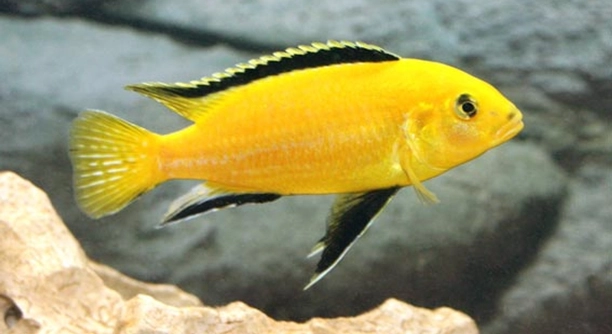
Cichlids are fascinating fish known for their adaptability in various aquatic environments. Keeping them healthy requires understanding the spaces they thrive in and how different tank layouts impact their behavior and well-being.
Cichlids can adapt to a range of tank layouts including rocky setups, planted aquariums, open water tanks, biotope recreations, community tanks, species-specific tanks, and hybrid designs. Each layout influences their territorial behavior, breeding habits, and social interactions differently.
Knowing how these layouts affect your cichlids can make a significant difference in their comfort and longevity in your aquarium.
Rocky Setups
Rocky setups are ideal for many cichlid species, particularly African cichlids. These tanks are designed with caves, rock formations, and crevices that mimic their natural habitats. The structure provides hiding spots for shy fish and territories for more aggressive species. Rocks should be arranged carefully to prevent collapse and allow swimming space. Hard, stable rocks also help maintain water chemistry, especially in species that prefer alkaline conditions. Using smooth stones or slate reduces the risk of injury. Some cichlids enjoy digging, so ensure rocks are secure. Decorations can be combined with minimal substrate to create open swimming areas. Plants are optional but should be hardy or attached to rocks. Overall, rocky setups promote natural behaviors, encourage breeding, and reduce stress. These tanks require regular maintenance to remove debris from crevices and ensure water flow. The aesthetic is both structured and natural, appealing to those who want a realistic representation of rocky aquatic environments.
Rocks give cichlids security and boundaries, reducing aggression and supporting natural behaviors while enhancing tank appearance.
A rocky layout fosters exploration, hiding, and breeding behaviors. The complex terrain allows dominant fish to claim territories and reduces conflicts, improving overall tank harmony. Aquascaping in rocky tanks requires balancing open spaces and structures, so fish have swimming room while maintaining hiding spots. The arrangement can influence light penetration, water circulation, and feeding patterns, making observation and regular adjustments important. Overcrowding with rocks can limit swimming areas and stress fish. Using natural stones ensures compatibility with water parameters, avoiding chemical leaching. Maintaining this setup involves cleaning debris in crevices and monitoring algae growth on rocks. Strategic rock placement supports both aesthetic appeal and functional habitat, creating a safe, stimulating environment for cichlids to thrive naturally.
Planted Aquariums
Planted aquariums combine greenery with swimming space, offering cichlids shelter and areas for grazing. Plants also aid water quality by absorbing nitrates and oxygenating the tank. Hardy plants like Anubias, Java fern, and Vallisneria suit most cichlid species.
Plants help reduce stress by providing cover and hiding spots, creating a calmer tank environment.
Planted layouts encourage exploration and natural foraging. Dense foliage allows shy cichlids to retreat while dominant fish establish territories in open areas. Rooted plants must be chosen carefully, as some cichlids may uproot them while digging. Floating plants offer additional shade and privacy, enhancing comfort. The substrate should support plant growth, with nutrient-rich soil or sand for rooted species. Proper lighting is essential for plant health, benefiting both flora and fish. Planted tanks also support microfauna, providing a supplemental food source. Maintaining balance between plant coverage and swimming space is key, ensuring cichlids have room to exhibit natural behaviors without damaging the plants. Regular pruning prevents overcrowding and encourages healthy growth. Overall, planted aquariums offer a dynamic and visually appealing habitat that supports cichlid well-being.
Open Water Tanks
Open water tanks give cichlids plenty of swimming space without many decorations or obstacles. These setups suit species that naturally inhabit open lakes and rivers, allowing them to display active and schooling behaviors without territorial disputes over hiding spots.
These tanks encourage movement and exercise, which is essential for the health of active cichlids. Minimal decorations reduce territorial aggression and create a clear line of sight across the tank, promoting natural social interactions. Open water layouts also make maintenance easier, as there are fewer crevices for debris and algae to accumulate. Lighting should be balanced to prevent stress, while water flow should mimic natural currents. Using sand or fine substrate supports natural digging behavior without interfering with swimming. This setup is ideal for larger species or groups that require spacious, unobstructed areas to thrive.
While open water tanks are simple in design, they require careful monitoring of social dynamics. Dominant fish can still stress others if stocking density is too high. Observing behavior and adjusting fish numbers or adding minimal markers for territories can prevent aggression. Temperature, pH, and water quality must be maintained consistently, as open layouts expose fish more directly to environmental changes. Feeding should be evenly distributed to ensure all fish get adequate nutrition. Overcrowding or lack of enrichment can lead to boredom, reducing activity levels. Choosing species suited to open spaces ensures they remain active, healthy, and exhibit natural behaviors.
Biotope Recreations
Biotope recreations replicate a cichlid’s natural habitat with specific rocks, plants, and substrate. This approach encourages authentic behaviors and helps maintain water parameters matching their native environment. Careful selection of elements ensures species-specific comfort and natural interactions.
Biotope tanks require precise planning, including substrate type, water chemistry, and decoration layout to mirror native conditions accurately. Each component should support natural behaviors like hiding, breeding, or foraging. Researching the species’ origin informs these decisions. Plants, driftwood, and rocks must match the habitat while maintaining swimming space. Replicating light conditions and water flow helps simulate seasonal changes and encourages activity. Biotope tanks are both educational and rewarding, as fish display instinctive behaviors rarely seen in generic setups. Consistent maintenance is necessary to preserve water quality and habitat integrity. Choosing compatible species prevents aggression and ensures ecological balance.
Replicating natural habitats enhances cichlid health and behavior. Observing these fish in a biotope layout provides insight into their social structure, breeding habits, and territorial tendencies. Adjusting environmental parameters to match their origin reduces stress and promotes longevity. Each element should have a functional role, whether for shelter, breeding, or foraging, making the tank both realistic and practical. Water chemistry, including pH, hardness, and temperature, must be maintained carefully to mirror native conditions. Lighting and substrate influence plant growth and fish activity, so planning is essential. Regular monitoring ensures the habitat remains balanced, allowing cichlids to thrive naturally. Biotope tanks combine aesthetics with function, creating a stable, engaging environment.
Community Tanks
Community tanks allow cichlids to coexist with other compatible fish species. Careful selection prevents aggression and ensures balanced interactions. Open swimming areas and scattered hiding spots help reduce conflicts while maintaining a peaceful environment.
Providing proper territories and monitoring fish behavior is crucial in community setups. Dominant cichlids may still assert control, so adjusting decorations or tankmates can help maintain harmony.
Species-Specific Tanks
Species-specific tanks focus on a single cichlid type, minimizing aggression and stress. These setups allow natural social structures, breeding behaviors, and territory establishment without interference from other species. Careful attention to water parameters, feeding routines, and tank decoration supports the health and comfort of all fish within the same species.
Hybrid Designs
Hybrid designs combine elements from rocky, planted, and open water layouts. This approach offers cichlids diverse spaces for swimming, hiding, and exploring while maintaining aesthetic appeal. Careful planning is required to balance open areas, shelter, and plant coverage to prevent territorial disputes.
These designs promote dynamic interaction, reduce boredom, and encourage natural behaviors, making tanks more engaging for both the fish and observer.
FAQ
What is the best tank layout for aggressive cichlids?
Aggressive cichlids benefit most from rocky or species-specific tanks. These layouts allow them to establish territories and reduce conflicts with other fish. Rocks, caves, and crevices provide hiding spots for less dominant individuals. Careful aquascaping ensures that each fish can claim its own space while still having swimming room. Avoid overcrowding and monitor behavior regularly to prevent injuries. Open water layouts or community tanks with incompatible species often increase stress and aggression, making territorial setups a safer choice for these cichlids.
Can cichlids adapt to planted tanks?
Yes, many cichlid species adapt well to planted tanks, though some may uproot plants while digging. Using hardy plants like Anubias or Java fern reduces damage. Floating plants can offer additional cover and shade, while a nutrient-rich substrate supports rooted growth. Plant placement should balance open swimming areas with hiding spots to reduce aggression. Plants also improve water quality by absorbing nitrates and producing oxygen. Regular pruning and monitoring are necessary to maintain both plant health and fish comfort.
Are open water tanks suitable for all cichlids?
Open water tanks are ideal for active, schooling, or larger cichlid species that require room to swim freely. These setups minimize territorial disputes, as there are few hiding spots or obstacles. However, species that prefer caves or complex habitats may become stressed without adequate shelter. Maintaining water quality and flow is essential, as exposed fish are more sensitive to changes. This layout works best for peaceful species or groups that thrive in wide, unobstructed spaces, ensuring natural behaviors and healthy development.
How do biotope tanks benefit cichlids?
Biotope tanks replicate a cichlid’s natural environment, which supports instinctive behaviors and reduces stress. Matching substrate, rocks, plants, and water parameters to their native habitat encourages foraging, breeding, and social interactions. Proper biotope design improves overall health, as fish are less likely to develop behavioral issues. These tanks also provide a visual and functional structure, allowing fish to establish territories naturally. Monitoring water quality and maintaining the habitat is crucial for long-term success, ensuring cichlids thrive as they would in the wild.
Is a community tank a good idea for cichlids?
Community tanks can work if species are carefully selected for compatibility. Open swimming areas and scattered hiding spots help reduce aggression. Monitoring interactions is essential, as dominant cichlids may still assert control over territory or food. Adjusting decorations or separating fish may be necessary if stress or conflicts arise. Feeding should be distributed evenly to ensure all fish get sufficient nutrition. Community tanks require careful planning and observation to maintain harmony while allowing multiple species to coexist successfully.
What should I consider for hybrid tank designs?
Hybrid tanks combine elements from rocky, planted, and open water layouts to create versatile habitats. Balance is key—fish need open swimming areas, hiding spots, and plant coverage. Overcrowding or poorly arranged decorations can lead to stress or territorial disputes. Monitoring behavior, water parameters, and substrate health is important. Hybrid designs offer diverse environments that encourage exploration and natural behaviors. Adjusting layout over time helps maintain a dynamic, comfortable habitat while keeping aggression low.
How often should I adjust the tank layout?
Tank layouts should be reviewed regularly, especially after introducing new fish or noticing aggression. Adjust rocks, plants, and hiding spots to prevent stress and provide proper territories. Seasonal or growth-related changes may require reorganization. Keeping a flexible approach ensures cichlids remain comfortable, active, and healthy in their environment. Observation and small modifications are better than complete overhauls, which can disrupt established social hierarchies.
Do substrate choices affect cichlid behavior?
Yes, substrate impacts digging, breeding, and territorial behaviors. Sand allows natural digging and egg-laying, while gravel can support plant roots but may limit burrowing. Matching substrate to species preferences helps maintain comfort and reduces stress. Regular cleaning is essential to prevent buildup of waste and harmful bacteria, ensuring a healthy habitat. Substrate also influences water chemistry, so consider factors like pH, hardness, and mineral content to support species-specific needs.
Can cichlids live happily in small tanks?
Smaller tanks limit territory, swimming space, and social interactions, which can increase stress and aggression. Only certain small or less active species may adapt well. Providing hiding spots, careful stocking, and regular monitoring is necessary to maintain harmony. Small tanks require more frequent water changes and careful observation of fish behavior to ensure a stable, healthy environment.
How do I choose the right layout for multiple cichlid species?
Consider aggression levels, size, and habitat preferences of each species. Combining rocky, planted, and open water elements can provide diverse spaces to minimize conflict. Separate territories, ample hiding spots, and sufficient swimming areas reduce stress. Observing interactions and adjusting layout or stocking prevents injuries and supports natural behaviors. Proper planning ensures a balanced and functional habitat for all species involved.
This FAQ provides practical guidance to help cichlid owners create environments that promote natural behaviors, reduce stress, and maintain long-term health. Each choice—from layout to substrate—directly affects how these fish adapt and thrive.
Final Thoughts
Creating the right tank layout for cichlids requires understanding their natural behaviors and needs. Each species has preferences that affect how they interact with their environment and other fish. Rocky setups offer hiding spots and territory boundaries, while planted tanks provide cover and improve water quality. Open water layouts give active species space to swim freely, and biotope recreations mimic natural habitats to encourage instinctive behaviors. Community and hybrid tanks combine different elements to suit multiple species, but careful planning is necessary to prevent aggression. Observing your fish regularly helps identify stress or conflict and allows adjustments to the layout before problems arise. Paying attention to these details ensures cichlids remain healthy, active, and comfortable in their home.
Tank design is more than aesthetics; it directly influences fish behavior and overall well-being. Providing spaces for hiding, swimming, and foraging reduces stress and promotes natural social structures. Substrate choices, water parameters, and plant types all affect how cichlids interact with their environment. Regular maintenance, such as cleaning debris from rocks or trimming plants, ensures the tank remains functional and safe. Even small changes, like adding a new hiding spot or adjusting water flow, can have a positive impact. A thoughtfully arranged tank encourages exploration, reduces aggression, and allows cichlids to display natural behaviors, including breeding, establishing territories, and schooling. Understanding how these elements work together helps create a balanced environment where fish can thrive.
The goal of any cichlid tank is to create a space that supports health, comfort, and natural behavior. Each layout type has advantages depending on species, size, and temperament. Observing fish in their environment provides insight into what adjustments may be needed. Flexibility and careful planning are key, whether building a rocky, planted, open water, or hybrid layout. Maintaining water quality, ensuring proper lighting, and monitoring social interactions are equally important to promote long-term health. A well-designed tank does not only make fish look visually appealing; it enhances their quality of life. By considering their natural needs and behaviors, it is possible to create an environment where cichlids can thrive, reducing stress and encouraging activity, growth, and reproduction. This approach ensures that your fish remain healthy, comfortable, and display the behaviors that make them such interesting and engaging species to keep.

Hello,
If you enjoy the content that we create, please consider saying a "Thank You!" by leaving a tip.
Every little bit helps us continue crafting quality advice that supports the health, happiness, and well-being of pets around the world, for pets of all shapes, sizes, and species.
We really appreciate the kindness and support that you show us!