
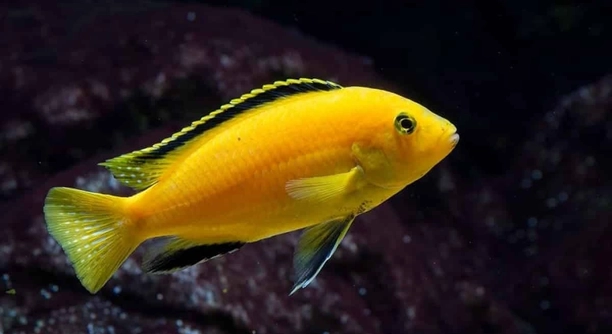
Juvenile electric yellow cichlids are small, vibrant fish that often catch the eye of hobbyists. Their bright yellow hue can vary, and observing these differences can be both relaxing and fascinating for aquarium owners.
Electric yellow cichlids display seven primary color variations in juveniles, ranging from pale yellow to deep golden tones. These variations are influenced by genetics, diet, water conditions, and early development, contributing to a diverse and visually appealing population.
Recognizing these color differences can help you better care for your fish and appreciate their natural beauty in any home aquarium.
Pale Yellow Variations
Pale yellow juvenile electric cichlids are the lightest in color among the variations. These fish often appear almost creamy in certain lighting, giving them a soft and delicate look. Their gentle hue makes them stand out subtly in tanks with darker gravel or decorations. Pale yellow tones are usually more common in younger fish before their colors fully mature. These cichlids may also show hints of white along their fins and body edges. Observing them over time can reveal gradual deepening of their color as they grow and adapt to their environment. Tank conditions like lighting, water quality, and diet play a big role in how vibrant these pale yellow cichlids become. While some remain soft in shade, others transition to richer yellow tones. Their calm appearance often complements more vivid fish in community setups, creating visual balance. Careful monitoring of water pH and temperature ensures these juveniles stay healthy.
Pale yellow juveniles often require slightly warmer water to maintain their light coloring. Proper feeding enhances their subtle tones naturally.
With a mix of lighting and nutrition, these pale yellow cichlids can gradually develop richer hues, blending beautifully with other tank residents over time.
Bright Golden Variations
Bright golden juvenile cichlids display a strong, saturated yellow that almost seems to glow under aquarium lighting.
These fish usually gain their intense color from a combination of genetics, high-quality diet, and stable water conditions. Rich carotenoids in their food enhance the brightness, while consistent lighting helps their coloration stand out. Bright golden juveniles are often more active and display stronger territorial behaviors than paler fish, making them noticeable in a crowded tank. Overfeeding or poor water quality can dull their color, so careful attention to diet and cleaning schedules is essential. Tank mates should be chosen carefully, as brighter fish may attract unwanted attention from more aggressive species. Juveniles in this range can eventually mature into adult electric yellow cichlids with an even more luminous appearance. Watching their development can be rewarding, as small shifts in lighting or nutrition visibly impact their vibrancy. These golden variations are often sought for display tanks due to their eye-catching shade and lively behavior.
Maintaining high-quality food and clean water will ensure bright golden cichlids retain their vivid tones.
With proper care, bright golden juveniles can become the centerpiece of any aquarium, drawing attention without overwhelming other fish.
Orange-Tinted Variations
Orange-tinted juvenile electric yellow cichlids show a warm shade that blends yellow and light orange. This hue is more noticeable under bright lighting and tends to appear in fish with strong genetics.
These juveniles often develop their orange tint gradually as they grow. Diet plays a key role, especially foods rich in carotenoids like shrimp or specialized cichlid flakes. Water quality also affects color intensity, with clean, well-filtered tanks promoting brighter shades. Orange-tinted juveniles may be more sensitive to stress, which can dull their coloring temporarily. Proper temperature and minimal disturbances help maintain their warm appearance. Observing these fish during feeding can reveal subtle differences between individuals, as some show more pronounced orange patches along fins and body sides. These variations make them visually appealing alongside paler or brighter yellow cichlids.
Orange-tinted juveniles often develop more pronounced color as they mature, especially in stable conditions with balanced lighting and a nutrient-rich diet.
Mixed Yellow-White Variations
Mixed yellow-white juveniles combine pale yellow with white markings along fins, tails, or body stripes, creating a patterned effect that adds visual interest.
These variations often appear in fish with diverse genetic backgrounds. The white areas may be more prominent in younger juveniles and sometimes fade as they age, while yellow patches intensify. Diet rich in vitamins and carotenoids helps maintain the yellow portions, while gentle lighting enhances contrast. Mixed yellow-white juveniles can be slightly shy compared to solid-colored fish, preferring to hide among decorations or plants. Observing their behavior alongside other juveniles highlights subtle differences in activity and territorial instincts. Maintaining stable water conditions ensures these patterns remain distinct and prevents color fading due to stress.
Providing a balanced diet, stable water, and carefully chosen tank mates allows mixed yellow-white juveniles to flourish. Their unique combination of shades adds charm and diversity to a tank.
Deep Golden Variations
Deep golden juvenile electric yellow cichlids have a rich, warm hue that appears almost metallic in bright light. This variation is less common but very striking in tanks with contrasting decorations.
These juveniles often maintain their deep color with a stable diet and consistent water quality. Bright lighting enhances the metallic sheen, making them appear more vivid than other yellow variations.
Faint Striped Variations
Faint striped juveniles show subtle vertical lines along their bodies. These stripes are usually lighter or darker than the main yellow color, adding gentle texture to their appearance.
Stripes are more noticeable in calm water and with proper lighting. Genetics determine the pattern, and some juveniles may lose or fade stripes as they grow, while others keep them into adulthood.
Light Greenish-Yellow Variations
Light greenish-yellow juveniles exhibit a soft mix of yellow and green tones. This hue is subtle but adds a unique variety to the tank.
This variation often appears in juveniles exposed to slightly cooler water or specific lighting conditions. Genetics also influence how pronounced the greenish tint becomes over time.
FAQ
How can I tell the difference between juvenile color variations?
Juvenile electric yellow cichlids show differences in hue, intensity, and patterns. Pale yellow are soft and creamy, bright golden are vivid, and deep golden show a metallic shine. Orange-tinted juveniles blend yellow and light orange, while mixed yellow-white have distinct white markings. Faint striped fish show subtle vertical lines, and light greenish-yellow display a soft yellow-green mix. Observing their fins, tails, and body under consistent lighting helps identify each variation.
Do water conditions affect color development?
Yes, stable water parameters are essential. Temperature, pH, and cleanliness influence vibrancy. Fluctuating conditions can dull colors or stress juveniles, slowing development. Proper filtration, regular water changes, and careful monitoring support healthy growth.
Does diet impact their coloration?
Diet plays a significant role. Foods rich in carotenoids, like shrimp flakes or specialized cichlid diets, enhance yellow and orange tones. Balanced nutrition also strengthens immune systems, supporting overall appearance. Overfeeding or low-quality food can dull colors and affect growth.
Will all juveniles keep their initial color as they mature?
Not always. Colors can intensify, fade, or shift as juveniles grow. Genetics, diet, and environment combine to shape final coloration. Some faint stripes or mixed patterns may become less noticeable, while deep golden or bright yellow often remain prominent.
How long does it take for juveniles to reach adult coloration?
Color development varies. Typically, noticeable changes occur within several months, but full adult coloration may take up to a year. Consistent care and minimal stress help juveniles reach their potential hues faster.
Can lighting influence the way colors appear?
Lighting affects perception. Soft or dim lighting can make pale yellow or greenish tones harder to see, while bright lighting enhances metallic and orange hues. LED lights with natural spectrums help display true coloration.
Are there behavioral differences among color variations?
Yes, some color types may show subtle behavior differences. Bright golden and deep golden juveniles are often more active or territorial, while pale yellow or mixed yellow-white juveniles can be calmer. Observing interactions can guide tank arrangement and compatibility.
Do tank mates affect juvenile coloration?
Stress from aggressive or overly active tank mates can dull colors. Choosing compatible species ensures peaceful interactions and allows juveniles to display natural shades. Hiding spots or plants help reduce stress for more timid variations.
What should I do if a juvenile’s color starts fading?
Check water quality, diet, and stress factors. Improve filtration, feed nutrient-rich foods, and ensure gentle lighting. Fading may indicate temporary stress rather than permanent change. Monitoring for illness or injury is also important.
Is it possible to enhance colors artificially?
Supplements and high-quality foods can enhance color naturally. Avoid dyes or chemicals, as these can harm juveniles. Consistent care, proper nutrition, and stable water remain the safest and most effective methods for enhancing coloration.
How do I maintain color consistency in a community tank?
Balanced stocking, consistent feeding schedules, and monitoring water conditions are key. Avoid overcrowding and aggression. Light-colored or shy juveniles benefit from hiding areas, while brighter fish thrive with stable environments. Routine observation ensures colors remain healthy and vibrant.
Can genetics predict color variation outcomes?
Genetics play a major role. Certain lineages are more likely to produce bright golden or deep golden juveniles, while others yield pale or mixed patterns. Breeding history and careful selection influence the likelihood of specific variations.
How often should I monitor juvenile colors?
Frequent observation is beneficial. Weekly checks allow you to note subtle changes and adjust diet, lighting, or tank conditions as needed. Tracking growth alongside color development provides insight into overall health.
Do stress and illness affect color expression?
Yes, stress and illness often cause fading or dulling. Maintaining clean water, compatible tank mates, and proper nutrition reduces risk. Early detection and intervention can restore natural hues in many cases.
Can I mix different color variations in one tank?
Mixing is possible with attention to temperament and tank space. Bright or deep golden juveniles may dominate, while paler or faint striped types need hiding spots. Proper balance allows multiple variations to thrive visually and behaviorally.
What role does age play in coloration?
Age influences intensity and pattern clarity. Young juveniles may appear paler or less defined, with colors and stripes becoming more distinct as they grow. Adult coloration stabilizes with maturity, though minor shifts may still occur over time.
How do seasonal changes affect coloration?
Seasonal changes in lighting or temperature can slightly alter shade perception. Stable indoor aquarium conditions minimize fluctuations, helping juveniles retain consistent appearance throughout the year.
Are there any signs that indicate a juvenile will have exceptional color?
Early vibrancy, clear patterns, and even growth often predict strong adult coloration. Genetics and proper care determine whether these traits are maintained as fish mature. Observing small differences early can help anticipate final hues.
What is the best approach for maintaining overall health and color?
Balanced diet, stable water conditions, proper lighting, and stress-free tank setup are essential. Attention to behavior, tank cleanliness, and nutrition ensures juveniles grow healthy and display their natural, vibrant coloration.
How long can juvenile variations stay in their early color phase?
Depending on genetics and environment, some juveniles retain softer or lighter shades for several months before intensifying. Maintaining optimal conditions encourages timely and healthy color development without forcing rapid changes.
Final Thoughts
Juvenile electric yellow cichlids are fascinating fish because of the variety in their colors. Observing pale yellow, bright golden, deep golden, orange-tinted, mixed yellow-white, faint striped, and light greenish-yellow juveniles allows you to appreciate the subtle differences in tone, pattern, and intensity. Each variation has unique qualities that make it visually interesting, from soft creamy shades to strong metallic gleams. The early stages of their life show how genetics, diet, water conditions, and lighting all play a role in shaping their appearance. Paying attention to these details can improve the overall health and vibrancy of your fish. Watching them grow over weeks and months highlights how small changes in their environment can influence the development of their colors. It also makes maintaining an aquarium more engaging because you can track the gradual changes and see which fish thrive best under certain conditions.
Maintaining stable water conditions is key to keeping these juveniles healthy and colorful. Temperature, pH, and cleanliness all affect how colors appear, and even minor fluctuations can cause fading or stress. Diet is equally important. Foods rich in carotenoids and essential nutrients help bright yellow, orange, or golden tones to stand out. Overfeeding or poor-quality food can dull colors and affect growth, so balance is essential. Lighting also influences perception. Brighter lights highlight metallic or orange hues, while softer lighting enhances pale yellow or greenish tones. Choosing the right tank mates and providing hiding spots reduces stress, which is another factor that can affect how vivid or subtle a juvenile’s coloration becomes. By combining these approaches—careful diet, proper water management, suitable lighting, and attention to tank dynamics—you create an environment where all color variations can flourish and display their natural beauty.
Observing juvenile electric yellow cichlids is not only about colors but also about understanding their behavior and needs. Bright golden or deep golden juveniles often show more active and territorial behavior, while paler or mixed-color variations may be calmer and prefer hiding. Paying attention to these behavioral patterns can help you maintain balance in the tank. Over time, the variations that seemed minor at first may become more pronounced, and you can see which fish adapt best to your setup. Caring for these juveniles involves patience and consistency, but it is rewarding because each variation brings something unique to the aquarium. With stable water, nutritious food, appropriate lighting, and minimal stress, juvenile electric yellow cichlids can grow into healthy, vibrant adults, enhancing both the visual appeal and the dynamics of your tank. Observing their development provides insight into how small environmental factors influence color, health, and behavior, making every stage of growth interesting and meaningful.

Hello,
If you enjoy the content that we create, please consider saying a "Thank You!" by leaving a tip.
Every little bit helps us continue crafting quality advice that supports the health, happiness, and well-being of pets around the world, for pets of all shapes, sizes, and species.
We really appreciate the kindness and support that you show us!