
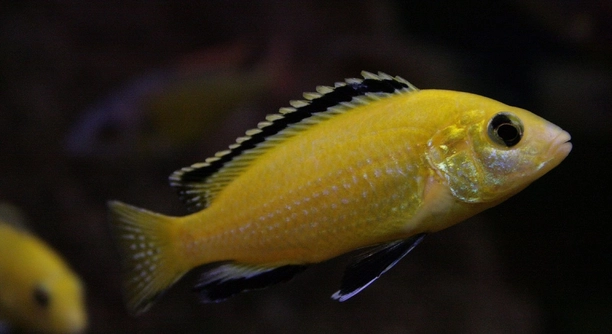
Are you keeping a mixed-cichlid aquarium but finding it challenging to maintain harmony among your fish? Mixed-cichlid tanks can be vibrant and exciting, yet they require careful attention to avoid stress, aggression, and health issues.
Successful mixed-cichlid aquariums depend on understanding species compatibility, territorial behavior, tank size, water parameters, diet, breeding tendencies, and aggression management. Maintaining these factors ensures a balanced environment, reduces conflicts, and promotes overall health and longevity for all fish species involved.
By observing these key aspects, you can create a more peaceful and thriving aquarium environment for your cichlids.
Choosing Compatible Species
When setting up a mixed-cichlid aquarium, the first step is selecting species that can coexist peacefully. Not all cichlids share the same temperament or environmental needs. Some are highly territorial, while others prefer to school in groups. Observing natural behaviors and researching species requirements can help prevent conflicts. It’s essential to consider size differences, as larger cichlids may intimidate or harm smaller tankmates. Matching fish with similar aggression levels often results in a more harmonious tank. Additionally, some cichlids are more active swimmers, while others spend most of their time near the bottom. Balancing these activity levels prevents dominant species from monopolizing space. Pay attention to water parameters like temperature, pH, and hardness, ensuring all chosen species can thrive in the same conditions. Introducing new fish gradually helps them adapt without triggering unnecessary stress. Maintaining a structured environment with hiding spots and open swimming areas also reduces potential confrontations among species.
Compatibility is the foundation for a stable, healthy aquarium ecosystem.
Creating zones with plants, rocks, and caves allows cichlids to establish territories and reduces stress. This structure encourages natural behavior while minimizing aggression.
Managing Aggression
Aggression is common in mixed-cichlid tanks and must be monitored closely.
Aggression often arises from competition for territory, food, or mates. Understanding each species’ behavior patterns helps in preventing serious injuries and stress. Using visual barriers, rearranging décor, and providing hiding spaces can diffuse tension effectively.
Some cichlids are naturally territorial and will defend their space vigorously. Conflicts can occur near feeding times or breeding periods. Recognizing early signs of aggression, such as chasing, nipping, or color changes, is critical. Separating highly aggressive individuals or creating additional territories with rocks and plants often mitigates constant conflict. Feeding multiple areas of the tank reduces competition and ensures all fish get sufficient nutrition. Overcrowding can increase stress, so careful stocking is necessary. Observing daily interactions helps identify problem areas, allowing adjustments before injuries occur. A well-planned tank setup and attentive management lead to a calmer, healthier environment for all cichlids involved.
Proper aggression management supports long-term stability and healthier relationships among tankmates.
Tank Size and Layout
Tank size directly affects cichlid behavior and stress levels. Larger tanks give fish space to establish territories and reduce aggression, while small tanks often lead to constant conflicts and stress-induced health problems. Careful layout planning is essential for a balanced environment.
Providing adequate swimming space and vertical territories allows cichlids to feel secure. Open areas let active swimmers move freely, while rocks, caves, and plants offer hiding spots and boundaries for territorial species. A well-thought-out layout reduces chasing, bullying, and constant territorial disputes. Placement of décor should prevent bottlenecks and overcrowded corners, giving all fish access to their preferred zones without confrontation. Rotating décor occasionally can help disrupt established hierarchies, preventing dominant fish from claiming too much space. Observing fish reactions and adjusting the layout ensures that all species coexist comfortably. A properly sized tank with strategic layout planning is crucial for long-term harmony and overall fish well-being.
Maintaining the correct tank size with functional décor promotes both natural behavior and a peaceful environment for all cichlids.
Water Parameters and Maintenance
Stable water conditions are critical for cichlid health and behavior. Temperature, pH, and hardness should match the requirements of all species in the tank to avoid stress and illness. Regular monitoring is necessary to maintain stability.
Frequent water testing and partial changes prevent dangerous spikes in ammonia, nitrites, or nitrates. Keeping temperature consistent avoids stress-induced aggression and weakened immune systems. Filtration systems should be appropriate for the tank size and bioload, ensuring adequate water movement and cleanliness. Uneaten food and waste should be removed promptly to prevent water quality deterioration. Matching water hardness and pH to the needs of all species ensures optimal growth, coloration, and activity levels. A well-maintained filtration and aeration system contributes to a stable, healthy environment where cichlids can thrive.
Consistent water maintenance reduces disease risk and supports harmonious interactions. Observing fish behavior regularly helps identify subtle issues before they escalate.
Feeding and Nutrition
A balanced diet is essential for all cichlids to maintain health and reduce aggression. Overfeeding can lead to water quality issues, while underfeeding may increase competition and stress among tankmates.
Providing varied food types ensures all species receive necessary nutrients. Combining high-quality pellets, frozen, and live foods keeps fish healthy and vibrant. Feeding smaller amounts multiple times a day reduces aggressive competition at feeding time. Observing which fish eat first helps identify shy or slow eaters, allowing you to adjust feeding methods accordingly. Rotating protein and vegetable sources supports digestion and coloration. Proper nutrition directly impacts behavior, growth, and overall vitality.
Breeding Behavior
Cichlids often display territorial and protective behavior during breeding. Mating pairs may become aggressive toward other tankmates, guarding eggs or fry vigorously. Proper tank setup with hiding spots can reduce conflicts during this period. Careful observation ensures that breeding activity does not endanger other fish.
Disease Prevention
Regular monitoring and quarantine of new fish help prevent disease introduction. Maintaining clean water and observing for early signs of illness are essential for long-term tank health.
FAQ
How many cichlids can I keep in a mixed tank?
The number of cichlids depends on tank size, species, and temperament. Larger tanks can accommodate more fish, but overcrowding increases aggression and stress. It is better to stock gradually, monitor interactions, and ensure each fish has space and hiding areas. Balancing active and territorial species prevents dominance issues.
Can different cichlid species breed together?
Most cichlid species do not interbreed successfully in a mixed tank. Some closely related species may attempt spawning, but offspring are often infertile or weak. Keeping breeding pairs separate or removing eggs can prevent unwanted crossbreeding and reduce aggressive guarding behaviors toward other fish.
What is the best diet for mixed cichlids?
A varied diet is essential. High-quality pellets or flakes should form the base, supplemented with frozen or live foods such as brine shrimp, bloodworms, or chopped vegetables. Feeding small amounts multiple times daily reduces competition and ensures all fish get enough nutrition. Avoid overfeeding to maintain water quality.
How do I control aggression in the tank?
Aggression can be minimized by providing sufficient hiding spots, separating overly dominant fish, and carefully selecting compatible species. Rearranging décor occasionally can break up established territories. Observing fish daily helps identify bullying or chasing before it becomes a serious problem.
How often should I change the water?
Partial water changes of 20-30% weekly are recommended. This keeps nitrate and waste levels low, maintains water clarity, and reduces stress. Always match temperature and water parameters when adding new water to prevent sudden changes that can shock the fish.
What tank decorations help reduce stress?
Rocks, caves, driftwood, and plants create territories and hiding spots. Open swimming areas are equally important for active species. Strategic placement of décor allows fish to establish zones, reduces conflict, and encourages natural behavior without overcrowding the tank.
How can I prevent diseases in a mixed-cichlid aquarium?
Quarantine new fish before introducing them to the main tank. Maintain stable water parameters, feed a balanced diet, and remove uneaten food. Observe fish for early signs of illness like discoloration, lethargy, or unusual swimming patterns. Early detection and treatment are key to controlling outbreaks.
Do water parameters need to be the same for all species?
Yes, maintaining consistent temperature, pH, and hardness within the acceptable range for all species is essential. Mismatched water parameters can stress fish, weaken their immune system, and trigger aggressive or abnormal behavior. Testing water regularly ensures stability.
Can I mix dwarf and large cichlids?
Mixing vastly different sizes can be risky. Larger cichlids may bully or injure smaller ones. If combining sizes, provide ample hiding spaces and avoid pairing aggressive large species with smaller, less assertive fish. Careful observation is necessary to ensure all fish coexist safely.
What should I do if a fish is constantly chased?
Separate the stressed fish temporarily or permanently if needed. Rearrange tank décor to provide new hiding spots and reduce established territorial boundaries. Monitor interactions carefully, and consider adding tankmates of similar size or temperament to balance social dynamics.
Is it necessary to have a breeding tank?
For species prone to aggressive breeding behavior, a separate breeding tank is helpful. It protects eggs and fry from other fish and prevents breeding-related stress in the main aquarium. Removing eggs or fry can also reduce territorial disputes in mixed tanks.
How do I introduce new fish safely?
Acclimate new fish gradually to the tank water, ideally over several hours. Quarantine new arrivals to prevent disease transfer, and introduce them during times when existing fish are less territorial. Rearranging décor before introduction can help reduce territorial disputes.
Can I keep plants in a cichlid tank?
Yes, but some cichlids may dig or uproot plants. Choose hardy species like Java fern, Anubias, or artificial plants. Anchoring plants to rocks or driftwood helps them stay in place. Plants provide hiding spots, reduce stress, and contribute to a natural environment.
How do I monitor fish health effectively?
Watch daily for changes in color, appetite, swimming patterns, and social interactions. Early detection of stress or disease allows prompt action. Keep a log of water parameters, feeding schedules, and unusual behavior to track trends and prevent problems.
Are water filters important for mixed-cichlid tanks?
Yes, strong filtration maintains water quality and reduces harmful substances. Choose a filter appropriate for tank size and bioload. Proper circulation and aeration support healthy fish, reduce stress, and help prevent disease outbreaks.
Maintaining a mixed-cichlid aquarium requires careful planning and ongoing attention. Each species has its own temperament, dietary needs, and environmental requirements, and balancing these factors is essential for a peaceful and healthy tank. Starting with compatible species helps prevent aggression, stress, and injury, while ensuring that all fish have adequate space and hiding spots. Large tanks provide more room for territories, and strategically placed rocks, caves, and plants allow fish to establish natural zones without constant confrontation. Regular observation is crucial, as even well-matched species can develop conflicts if conditions change or if a dominant fish begins asserting control. Adjusting décor, rearranging territories, and monitoring behavior are practical ways to maintain balance. Paying attention to both physical and behavioral signs ensures that potential problems are addressed before they escalate.
Water quality is another critical factor in maintaining a thriving mixed-cichlid aquarium. Stable parameters such as temperature, pH, and hardness create a comfortable environment where all species can thrive. Partial water changes, proper filtration, and regular testing prevent harmful buildup of nitrates, ammonia, and other toxins that can stress or harm fish. Overfeeding should be avoided, as leftover food can quickly degrade water quality and contribute to illness. A varied and balanced diet supports growth, coloration, and overall health, reducing competition and aggression during feeding times. In addition, quarantine practices for new fish help prevent disease from spreading to established tankmates. Maintaining these standards requires consistent effort, but it directly contributes to a healthier and more peaceful environment for the cichlids.
Understanding cichlid behavior and managing aggression are essential aspects of long-term success. Territorial disputes are natural, especially during breeding or feeding periods, and providing enough space, hiding spots, and visual barriers can reduce these conflicts. Introducing fish gradually and observing interactions helps identify individuals that may need separation or intervention. Breeding behavior can be intense, so having separate areas or a breeding tank can protect eggs and fry while minimizing stress in the main aquarium. Overall, maintaining a mixed-cichlid tank is about combining careful planning with consistent monitoring and maintenance. By paying attention to species compatibility, water quality, diet, and behavior, it is possible to create a vibrant, balanced, and thriving aquarium where all cichlids can live harmoniously.

Hello,
If you enjoy the content that we create, please consider saying a "Thank You!" by leaving a tip.
Every little bit helps us continue crafting quality advice that supports the health, happiness, and well-being of pets around the world, for pets of all shapes, sizes, and species.
We really appreciate the kindness and support that you show us!