
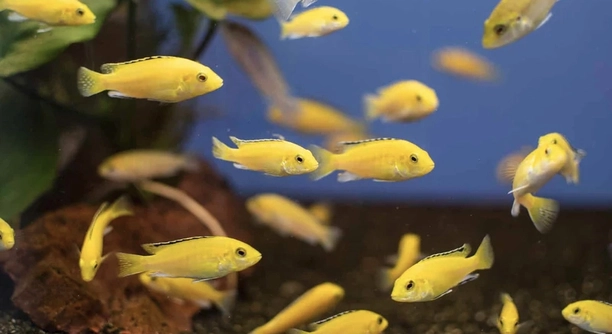
Are your cichlids acting strange in the tank, moving quickly or hiding more than usual? Observing their daily behaviors can give you clues about their mood and environment. Understanding these signs helps keep your fish safe.
Cichlids display several subtle behaviors before retreating, including color changes, fin clamping, slow movements, head-down posture, reduced feeding, darting, and seeking shelter. Recognizing these cues allows aquarists to respond appropriately, reducing stress and promoting healthier interactions within the tank.
Knowing these signs will help you maintain a calmer environment and anticipate your cichlids’ needs before they feel threatened.
Color Changes
Cichlids often change their colors when they are about to retreat. You might notice duller or darker shades spreading across their body, or sometimes bright warning colors appear. This shift is a signal that they feel uneasy or threatened. Paying attention to these changes can help you understand when they are stressed. It is important to watch their environment and see if other fish are crowding them or if something new has been added to the tank. Sudden movements outside the tank or tapping on the glass can also trigger color changes. By noticing these signs early, you can prevent further stress and avoid fights. Color changes are not always easy to spot at first, but once you start observing daily, patterns emerge. These visual signals are a reliable way to know when your cichlid needs space. Adjusting decorations or rearranging tank areas can help them feel safer and more secure.
Observing shifts in coloration allows you to identify stress early and take action to maintain a balanced tank environment.
Understanding color cues gives insight into the emotional state of your cichlid. Noticing the intensity, location, and speed of color changes can help you predict retreat behavior. Subtle shifts around the gills, fins, or body often occur before they move to a hiding spot. Frequent stress can affect feeding and long-term health, so these signs are vital for monitoring. Colors may also reflect interactions with tank mates, water quality, or changes in light. Learning to read these cues improves care and allows you to create a calm, secure space for your fish.
Fin Clamping
Fin clamping is a clear sign that a cichlid is uneasy.
When cichlids clamp their fins close to their bodies, it is usually a defensive reaction. This behavior minimizes exposure and makes them less noticeable to other fish. Clamped fins often occur alongside other signals like color changes, slow movements, or hiding near decorations. Observing fin position regularly can help detect stress before it escalates. Environmental factors like water temperature, overcrowding, or aggressive tank mates often trigger this behavior. Making small adjustments to reduce disturbances can encourage cichlids to relax. Clamped fins are more common in shy or territorial species, but any fish can display this when stressed. By monitoring fin posture and combining it with other cues, you can better understand when to give your cichlid space. Over time, learning these signs will help maintain a peaceful tank and improve fish health.
Slow Movements
Cichlids that start moving slowly are often signaling discomfort or hesitation. They may drift instead of swimming actively, linger near corners, or pause frequently. This behavior usually happens before retreating to a hiding spot to feel safer.
Slow movements often indicate that a cichlid senses stress in its environment. Reduced swimming activity can result from nearby aggressive tank mates, sudden changes in light, or water quality issues. When this happens, they may stay near the bottom or cling to decorations instead of exploring. Observing these subtle shifts allows you to respond before the fish becomes overly stressed. Providing more hiding spaces and minimizing disturbances can help them regain confidence. Watching how long and how often these slow movements occur gives valuable insight into their comfort level, helping you adjust care practices to keep the tank calm and balanced.
In some cases, slow movements may also reflect illness or fatigue. Monitoring for additional signs such as clamped fins, color changes, or reduced appetite helps distinguish normal caution from health concerns. If slow movements persist, checking water parameters and ensuring adequate nutrition is essential. These behavioral patterns often combine with other cues like darting or fin clamping. Consistent observation over days or weeks allows you to recognize individual habits and better predict when a fish is likely to retreat. Creating a stable environment reduces stress, encourages activity, and strengthens overall tank harmony.
Head-Down Posture
A head-down posture is a strong indicator that a cichlid feels threatened or stressed.
When cichlids lower their heads and angle their bodies downward, it shows unease and readiness to hide. This posture often occurs near shelters, corners, or tank decorations. It may be accompanied by slow movements, color dulling, or fin clamping. Understanding this behavior helps prevent conflicts, as it signals that the fish wants minimal interaction. Environmental triggers like aggressive tank mates, sudden noise, or strong currents can provoke head-down positioning. Adjusting the tank layout or reducing disturbances often encourages the fish to return to a normal swimming posture. Regularly observing head-down behavior allows you to anticipate retreat patterns, maintain peace in the tank, and ensure each cichlid has safe, accessible areas for comfort.
Reduced Feeding
Cichlids that eat less than usual are often signaling stress. Loss of appetite usually happens before retreating and can indicate discomfort, environmental changes, or social tension in the tank.
Reduced feeding may also reflect illness or poor water conditions. Observing mealtime behavior helps identify when a fish is avoiding others or hiding.
Darting
Darting is a quick, sudden movement that signals fear or agitation. Cichlids often dart toward hiding spots when something startles them.
Darting behavior can be triggered by aggressive tank mates, sudden noises, or changes in light. Watching for repeated darting allows you to identify patterns, predict retreats, and create safer tank conditions.
Seeking Shelter
Cichlids will often move toward caves, plants, or decorations when stressed. This is a common pre-retreat behavior.
Providing multiple safe areas helps fish feel secure and reduces conflict within the tank. Frequent use of shelter indicates ongoing discomfort or stress in their environment.
How can I tell if my cichlid is stressed before it retreats?
Stress in cichlids often shows through subtle changes in behavior. Look for dulling or sudden brightening of colors, clamped fins, slow movements, or head-down posture. Reduced feeding and frequent darting toward hiding spots are also common signs. Observing these patterns regularly helps identify stress early, allowing you to adjust the tank environment or reduce disturbances before retreat occurs. Paying attention to individual fish habits is key, as each cichlid may display these cues differently depending on personality, species, and tank conditions.
Why do cichlids change color before hiding?
Color changes are a natural communication tool for cichlids. Duller colors usually signal fear or discomfort, while sudden bright colors can be a defensive warning to other fish. These shifts help cichlids protect themselves by alerting others or preparing to hide. Environmental factors such as lighting, water quality, and tank layout can influence color intensity. Aggressive tank mates or sudden disturbances often trigger noticeable color changes. Monitoring these visual cues provides insight into their emotional state and readiness to retreat. Acting on these signs early can prevent stress from escalating.
Is fin clamping a serious issue?
Fin clamping is not immediately dangerous, but it indicates that the fish is uncomfortable or stressed. It often happens alongside other behaviors like color changes or slow movements. Persistent fin clamping may point to poor water conditions, overcrowding, or aggressive tank mates. Providing additional hiding spots and reducing disturbances helps the cichlid relax. Observing how long and how often fins remain clamped allows you to distinguish between temporary stress and potential health concerns. Early intervention keeps the fish safe and maintains a calmer tank environment.
What causes cichlids to dart suddenly?
Darting is a flight response that signals fear or agitation. Sudden movements often occur when the fish feels threatened by tank mates, abrupt changes in lighting, or outside disturbances like tapping the glass. Repeated darting shows ongoing discomfort and a need for safer areas in the tank. Observing darting patterns helps anticipate retreat behavior and guide environmental adjustments. Providing ample hiding spaces and minimizing abrupt movements in and around the tank reduces stress and encourages more relaxed behavior.
How important is providing shelter for cichlids?
Shelter is essential for cichlids to feel secure. Hiding spots such as caves, dense plants, or decorations allow fish to retreat when stressed. Frequent use of these areas indicates that the environment may need adjustment. Multiple shelters reduce competition and aggression among tank mates. Observing which areas are preferred helps improve tank layout and overall fish well-being. Adequate shelter lowers stress levels, encourages natural behavior, and prevents prolonged hiding, which can affect feeding and social interaction.
Can water quality affect cichlid retreat behavior?
Water quality has a significant impact on cichlid behavior. Poor water conditions can trigger stress, causing color changes, fin clamping, or reduced activity. Parameters like pH, temperature, ammonia, nitrite, and nitrate levels should be monitored regularly. Maintaining stable and appropriate water conditions reduces the likelihood of retreat behavior and promotes overall health. Even minor fluctuations can make sensitive species uneasy, so keeping a consistent environment is critical. Clean water encourages active swimming, feeding, and social interactions, reducing the need for frequent hiding.
What other environmental factors influence cichlid retreat?
Beyond water quality and tank mates, factors such as tank size, decoration placement, lighting, and noise levels affect cichlid behavior. Crowded tanks or limited hiding spaces increase stress and trigger retreat. Strong currents, sudden lighting changes, and external vibrations can also cause fish to seek shelter. Adjusting tank conditions to mimic natural habitats helps reduce stress. Watching how cichlids react to each factor allows you to make informed decisions about layout, companions, and daily maintenance routines. Creating a stable, calm environment encourages confident behavior and less frequent hiding.
How can I help a stressed cichlid feel safe?
Providing multiple hiding spots, ensuring stable water conditions, and minimizing aggressive interactions all help reduce stress. Observing each fish’s behavior and adjusting tank conditions accordingly can prevent excessive retreats. Gradual changes, consistent feeding, and gentle handling promote confidence and reduce fear responses. Over time, stressed cichlids become more comfortable exploring the tank and interacting with others. Monitoring behavioral cues and responding promptly improves their overall health and creates a more harmonious environment. Consistency and patience are essential for helping your cichlids feel secure and supported.
Can frequent hiding affect cichlid health?
Frequent hiding can impact feeding, activity levels, and social interactions, which may affect long-term health. Reduced exposure to light or limited swimming space can also cause stress and weaker immune response. Providing accessible shelter, maintaining clean water, and monitoring diet helps counter these effects. Encouraging natural behavior through safe exploration areas supports both mental and physical well-being. Observing patterns over time helps identify chronic stressors and ensures the fish remain healthy, active, and less dependent on hiding as a coping strategy.
Observing cichlids closely can give you a lot of information about how they feel in their environment. These fish show stress and discomfort in subtle ways that are easy to miss if you are not paying attention. Changes in color, fin clamping, slow movements, head-down posture, darting, reduced feeding, and seeking shelter are all signals that a cichlid may be preparing to retreat. Each fish may show these signs differently depending on its species, personality, and tank conditions. By learning to recognize these cues, you can prevent stress from escalating and ensure a calmer environment for your cichlids. Simple adjustments like adding more hiding spots, reducing disturbances, or checking water quality can make a significant difference in how safe and comfortable your fish feel. Being observant also helps you understand individual behaviors, which can guide you in arranging the tank and choosing companions that minimize conflicts.
Taking the time to notice these behaviors not only improves the well-being of your cichlids but also strengthens the connection between you and your fish. While cichlids are not as interactive as some pets, they do respond to their environment and routines. Recognizing patterns in behavior allows you to anticipate retreat before it happens, rather than reacting after stress has already occurred. For example, seeing a fish gradually slow its movements or clamp its fins can alert you to potential problems like overcrowding, aggressive tank mates, or environmental changes. Addressing these issues early can prevent injuries and reduce the frequency of hiding. Additionally, maintaining stable water conditions and a well-structured tank layout promotes natural behaviors and encourages confident swimming and feeding. Watching how your cichlids react to minor adjustments gives you practical insight into their comfort level and overall health.
Creating a supportive environment for your cichlids is an ongoing process. Every tank has its own dynamics, and each fish may have unique preferences for hiding spots or social interactions. Paying attention to cues before retreat helps you make thoughtful decisions about tank arrangement, feeding routines, and water quality management. Providing multiple shelters, reducing stressors, and monitoring behavior consistently ensures that cichlids can feel secure without becoming overly reclusive. Over time, these practices reduce stress, promote healthier interactions, and encourage more natural activity. Understanding the subtle ways cichlids communicate their discomfort allows you to respond thoughtfully and create a peaceful tank environment. With careful observation and small adjustments, you can support your cichlids’ well-being and enjoy a balanced, thriving aquarium.

Hello,
If you enjoy the content that we create, please consider saying a "Thank You!" by leaving a tip.
Every little bit helps us continue crafting quality advice that supports the health, happiness, and well-being of pets around the world, for pets of all shapes, sizes, and species.
We really appreciate the kindness and support that you show us!