
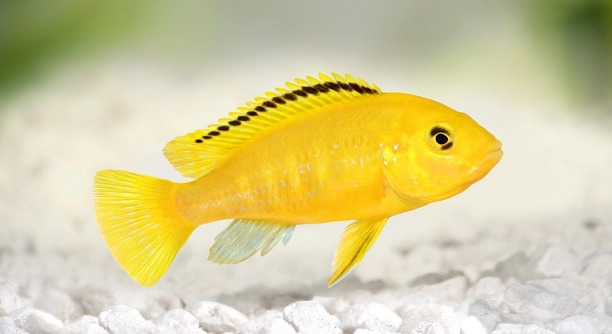
Many fish enthusiasts cherish the bright colors of electric yellow cichlids in their aquariums. These vibrant fish often bring energy and beauty, but sometimes their brilliant yellow can fade unexpectedly, leaving owners concerned about their health.
Sudden color dulling in electric yellow cichlids is commonly caused by stress, poor water quality, inadequate nutrition, illness, aging, genetic factors, or incompatible tank mates. Each of these elements can impact pigmentation, resulting in a noticeable loss of the fish’s characteristic yellow vibrancy.
Recognizing the signs early can help maintain your cichlid’s vivid colors and overall well-being in your aquarium environment.
Stress and Its Impact on Color
Electric yellow cichlids are sensitive fish, and stress can quickly affect their coloration. Common stressors include sudden changes in water temperature, aggressive tank mates, or overcrowded conditions. When stressed, their bodies release hormones that can dull their bright yellow pigment. Even small disturbances, like moving decorations or adjusting lighting, may cause temporary color loss. Stress also weakens the immune system, making cichlids more prone to disease, which can further affect their appearance. Observing behavior is key: a stressed fish may hide more, swim erratically, or lose appetite. Maintaining a calm and stable environment helps minimize these stress triggers. Providing enough hiding spaces and consistent feeding routines also supports their natural colors. Over time, reducing stress can gradually restore the vibrancy that makes electric yellow cichlids so appealing.
Reducing stress is often as simple as stabilizing water conditions and minimizing sudden changes in the tank environment.
A stable tank environment and careful monitoring are crucial. By keeping consistent water parameters and avoiding overcrowding, you can prevent many stress-related color issues. Watching how your fish interact helps identify aggressive behavior early. Providing hiding spots, gentle lighting, and a calm feeding routine also encourages natural coloration.
Water Quality and Its Role
Poor water quality is a major factor in fading color among cichlids.
Dirty water or imbalanced chemicals like ammonia, nitrite, and nitrate can stress fish, leading to dull pigmentation. High levels of chlorine or fluctuating pH also affect overall health. Regular testing and partial water changes help maintain optimal conditions. Filters must be cleaned properly but not completely stripped of beneficial bacteria. Temperature fluctuations can compound the problem, so keeping the tank within the recommended range for electric yellow cichlids is essential. Overfeeding can pollute the water, making color issues worse, so feed measured portions. Clean gravel and remove uneaten food to reduce toxins. Observing water clarity and fish behavior allows for early detection of problems. Maintaining a clean and stable environment supports both health and bright coloration. Regular monitoring and care prevent gradual fading and promote long-term vibrancy.
Proper filtration, regular water changes, and attention to feeding habits are essential for maintaining bright coloration in electric yellow cichlids.
Nutrition Deficiencies
Balanced nutrition is key for maintaining vibrant colors in electric yellow cichlids. Poor diet can lead to dulling, as essential pigments and vitamins are missing. High-quality flakes, pellets, and occasional live or frozen food support their natural yellow tones.
A varied diet rich in carotenoids, vitamins, and proteins is essential for these cichlids. Foods like spirulina, krill, and shrimp help boost coloration naturally. Avoid relying solely on low-quality flakes, as they often lack the nutrients needed for bright pigmentation. Overfeeding or underfeeding can also affect color, so measuring portions and feeding multiple small meals daily is recommended. Color-enhancing foods work best when paired with proper water conditions and a stress-free environment, ensuring that dietary improvements translate into noticeable vibrancy over time.
Observing how your fish respond to dietary changes is important. Gradually introducing color-rich foods allows cichlids to adjust, and consistent feeding routines reinforce their health. Supplements can help if natural foods are limited, but they should never replace a balanced diet. Combining good nutrition with stable water quality ensures that yellow cichlids maintain their vivid hues longer and recover more quickly if color loss occurs.
Illness and Parasites
Diseases and parasites can directly cause color fading in electric yellow cichlids. Even minor infections stress the fish and reduce pigmentation. Early detection and treatment prevent long-term damage and restore vitality.
Parasites, bacterial infections, or fungal growths often affect skin and gill health, leading to noticeable color loss. Symptoms may include lethargy, clamped fins, or irregular swimming patterns. Quarantining affected fish and treating the tank promptly is critical to stop the spread. Medications should be used according to instructions, and water quality must be maintained to support recovery. Regular observation helps catch early signs before they escalate. Maintaining a clean tank and avoiding sudden environmental changes reduces the risk of infections and keeps fish healthy.
Prompt intervention and proper treatment are essential. Maintaining a clean tank and consistent water parameters supports recovery from illness. Isolating sick fish prevents spreading disease, while monitoring their behavior and appetite helps assess treatment effectiveness. Healthy fish are more resilient, and restoring water quality and nutrition improves their ability to regain natural coloration. Prevention through careful tank management and observation reduces the likelihood of recurring infections, helping electric yellow cichlids maintain vibrant and consistent colors over time.
Aging Effects
As electric yellow cichlids age, their colors may naturally fade. Older fish often display less intense yellow tones, which is a normal part of their life cycle and does not always indicate a health problem.
Color fading with age can be gradual. While nutrition and water quality remain important, older cichlids may never regain the same vibrancy they had as juveniles.
Genetic Factors
Some electric yellow cichlids inherit genes that make their colors less intense. Even with perfect care, genetics can limit the brightness of their yellow pigmentation. Breeding lines and hybrid varieties may also show variations in color intensity.
Tank Mates Influence
Aggressive or overly active tank mates can stress electric yellow cichlids. This stress may result in temporary color dulling and changes in behavior.
What causes sudden color dulling in electric yellow cichlids?
Sudden color fading in electric yellow cichlids is usually linked to stress, poor water quality, nutritional deficiencies, illness, aging, genetics, or aggressive tank mates. Any of these factors can interfere with their natural pigmentation. Stress and environmental changes often trigger the fastest visible changes in color.
How can I tell if stress is affecting my cichlid’s color?
Stress in cichlids often shows through both behavior and appearance. A stressed fish may hide more than usual, swim erratically, or refuse food. The yellow color can dull quickly under stress, and clamped fins or rapid breathing may also appear. Observing these signs early can help prevent prolonged color loss.
Can water quality really affect pigmentation?
Yes, water quality directly impacts cichlid color. Ammonia, nitrite, nitrate, and pH imbalances cause stress, weaken immune systems, and reduce pigment expression. Regular water testing and partial water changes are essential. A clean, stable environment supports vibrant colors and overall health. Temperature fluctuations should also be avoided.
Which foods help restore bright yellow coloration?
Foods rich in carotenoids, spirulina, krill, shrimp, and high-quality flakes or pellets help restore natural yellow pigmentation. Providing a varied diet supports overall health and enhances vibrancy. Supplements can assist if natural food options are limited, but they should not replace a balanced diet.
Does age permanently affect color?
As cichlids age, their colors may naturally fade. Older fish may not regain the intensity they had as juveniles, even with excellent care. While aging is normal, maintaining proper nutrition and water quality helps slow the process and keeps the remaining color as vivid as possible.
How do tank mates influence coloration?
Aggressive or overly active tank mates can stress electric yellow cichlids, leading to temporary color dulling. Observing interactions and separating aggressive fish helps reduce stress. Providing hiding spots and adequate space ensures the yellow cichlids feel secure and maintain their natural pigmentation.
When should I worry about illness affecting color?
If color dulling is accompanied by unusual behavior like lethargy, loss of appetite, clamped fins, or erratic swimming, illness or parasites may be the cause. Quarantining sick fish and treating the tank promptly prevents spread and promotes recovery, helping the cichlid regain its natural vibrancy.
Can genetics limit how bright my cichlid gets?
Yes, some electric yellow cichlids inherit genes that naturally limit their color intensity. Even with perfect care, their yellow may never be as vibrant as other lines. Breeding lines and hybrid variations also play a role in how bright an individual fish appears.
How fast can color return after addressing the issue?
Recovery speed depends on the cause. Stress or water quality problems may show improvement within days to weeks. Nutritional changes or treatment for illness can take longer. Consistency in care and monitoring behavior and environment ensures the best chance for full recovery.
Are there preventive measures to keep colors bright?
Maintaining clean water, feeding a balanced diet, monitoring tank conditions, and managing tank mate behavior all prevent color loss. Minimizing sudden changes, avoiding overcrowding, and observing fish behavior help maintain long-term vibrancy. Prevention is simpler than trying to restore color after fading occurs.
This FAQ addresses the most common concerns regarding color dulling in electric yellow cichlids. Understanding the causes, observing behavior, and taking immediate action when issues arise helps keep fish healthy and bright. Consistent care, proper nutrition, and attention to water quality are the keys to maintaining their vivid yellow coloration.
Electric yellow cichlids are striking fish that bring energy and color to any aquarium, but their vibrancy can change for a variety of reasons. Factors like stress, water quality, diet, illness, aging, genetics, and interactions with other tank mates all play a role in how bright their yellow coloration appears. Paying attention to these factors is essential for keeping your fish healthy and visually appealing. Even small changes in their environment can affect their colors, so monitoring their behavior, appetite, and interactions regularly will give you early signs if something is off. Understanding the different reasons for color dulling helps you take practical steps to address the issue and maintain their natural beauty.
Maintaining consistent water quality is one of the most important things you can do. Electric yellow cichlids respond quickly to changes in pH, ammonia, nitrite, and nitrate levels, and poor water conditions can stress them, causing colors to fade. Regular water testing, timely partial water changes, and proper filtration support their health and coloration. Equally important is a balanced diet. Providing foods rich in carotenoids, spirulina, shrimp, or krill helps sustain the intensity of their yellow hues. Overfeeding, underfeeding, or relying on low-quality foods can reduce pigmentation, so feeding the right portions at consistent times is key. Combining good nutrition with stable water conditions gives the best chance for maintaining bright colors.
Stress, illness, and tank dynamics also impact color. Aggressive or overly active tank mates can make electric yellow cichlids withdraw or lose color temporarily, so observing interactions and providing hiding spots is helpful. Illnesses and parasites can cause rapid fading, so it is important to notice behavior changes like lethargy, clamped fins, or loss of appetite early. Aging and genetics also play a role, as older fish may lose vibrancy naturally and some individuals have less intense colors due to hereditary traits. By understanding these factors, taking preventive measures, and responding quickly to problems, you can help your electric yellow cichlids remain healthy, confident, and as bright as possible for years to come.

Hello,
If you enjoy the content that we create, please consider saying a "Thank You!" by leaving a tip.
Every little bit helps us continue crafting quality advice that supports the health, happiness, and well-being of pets around the world, for pets of all shapes, sizes, and species.
We really appreciate the kindness and support that you show us!