
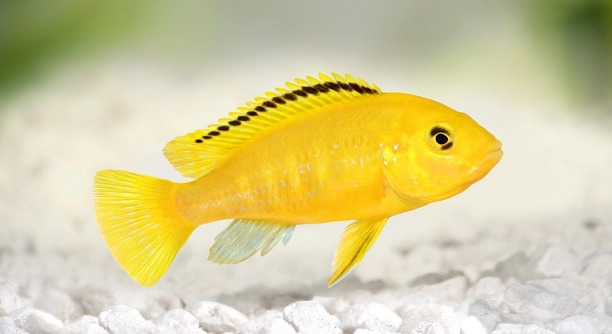
Electric Yellow Cichlids are lively fish that bring color and energy to any aquarium. Their playful nature and curiosity make them fascinating to watch as they navigate and interact with their environment. Observing their first movements can be exciting.
When first introduced to a new tank, Electric Yellow Cichlids typically explore corners, rocks, plants, substrate, filter outlets, decorations, and surfaces near the waterline. These areas allow them to establish territory, familiarize themselves with surroundings, and exhibit natural exploratory behavior.
Watching how these cichlids investigate their tank can provide insight into their habits and preferences, helping aquarists create a more engaging and suitable environment.
Corners and Hiding Spots
Electric Yellow Cichlids are naturally drawn to corners and tight spaces when introduced to a new tank. These areas provide a sense of security as they adjust to unfamiliar surroundings. Rocks, caves, and crevices become instant points of interest. Watching them slip into these spots reveals their instinct to claim a safe zone. They often return to these areas repeatedly, even after exploring other parts of the tank. Placing stable and smooth decorations helps prevent injuries while encouraging exploration. Over time, their confidence grows, and they start venturing out more freely. Observing their behavior near these spots can indicate their comfort level in the tank. By noting which areas they favor, you can arrange the tank to support natural instincts and reduce stress. Their interaction with corners also highlights social dynamics if multiple cichlids are present, as they may defend preferred hiding spots from tank mates.
Corners help cichlids feel secure and observe their surroundings without feeling exposed.
Understanding their preference for tight spaces allows better tank design and encourages natural, stress-free behavior.
Rocks and Substrate
Rocks and substrate are primary elements Electric Yellow Cichlids investigate first. They use their mouths and fins to sift through gravel, uncovering hidden areas or potential food particles. Substrate exploration is essential for their physical and mental stimulation. Smooth rocks and safe materials prevent injuries during this natural digging behavior. These fish also establish territories around rocks, claiming small areas as their own. Observing substrate interactions helps identify their activity patterns and social interactions. By arranging rocks in layers or clusters, you create multiple zones for exploration. This setup mimics natural habitats, allowing cichlids to exercise instincts like digging, hiding, and territorial displays. The substrate also influences their feeding behavior, as cichlids often pick through gravel for small treats or flakes. Ensuring the substrate is appropriate in size and texture helps prevent accidental swallowing or stress. Watching how they interact with rocks and substrate reveals much about their personality, energy levels, and confidence in a new environment.
Exploring rocks and substrate satisfies instincts while encouraging movement, confidence, and interaction with the tank.
These interactions are crucial for maintaining both mental stimulation and physical health in Electric Yellow Cichlids, helping prevent boredom and stress.
Plants and Foliage
Cichlids are naturally curious about plants and foliage, often swimming through leaves and brushing against stems. Live or artificial plants give them vertical and horizontal space to explore. Plants also create shaded areas, which cichlids use for resting or hiding from bright lights.
Plants in the tank encourage exploration and provide mental stimulation. Electric Yellow Cichlids often nibble on leaves or weave between stems, testing the resistance and texture. Dense planting offers multiple pathways and areas to claim as temporary territories. They may also use plants to observe other tank mates while staying partially hidden. Placement near rocks or substrate encourages natural behaviors like sifting and territory marking, blending exploration with safety. Choosing plants that can withstand occasional nibbling helps maintain a healthy environment. Watching them interact with plants reveals both confidence and personality traits, showing how comfortable they feel in their surroundings.
Plants serve both functional and enrichment purposes. Observing cichlids interacting with plants can indicate their comfort and activity levels.
Filter Outlets and Water Flow
Electric Yellow Cichlids are drawn to areas near filter outlets and currents. Water flow provides sensory stimulation, allowing them to test strength and react to movement.
They often hover or swim against gentle currents, using them to exercise and explore. Stronger flows may encourage chasing or playful movements, while mild currents let them rest near flowing water without stress. These areas also act as natural observation points, giving cichlids access to circulating nutrients and oxygen. Positioning filters to create varied flow zones supports exploration and reduces territorial disputes. Cichlids may investigate multiple outlets to find the most comfortable current, sometimes revisiting favored spots repeatedly. Understanding their interaction with water flow helps maintain a balanced tank environment. Adjusting flow patterns slightly can increase activity without causing fatigue, ensuring the fish remain stimulated and healthy. Observing behavior near outlets can also reveal social dynamics, as dominant fish may claim preferred positions while others explore less turbulent zones.
Water flow and outlets engage cichlids physically and mentally, shaping exploration and tank activity patterns.
Properly managing currents ensures cichlids stay active, confident, and stress-free while maintaining a well-oxygenated and enriched habitat.
Tank Decorations
Electric Yellow Cichlids are naturally drawn to decorations like caves, driftwood, and ceramic ornaments. They inspect textures, shapes, and openings, often returning to favored spots repeatedly.
Decorations offer both hiding places and boundaries for territorial behavior. Fish may swim around or perch near them, using them as observation points.
Surfaces Near the Waterline
Cichlids often explore surfaces near the waterline, inspecting floating plants, lids, or surface reflections. This area gives them a sense of security while surveying the tank.
They may nibble at floating debris or interact with gentle ripples. Exploring the waterline allows cichlids to monitor changes above their environment, balancing curiosity with caution.
Tank Corners
Corners of the tank remain a consistent focus for cichlids. They use these areas for temporary resting spots and territorial observation.
Frequent visits to corners help fish feel secure and monitor tank dynamics without exposure to open spaces. This behavior supports natural instincts and confidence.
FAQ
How long does it take for Electric Yellow Cichlids to start exploring their tank?
Exploration usually begins immediately after introduction, though initial movements may be cautious. Fish often stick to corners or hiding spots first. Within a few hours, they typically expand their range to include rocks, substrate, plants, and decorations, gradually gaining confidence in new surroundings.
Do Electric Yellow Cichlids prefer live or artificial plants?
Both types attract their attention, but live plants offer additional enrichment through texture, movement, and slight resistance when brushed or nibbled. Artificial plants provide similar hiding and navigation opportunities without the risk of being uprooted. Choosing sturdy plants helps maintain tank stability.
Why do they sift through the substrate?
Sifting is a natural behavior. Cichlids use their mouths and fins to move gravel, searching for hidden food or testing texture. This activity keeps them mentally stimulated and supports instinctive behaviors. Providing a substrate of appropriate size ensures safety while they explore.
How important are tank decorations for their exploration?
Decorations are critical. They serve as hiding places, territory markers, and points of observation. Fish frequently return to favored spots, making stable and smooth materials essential to prevent injury. Decorating with multiple layers or clusters encourages more active and natural behaviors.
Will they interact with filter outlets?
Yes, cichlids are drawn to water flow. Gentle currents allow swimming exercise and resting near the outlet. Observing how they use currents reveals preferences and social dynamics. Adjusting flow zones slightly keeps them stimulated without causing fatigue.
Do Electric Yellow Cichlids ever revisit the same spots?
Repeated visits are common, especially for corners, caves, and preferred decorations. Revisiting spots provides a sense of security and establishes temporary territories. This behavior reflects natural instincts and confidence within the tank environment.
Can their behavior indicate stress or discomfort?
Yes, hesitation to explore or constant hiding may signal stress. Proper hiding spots, appropriate substrate, balanced water flow, and stable decorations reduce anxiety. Monitoring exploration patterns can help identify changes in behavior related to health or tank conditions.
Do they explore the water surface?
Electric Yellow Cichlids often investigate surfaces near the waterline, checking floating plants or gentle ripples. Surface exploration allows them to monitor the environment above while staying partially hidden, balancing curiosity and caution.
How do they interact with other tank mates during exploration?
Exploration is influenced by social dynamics. Dominant fish may claim preferred hiding spots or rocks, while less aggressive ones find alternative areas. Observing these interactions helps maintain balance and prevent excessive territorial disputes in community setups.
What can I do to encourage safe exploration?
Provide multiple hiding spots, stable decorations, gentle water flow, and suitable substrate. Arranging plants, rocks, and ornaments in varied layers creates opportunities for mental and physical activity. Consistent monitoring ensures fish are confident and stress-free while exploring the tank.
Are there signs they enjoy a particular area?
Yes, frequent visits, repeated resting, and swimming near certain spots indicate preference. Observing these behaviors helps adjust tank layout to match their natural instincts and maintain a comfortable environment for active exploration.
Can exploration affect feeding habits?
Exploration often leads to increased activity and curiosity about the environment, indirectly influencing feeding. Fish may find food particles in substrate or around decorations, enhancing natural foraging behavior and supporting overall well-being.
How often should tank layout be changed?
Minor adjustments occasionally can stimulate exploration, but frequent changes may cause stress. Providing a consistent environment with gradual modifications encourages natural behaviors without overwhelming the fish. Observing their preferred areas helps guide safe rearrangements.
Is substrate type important for exploration?
Absolutely. Fine gravel or sand allows safe sifting without risk of swallowing or injury. Hard or sharp substrates can cause damage, while appropriately sized material supports digging, foraging, and general exploration behaviors, keeping cichlids active and engaged.
Do they explore differently when alone versus in a group?
Group dynamics influence behavior. Solitary fish may cautiously investigate the entire tank, while groups may divide territory or follow dominant individuals. Observing these patterns ensures all fish have access to hiding spots and safe exploration areas, minimizing stress and conflict.
Can they explore decorations in vertical spaces?
Yes, cichlids utilize height by climbing over rocks, weaving through plants, or swimming near the water surface. Vertical exploration encourages exercise and natural movement patterns. Multiple layers in tank setup provide diverse opportunities for activity and comfort.
What is the best way to monitor exploration behavior?
Observe regular swimming patterns, preferred hiding spots, interaction with plants and decorations, and activity near water flow. Consistent monitoring allows early identification of stress, health issues, or environmental adjustments needed to maintain comfort and stimulation.
Do Electric Yellow Cichlids get bored without exploration opportunities?
Yes, a lack of variety can lead to inactivity and stress. Providing multiple substrates, plants, decorations, and flow zones encourages natural behavior and mental stimulation, keeping fish engaged, healthy, and confident in their environment.
How do lighting and reflections affect exploration?
Moderate lighting and gentle reflections attract attention without causing stress. Bright lights may push them to hiding spots, while dim areas or filtered lighting support natural activity. Strategic lighting placement enhances exploration and reduces anxiety.
What role do temperature and water conditions play?
Stable water parameters encourage consistent exploration. Sudden temperature changes or poor water quality can reduce activity and increase hiding. Maintaining optimal conditions ensures fish remain confident and engage naturally with their tank environment.
Can exploration patterns help identify personality differences?
Yes, some cichlids are bold and investigate widely, while others are cautious. Noting these differences can help in tank arrangement and social pairing. Personality observation provides insight into comfort levels and long-term behavior tendencies.
How does tank size influence exploration?
Larger tanks provide more areas to explore and reduce territorial conflicts, while smaller tanks may limit activity. Proper arrangement within available space ensures sufficient hiding spots, decorations, and plants to support natural exploratory behavior.
Should I change decorations if they seem uninterested?
Yes, minor adjustments can renew interest and stimulate activity. Repositioning rocks, plants, or ornaments creates new pathways and hiding spots, encouraging exploration while maintaining a secure and stress-free environment for cichlids.
How important is regular observation for maintaining exploration behavior?
Observation is essential. Monitoring swimming patterns, preferred spots, and interaction with decorations and plants allows adjustments for comfort, reduces stress, and ensures consistent mental and physical stimulation for Electric Yellow Cichlids.
Do they prefer smooth or rough textures when exploring?
Smooth surfaces prevent injuries during exploration, while rough textures provide stimulation for fins and mouths. A mix of textures supports natural behaviors like nibbling, rubbing, and territorial marking without causing harm.
Can exploration be influenced by feeding schedule?
Yes, fish often explore actively around feeding times, investigating substrate and decorations for food particles. Consistent feeding routines support healthy activity levels and reinforce natural foraging behavior while keeping them mentally engaged.
What are signs of healthy exploration behavior?
Active swimming, repeated visits to favored areas, sifting substrate, interacting with plants, decorations, and mild currents indicate healthy behavior. Confident, curious movements and balanced social interactions reflect well-being and adaptation to the tank environment.
How can I make a new tank more inviting for exploration?
Provide a mix of hiding spots, varied substrate, flowing water zones, and plants or decorations. Arrange materials to create layers, pathways, and observation points. Gradually introduce changes to maintain interest while ensuring safety and comfort for Electric Yellow Cichlids.
Is it normal for some fish to explore less than others?
Yes, personality, age, or health can affect exploration. Observing consistent patterns helps determine if adjustments are needed, ensuring all fish feel secure and engaged within the tank setup.
Do they interact differently with vertical and horizontal spaces?
Yes, vertical areas like tall plants or stacked rocks encourage climbing, swimming near surfaces, and observation, while horizontal spaces like substrate and open areas support foraging, sifting, and territory marking. A mix promotes balanced activity and natural behaviors.
Can exploration affect social hierarchy?
Yes, dominant fish may claim prime hiding spots, decorations, or currents. Subordinate fish adapt by choosing alternative areas, which can influence overall activity patterns and interactions. Observing these behaviors ensures a balanced and peaceful tank environment.
Does age affect exploration habits?
Younger cichlids tend to be bolder and explore more extensively, while older fish may focus on familiar areas. Age-related changes are natural and reflect adaptation and confidence within the tank environment.
How can I encourage exploration without causing stress?
Provide stable hiding spots, gentle water flow, varied substrate, and secure decorations. Gradual changes in arrangement or lighting maintain interest without overwhelming the fish, supporting confident and active behavior throughout the tank.
Can exploration help identify health issues?
Yes, decreased activity, reluctance to explore, or unusual hiding patterns may indicate stress, illness, or water quality issues. Regular observation allows early intervention to maintain fish health and comfort.
What types of decorations promote the most exploration?
Caves, rocks, driftwood, and plants create diverse zones for hiding, observation, and activity. Multiple layers, textures, and pathways encourage movement, provide mental stimulation, and reduce stress by offering secure areas for temporary retreat.
Do Electric Yellow Cichlids explore in groups or alone more often?
Both occur. Group dynamics influence which areas are used and when, while solitary fish may cautiously investigate all parts of the tank. Observing these patterns helps manage space, reduce conflicts, and maintain a balanced environment.
How often should I monitor exploration patterns?
Daily observation is ideal to track activity, preferred areas, and interactions with decorations or tank mates. Consistent monitoring ensures timely adjustments and supports mental and physical stimulation for healthy behavior.
Does exploration change with feeding type?
Yes, live, frozen, or pellet foods can influence foraging behaviors. Fish may sift substrate or investigate plants and decorations differently depending on the food offered, supporting natural instincts and activity levels.
Can reflections in the tank affect exploration?
Moderate reflections may draw attention, while excessive reflections can cause stress. Observing reactions allows adjustments in lighting or placement to balance curiosity with comfort.
Is it normal for cichlids to revisit the same hiding spot repeatedly?
Yes, repeated visits indicate comfort and perceived safety. Familiar spots help fish feel secure while exploring other areas, supporting confidence and natural territorial behavior.
Do they explore more during certain times of the day?
Cichlids tend to be more active during daylight or well-lit periods. Activity may decrease in dim lighting or at night. Maintaining consistent lighting encourages predictable exploration patterns and healthy activity levels.
How can exploration behavior guide tank maintenance?
Observing preferred spots and activity zones helps identify areas needing cleaning, adjustments, or decoration rearrangement. Understanding exploration patterns ensures maintenance supports natural behavior without causing stress or disrupting comfort zones.
Do cichlids interact differently with soft versus hard decorations?
Soft decorations provide gentle contact for rubbing or hiding, while hard surfaces allow climbing, nibbling, and territory marking. A mix encourages varied natural behaviors while maintaining safety and interest.
Can exploration behavior predict future social dynamics?
Yes, bolder fish often take central areas, while cautious ones stick to edges or hiding spots. Understanding these tendencies helps manage group interactions and maintain a peaceful tank environment.
How does exploration impact overall health?
Active exploration promotes physical exercise, mental stimulation, and stress reduction. It supports natural behaviors, strengthens social bonds, and contributes to longevity, making a well-arranged tank essential for maintaining healthy Electric Yellow Cichlids.
Do changes in water parameters affect exploration immediately?
Yes, sudden shifts in temperature, pH, or hardness can reduce activity. Maintaining stable conditions ensures consistent exploration, comfort, and overall well-being for the fish.
Can exploration be used to assess tank enrichment?
Yes, observing interest in plants, decorations, substrate, and water flow indicates whether the environment provides sufficient stimulation. Adjustments can enhance enrichment, keeping cichlids active and engaged.
Are shy cichlids less likely to explore?
Shyness can limit initial exploration, but providing secure hiding spots, gentle currents, and gradual exposure to new areas encourages confident investigation over time.
Do they explore differently in a bare tank versus a fully decorated one?
In a bare tank, exploration is limited and may lead to stress or inactivity. A decorated tank offers multiple zones, hiding spots, and stimulation, encouraging natural movement, confidence, and well-being.
How important is observing exploration for new aquarists?
Monitoring exploration helps identify comfort, stress, and health issues. It guides tank setup, decoration choices, and social arrangements, ensuring a supportive environment for Electric Yellow Cichlids.
Can exploration behavior change over time?
Yes, as fish become familiar with their environment, they may expand territory, revisit preferred spots, or adjust interactions with tank mates. These changes reflect confidence, adaptation, and natural instincts.
What should I do if exploration decreases suddenly?
Check water parameters, health, and recent changes in tank setup. Addressing potential stressors or illnesses promptly ensures fish regain confidence and maintain normal activity levels.
Does temperature affect the speed of exploration?
Within optimal ranges, warmer temperatures may increase activity, while cooler water slows movement. Maintaining consistent, appropriate temperatures supports predictable exploration and healthy behavior.
Can exploration patterns vary between male and female cichlids?
Yes, males may be bolder and more territorial, while females may be more cautious but equally curious. Understanding these tendencies helps with tank arrangement and social balance.
Do Electric Yellow Cichlids prefer open spaces or structured areas?
Structured areas with decorations, plants, and substrate allow secure exploration, while open spaces provide movement opportunities. A combination ensures balanced physical activity and mental stimulation.
Is it normal for some areas to remain unexplored?
Yes, less attractive spots or areas lacking hiding options may be avoided. Gradual introduction of structures or plants can encourage use while maintaining comfort and security.
How can I tell if exploration is excessive?
Excessive or frantic movement, constant chasing of reflections, or overuse of strong currents may indicate stress or discomfort. Observing patterns helps differentiate normal curiosity from problematic behavior.
Do cichlids interact differently with artificial decorations than natural ones?
Interactions are similar, but natural decorations may provide additional texture and slight resistance during exploration. Artificial options remain effective for hiding and stimulation if designed safely.
Can exploration influence feeding locations?
Yes, fish may prefer areas they frequently visit or feel safe in, bringing food to favorite spots. Observing patterns helps optimize feeding routines and reduces competition among tank mates.
How often should I rearrange decorations to maintain interest?
Occasional minor adjustments can renew interest, but frequent changes may stress fish. Observing reactions ensures rearrangements encourage exploration without causing anxiety.
Does exploration affect breeding behavior?
Active exploration supports territorial and nesting instincts, helping cichlids identify suitable locations for spawning. Well-arranged tanks with sufficient hiding spots encourage natural breeding behavior.
Are some fish naturally more curious than others?
Yes, individual personalities vary. Bold fish explore extensively, while cautious ones prefer familiar areas. Recognizing these differences helps manage tank space, decorations, and social interactions effectively.
Can observation of exploration help improve tank design?
Yes, noting preferred hiding spots, substrate use, and activity zones guides decoration placement, plant density, and water flow adjustments, optimizing comfort and stimulation for all fish.
Do cichlids interact with floating objects during exploration?
Yes, floating plants or small objects near the waterline attract attention. Interaction provides mental stimulation and encourages vertical exploration while balancing curiosity and security.
Can exploration habits indicate social rank?
Dominant fish often claim high-interest areas or favorite hiding spots, while subordinate fish adapt by using less contested zones. Observing these patterns ensures balanced group dynamics.
How important is water clarity for exploration?
Clear water allows confident observation and navigation. Poor visibility may increase stress and reduce activity. Regular maintenance supports healthy exploration and reduces anxiety.
Do Electric Yellow Cichlids explore differently in tall tanks versus wide tanks?
Yes, vertical space encourages climbing and swimming near the waterline, while wider tanks support horizontal movement and substrate exploration. A balance of height and width enhances activity and natural behavior.
Can exploration help identify dominant or aggressive individuals?
Yes, frequent occupation of prime spots, chasing others, or defending territories reflects dominance. Recognizing these behaviors helps manage social balance and prevent conflicts.
Does tank lighting influence exploration timing?
Moderate, consistent lighting encourages daytime activity. Sudden changes or overly bright lights may push fish into hiding, reducing exploration. Observing patterns allows adjustment for comfort and engagement.
Can exploration be used to track health improvements?
Yes, increased activity, curiosity, and interaction with new areas indicate recovery and well-being. Declines in exploration may signal illness or environmental stress, guiding intervention.
Do they interact with other species during exploration?
Behavior depends on compatibility. Peaceful species may be tolerated in shared spaces, while aggressive or territorial fish may limit interactions. Observation ensures safe coexistence and balanced activity.
Is repeated exploration of the same spot normal?
Yes, returning to secure or preferred areas reflects comfort and confidence. These patterns indicate which spots provide safety and which areas can be optimized for enrichment.
How does tank enrichment affect exploration frequency?
Varied decorations, plants, substrates, and water flow increase interest and activity. Well-enriched tanks encourage consistent exploration, supporting physical and mental health.
Can exploration patterns indicate potential aggression?
Dominant fish may aggressively claim favorite spots, chase others, or defend territories. Observing these behaviors helps manage group dynamics and prevent injuries.
Does age or size affect exploration preferences?
Younger or smaller fish may explore more cautiously, favoring safe areas. Larger or older fish may dominate prime spots and expand territories. Monitoring ensures all fish have adequate access to enrichment.
Can feeding near hiding spots affect exploration?
Yes, placing food near preferred areas encourages foraging and activity while allowing fish to feel secure. This supports natural behavior and reduces competition or stress.
Do Electric Yellow Cichlids prefer dark or light areas during exploration?
They use both. Shaded spots provide security, while well-lit areas support observation and movement. A mix of light and dark zones encourages balanced activity and comfort.
Can temperature fluctuations reduce exploration?
Yes, sudden drops or increases may cause hiding or decreased activity. Maintaining stable conditions ensures normal exploration and overall well-being.
Does exploration behavior vary with tank size and shape?
Yes, larger tanks provide more zones for hiding, territory, and activity, while smaller tanks may restrict movement. Proper arrangement maximizes available space for confident exploration.
Can exploration help detect early signs of illness?
Decreased curiosity, reluctance to leave hiding spots, or irregular movement may indicate health issues. Early observation allows prompt action to maintain well-being.
How do Electric Yellow Cichlids explore new decorations?
They investigate texture, openings, and placement, often
Electric Yellow Cichlids are naturally curious fish, and their exploration habits provide insight into their personalities and well-being. Observing where they go first and which areas they favor can help understand how they interact with their environment. Corners, rocks, substrate, plants, and decorations all play an important role in keeping them active and confident. Each area in the tank offers something different, whether it is a hiding spot, a place to rest, or a zone for social interaction. Their repeated visits to certain locations show where they feel safe and comfortable. By noting these behaviors, aquarists can create an environment that supports both mental stimulation and physical activity, helping the fish thrive in a home aquarium. Understanding their preferences also allows adjustments to the tank layout to reduce stress and promote a healthy lifestyle.
Providing the right elements in the tank is essential for their natural behaviors. Smooth rocks, safe substrate, and sturdy decorations encourage exploration without causing injury. Plants, both live and artificial, give vertical and horizontal spaces for movement while offering shade and partial hiding spots. Water flow and currents provide sensory stimulation, allowing the fish to exercise and test their strength. Even surfaces near the waterline attract attention, letting them observe the surroundings while maintaining a sense of security. These elements together create a balanced environment that satisfies instincts like digging, foraging, and territory marking. By carefully considering the layout and materials used, aquarists can encourage confident exploration while keeping the fish safe. Observing how the fish interact with these areas also helps detect potential problems, such as stress or discomfort, before they become serious issues.
Exploration is not only about activity but also about understanding the fish’s comfort and adaptation. Fish that feel secure in their environment are more likely to exhibit healthy behaviors, including proper feeding, social interaction, and territorial management. Paying attention to repeated visits, favorite spots, and interactions with different tank elements allows for adjustments that improve quality of life. It is normal for some fish to be bolder while others remain cautious, and respecting these differences supports harmony within the tank. Providing consistent water parameters, appropriate lighting, and stable decorations reinforces a safe environment for exploration. Gradual changes, rather than sudden adjustments, help maintain confidence and reduce stress. Overall, careful observation and thoughtful tank design ensure that Electric Yellow Cichlids remain active, healthy, and engaged, making their care both rewarding and enjoyable.

Hello,
If you enjoy the content that we create, please consider saying a "Thank You!" by leaving a tip.
Every little bit helps us continue crafting quality advice that supports the health, happiness, and well-being of pets around the world, for pets of all shapes, sizes, and species.
We really appreciate the kindness and support that you show us!