
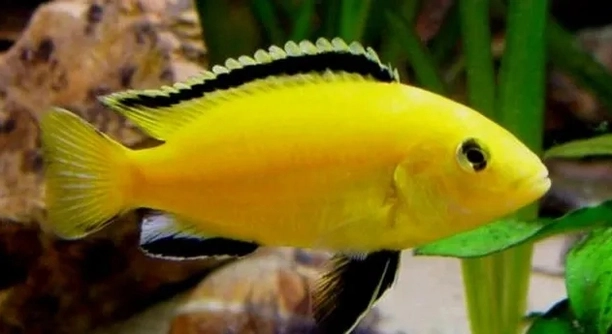
Are your electric yellow cichlids showing signs of stress or restlessness in the aquarium? These vibrant fish thrive in calm and consistent environments. Lighting plays a key role in promoting their well-being and enhancing their natural colors.
The most effective light patterns for soothing electric yellow cichlids include dimmed daylight simulations, gentle transitions between light intensities, soft blue and white tones, and gradual dawn-to-dusk cycles. Consistent, non-flickering illumination reduces stress and supports normal behavioral patterns.
Implementing these lighting strategies can improve fish health, boost coloration, and create a more harmonious tank environment for your cichlids to flourish.
Soft Dawn Simulation
Soft dawn simulation mimics the gradual increase of light that occurs in nature at sunrise. Starting with very dim light and slowly brightening over an hour can ease your cichlids into their day. Sudden exposure to bright lights can cause stress and erratic swimming. This gentle approach allows them to adjust naturally, promoting calm behavior and reducing the risk of aggression. Electric yellow cichlids are sensitive to abrupt changes, so maintaining consistency in timing is important. Using a programmable LED or dimmable aquarium light ensures the transition is smooth. The colors should remain soft and natural, avoiding overly bright white or intense blue tones. Repeating this pattern daily helps the fish develop a routine, creating a predictable environment. This method also enhances their yellow coloration, making them appear more vibrant without causing strain. By prioritizing gradual light changes, you support both their physical and psychological health in the tank.
Soft dawn simulation provides a predictable start to the day, promoting calmer swimming and healthier social behavior among electric yellow cichlids.
This technique also improves feeding responses, as fish are more active but not stressed. It reduces hiding tendencies and aggression, creating a balanced tank. Over time, their natural colors become more vivid, and overall tank harmony improves. Consistency in light timing ensures a routine the fish can rely on, which is especially important in community tanks. Soft dawn lighting also reduces stress-induced illnesses and supports long-term vitality. Setting up a timer or programmable light system is a simple way to maintain this pattern without daily manual adjustment. By implementing this method, you create an environment that feels natural and supportive for electric yellow cichlids, enhancing both their appearance and behavior. Observing them under these conditions often reveals more playful, confident activity, improving the overall aesthetic and dynamic of the aquarium.
Gentle Twilight Phase
A gentle twilight phase gradually dims lights at the end of the day, signaling your cichlids that night is approaching.
Twilight reduces stress levels, allowing fish to rest properly, and prevents sudden darkness that can trigger erratic movements or aggression. It mirrors natural sunset patterns, helping maintain circadian rhythms. Gradual dimming over 45–60 minutes encourages fish to settle in preferred hiding spots or near substrate, enhancing comfort. This light pattern is particularly beneficial in tanks with multiple fish species, as it decreases confrontations over territory. Using soft red or amber tones during twilight avoids startling bright white light while still providing enough visibility for observing fish behavior. Regular implementation reinforces daily cycles, promoting feeding schedules and overall activity patterns. Twilight lighting also complements dawn simulation, creating a balanced daily rhythm. By adjusting timers and light intensity, you can fine-tune the environment to match the needs of electric yellow cichlids, fostering both health and vibrant coloration in the tank.
Slow Color Transitions
Slow color transitions between blue and white lights create a calming effect for electric yellow cichlids. Rapid color changes can startle them, so gradual shifts over several minutes reduce stress and promote stable behavior in the tank.
Using a programmable LED system, you can alternate between soft blue and white tones to mimic natural variations in sunlight. Gradual transitions prevent sudden flashes of color that may cause disorientation or aggression. These shifts also enhance the visual appeal of your cichlids, making their yellow hues appear brighter against the changing background. Maintaining a slow, steady pace for transitions ensures fish remain comfortable, feeding patterns stay consistent, and social interactions are less competitive. Over time, the fish adapt to this lighting, showing calmer swimming patterns and more stable health indicators.
This method also allows you to observe natural behaviors. As colors shift slowly, cichlids display more relaxed activity, exploring the tank without sudden retreats. Gentle transitions create an environment that supports both mental and physical well-being, improving tank harmony and visual enjoyment.
Consistent Night Lighting
Consistent low-intensity night lighting prevents sudden darkness that may alarm electric yellow cichlids. A dim, steady glow ensures fish rest without stress while still providing subtle visibility.
Night lighting should remain uniform, avoiding flickers or sudden bright spots that can startle fish. Using red or amber LEDs at very low intensity supports circadian rhythms and reduces nighttime activity spikes. Fish settle in preferred areas, promoting health and reducing territorial disputes. Avoid complete darkness in tanks with hiding structures to prevent collisions and injuries. Over time, consistent night lighting improves sleep cycles and reduces stress-induced behaviors.
This approach also helps maintain tank aesthetics. Fish remain visible without artificial brightness, and their colors subtly reflect under dim light. Observing behavior at night becomes possible without interfering with rest periods, supporting long-term well-being. Proper night lighting ensures a stable environment that balances fish comfort and tank presentation.
Pulsing Light Effect
Pulsing light mimics subtle underwater movements, creating a soothing environment for electric yellow cichlids. Gentle, slow pulses help reduce stress and encourage relaxed swimming without overwhelming the tank with rapid changes.
This effect works best with low-intensity LEDs. The gradual pulses provide visual interest and simulate natural water reflections. Fast or irregular pulsing can cause agitation, so maintaining a steady rhythm is important. Over time, cichlids respond with calmer behavior and more consistent feeding patterns, improving overall tank harmony.
Layered Lighting
Layered lighting combines multiple light sources at different intensities and angles. This method highlights fish colors while maintaining shaded areas for comfort. It ensures the tank has depth, helping electric yellow cichlids feel secure and reducing territorial disputes.
Subtle Shadow Play
Subtle shadow play adds gentle contrasts in the tank, creating hiding spots without complete darkness. Shadows simulate natural environments, promoting calmer swimming and reducing stress for electric yellow cichlids.
FAQ
How long should each light pattern last for electric yellow cichlids?
Each light pattern should mimic natural day and night cycles. Dawn and twilight simulations can last 45–60 minutes, while slow color transitions and pulsing effects can continue throughout daylight hours. Night lighting should remain dim but consistent for several hours to maintain proper rest cycles. Using timers ensures patterns are reliable, preventing stress caused by abrupt changes. Consistent durations help the fish develop predictable behaviors, improving feeding, social interaction, and overall well-being. Avoid sudden or irregular shifts, as cichlids are sensitive to inconsistent lighting schedules.
Can I combine multiple light patterns in one tank?
Yes, combining multiple light patterns can create a natural and soothing environment. Dawn simulation, slow color transitions, and subtle shadow play complement each other. Layered lighting and pulsing effects can be integrated during the day to enhance visual appeal and reduce stress. Night lighting should remain separate, low-intensity, and steady. Proper synchronization is key. Using programmable LEDs or timers helps maintain consistent patterns without overwhelming the fish. Combining methods supports calmer behavior, vibrant coloration, and stable social dynamics. Gradual changes between patterns prevent startling the cichlids.
Are specific colors better for soothing electric yellow cichlids?
Soft blue and white tones are ideal during the day, while red or amber works best for night lighting. Bright or harsh colors can induce stress and erratic swimming. Gentle transitions between tones mimic natural sunlight and enhance yellow hues without creating discomfort. Avoid rapidly changing colors or high-intensity lights. Using programmable systems allows smooth blending and prevents abrupt exposure. These color choices maintain natural circadian rhythms and promote calm activity. Consistent, subdued tones encourage exploration, feeding, and interaction while reducing hiding and aggression among tank mates.
Do these light patterns affect feeding habits?
Yes, stable lighting encourages regular feeding behavior. Dawn simulation primes fish for activity, making them more responsive during feeding times. Gentle transitions and pulsing effects maintain calm conditions, preventing stress-related feeding avoidance. Night lighting ensures a proper rest period, which indirectly supports appetite during the day. Irregular or overly intense lighting can disrupt feeding cycles and lead to aggression over food. Following consistent patterns helps fish anticipate meals and reduces competition. Proper lighting improves digestion, growth, and overall health while supporting natural behavior in electric yellow cichlids.
Will these lighting methods help reduce aggression in a community tank?
Calm, consistent lighting reduces stress-induced aggression. Sudden brightness or irregular patterns can trigger territorial disputes. Dawn, twilight, and slow transitions create a predictable environment that supports social harmony. Shadows and layered lighting provide visual barriers and hiding spaces, lowering conflict. Night lighting maintains rest without startling the fish. By carefully controlling intensity and duration, cichlids display calmer swimming patterns and less aggressive encounters. A well-lit and thoughtfully arranged tank promotes balance among fish, improving both appearance and behavior. Gradual, steady lighting is key to minimizing stress-related aggression.
How often should I adjust light intensity or patterns?
Adjustments should be minimal once a routine is established. Light intensity and patterns should mimic natural cycles without frequent changes. Occasional tweaks for seasonal variations or tank upgrades are acceptable, but abrupt shifts should be avoided. Consistency ensures fish adapt to the environment, reducing stress and promoting healthy social interactions. Using timers and programmable lights minimizes the need for manual changes. Small, gradual adjustments are safer and support long-term stability. Regular observation of behavior helps determine whether minor modifications are beneficial or unnecessary.
Can these lighting strategies improve coloration?
Yes, consistent and gentle lighting enhances natural yellow hues. Slow color transitions, layered lighting, and soft blue-white tones make pigmentation appear brighter and more vibrant. Red or amber night lighting does not affect coloration but supports rest. Maintaining calm conditions prevents stress-induced dulling of colors. Overly bright or inconsistent lighting can cause fading or behavioral issues. Properly applied, these strategies not only improve visual appeal but also reinforce healthy activity, feeding, and social behaviors, making electric yellow cichlids more visually striking and active.
Is it necessary to use timers for these light patterns?
Timers are highly recommended. They ensure consistency in dawn, twilight, transitions, and night lighting, preventing abrupt changes that may stress the fish. Programmable LEDs simplify maintaining multiple patterns, reducing manual intervention. Timers help establish routine behavior, improve feeding schedules, and promote overall health. Without timers, human error can create inconsistent cycles, which may disrupt activity, social interactions, and coloration. Using timers guarantees reliable patterns, supporting long-term well-being and a visually appealing aquarium environment.
What equipment works best for these lighting effects?
Programmable LED lights are ideal, allowing control over intensity, color, and duration. Dimmable units enable smooth dawn and twilight simulations, while multiple zones support layered lighting and subtle shadow effects. Timers ensure regularity, and color-mixing LEDs facilitate slow transitions and pulsing effects. Avoid non-adjustable or flickering lights, as they can stress fish. Properly installed equipment allows consistent, gentle illumination, enhancing both the aesthetic and environmental quality of the tank. Investing in quality lighting promotes calm behavior, improved coloration, and healthier electric yellow cichlids overall.
Can these patterns be adapted for other cichlid species?
Yes, similar principles apply to other sensitive cichlids. Gradual dawn and twilight simulations, slow color transitions, and low-intensity night lighting benefit species that prefer stable environments. Adjust intensity and color according to specific species requirements, as some may tolerate brighter or slightly different tones. Consistency and gradual changes remain key. Layered lighting and subtle shadows also help reduce stress and aggression in community tanks with mixed cichlids. By observing behavior and adapting patterns, multiple species can thrive under a controlled lighting regimen that supports health, natural behavior, and coloration.
Final Thoughts
Maintaining a stable and soothing environment for electric yellow cichlids is essential for their health and behavior. Lighting plays a major role in creating this environment, influencing activity levels, coloration, and stress. Gradual light transitions, dawn and twilight simulations, and dim night lighting all contribute to a calm and predictable tank. Electric yellow cichlids are sensitive to sudden changes in brightness or color, and abrupt lighting can trigger stress responses such as rapid swimming, hiding, or aggression. Implementing consistent patterns allows fish to develop a sense of routine, which helps regulate feeding behavior and social interactions. When the lighting is predictable, cichlids are more relaxed, showing natural swimming and feeding behaviors that indicate good health.
Soft and carefully managed light patterns also enhance the visual appeal of electric yellow cichlids. Slow color transitions between soft blue and white tones emphasize their natural yellow pigmentation without creating strain. Layered lighting and subtle shadow effects provide depth in the tank while creating hiding spots, which reduce tension and territorial disputes. Pulsing lights that simulate water movement can be introduced cautiously, adding visual interest while maintaining a calm environment. Even night lighting contributes to overall well-being by providing low-intensity illumination that prevents sudden darkness, allowing cichlids to rest without stress. All these factors together not only improve behavior but also help the fish display more vibrant coloration, making the aquarium both visually appealing and conducive to health.
Consistency and careful observation are key to success when applying these lighting techniques. Using timers and programmable LED systems ensures that dawn, twilight, and daytime light patterns occur at the same time every day. Regularly monitoring fish behavior helps determine whether adjustments to intensity, color, or duration are necessary. Gradual changes are always better than sudden alterations, as fish respond positively to a steady, predictable environment. By investing in proper lighting and maintaining consistent patterns, owners can support both the physical and psychological well-being of their electric yellow cichlids. Over time, the combination of calm lighting, subtle color enhancements, and routine creates a balanced aquarium where fish thrive, display natural behaviors, and maintain vibrant coloration, ultimately contributing to a healthier and more enjoyable aquatic habitat.

Hello,
If you enjoy the content that we create, please consider saying a "Thank You!" by leaving a tip.
Every little bit helps us continue crafting quality advice that supports the health, happiness, and well-being of pets around the world, for pets of all shapes, sizes, and species.
We really appreciate the kindness and support that you show us!