
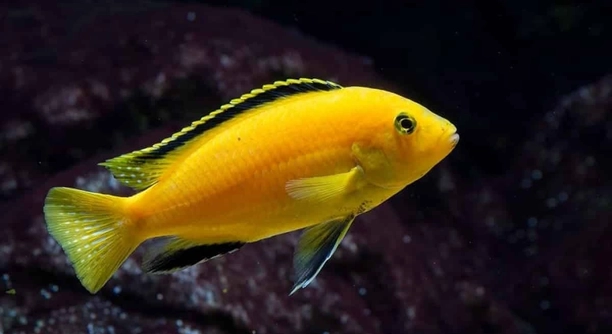
Caring for fish can be rewarding, but sometimes their fins do not regrow as expected. Many aquarists face this issue and seek simple ways to improve fin health while maintaining a stable tank environment.
Fin regrowth in fish is heavily influenced by tank conditions such as water quality, temperature, filtration, nutrition, and stress levels. Maintaining optimal parameters reduces infection risk and supports natural healing processes, ensuring fins recover effectively and consistently.
Recognizing the key tank factors affecting fin regrowth helps you create a healthier environment. These adjustments can prevent future damage and promote stronger, more resilient fins over time.
Water Quality and Clarity
Keeping water clean is essential for fin regrowth. Dirty water contains bacteria, ammonia, and nitrites that can damage fins and slow healing. Regular water changes help remove waste and toxins. Using a reliable filter and testing water parameters frequently ensures a stable environment. Fish exposed to poor water conditions often develop torn or frayed fins. Maintaining a balanced pH and temperature also reduces stress, which supports regeneration. Avoid overfeeding, as leftover food can quickly pollute the tank. Monitoring water hardness and ensuring low nitrate levels contribute to healthier, stronger fins. Soft or slightly acidic water is suitable for most freshwater species, while others may need specific conditions. Observing fish daily allows early detection of fin damage or fungal growth. Implementing these practices consistently encourages faster regrowth and reduces recurring problems. Small adjustments in filtration, cleaning schedule, and water chemistry can make a noticeable difference over time, promoting overall fish vitality and tank harmony.
Regular water testing prevents unnoticed issues that could hinder fin healing. Clear, balanced water creates a safer environment for recovery.
Consistent water maintenance not only prevents infections but also supports your fish’s natural immune system. By monitoring ammonia, nitrites, and nitrates, you ensure the tank remains stable. Clean water reduces stress and promotes normal swimming behavior, which is essential for proper fin use. A well-maintained tank also decreases the risk of secondary damage from other fish or rough surfaces. Using gentle filtration avoids strong currents that could tear delicate fins. Even small tanks benefit from partial water changes every week, keeping toxins low. Observing clarity, odor, and sediment levels helps identify problems early. Investing time in water quality creates a strong foundation for healthy fin regrowth and long-term fish well-being.
Temperature and Heating
Stable water temperature is crucial for fin repair and overall fish health. Sudden fluctuations can stress fish and slow regeneration.
Maintaining species-appropriate temperatures supports metabolic processes and accelerates tissue recovery. Consistency is key for long-term fin health.
Temperature influences oxygen levels and metabolism, directly affecting fin regrowth. Fish in slightly warmer water within their safe range tend to heal faster, as cellular processes work more efficiently. Extreme temperatures, whether too high or too low, can suppress immunity and increase vulnerability to infections. Using a reliable heater with a thermostat prevents sudden shifts, while a thermometer ensures accurate monitoring. Avoid placing tanks near windows, vents, or drafts, as these can cause fluctuations. Even minor daily variations can accumulate stress over time. When adjusting temperature, make changes gradually to prevent shock. Observing fish behavior, such as lethargy or rapid gill movement, can indicate temperature-related stress. Maintaining a steady, optimal range encourages faster fin regeneration and contributes to overall vitality. Consistent heat also helps maintain beneficial bacteria in the filter, supporting a healthy tank ecosystem and reducing complications from poor water conditions.
Filtration and Flow
A properly sized filter keeps water clean and reduces harmful bacteria. Gentle flow is important, as strong currents can damage delicate fins and slow recovery.
Filtration helps remove debris, uneaten food, and chemical buildup that can stress fish and hinder healing. Using a sponge or mechanical filter can trap particles without creating strong currents. Biological filtration supports beneficial bacteria that break down waste, keeping ammonia and nitrite levels low. Ensuring the filter is appropriate for tank size prevents overworking or underperforming, which can affect water quality. Cleaning filter media carefully preserves bacteria while maintaining efficiency. Observation is key: fish struggling against strong currents or hiding frequently may indicate excessive flow or poor placement. A steady, gentle flow promotes fin movement and encourages natural swimming patterns, aiding tissue regeneration. Proper filtration combined with minimal disturbance creates an environment where fins can regrow more consistently and resist further damage.
Using a combination of mechanical and biological filtration ensures a stable and healthy tank. This balance supports fin repair effectively.
Proper filter placement and routine maintenance reduce debris accumulation. Avoiding turbulence prevents fins from tearing while supporting healthy swimming behavior.
Nutrition and Diet
A balanced diet directly affects fin regrowth. High-quality protein and vitamins support tissue repair and overall health, ensuring fins regenerate stronger.
Including live or frozen foods like brine shrimp, daphnia, and bloodworms adds essential nutrients that stimulate growth. Flakes or pellets fortified with vitamins help fill dietary gaps and maintain vibrant colors. Overfeeding should be avoided, as uneaten food can pollute water and create additional stress. Supplementing with vitamins such as vitamin C and D aids collagen production and cellular repair, which are critical for damaged fins. Rotating food types prevents nutritional deficiencies and supports overall immune function. Even minor dietary improvements can speed up healing and prevent recurring fin issues. Monitoring fish appetite and adjusting portions ensures they receive adequate nutrition without compromising water quality. A nutrient-rich diet creates a foundation for healthier, more resilient fins and reduces vulnerability to infection or splitting.
Proper feeding schedules combined with varied diet choices promote consistent growth. Avoiding overfeeding maintains water quality and overall tank health.
Stress and Aggression
Stress can slow fin regrowth and make fish more prone to infections. Aggressive tank mates or frequent disturbances increase tension, affecting healing.
Providing hiding spots and limiting overcrowding reduces stress. Calm, stable conditions allow fins to repair without interference from dominant or nippy fish.
Lighting and Day-Night Cycles
Consistent lighting helps regulate fish behavior and supports overall health. Too much or too little light can stress fish and slow fin recovery.
Maintaining a regular day-night cycle mimics natural conditions, promoting activity during the day and rest at night. Using a timer ensures consistency, preventing sudden changes that can cause anxiety. Balanced lighting also supports plant growth if present, which improves water quality and provides natural cover. Avoid placing the tank in direct sunlight, as it can create temperature fluctuations and excessive algae growth, both of which negatively impact fin regrowth. Proper lighting encourages healthy swimming patterns, reduces stress, and supports tissue repair over time, contributing to stronger, fully regenerated fins.
Tank Size and Space
Adequate space is necessary for fin healing. Crowded tanks increase stress and the risk of fins being damaged by other fish.
FAQ
How long does it take for fins to regrow?
Fin regrowth varies depending on the species, age, and overall health of the fish. Generally, small tears or minor damage can begin to heal within one to two weeks. More severe fin loss may require several weeks to months for complete regeneration. Consistent water quality, proper diet, and minimal stress are key factors in supporting faster recovery. Avoiding aggressive tank mates and maintaining stable conditions further encourages healthy fin regrowth. Observing the rate of growth and any signs of infection can help determine whether adjustments to tank care are necessary.
Can fins fully regrow after severe damage?
Yes, most fins can fully regenerate if the fish is healthy and environmental conditions are favorable. Severe damage, such as almost complete fin loss, may take longer and require careful attention to water quality, diet, and stress reduction. Some fish may experience minor deformities or uneven edges after regrowth, but overall functionality is usually restored. Prompt treatment of infections or fin rot is essential to prevent permanent damage. Regular monitoring, consistent tank maintenance, and nutrient-rich food improve the chances of full recovery. Supporting immune health through vitamins can also enhance regrowth success.
Does water temperature affect fin healing?
Water temperature plays a significant role in metabolism and tissue repair. Fish kept within their optimal temperature range heal faster and are less prone to infections. Sudden fluctuations or prolonged exposure to unsuitable temperatures can stress fish, slowing regeneration and increasing susceptibility to fin rot. Using a reliable heater with a thermostat ensures stability, while avoiding drafts or direct sunlight prevents sudden shifts. Observing fish behavior can help identify temperature-related stress. Gradual adjustments to water temperature are safer than sudden changes, especially for sensitive or tropical species. Stable warmth supports cellular processes critical for fin regrowth.
How often should I change water during fin regrowth?
Frequent water changes help remove toxins, waste, and uneaten food that can hinder healing. A partial water change of 20-30% weekly is generally effective for maintaining stable water conditions. More frequent changes may be necessary in smaller tanks or heavily stocked aquariums. Always use dechlorinated water and match temperature and pH to the tank to reduce stress. Monitoring ammonia, nitrites, and nitrates ensures that water chemistry remains safe. Clean water reduces the risk of infection and supports natural tissue repair. Regular water changes are one of the most important steps in creating a healthy environment for fin regrowth.
Can diet alone fix fin damage?
While proper nutrition is crucial, diet alone cannot repair damaged fins if tank conditions are poor. High-quality protein, vitamins, and occasional live or frozen foods support tissue regeneration. However, stress, poor water quality, or aggressive tank mates can hinder healing. A combination of clean water, gentle flow, consistent temperature, and nutrient-rich food creates the best environment for fins to recover fully. Feeding small, frequent meals ensures adequate intake without polluting the tank. Adding vitamin supplements when necessary promotes collagen production and faster tissue repair. Overall, diet is one part of a broader care strategy for fin regrowth.
What are signs of infection during fin regrowth?
Signs of infection include frayed edges, white or cloudy patches, redness, swelling, or changes in swimming behavior. Fish may isolate themselves or show lethargy when infected. Prompt intervention is critical to prevent further damage and support regrowth. Maintaining clean water, minimizing stress, and using appropriate treatments for bacterial or fungal infections are essential. Observing fins closely during the healing period helps catch problems early. Early treatment increases the chances of complete recovery and prevents long-term fin deformities. Consistent care and attention to tank conditions reduce the likelihood of infection recurring.
Can tank mates affect fin regrowth?
Yes, aggressive or nippy tank mates can tear fins and delay healing. Even non-aggressive species may stress a recovering fish if the tank is overcrowded. Providing hiding spots, adequate space, and monitoring behavior helps reduce fin damage. Separating fish temporarily during severe injury can allow safer healing. Choosing compatible species and avoiding fin-nipping varieties supports long-term fin health. A peaceful environment, combined with clean water and proper nutrition, is essential for optimal regrowth. Observing interactions regularly ensures injured fins are protected while promoting normal swimming and activity.
Is fin regrowth different for each species?
Yes, regrowth rates and patterns vary by species. Some tropical fish regenerate fins quickly, while coldwater species may heal more slowly. Fin shape, size, and complexity also affect the process. Understanding species-specific needs for temperature, diet, and water chemistry helps optimize recovery. Adjustments to care should reflect these differences to support faster healing. Observing natural behaviors and growth patterns ensures that regrowth is progressing normally. Tailoring tank conditions to the species improves success rates and reduces the risk of complications. Each species responds differently, so care plans should be individualized.
Can stress prevent fins from regrowing?
Stress is a major factor that slows fin regeneration. Overcrowding, aggressive tank mates, sudden environmental changes, or poor water quality can all contribute. Reducing stress through proper tank setup, hiding spots, consistent temperature, and gentle handling encourages tissue repair. A calm environment supports immune function and natural healing processes. Minimizing disturbances and maintaining routine care prevent setbacks. Stress management is as important as diet and water quality for successful fin regrowth. Observing fish behavior helps identify sources of stress early, allowing adjustments before recovery is compromised.
Should I use medications to speed up fin regrowth?
Medications are not always necessary unless there is infection or fin rot. Using antibacterial or antifungal treatments can prevent further tissue loss. Overuse can harm beneficial bacteria and disrupt tank balance. Focus on water quality, diet, and stress reduction first. Medications should be applied carefully, following dosage instructions and tank requirements. Observation during treatment ensures effectiveness and safety. Combining treatments with environmental improvements enhances healing while preventing recurring damage. Only use medications when clearly needed, as the fish’s natural regeneration is often sufficient in a healthy, stable tank environment.
Final Thoughts
Maintaining healthy fins requires consistent care and attention to the tank environment. Many factors contribute to fin regrowth, including water quality, temperature, diet, filtration, lighting, and stress levels. Each of these elements interacts to create conditions that either support healing or slow it down. Clean water is particularly important, as even small amounts of ammonia or nitrites can damage delicate fin tissue. Regular water testing, partial changes, and proper filtration help remove harmful substances while keeping beneficial bacteria intact. By focusing on maintaining stable and safe conditions, fish are able to heal more efficiently and maintain stronger, more resilient fins over time.
Diet plays an equally significant role in supporting fin recovery. Providing high-quality proteins, vitamins, and occasional live or frozen foods ensures that fish receive the nutrients necessary for tissue repair and regeneration. A balanced diet supports collagen production and strengthens the immune system, helping fish resist infections during the healing process. Overfeeding should be avoided, as leftover food can pollute the water and create additional stress. Rotating foods and incorporating supplements when necessary helps address nutritional gaps and encourages steady growth. Even minor improvements in feeding routines can have a noticeable impact on fin health, allowing fins to regrow evenly and regain their natural shape and function.
Stress management is another critical factor that directly affects fin regrowth. Aggressive tank mates, overcrowding, sudden changes in temperature, and inconsistent lighting can all cause stress, which slows healing and increases the risk of infection. Providing hiding spots, maintaining a calm environment, and ensuring species compatibility helps reduce tension and supports natural behavior. Observing fish daily allows early detection of problems, whether it is fin damage, unusual swimming patterns, or changes in appetite. By combining consistent care, proper nutrition, clean water, and a low-stress environment, fish are more likely to recover fully and maintain healthy fins. Focusing on these key aspects ensures not only successful fin regrowth but also long-term vitality and well-being for the fish in the tank.

Hello,
If you enjoy the content that we create, please consider saying a "Thank You!" by leaving a tip.
Every little bit helps us continue crafting quality advice that supports the health, happiness, and well-being of pets around the world, for pets of all shapes, sizes, and species.
We really appreciate the kindness and support that you show us!