
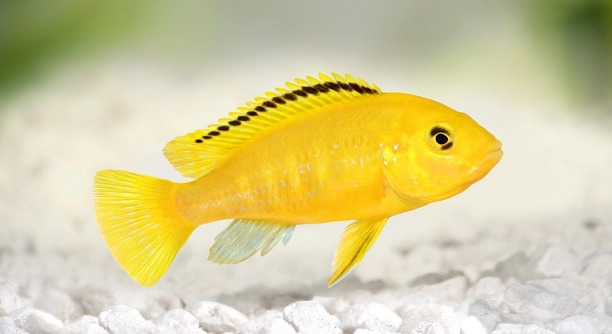
Cichlids are colorful, lively fish that respond to changes in their environment quickly. Many hobbyists want to create a tank that encourages natural behavior and promotes the overall health of their fish.
Certain tank upgrades, such as improved filtration, strategically placed hiding spots, varied substrate, appropriate lighting, and enhanced water flow, can immediately influence cichlid activity, reduce stress, and encourage natural territorial and social behaviors in a measurable way.
These small adjustments can make a noticeable difference, transforming an ordinary aquarium into a more engaging and comfortable space for your cichlids.
Improved Filtration
Upgrading the filtration system in your cichlid tank can have a noticeable effect almost immediately. Strong, efficient filters remove debris, uneaten food, and waste more effectively, keeping the water clearer and healthier. Clear water reduces stress in cichlids and allows them to display their natural colors and behaviors. Many basic filters work well for small tanks, but larger setups benefit from canister filters or hang-on-back units with higher flow rates. Proper filtration also helps maintain stable water parameters, which is crucial for sensitive cichlids. Over time, good filtration reduces the frequency of water changes and maintenance, making tank care more manageable. Some filters also provide gentle aeration, enhancing oxygen levels and supporting overall fish health. By choosing the right filter for your tank size and fish load, you set the stage for a more active and vibrant aquarium where cichlids feel secure and stimulated.
A strong filtration system improves water quality, reduces stress, and encourages natural behavior patterns in cichlids efficiently and consistently.
When choosing a new filter, consider the size of your tank and the specific needs of your cichlids. Some species prefer gentle currents, while others thrive in stronger flows. Positioning the filter strategically can also create beneficial water movement and circulation. A well-filtered tank promotes a stable environment, reducing sudden fluctuations that can upset the fish. Over time, you’ll notice cichlids exploring more actively, feeding confidently, and showing brighter colors. Maintenance is simpler as less debris accumulates in the tank, and your aquarium looks cleaner overall. Investing in proper filtration is one of the simplest ways to enhance both the appearance of your tank and the well-being of your fish, making it a change that truly pays off.
Strategic Hiding Spots
Providing cichlids with places to hide instantly affects their behavior and comfort level. Rocks, caves, and driftwood create secure areas that reduce stress and encourage natural territorial instincts.
Adding hiding spots gives cichlids defined areas to explore and claim, promoting a more balanced social environment.
Cichlids are territorial by nature, and without appropriate shelter, aggression can increase. Hiding spots act as visual barriers, allowing fish to establish boundaries without constant confrontation. Dense rock formations or stacked slate provide both protection and climbing surfaces, while artificial caves or ceramic decorations can mimic natural habitats. Position these structures thoughtfully to create multiple territories and reduce overcrowding in any single area. Smaller fish can retreat safely, while larger, dominant fish can patrol their chosen zone. The presence of hiding spots also encourages breeding behavior, as cichlids often select secluded areas for laying eggs. By arranging these shelters in varied locations, you create an engaging and dynamic tank environment that keeps fish active, confident, and less stressed.
Varied Substrate
Using a mix of sand, gravel, and small rocks can immediately change how cichlids interact with the tank. Different textures encourage digging, foraging, and natural exploration behaviors, keeping fish active and stimulated.
Cichlids often sift through substrate to find food or create territories. Providing a variety allows them to express these instincts naturally. Sand is soft on delicate mouths and fins, while gravel offers structure for roots and decoration. Mixing these materials creates a more dynamic environment that supports digging, burrowing, and nesting. Substrate variety also helps beneficial bacteria colonize more effectively, improving overall water quality. By observing your cichlids, you may notice them exploring different areas, rearranging rocks, or creating small pits. This interaction with the substrate adds depth to their daily activity, promoting mental stimulation and reducing boredom. A thoughtfully arranged bottom layer contributes to both aesthetic appeal and fish well-being, making your tank feel alive and interactive.
Offering varied substrate enhances tank aesthetics and encourages natural digging, foraging, and territorial behaviors that cichlids respond to immediately.
Appropriate Lighting
Adjusting lighting conditions impacts cichlid activity quickly. Brighter light can enhance colors, while softer lighting reduces stress and mimics natural habitats.
Cichlids are sensitive to light intensity and duration. Providing a balanced schedule of bright and dim periods helps regulate their activity and feeding patterns. LED lighting allows fine-tuning of spectrum and intensity, supporting plant growth and highlighting fish coloration without causing unnecessary stress. Avoid harsh, constant lighting, which can trigger aggression or hiding behaviors. Observing your fish under different lighting helps identify what works best for their species. Some cichlids prefer shaded areas created by floating plants or decorations, while others thrive in open, well-lit zones. Consistent lighting patterns also stabilize their internal clocks, making them more active during the day and resting at night. Proper lighting contributes to a healthier, visually striking aquarium that responds to the natural rhythms of its inhabitants.
Enhanced Water Flow
Cichlids respond quickly to changes in water movement. Increased circulation can stimulate activity, improve oxygenation, and help maintain consistent temperature throughout the tank.
Using powerheads or adjusting filter outlets can create gentle currents that mimic natural habitats, encouraging swimming and exploration while preventing stagnant areas.
Live Plants
Live plants provide immediate benefits for cichlids. They create hiding spaces, improve water quality, and offer surfaces for grazing and territorial marking. A mix of tall, floating, and rooted plants enhances the tank’s complexity, encouraging natural behavior.
Consistent Temperature
Maintaining stable water temperature helps cichlids stay healthy and active. Sudden changes can stress fish and reduce their activity levels.
FAQ
How often should I change the water in my cichlid tank?
Water changes are essential for maintaining stable water conditions. For most cichlid tanks, changing 20-30% of the water weekly is ideal. This helps remove excess nutrients, waste, and toxins that can stress fish. Frequent partial water changes are better than infrequent large changes, as they minimize sudden shifts in water chemistry.
What type of filter is best for cichlids?
Canister filters are often preferred for larger tanks because they provide strong mechanical, chemical, and biological filtration. Hang-on-back filters can work well for smaller setups. The key is to match filter capacity to tank size and fish load while ensuring proper water flow without stressing the fish.
Do cichlids need hiding spots?
Yes, hiding spots reduce stress and encourage natural territorial behaviors. Rocks, caves, driftwood, and dense plant arrangements offer security. Multiple hiding spots are recommended, especially in community tanks, to prevent aggression and provide fish with private areas to rest or explore.
Can substrate affect cichlid behavior?
Absolutely. Cichlids enjoy digging and rearranging substrate. Soft sand is gentle on their mouths, while gravel and rocks provide structure. A varied substrate encourages natural behaviors like foraging and nesting, keeping fish active and mentally stimulated.
How important is lighting for cichlids?
Lighting influences color display, feeding, and activity. Moderate, consistent lighting is ideal. Bright light can enhance colors, while softer periods help reduce stress. LED lighting is a good option because it allows control over intensity and spectrum, benefiting both plants and fish.
Do live plants help cichlids?
Live plants offer shelter, reduce stress, and improve water quality by absorbing excess nutrients. They also provide surfaces for territorial marking and grazing. Different types, like floating, tall, and rooted plants, increase tank complexity and encourage natural behaviors.
What temperature should cichlids be kept at?
Most cichlids thrive in 24–28°C (75–82°F). Stable temperatures are crucial, as sudden drops or spikes can stress fish, reduce activity, and increase susceptibility to disease. Using a reliable heater with a thermostat ensures consistent conditions.
How do I reduce aggression in a cichlid tank?
Providing multiple hiding spots, varied substrate, and proper tank size helps minimize aggression. Keeping compatible species together and monitoring fish behavior can also prevent conflicts. Avoid overcrowding, and ensure dominant fish do not monopolize space or resources.
What is the best way to feed cichlids?
Offer a balanced diet with high-quality pellets, supplemented with frozen or live foods. Feed small amounts 1–2 times daily, ensuring all fish get access. Avoid overfeeding, as leftover food can degrade water quality and stress the fish.
How do I know if my cichlids are healthy?
Healthy cichlids are active, display vibrant colors, and interact with their environment. They should eat regularly and show normal swimming and territorial behavior. Watch for signs of stress, such as hiding constantly, clamped fins, or loss of appetite, and address water quality or dietary issues promptly.
Can water flow affect cichlid behavior?
Yes, gentle currents encourage swimming and exploration while improving oxygenation. Some species prefer stronger flow, while others thrive in calmer areas. Position filters and powerheads to create varied zones that allow fish to choose preferred conditions.
Is tank size important for cichlids?
Absolutely. Adequate space reduces stress and aggression. Small tanks can lead to territorial disputes and stunted growth. Research species-specific space requirements and avoid overcrowding to promote natural behavior and long-term health.
How do I acclimate new cichlids to my tank?
Float the sealed bag in the tank for 15–20 minutes to match temperature. Gradually add small amounts of tank water to the bag over 30–60 minutes. Then, gently release the fish into the tank to reduce stress and prevent shock.
What common mistakes should I avoid with cichlids?
Avoid sudden water changes, overcrowding, inadequate hiding spots, improper diet, and inconsistent lighting or temperature. Regular maintenance, proper tank setup, and careful observation are key to a healthy, responsive cichlid tank.
How do I encourage breeding behavior in cichlids?
Provide secluded areas with caves or rock formations. Maintain stable water conditions and a high-quality diet. Some species may respond to slightly warmer temperatures or increased food availability. Ensuring low stress and secure territories helps trigger natural spawning behavior.
Can tank decorations affect cichlid behavior?
Yes, decorations like rocks, caves, and driftwood create territories and reduce aggression. They also provide surfaces for exploration, nesting, and hiding. Thoughtful arrangement of decorations improves fish activity, confidence, and overall tank dynamics.
How do I prevent algae growth in a cichlid tank?
Regular water changes, proper lighting duration, balanced feeding, and live plants help control algae. Avoid excessive nutrients and keep the tank clean. Algae-eating fish or snails can assist, but maintaining stable water conditions is the most effective long-term solution.
Is it necessary to test water regularly?
Yes, monitoring pH, ammonia, nitrite, nitrate, and hardness ensures a healthy environment. Regular testing helps detect issues early, preventing stress, disease, and unexpected behavior changes in cichlids. Accurate readings guide adjustments in filtration, water changes, and tank management.
Can tank mates affect cichlid behavior?
Yes, other species influence aggression, territorial disputes, and stress levels. Choose compatible tank mates with similar size, temperament, and habitat preferences. Avoid overcrowding and provide hiding spots to reduce conflict and encourage natural interactions.
What signs indicate stress in cichlids?
Stress signs include hiding constantly, loss of appetite, faded color, rapid breathing, or erratic swimming. Poor water quality, sudden environmental changes, or aggression from tank mates are common causes. Addressing these issues quickly helps restore activity and overall health.
How can I maintain water stability over time?
Use a reliable filtration system, perform regular partial water changes, and monitor temperature and pH. Avoid adding too many new fish at once, and carefully manage feeding to prevent nutrient spikes. Consistency supports healthy, active cichlids.
Are decorations necessary for cichlids?
Decorations are important for mental stimulation, territory formation, and hiding. Rocks, caves, driftwood, and plants allow fish to express natural behaviors, explore, and feel secure, improving both activity levels and overall well-being.
What should I do if a cichlid becomes aggressive?
Provide additional hiding spots and visual barriers. Evaluate tank size and consider rearranging decorations to reduce territorial conflicts. Isolate severely aggressive fish if necessary. Ensuring proper environmental conditions and balanced species selection helps minimize ongoing aggression.
Can diet influence behavior?
Yes, a balanced diet supports energy, growth, and natural behaviors. High-quality pellets, live or frozen foods, and occasional plant matter encourage activity, foraging, and breeding instincts. Poor nutrition can lead to lethargy, stress, and increased aggression.
How do I manage multiple cichlid species in one tank?
Ensure adequate space, hiding spots, and compatible temperaments. Monitor behavior closely, separating fish if aggression becomes extreme. Structured territories and balanced feeding reduce conflict and encourage peaceful coexistence.
Is water hardness important for cichlids?
Yes, many cichlid species require specific hardness levels to thrive. Stable hardness supports biological functions, breeding, and stress reduction. Adjusting water chemistry carefully ensures optimal health and responsiveness.
How can I make my cichlid tank more engaging?
Use varied substrate, hiding spots, live plants, and gentle currents. Rotate decorations occasionally and maintain stable water conditions. This setup encourages exploration, natural behaviors, and a healthier, more active tank environment.
Do cichlids recognize owners or respond to interaction?
Yes, many cichlids can learn feeding routines and respond to presence. They may follow movement near the tank or become more active when food is offered, demonstrating awareness and interaction without stress.
What is the best way to introduce new decorations?
Clean and rinse all decorations thoroughly before placing them in the tank. Introduce them gradually to avoid shocking fish, and arrange them to create new territories or hiding spots that encourage exploration and natural behaviors.
How do I control tank odor?
Regular water changes, proper filtration, and avoiding overfeeding help prevent odors. Clean substrate and decorations as needed, and maintain balanced water parameters to keep the tank fresh and healthy for cichlids.
Can seasonal changes affect cichlid behavior?
Yes, fluctuations in light, temperature, and activity patterns can influence behavior. Consistent lighting and stable water conditions help maintain normal activity levels regardless of external seasonal changes.
How important is tank maintenance for behavior?
Regular cleaning, water changes, and monitoring are crucial. A clean, stable environment reduces stress, prevents disease, and supports natural behavior, keeping cichlids active, healthy, and responsive to their surroundings.
How do I handle sick cichlids?
Isolate affected fish in a quarantine tank to prevent disease spread. Test water parameters, observe symptoms, and treat appropriately with recommended medications. Prompt action preserves the health of both sick and healthy tank mates.
Can water pH affect cichlid behavior?
Yes, extreme or fluctuating pH can stress fish, reduce activity, and trigger aggression. Maintaining species-appropriate pH levels helps ensure normal behavior, feeding, and overall well-being.
Do cichlids need companions?
Many species are social and benefit from tank mates. Appropriate companions reduce loneliness and encourage natural behaviors like schooling, territorial displays, and interactive exploration, provided the species are compatible.
Is aeration necessary for cichlids?
Aeration improves oxygen levels, supporting activity and health. Powerheads, filters, or air stones can create water movement and surface agitation, ensuring fish remain energetic and less stressed in the tank environment.
How do I prevent overfeeding?
Feed small amounts once or twice daily and remove uneaten food promptly. Excess food decays, degrading water quality and encouraging lethargy or aggressive behavior. Careful feeding maintains health and responsiveness in cichlids.
Can tank size changes affect behavior?
Yes, moving cichlids to a larger or smaller tank can alter activity levels, territorial behavior, and stress. Gradual acclimation and proper setup help fish adjust comfortably to new environments.
Do cichlids need regular monitoring?
Yes, observing fish daily allows early detection of stress, aggression, disease, or environmental issues. Consistent monitoring ensures quick interventions, promoting a stable, healthy, and active tank.
How can I enhance color in cichlids?
Proper nutrition, stable water conditions, and appropriate lighting enhance natural colors. Live plants and varied substrates also provide contrast, making vibrant hues more visible while supporting overall well-being.
Can rearranging the tank affect behavior?
Yes, new layouts can reduce territorial disputes and encourage exploration. Gradual rearrangement with careful placement of hiding spots and decorations stimulates natural behaviors without causing stress.
How do I prevent stress in cichlids?
Maintain stable water parameters, provide hiding spots, control aggression, and avoid sudden environmental changes. Balanced diet, consistent lighting, and appropriate tank size help cichlids stay active and healthy.
Are certain cichlid species more sensitive than others?
Yes, some species require very specific water conditions, tank structures, or social arrangements. Researching each species ensures the environment meets their needs, promoting natural behavior and long-term health.
Can substrate cleaning affect fish behavior?
Yes, cleaning should be gentle to avoid disturbing beneficial bacteria. Aggressive cleaning can stress fish, while careful maintenance keeps the substrate healthy and encourages natural foraging and digging behaviors.
What should I do if my cichlids hide constantly?
Check water quality, lighting, and tank setup. Ensure adequate hiding spots and observe for aggressive tank mates. Adjust environmental factors to reduce stress and encourage normal activity.
Do cichlids respond to feeding routines?
Yes, consistent feeding times condition cichlids to anticipate food. They often become more active near feeding, showing responsiveness and familiarity with their environment, which can also reduce stress.
How does water clarity influence behavior?
Clear water improves visibility, reducing stress and encouraging normal exploration, territorial displays, and interaction among tank mates. Poor clarity can increase hiding and inactivity.
Is acclimation necessary for new cichlids?
Yes, gradual acclimation to temperature and water chemistry prevents shock. Slowly introducing new fish helps them adapt, reduces stress, and supports immediate healthy behavior in the tank.
Can cichlids be trained to recognize signals?
Yes, repeated exposure to feeding cues or gentle tapping can condition cichlids to respond. Training builds interaction without causing stress and reinforces natural feeding behavior.
How do I choose compatible tank mates?
Match species by size, temperament, and habitat preference. Avoid highly aggressive or overly passive species together. Adequate space, hiding spots, and balanced social dynamics reduce conflict and support healthy interactions.
Can water additives affect behavior?
Yes, conditioners, salts, or medications can influence stress levels and activity. Use carefully and according to instructions, monitoring fish for any unusual responses.
How often should I test water parameters?
Weekly testing of ammonia, nitrites, nitrates, pH, and hardness is recommended. Frequent monitoring prevents stress, aggression, and disease while maintaining stable conditions for active, healthy cichlids.
Do tank shape and layout matter?
Yes, longer tanks allow better territorial distribution, while vertical tanks can encourage swimming. Thoughtful layout with hiding spots, plants, and substrate promotes exploration, reduces stress, and supports natural behaviors.
Can overstocking affect cichlid behavior?
Yes, overcrowding increases aggression, stress, and territorial disputes. Providing adequate space and managing population density is essential for maintaining active, healthy fish and preventing conflicts.
How can I tell if a cichlid is stressed from water quality?
Signs include hiding, color fading, rapid breathing, or lethargy. Testing for ammonia, nitrite, nitrate, pH, and temperature helps identify issues. Promptly correcting water conditions reduces stress and restores normal activity.
Are certain decorations better for specific species?
Yes, rock-dwelling cichlids benefit from caves and crevices, while plant-loving species thrive with rooted plants. Matching decorations to species encourages natural behaviors, breeding, and overall health.
Can water changes trigger aggression?
Yes, sudden changes can disrupt territories. Performing gradual, partial water changes and maintaining consistent conditions minimizes stress and reduces aggressive behavior.
Do cichlids need enrichment?
Yes, enrichment like varied substrate, plants, hiding spots, and water flow encourages natural behaviors, reduces boredom, and keeps fish active and healthy.
Can feeding schedules influence aggression?
Yes, irregular feeding can increase competition and territorial disputes. Consistent feeding routines promote calm behavior and ensure all fish get adequate nutrition.
What should I do if cichlids fight over territory?
Provide additional hiding spots, visual barriers, and adequate space. Rearrange decorations if needed, and separate aggressive individuals to maintain balance and reduce stress.
Can water temperature swings affect aggression?
Yes, fluctuations can increase stress and territorial behavior. Maintaining stable temperatures supports calm, active, and natural behaviors.
Do cichlids need a specific day-night cycle?
Yes, consistent light and dark periods regulate activity, feeding, and rest. Using timers ensures predictable cycles, reducing stress and encouraging natural behaviors.
How can I tell if a cichlid tank is balanced?
A balanced tank has clear water, active fish, minimal aggression, healthy growth, and consistent feeding responses. Observing behavior and water parameters helps ensure a stable, responsive environment.
Can water hardness and pH be adjusted safely?
Yes, using buffers, minerals, or water mixes can adjust levels gradually. Sudden changes should be avoided to prevent stress and maintain healthy behavior.
Do cichlids interact with each other naturally?
Yes, interactions include schooling, territorial displays, and hierarchical behavior. Proper tank setup and compatible species encourage positive social behaviors while minimizing stress.
How important is quarantine for new fish?
Quarantine prevents disease spread, allows observation, and reduces stress. Monitoring behavior and health in a separate tank ensures safe introduction to the main aquarium.
Can tank vibrations affect cichlid behavior?
Yes, frequent disturbances or vibrations can stress fish. Keeping the tank in a stable, low-traffic area reduces anxiety and promotes normal activity.
Do cichlids need substrate to breed?
Many species use substrate for nesting, digging, and egg-laying. Providing soft sand, gravel, or specialized breeding surfaces supports reproductive behavior and encourages natural instincts.
Can I encourage natural foraging behavior?
Yes, scattering food across the substrate or using feeding puzzles promotes digging, searching, and exploration, keeping cichlids active and mentally engaged.
How do I handle aggression during feeding?
Distribute food evenly, feed smaller amounts, and provide multiple feeding zones. This reduces competition and ensures all fish access food without increased stress.
Are tank decorations purely aesthetic?
No, they play a functional role in providing territories, hiding spots, and stimulation, directly influencing behavior and reducing stress among cichlids.
Can powerheads help cichlid activity?
Yes, gentle water movement encourages swimming, exercise, and exploration while improving oxygenation and circulation, enhancing overall health and activity levels.
Do cichlids respond to noise outside the tank?
Yes, sudden loud sounds or vibrations can startle fish, causing hiding or erratic swimming. Maintaining a calm environment helps fish remain active and stress-free.
Is it better to keep similar species together?
Yes, compatible species reduce conflict and territorial disputes. Understanding temperament, size, and habitat preferences ensures harmonious behavior and natural interactions.
Can temperature adjustments encourage spawning?
Slightly increasing temperature within species-appropriate ranges can trigger breeding behavior, especially when combined with proper hiding spots, diet, and water conditions.
How do I reduce algae without stressing cichlids?
Regular maintenance, live plants, controlled lighting, and balanced feeding help manage algae naturally. Avoid harsh chemical treatments that may harm fish or disrupt behavior.
Do cichlids prefer open or decorated spaces?
They benefit from a mix. Open areas allow swimming and displays, while decorations provide hiding spots and territories. A balanced layout encourages exploration, activity, and natural behaviors.
Can tank rearrangement improve harmony?
Yes, changing decorations and hiding spots can reduce territorial aggression, create new territories, and encourage exploration, promoting calmer, more active behavior among cichlids.
Are certain species more territorial?
Yes, rock-dwelling and larger cichlids tend to be more territorial. Providing adequate space, hiding spots, and compatible tank mates helps manage aggression
Caring for cichlids can be very rewarding when the tank is set up to meet their natural needs. These fish respond quickly to improvements in their environment, and even small changes can have a noticeable impact on their behavior and overall well-being. Upgrading basic elements such as filtration, substrate, lighting, and decorations can make a significant difference. Each adjustment provides benefits that range from reducing stress and aggression to encouraging natural behaviors like digging, exploring, and establishing territories. By paying attention to these details, you create a tank where cichlids feel secure, confident, and active. Their colors become brighter, their swimming patterns more dynamic, and their interactions with one another more natural, which makes observing them far more enjoyable.
Maintaining a stable environment is equally important. Cichlids are sensitive to fluctuations in water temperature, pH, and hardness. Sudden changes can stress them, reduce activity, and even increase aggressive behavior. Using reliable equipment such as heaters, thermometers, and quality filters helps maintain consistent water conditions. Regular partial water changes and monitoring of water parameters also support stability, preventing problems before they arise. Beyond water quality, creating a stimulating environment with varied substrate, live plants, and multiple hiding spots helps cichlids feel safe and engaged. These elements give fish places to explore, claim as territory, or use for resting, which reduces conflict and encourages natural instincts. Simple adjustments, like adding a few more rocks or rearranging decorations, can have an immediate effect on their behavior, making the tank feel more lively and balanced.
Diet and feeding routines play a role as well. Providing a balanced diet with high-quality pellets, frozen or live foods, and occasional plant matter keeps cichlids healthy and energetic. Feeding in multiple spots prevents competition and aggression, ensuring all fish receive adequate nutrition. Combined with proper lighting and water flow, these measures support both physical health and behavioral enrichment. Watching cichlids interact with their environment after these upgrades highlights how responsive they are to their surroundings. Consistent care, attention to detail, and small, thoughtful improvements can turn an ordinary aquarium into a space that encourages natural behaviors, reduces stress, and promotes long-term health. Over time, these changes result in a vibrant, dynamic tank where cichlids thrive, and observing them becomes a more rewarding experience.

Hello,
If you enjoy the content that we create, please consider saying a "Thank You!" by leaving a tip.
Every little bit helps us continue crafting quality advice that supports the health, happiness, and well-being of pets around the world, for pets of all shapes, sizes, and species.
We really appreciate the kindness and support that you show us!