
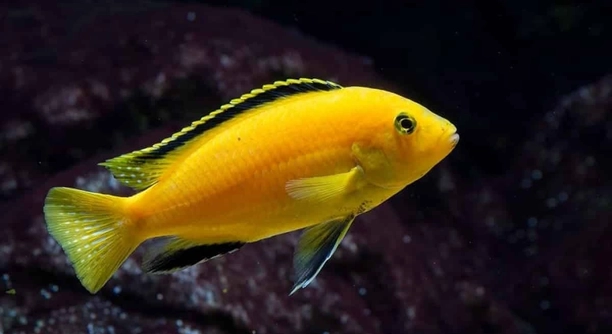
Cichlids are vibrant and social fish that often display complex behaviors in community tanks. Observing them closely can reveal subtle interactions that indicate whether a fish is adjusting to its environment or facing aggression from tank mates.
Recognizing bullying versus shyness in cichlids involves noting patterns of behavior such as persistent chasing, nipping, hiding in corners, or avoiding certain areas. Shy fish may retreat occasionally but continue normal feeding and swimming, whereas bullied fish exhibit chronic stress indicators.
Understanding these signs allows you to create a safer and more balanced aquarium environment for all your fish companions. Proper observation can improve both their well-being and your enjoyment of the tank.
Identifying Signs of Bullying
Bullying in cichlids can be subtle at first, making it hard to distinguish from normal territorial behavior. Persistent chasing, chasing away from food, and constant nipping are clear signs that a fish is being harassed. Bullied fish often hide behind decorations, under rocks, or at the bottom of the tank to escape interaction. You might notice faded colors or clamped fins, which indicate chronic stress. Social dynamics in cichlid tanks can be complex, with certain fish dominating the space and limiting others’ access to resources. Observation over time is essential because a single incident does not always indicate bullying. It’s important to track feeding patterns, swimming routes, and resting spots. A bullied cichlid might avoid popular areas or retreat whenever another fish approaches. In contrast, a shy but healthy fish will explore and feed once it feels safe. Adjusting tank layout and monitoring interactions can reduce aggressive behavior.
Shy fish may hide temporarily but resume normal behavior once they feel secure in their environment.
Keeping a detailed record of interactions can help you identify persistent aggression. Changes in the tank, like adding new decorations or creating separate territories, can alleviate stress. It’s also useful to consider the personality of each fish; some cichlids are naturally more dominant. Balancing the number of males and females, and ensuring there are hiding spots, reduces conflict. Observation and careful adjustments often prevent long-term health problems caused by bullying, improving overall tank harmony.
Understanding Shyness in Cichlids
Shyness is a natural behavior that does not indicate harm.
Shy cichlids often stay near shelters or the edges of the tank, avoiding open areas until they feel secure. Unlike bullied fish, their behavior is not caused by aggression from others. Shy fish may feed normally when not stressed and gradually explore the tank over time. Providing plants, rocks, and hiding spots helps them build confidence. Patience is key, as forcing interaction can increase stress. Consistent feeding schedules and gentle observation allow shy cichlids to adjust naturally. Unlike bullying, which needs intervention, shyness requires support and a calm environment. Observing personality patterns helps in distinguishing between stress-induced hiding and natural cautiousness. Creating a peaceful tank and respecting boundaries allows shy fish to thrive. Over time, they often become more comfortable, showing brighter colors and active swimming once they adapt to their surroundings.
Adjusting Tank Environment
Adding hiding spots reduces stress for both shy and bullied cichlids. Rocks, plants, and caves give fish places to retreat and help establish territories. Adjusting the tank layout can break up dominant territories and limit constant chasing. Small changes can have a big impact on fish behavior.
Observing interactions while rearranging decorations allows you to see which areas are favored or avoided. Moving plants or rocks can create new zones for shy fish to explore without confrontation. Providing vertical and horizontal structures helps distribute fish more evenly and prevents overcrowding in popular spots. Changing the environment gradually avoids sudden stress and encourages confident swimming patterns.
Water quality also influences aggression and stress. Poor conditions increase irritation among fish, making bullying more likely. Maintaining clean water, proper temperature, and adequate filtration supports natural behaviors. Introducing new decorations or shelters slowly allows the fish to acclimate and reduces conflict. Paying attention to these factors ensures a more peaceful tank overall.
Feeding Strategies for Peace
Feeding in multiple locations prevents dominant fish from controlling all resources. Spread food across the tank to reduce competition and stress.
Using sinking pellets and floating flakes together accommodates different species’ preferences and feeding levels. Feeding at consistent times helps fish establish routine and reduces anxiety. Monitoring feeding behavior identifies fish that may be bullied away from food. Separating aggressive feeders temporarily can allow shy or stressed fish to eat undisturbed. Providing a variety of food ensures nutritional balance and prevents dominance-based starvation. Keeping portions moderate avoids waste and maintains water quality.
Feeding strategies also influence social behavior. When food is evenly distributed, dominant fish are less likely to chase others. Adjusting feeding locations over time encourages exploration and reduces territorial tension. Observing fish responses helps refine routines, ensuring that all cichlids have access to nourishment. Regularly assessing how fish interact during feeding can prevent long-term stress and create a calmer, more balanced environment. Predictable feeding patterns support natural behavior and allow shy fish to gain confidence while reducing bullying incidents.
Monitoring Social Dynamics
Keeping track of interactions helps identify patterns of aggression or shyness. Note which fish dominate certain areas and which consistently retreat. Observing daily provides insight into long-term behavior changes.
Recording feeding habits and resting spots allows you to spot subtle signs of stress or avoidance. This data guides adjustments in tank layout and care, helping maintain balance among all cichlids.
Separating Aggressive Individuals
Temporarily isolating aggressive cichlids can prevent bullying from escalating. A separate tank or divider reduces stress for weaker fish and allows dominant individuals to calm down while maintaining overall tank harmony.
Encouraging Confident Behavior
Providing safe spaces and consistent routines supports shy cichlids in becoming more active. Gradually exposing them to open areas encourages natural exploration and improves overall tank interaction.
Long-Term Observation
Continuous monitoring ensures that interventions remain effective. Tracking behavior over weeks helps identify recurring aggression, changes in hierarchy, or improvements in shy fish’s confidence, ensuring a stable community environment.
FAQ
How can I tell if a cichlid is being bullied or just shy?
Bullying usually involves repeated chasing, nipping, or cornering. The bullied fish often hides consistently, loses color, or avoids certain tank areas. Shy fish may retreat occasionally but will eat and explore once they feel safe. Observing patterns over several days is the best way to tell the difference.
What are the common signs of a bullied cichlid?
Persistent hiding, clamped fins, faded coloration, loss of appetite, and irregular swimming are common signs. Bullied fish often avoid dominant tank mates and stay in less desirable areas of the aquarium. Continuous stress can lead to weakened immune systems and long-term health problems if not addressed.
How do I help a shy cichlid feel more comfortable?
Provide plenty of hiding spots like rocks, plants, and caves. Maintain consistent feeding schedules and avoid sudden changes in lighting or tank layout. Gradually allow the fish to explore open areas. Gentle observation without interference encourages confidence. Over time, shy fish often become more active and vibrant.
Can rearranging the tank reduce bullying?
Yes, changing the layout can break up established territories and limit areas for aggressive chasing. Adding vertical and horizontal structures allows fish to spread out, reducing constant confrontation. Rearrange slowly to prevent sudden stress and allow fish to adapt naturally. Observation during and after changes is essential.
Should I separate aggressive fish permanently?
Permanent separation is not always necessary. Temporary isolation during high-stress periods or until bullied fish recover is often sufficient. Use a divider or quarantine tank to give weaker fish space. Long-term separation may be required in extreme cases, especially if aggression persists despite environmental adjustments.
Does feeding strategy affect bullying?
Yes, spreading food across multiple areas prevents dominant fish from controlling resources. Use sinking pellets, floating flakes, or multiple feeding points. Observing which fish are chased away helps you adjust routines. Consistent schedules and varied food types support all fish and reduce conflict during feeding times.
How can I encourage shy cichlids to become more active?
Safe spaces, gentle observation, and gradual exposure to open areas help build confidence. Avoid forcing interaction, and maintain calm water conditions. Over time, shy cichlids begin exploring more freely, showing brighter colors and healthier behavior as they feel secure in their environment.
What role does water quality play in aggression?
Poor water conditions increase stress and can trigger aggressive behavior. Maintaining stable temperature, clean water, and proper filtration supports overall health. Regular water changes and monitoring of pH, ammonia, and nitrate levels help reduce tension, allowing shy fish to feel safer and aggressive fish to behave less violently.
Are certain cichlid species more prone to bullying?
Yes, some species are naturally more territorial and dominant. Larger, more aggressive males often establish territories that weaker or smaller fish avoid. Understanding the temperament of each species in your tank helps prevent bullying and informs how to arrange the environment to minimize stress.
How long should I observe before intervening?
Observe daily for at least one to two weeks to understand behavior patterns. Look for repeated harassment, avoidance, or stress symptoms. Intervene if bullying continues despite environmental adjustments. Patience is key, as short-term hiding or chasing does not always indicate a serious problem.
Can adding more fish help reduce bullying?
Sometimes adding compatible tank mates can distribute aggression, but overcrowding can worsen stress. New fish should be introduced carefully, with adequate hiding spots, and monitoring is essential to ensure balance. Adding fish is not a guaranteed solution and should be combined with other interventions like tank rearrangement or temporary isolation.
How do I maintain a peaceful community tank long-term?
Consistent observation, maintaining hiding spots, balanced feeding, and clean water are crucial. Adjust the tank layout when aggression appears and support shy fish without forcing interaction. Understanding each fish’s behavior and responding thoughtfully helps maintain harmony over time.
Final Thoughts
Caring for cichlids requires attention to their behavior and environment. These fish are social and territorial, which can make it challenging to tell when a fish is shy or being bullied. Observing their daily interactions, swimming patterns, and feeding habits provides the clearest insight into their well-being. Bullied fish tend to hide continuously, avoid certain areas, and show signs of stress like clamped fins or faded colors. Shy fish, on the other hand, may retreat temporarily but gradually explore the tank and feed normally once they feel secure. Understanding these differences is essential for creating a peaceful environment where all cichlids can thrive. Making small changes, such as adding hiding spots or adjusting the layout, often reduces stress and prevents aggression from escalating.
Maintaining a balanced tank involves more than just recognizing signs of bullying. Feeding strategies play a critical role in reducing conflict, as spreading food across multiple areas allows less dominant fish to access resources without being chased away. Regular water maintenance also supports overall health, as poor water quality can increase stress and trigger aggressive behavior. Paying attention to each fish’s personality and social dynamics helps determine the best approach for the community. Sometimes temporary separation of aggressive individuals may be necessary, but creating a supportive and well-structured tank usually allows both shy and dominant fish to coexist peacefully. Over time, shy fish often become more confident, and the tank’s social balance improves naturally.
Long-term observation and consistent care are key to sustaining a healthy cichlid community. Recording behaviors, noting feeding patterns, and monitoring territorial interactions provides valuable information for making adjustments as needed. Encouraging exploration through safe spaces and gradual exposure to open areas helps shy fish gain confidence. Addressing signs of bullying early prevents chronic stress and health issues. Ultimately, a combination of observation, environmental adjustments, and thoughtful feeding practices ensures that each fish can thrive while maintaining a harmonious aquarium. Supporting both shy and dominant fish in this way leads to a balanced and stable tank, creating a satisfying experience for the fish and the caretaker alike.

Hello,
If you enjoy the content that we create, please consider saying a "Thank You!" by leaving a tip.
Every little bit helps us continue crafting quality advice that supports the health, happiness, and well-being of pets around the world, for pets of all shapes, sizes, and species.
We really appreciate the kindness and support that you show us!