
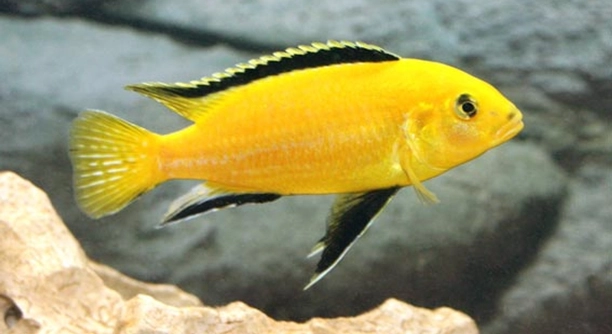
Cichlids are fascinating fish that communicate a lot through their body movements. Observing their gestures can reveal moods, intentions, and even social hierarchies within the tank. Learning to read them improves care and interaction with these vibrant pets.
Cichlid body language offers clear signals about aggression, submission, mating readiness, and stress. Recognizing fin positions, color changes, and swimming patterns allows aquarists to respond appropriately, maintain tank harmony, and promote the overall health and well-being of the fish.
These lessons will help you better understand your cichlids and enhance your experience keeping them. Careful observation can make all interactions more rewarding.
Understanding Aggression Signals
Cichlids often display aggression through raised fins, flared gills, and direct staring. These signs are common during feeding or when defending territory. Observing early warning behaviors helps prevent fights and injuries in the tank. Aggression can increase when space is limited or when introducing new fish. By monitoring these signals, you can separate fish or rearrange decorations to reduce conflicts. Over time, you may notice specific fish that are naturally more dominant. Recognizing patterns in behavior allows for better tank management. Maintaining a balanced environment with hiding spaces, proper tank size, and compatible species reduces stress. Sometimes aggression is temporary, tied to breeding or hierarchy disputes, and can settle naturally. Consistent observation ensures you respond before problems escalate. Recording behaviors and noting triggers can guide adjustments in feeding schedules, tank setup, and social interactions. Understanding these patterns benefits both the cichlids and your overall tank harmony.
Aggression often comes from territorial instincts. Responding promptly maintains safety and tank balance. Avoid prolonged fights and injuries.
Watching aggression closely allows you to learn which areas and interactions trigger conflicts. Adjusting the tank environment ensures a safer space for all fish, preventing stress-related illness and promoting healthier, calmer cichlids.
Recognizing Mating Behaviors
Mating behaviors in cichlids include color intensification, specific fin movements, and paired swimming. These signals indicate readiness to reproduce and bond. Observing these actions helps prepare for potential spawning and ensures proper care for eggs or fry.
Cichlids may exhibit temporary aggression during mating periods. Understanding context prevents misinterpreting behaviors.
During mating, females often clean a flat surface or create pits for egg-laying, while males perform displays and guarding actions. Monitoring these behaviors allows you to protect the spawning site and maintain peace among other tank inhabitants. Overcrowded tanks can disrupt mating rituals, so providing adequate space is essential. Some species form strong pair bonds, staying close and defending territory together, while others spawn in loose colonies. Feeding high-quality food and ensuring water conditions are optimal supports reproductive health. Observing mating behaviors also helps identify dominant and submissive roles, reducing unexpected conflicts. By recognizing these subtle cues, you can create a supportive environment for reproduction while keeping the tank calm and organized. Proper attention during mating periods ensures healthy fry development and reduces stress on adult fish.
Identifying Stress Signals
Cichlids show stress through rapid gill movement, hiding, or loss of color. Stress can arise from poor water quality, overcrowding, or aggressive tank mates. Recognizing these signs early helps prevent illness and improves overall fish well-being.
Prolonged stress weakens the immune system, making cichlids more vulnerable to disease. Stress behaviors include reduced appetite, erratic swimming, and staying at the bottom of the tank. Water quality issues like high ammonia or nitrite levels can intensify these behaviors. Monitoring tank conditions regularly, maintaining proper filtration, and ensuring stable temperature help reduce stress. Overcrowding or frequent rearrangements can also trigger anxious behaviors. Providing hiding spots and consistent routines allows cichlids to feel secure. Observing these signals daily helps maintain a healthier, calmer tank environment and ensures fish remain active and vibrant.
Handling stress requires both environmental adjustments and attentive observation. Isolating aggressive individuals, testing water parameters, and maintaining a consistent feeding schedule are effective ways to minimize stress. Gradually introducing new tank mates and avoiding sudden changes in lighting or decorations helps cichlids adapt without anxiety. Regularly cleaning the tank and ensuring proper nutrition also supports stress recovery. Over time, understanding individual fish personalities allows for a more peaceful community. Consistent attention to both environmental and behavioral factors ensures cichlids thrive and reduces the risk of disease or chronic stress-related issues.
Interpreting Submissive Behavior
Submissive cichlids often lower fins, avoid eye contact, and retreat from dominant fish. Recognizing these cues prevents unnecessary aggression and ensures weaker fish remain safe.
Submissive behaviors indicate social hierarchy within the tank. Fish may also change color, stay near hiding spots, or move slowly to avoid confrontation. Submissive cichlids benefit from additional hiding spaces and strategic feeding areas. Dominant fish may monopolize territory or food, so observing interactions helps maintain balance. Adjusting decorations, providing plants, and monitoring aggressive tendencies can reduce stress for submissive individuals. Over time, these adjustments allow all fish to coexist with less conflict. Proper observation ensures a calmer, more stable tank environment.
Understanding Color Changes
Cichlids change color to signal mood, health, or breeding readiness. Bright colors often indicate confidence or mating readiness, while faded colors can signal stress or illness.
Observing these shifts helps identify problems early. Subtle changes in hue or intensity provide clues about diet, tank conditions, or social dynamics.
Reading Fin Movements
Fin positions communicate intentions clearly. Raised dorsal and anal fins often show alertness or aggression, while folded fins indicate relaxation or submission. Watching fin movements helps anticipate interactions and prevent conflicts.
Recognizing Feeding Signals
Cichlids display eagerness through fast swimming, flaring, and approaching food quickly. Observing feeding behavior ensures all fish receive proper nutrition and prevents bullying.
Noticing Territorial Behavior
Territorial fish patrol specific areas, defend spaces aggressively, and may chase intruders. Identifying these zones allows adjustments to tank layout, reducing stress for other fish.
FAQ
How can I tell if my cichlid is stressed?
Stress in cichlids is shown through faded colors, hiding frequently, loss of appetite, or rapid gill movement. They may stay at the bottom of the tank or swim erratically. Monitoring water quality, tank conditions, and social interactions helps reduce stress.
Why does my cichlid flare its fins at other fish?
Flaring fins is a sign of alertness or aggression. It often occurs during feeding, territorial disputes, or when introducing new tank mates. Understanding these signals allows you to separate fish if needed or adjust decorations to reduce tension.
What does it mean when a cichlid changes color suddenly?
Color changes can indicate mood, health, or breeding readiness. Brightening often signals confidence or mating interest, while dull or faded colors suggest stress, illness, or social submission. Regular observation can help you respond to environmental or social triggers.
How do I know if my cichlid is submissive?
Submissive fish lower their fins, avoid eye contact, and retreat from dominant fish. They may hide more often or move slowly. Providing hiding spots and ensuring fair access to food helps protect these individuals.
Why does my cichlid chase others around the tank?
Chasing is usually territorial behavior or dominance assertion. It can occur during mating, feeding, or when establishing a hierarchy. Identifying trigger areas and providing space or barriers reduces aggression.
How can I encourage healthy feeding behavior?
Healthy feeding behavior includes swimming eagerly, approaching food, and balanced competition. Ensure all fish have access to food, feed in multiple areas, and provide high-quality, species-appropriate diets. Observing feeding helps identify weaker or stressed fish.
What are signs my cichlid is ready to mate?
Indicators include color intensification, paired swimming, cleaning surfaces for eggs, and guarding behavior. Males may display more vibrant colors and protective displays, while females focus on preparing the spawning site.
How do I manage aggression during breeding periods?
Aggression increases during breeding. Separate aggressive individuals if necessary, provide ample hiding spaces, and monitor territorial boundaries. Avoid overcrowding to reduce stress and ensure all fish remain safe.
Why do some cichlids hide more than others?
Hiding behavior often reflects social status, stress levels, or natural instincts. Submissive or shy fish may retreat to avoid conflict. Adding plants, caves, or decorations creates a safer environment for these individuals.
What should I do if my cichlids fight frequently?
Frequent fighting often stems from limited space, incompatible species, or overcrowding. Adjust tank size, provide hiding areas, and monitor social dynamics. In some cases, separating aggressive fish or reintroducing them gradually can restore balance.
How can I tell if my cichlid is sick?
Signs of illness include faded colors, lethargy, clamped fins, labored breathing, or abnormal swimming patterns. Early detection and proper water conditions, nutrition, and, if needed, veterinary advice help prevent worsening health issues.
Do cichlids communicate with each other outside of aggression?
Yes, they use body language for courtship, establishing territory, and social hierarchy. Observing fin movements, swimming patterns, and posture helps you understand interactions and respond appropriately to maintain harmony.
Can environmental changes affect cichlid behavior?
Yes, sudden changes in lighting, water temperature, or decorations can stress cichlids and trigger aggression or hiding. Gradual adjustments and stable tank conditions help fish feel secure and maintain natural behaviors.
How often should I observe my cichlids for body language cues?
Daily observation is ideal. Consistent monitoring helps identify early signs of stress, aggression, or illness. Noting patterns over time allows you to adjust the tank setup, feeding schedule, or social interactions proactively.
Why is it important to understand cichlid body language?
Understanding body language allows for better tank management, reduces stress, prevents injuries, and supports breeding or social balance. Observing and interpreting cues creates a safer and more harmonious environment for all fish.
How do I provide hiding spaces effectively?
Use plants, rocks, caves, and decorations to create multiple hiding spots. Spread them throughout the tank to prevent territorial conflicts and give submissive or stressed fish safe areas to retreat.
What are common triggers for aggression in cichlids?
Triggers include feeding time, overcrowding, new introductions, mating, or territorial disputes. Identifying these triggers helps in designing a tank environment that minimizes stress and maintains harmony.
How can I support weaker fish in a community tank?
Provide multiple feeding areas, hiding spaces, and observe interactions to prevent bullying. Adjusting tank layout and occasionally separating aggressive fish ensures weaker individuals remain safe and healthy.
Is it normal for cichlids to change behavior with age?
Yes, behavior evolves as fish mature. Young cichlids may be more playful or submissive, while adults establish territories or dominance hierarchies. Understanding these changes allows proper care and adjustments in tank management.
Can I reduce aggression by adjusting tank decor?
Yes, adding plants, rocks, or caves creates visual barriers and personal space. Properly designed tanks reduce line-of-sight conflicts and provide areas for retreat, calming aggressive interactions.
How do I know if my cichlid is healthy overall?
Healthy cichlids show vibrant colors, smooth swimming, regular eating, and clear eyes. They interact naturally with tank mates without excessive hiding or aggression. Maintaining clean water, balanced nutrition, and stable conditions supports their overall well-being.
What steps should I take if one fish dominates feeding?
Feed in multiple locations, use slow-release food, or separate dominant fish temporarily. Ensuring fair access prevents stress and supports growth and health of all tank members.
How important is monitoring social hierarchy in a cichlid tank?
Social hierarchy affects stress, feeding, and breeding. Recognizing dominant and submissive roles allows for better tank management, reduces conflicts, and ensures weaker fish remain safe and healthy.
Can observing cichlid body language prevent illness?
Yes, early signs of stress or abnormal behavior often indicate health problems. Prompt adjustments in water quality, nutrition, or social environment can prevent illness and improve overall vitality.
How do I gradually introduce new cichlids to a tank?
Quarantine new fish first, then introduce them slowly using visual barriers or separate compartments. Gradual acclimation reduces aggression, stress, and the risk of disease spread.
Why do some cichlids patrol specific areas constantly?
Patrolling indicates territorial behavior. Fish defend their chosen zones from intruders, especially during breeding. Recognizing these areas helps avoid conflict and allows proper tank layout adjustments.
What signs show cichlids are comfortable in the tank?
Comfortable fish swim freely, interact with others calmly, display natural colors, and feed eagerly. They explore territory without frequent hiding and maintain balanced social behavior.
How do I encourage peaceful interactions among multiple cichlids?
Provide adequate space, hiding spots, and compatible species. Observe behavior patterns, separate aggressive fish if needed, and maintain consistent feeding and tank routines to reduce conflicts.
Are there differences in body language between species?
Yes, each species has unique gestures for aggression, submission, and mating. Learning species-specific cues allows more accurate interpretation and better care.
How can I identify a dominant cichlid in the tank?
Dominant fish display bold colors, assertive fin positions, and frequently chase or control feeding areas. Observing interactions over time reveals hierarchy patterns.
Can stress from tankmates affect breeding success?
Yes, stressed fish are less likely to spawn or care for fry. Minimizing aggression, overcrowding, and sudden changes improves breeding outcomes.
How long should I observe before making tank changes?
Observe for several days to identify consistent patterns. This ensures interventions are based on behavior trends, not isolated incidents, maintaining tank stability.
Does tank size impact cichlid behavior?
Smaller tanks increase aggression and stress due to limited territory. Larger tanks reduce conflict, support natural behaviors, and allow proper social hierarchy establishment.
What role do environmental enrichments play in behavior?
Plants, rocks, caves, and decorations provide exploration opportunities, hiding spots, and visual barriers. They reduce stress, aggression, and boredom, promoting healthier interactions and overall well-being.
Can diet influence body language?
Yes, proper nutrition supports color vibrancy, energy levels, and natural behaviors. Malnourished or imbalanced diets may cause lethargy, stress signals, or increased aggression.
How do I handle a cichlid showing illness-related behavior changes?
Isolate affected fish, check water parameters, adjust diet, and seek veterinary guidance if necessary. Early intervention improves recovery and prevents spreading illness.
What patterns indicate social stability in a tank?
Calm interactions, predictable dominance behaviors, regular feeding, and minimal hiding suggest a balanced hierarchy. Recognizing these patterns helps maintain a stable environment for all fish.
How can I track behavior effectively?
Keep notes or photos on color changes, fin positions, swimming patterns, and feeding behavior. Tracking over time identifies trends and alerts you to potential problems.
Are some behaviors temporary and context-specific?
Yes, aggression, hiding, or color changes may appear during feeding, breeding, or environmental adjustments. Context helps distinguish temporary reactions from chronic issues.
What is the most important takeaway about cichlid body language?
Careful observation of color, posture, fins, and social interactions allows for proactive care, reduces stress, prevents conflicts, and promotes a healthier, more harmonious tank environment.
How often should I adjust tank conditions based on behavior?
Adjust only when consistent patterns indicate stress, aggression, or imbalance. Sudden or frequent changes can create further stress, so respond thoughtfully and gradually.
What are the benefits of understanding cichlid interactions?
Understanding interactions improves tank harmony, reduces injuries, supports breeding, and enhances overall health. Observing and interpreting behavior ensures a thriving environment for all fish.
How do I differentiate between normal dominance and harmful aggression?
Normal dominance involves brief displays, controlled chases, and respect for hierarchy. Harmful aggression includes constant attacks, injuries, or extreme stress signals in submissive fish. Observing interactions over time clarifies intent.
Can consistent observation replace trial-and-error in tank management?
Yes, attentive monitoring allows informed decisions about species compatibility, tank layout, feeding strategies, and health interventions, reducing guesswork and improving fish welfare.
What is the key to maintaining a peaceful cichlid tank?
Combine proper tank size, species selection, hiding spaces, diet, and careful observation. Understanding body language and social behavior ensures a stable, safe, and thriving environment.
How do I know when a fish is fully recovered from stress or illness?
Recovery is indicated by normal color, active swimming, regular feeding, and balanced social behavior. Consistent observation confirms the fish has returned to a healthy state.
What small adjustments have the biggest impact on behavior?
Adding hiding spots, adjusting feeding routines, ensuring proper water parameters, and spacing out fish during introductions often significantly reduce stress and aggression.
Are there behaviors unique to cichlid pairs or groups?
Yes, pairs may show bonding behaviors like swimming together or guarding territory. Groups establish hierarchies with dominant-submissive interactions, which can be observed to maintain balance.
How do environmental cues influence cichlid body language?
Lighting, decorations, and water flow affect comfort and visibility. Adjusting these factors supports natural behaviors, reduces stress, and promotes healthy social interactions.
Can observing cichlid behavior help prevent tank disasters?
Yes, noticing early signs of aggression, stress, or illness allows proactive changes in tank management, preventing injuries, deaths, or widespread health issues.
How can I balance multiple species in the same tank?
Select species with compatible temperaments, provide sufficient space and hiding spots, and monitor interactions carefully. Adjust introductions gradually to reduce conflicts and ensure peaceful coexistence.
What role does water quality play in behavior?
Poor water quality increases stress, aggression, and illness. Regular testing and maintenance ensure stable parameters, promoting healthy, natural behaviors.
How long does it take to understand my cichlids’ body language?
It varies by tank size, species, and individual fish. Consistent observation over weeks helps recognize patterns, understand personalities, and respond appropriately.
Are there common mistakes in interpreting cichlid behavior?
Yes, mistaking temporary reactions for chronic issues, ignoring context, or overreacting to minor displays can lead to unnecessary interventions or stress. Careful observation is key.
How can I support breeding pairs without causing stress?
Provide space, hiding spots, stable water conditions, and minimal disturbances. Observing without interfering ensures natural behaviors and increases chances of successful spawning.
Do dominant fish always win conflicts?
Not always. Dominant fish assert control but may be challenged by stronger or equally aggressive individuals. Understanding hierarchy allows proactive management to prevent injury.
How can I encourage natural behaviors in captivity?
Provide sufficient space, environmental enrichment, proper diet, and compatible tank mates. Stable conditions and thoughtful observation encourage swimming, hunting, and social interactions similar to natural behavior.
What is the best way to monitor multiple cichlids at once?
Divide the tank visually into sections, observe groups sequentially, and take notes on interactions, feeding, and behavior patterns. Regular monitoring ensures all fish remain healthy and balanced.
How do I know if my tank setup suits my cichlids?
Signs include minimal stress behaviors, balanced hierarchy, healthy feeding patterns, natural color expression, and calm interactions. Adjustments can be made based on consistent observation and behavioral trends.
Can subtle body language indicate early illness?
Yes, minor changes in color, fin position, or swimming patterns often appear before other symptoms. Recognizing these cues allows early intervention and better outcomes.
What adjustments help when aggressive fish dominate the tank?
Add visual barriers, provide multiple feeding spots, increase space, or separate aggressive fish temporarily. Monitoring interactions helps restore balance and reduce stress for others.
Is there a difference between male and female body language?
Yes, males often display more vibrant colors, territorial behaviors, and courtship displays. Females may focus on nesting, spawning, or brood care, influencing their posture and interactions.
How does age affect behavior in cichlids?
Young fish may be more playful or submissive, while adults establish territories and dominance hierarchies. Observing these changes helps manage social dynamics and prevent conflicts.
Why do some cichlids display unusual behaviors intermittently?
Temporary changes may result from feeding, environmental adjustments, or social interactions. Observing context ensures behaviors are interpreted correctly and appropriate actions are taken.
How important is patience in interpreting cichlid body language?
Patience allows accurate observation of patterns and behaviors. Immediate reactions can be misleading, while long-term observation provides reliable insights into fish health and social dynamics.
What are the most common mistakes beginners make?
Misinterpreting stress or aggression, overcrowding, neglecting water quality, and failing to provide hiding spaces often cause unnecessary problems. Careful observation and slow adjustments prevent these mistakes.
Can behavior observation replace routine maintenance?
No, regular water testing, cleaning, and feeding remain essential. Observation complements maintenance by highlighting issues early and informing appropriate adjustments.
How can I make sure all fish get along?
Provide sufficient space, hiding spots, compatible species, and careful introductions. Monitor social interactions and intervene only when consistent problems arise.
What behaviors indicate a cichlid is thriving?
Active swimming, bright colors, balanced social interactions, regular feeding, and curiosity toward surroundings show a healthy, comfortable fish. Consistent observation reinforces their well-being.
How do I identify subtle signs of submission or fear?
Look for lowered fins, retreating movements, reduced swimming, or staying near shelters. Recognizing these signs prevents bullying and ensures safety for vulnerable fish.
How often should I document behavior?
Daily observation with notes or photos provides clear patterns over time. Regular tracking helps identify trends, early problems, and informs proactive tank management.
Can stress behaviors become permanent if ignored?
Yes, chronic stress can lead to weakened immunity, poor growth, and long-term behavioral changes. Prompt intervention is necessary to prevent lasting effects.
What role does routine play in cichlid behavior?
Consistent feeding, lighting, and tank maintenance reduce stress, promote natural behavior, and help fish establish predictable social hierarchies. Routine creates stability in their environment.
How do I balance multiple needs in a community tank?
Combine compatible species, ample space, environmental enrichment, careful feeding, and attentive observation. Balancing dominance, nutrition, and stress reduction ensures harmony and healthy interactions.
What is the final takeaway for observing cichlid body language?
Careful, consistent observation of posture, fins, color, and social interactions allows you to maintain a healthy, safe, and thriving environment, ensuring both well-being and natural behavior in your tank.
Cichlids are fascinating fish that communicate a lot through their body language. Observing their gestures, colors, and movements allows you to understand their moods, intentions, and social hierarchy. Paying attention to subtle cues like fin positions, swimming patterns, or hiding behavior can tell you whether a fish is stressed, aggressive, submissive, or ready to breed. By understanding these signals, you can better manage interactions within the tank, prevent injuries, and create a safer, more comfortable environment for all your fish. Over time, careful observation becomes a natural part of caring for your cichlids, allowing you to respond promptly to changes in behavior or health. Recognizing patterns in behavior is especially important when dealing with dominant or territorial species, as early intervention often prevents conflicts before they escalate. Learning to read cichlid body language not only improves your fishkeeping experience but also strengthens the bond between you and your aquatic pets.
Maintaining the right environment plays a key role in supporting healthy behaviors. Proper tank size, adequate hiding spots, clean water, and stable temperature all contribute to the overall well-being of your cichlids. Stress can arise from overcrowding, poor water quality, or incompatible tank mates, and it often shows through faded colors, erratic swimming, or reduced appetite. By making small adjustments, such as rearranging decorations, providing additional hiding spaces, or improving water conditions, you can reduce stress and encourage natural behavior. Feeding routines also impact behavior, as proper nutrition ensures energy for swimming, displaying, and interacting with other fish. Observing social interactions during feeding time helps you understand dominance hierarchies and prevents bullying, ensuring all fish receive enough food. Regular monitoring of behavior, combined with a carefully maintained environment, allows you to anticipate problems, respond appropriately, and maintain a balanced, harmonious tank.
Understanding cichlid body language requires patience and consistent observation. Fish may display temporary reactions due to environmental changes, feeding, or breeding behavior, so interpreting signals accurately depends on observing trends over time. Dominant fish establish territories, submissive fish find hiding spots, and aggressive interactions often settle once social hierarchies are clear. By recognizing these dynamics, you can make informed decisions about tank layout, species compatibility, and introductions of new fish. Encouraging natural behaviors while minimizing stress supports overall health and longevity. Over time, observing and interpreting body language helps prevent illness, reduces conflict, and creates a more enjoyable experience caring for your cichlids. Paying attention to these details ensures your fish thrive and allows you to respond proactively to their needs, creating a thriving aquatic environment that benefits every individual in the tank.

Hello,
If you enjoy the content that we create, please consider saying a "Thank You!" by leaving a tip.
Every little bit helps us continue crafting quality advice that supports the health, happiness, and well-being of pets around the world, for pets of all shapes, sizes, and species.
We really appreciate the kindness and support that you show us!