
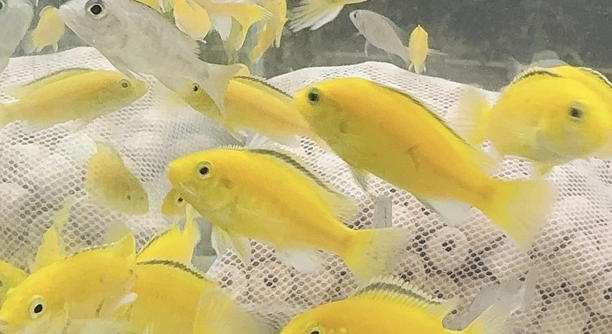
Cichlids are known for their bright colors and lively personalities, making them a favorite for many aquarium enthusiasts. Observing their daily habits can be both relaxing and surprising, revealing patterns that show intelligence and adaptability.
Cichlids exhibit strong memory and routine behaviors, remembering feeding times, recognizing their owners, and navigating complex tank environments. These fish form habits that help them thrive, demonstrating learning abilities and predictable responses in both social and solitary settings.
Understanding their routines can improve tank management and care. These insights also help in creating a healthier, more stimulating environment for your cichlids.
Cichlids Remember Faces and Feeding Times
Cichlids are remarkable at recognizing both humans and other fish. Over time, they can learn who feeds them and when, responding with excitement when familiar people approach the tank. This memory isn’t just about food; it helps them identify potential threats and social partners. They can differentiate between other cichlids, remembering previous encounters that influence future interactions. This ability to remember faces and routines is an essential part of their survival instincts, showing that their brains are more complex than they might appear. Regular feeding schedules allow cichlids to establish a predictable rhythm, which reduces stress and encourages active behavior. Observing their reactions to different people or changes in the tank can be fascinating. These fish may swim closer, approach the surface, or display distinct body movements when they recognize someone. Their memory extends beyond simple conditioning and shows adaptability in daily life.
Consistent routines help cichlids feel secure, supporting better health and reducing aggression. They respond predictably to repeated interactions and environmental cues.
Tracking their habits over days or weeks can reveal small preferences and personality traits. Understanding these patterns allows for better tank setups, ensuring they have areas to hide, explore, and interact safely. Cichlids thrive when their needs are met predictably, and observing these behaviors can make care more rewarding.
Cichlids Use Landmarks and Tank Layout
Cichlids navigate their tanks using landmarks like rocks, plants, and decorations. They remember where their favorite hiding spots are and how to reach them efficiently.
Cichlids explore and remember every corner of their environment, making changes noticeable to them and sometimes stressful.
These fish are excellent at mapping their surroundings. If a rock or plant is moved, they often adjust quickly but may show initial signs of confusion. Their ability to memorize tank layouts helps with feeding, finding mates, and avoiding areas perceived as unsafe. Cichlids use visual cues to navigate, remembering locations of food, shelter, and territorial boundaries. This spatial memory allows them to interact confidently with other fish and explore efficiently without repeated errors. Tank decorations aren’t just aesthetic—they serve as cognitive landmarks that support mental stimulation. Rearranging the tank occasionally can provide enrichment but should be done gradually to avoid disrupting established routines. Their memory and adaptability highlight how these fish are both intelligent and sensitive to environmental changes, requiring care that respects their mental and emotional needs.
Cichlids Learn from Mistakes
Cichlids quickly remember mistakes, like approaching aggressive tank mates or exploring dangerous areas. They adjust their behavior to avoid repeating errors, showing practical learning and awareness in daily interactions.
Their ability to learn from past experiences is essential for survival. If they attempt to take food from a more dominant fish and get chased, they remember the incident and modify future behavior. This learning also applies to interactions with humans and objects in the tank. Over time, cichlids can differentiate safe from risky zones, altering movement patterns and feeding strategies accordingly. Their memory helps them navigate social hierarchies and establish routines without constant trial and error, which reduces stress and improves overall well-being.
These experiences shape their personalities. Cichlids develop cautious or bold traits based on repeated interactions, showing that memory directly influences behavior. Observing these patterns makes it clear that they are thoughtful and responsive creatures.
Cichlids Follow Daily Routines
Cichlids thrive on predictable schedules, including feeding, resting, and exploring. Regular routines help them feel secure and reduce unnecessary stress.
Consistency in daily routines influences both physical and mental health. Fish fed at the same times each day show less aggression and more active behavior. They anticipate feeding, swim energetically, and interact socially in predictable ways. Routines also help them recognize safe areas for resting and establish personal territories within the tank. This structured behavior reduces conflicts and creates a calm environment. Regular patterns allow them to conserve energy while maximizing interaction and exploration opportunities.
Maintaining consistent routines is important when introducing new fish or adjusting tank conditions. Gradual changes allow cichlids to adapt without panic or erratic behavior. Predictable feeding and activity schedules create an environment where memory and routine reinforce each other, making daily life smoother for the fish. They learn to trust that food, shelter, and interaction are reliably available, which supports long-term health and stability.
Cichlids Recognize Social Hierarchies
Cichlids quickly identify dominant and submissive tank mates. They adjust their behavior to avoid conflict or establish their own territory, showing a clear understanding of social structure.
Observing them interact reveals subtle cues, like color changes or body posture. These signals help maintain balance and reduce aggressive encounters, ensuring all fish coexist more peacefully.
Cichlids Remember Environmental Changes
Cichlids notice changes in water conditions, decorations, and tank layout. They respond cautiously to unfamiliar alterations, showing awareness of their surroundings. Their memory of previous conditions influences how they explore, feed, and interact, helping them adapt to both minor and major environmental shifts.
Cichlids Benefit from Repetition
Repeated routines reinforce memory and confidence. Consistent feeding times, interactions, and environmental stability strengthen their ability to predict and respond appropriately to daily events.
FAQ
How long can cichlids remember things?
Cichlids have impressive memory for fish. They can remember feeding times, tank layouts, and other fish for weeks or even months. Their memory helps them learn from experiences, avoid danger, and recognize familiar humans. This long-term recall supports social interactions and daily routines, making them responsive and adaptive in their environment.
Can cichlids recognize their owners?
Yes, cichlids can distinguish between people who interact with their tank regularly. They often swim to the front when a familiar person approaches, especially if they associate them with feeding or care. Recognition is based on patterns, movements, and appearance, and repeated interaction strengthens their familiarity and trust.
Do cichlids remember aggressive tank mates?
Cichlids quickly remember fish that display aggression or dominance. They avoid confrontations with these tank mates or act more cautiously in their presence. This memory helps reduce injuries and stress. Over time, it can also influence how cichlids establish their own territory and social rank.
How do cichlids learn routines?
Cichlids pick up routines through repeated experiences. Feeding at the same time every day teaches them to anticipate food. Regular interactions, tank cleaning, or placement of objects also become predictable cues. These repeated patterns help them feel secure and improve behavior and activity levels.
Can cichlids adapt to changes in the tank?
Cichlids can adapt to new layouts or decorations, but it takes time. They rely on memory of their previous environment to navigate safely. Gradual changes are better, as sudden alterations can stress them. Their ability to remember landmarks allows them to explore efficiently and find food or shelter.
Do cichlids have individual personalities?
Yes, cichlids show different traits shaped by experiences. Some are bold and curious, while others are cautious and observant. Personality differences often come from memory of past events, interactions with other fish, and exposure to environmental changes. Recognizing these traits can help tailor care and tank management.
How does memory affect cichlid behavior?
Memory guides daily actions like feeding, exploring, and social interactions. Cichlids remember safe zones, food sources, and social dynamics, which reduces stress and prevents repeated mistakes. This learned behavior shows that their intelligence is closely linked to environmental awareness and routine reinforcement.
Are cichlids stressed by inconsistent routines?
Yes, irregular feeding or unpredictable tank changes can stress cichlids. They rely on consistency to anticipate events. When routines are disrupted, they may become shy, less active, or more aggressive. Maintaining predictable patterns supports their well-being and encourages natural, confident behavior.
How can I improve my cichlids’ memory and routine?
Consistency is key. Feed at the same times daily, keep tank decorations relatively stable, and interact predictably. Providing hiding spots, visual landmarks, and structured routines enhances memory and reduces stress. Gradual changes and repeated positive experiences strengthen their ability to learn and respond reliably.
Do cichlids remember feeding mistakes?
Cichlids learn quickly from errors, such as trying to take food from a dominant fish or swimming into unsafe areas. They adjust future behavior to avoid similar outcomes. This ability to remember mistakes is essential for survival and shows practical learning and intelligence in daily life.
Can cichlids recognize each other?
Yes, cichlids remember individual tank mates and differentiate between familiar and unfamiliar fish. This recognition helps manage social hierarchies, reduce conflicts, and form bonds or alliances. Memory of past interactions influences their behavior toward each fish, promoting balance in the tank.
Do cichlids need mental stimulation?
Cichlids benefit from varied environments and enrichment. Introducing safe changes, like new rocks, plants, or hiding spots, encourages exploration and reinforces memory. Mental stimulation supports natural behaviors, keeps them active, and prevents boredom, contributing to overall health and well-being.
How can I tell if my cichlid remembers routines?
Signs include anticipation at feeding times, returning to favorite hiding spots, and predictable responses to familiar humans or fish. Consistent behaviors, like swimming toward the front during feeding or exploring certain tank areas regularly, indicate strong memory and established routines.
Do young cichlids have the same memory abilities as adults?
Young cichlids can remember experiences, but their abilities improve with age. Adults show stronger recall of feeding schedules, tank layouts, and social interactions. Early exposure to consistent routines supports memory development, helping young fish adapt and thrive more quickly.
Is memory important for breeding cichlids?
Yes, memory affects mating and care of offspring. Cichlids remember partners, nesting sites, and parental duties. This allows them to protect eggs, feed fry efficiently, and interact with mates appropriately. Memory ensures that breeding behaviors are carried out effectively and increases survival rates of young.
Can stress affect a cichlid’s memory?
High stress can impair memory and routine behavior. Overcrowding, aggressive tank mates, or sudden environmental changes may make them forget familiar cues or act unpredictably. Maintaining a calm, consistent environment supports cognitive function and keeps daily routines intact.
Do cichlids communicate memory through behavior?
Yes, their behavior reflects what they remember. They may avoid certain fish, return to favorite spots, or signal recognition through gestures. Observing these patterns gives insight into their learning, memory, and social understanding, showing intelligence beyond basic instincts.
How can I help my cichlid adapt to new tank mates?
Introduce new fish slowly and predictably. Maintain existing routines while giving the cichlids time to observe and remember the newcomers. Memory of previous experiences will guide interactions, reduce aggression, and help establish a stable social hierarchy.
Are cichlids capable of long-term memory?
Yes, cichlids retain information over extended periods. They remember feeding times, social interactions, and environmental layouts for weeks or months. This long-term memory is essential for daily survival, social organization, and adaptation to changes in their tank environment.
Do cichlids remember negative experiences?
Negative experiences, like aggressive encounters or stressful events, are remembered and influence future behavior. Cichlids often avoid repeating mistakes, showing caution around dominant fish or unfamiliar humans. This ability to retain negative memory enhances survival and shapes personality traits.
Can training improve a cichlid’s memory?
Yes, consistent, positive reinforcement can improve memory. Repeating feeding routines, interacting predictably, and providing environmental cues helps cichlids learn faster. Training encourages recognition of people, locations, and behaviors, strengthening recall and reinforcing routine habits.
How do cichlids use memory in social interactions?
Memory guides how cichlids respond to other fish. They remember past encounters, recognize allies or rivals, and adjust behavior accordingly. Social memory helps maintain balance in the tank, reduces conflicts, and allows them to navigate hierarchies with less stress.
Are all cichlid species equally good at remembering?
Memory abilities vary by species. Some cichlids are more social and territorial, relying heavily on memory for survival, while others may show less complex recall. Environmental enrichment and consistent routines enhance memory across species, supporting overall well-being.
Can cichlids recognize their tank environment after moving?
Yes, cichlids rely on visual landmarks to remember their tank. Moving them to a new environment may cause initial stress, but they quickly learn new layouts. Familiar objects, hiding spots, and consistent feeding schedules help them adjust efficiently.
How does age affect cichlid memory?
Memory develops with age. Young cichlids can remember basic routines, while adults retain complex social and spatial knowledge. Regular interaction and consistent care help maintain cognitive abilities and ensure that older cichlids continue to thrive in their environment.
Do cichlids respond differently to familiar and unfamiliar people?
Cichlids distinguish between familiar and unfamiliar people. They may swim eagerly toward someone they recognize or act cautiously around strangers. Repeated, positive interactions strengthen recognition, showing that memory influences both behavior and trust.
How do environmental cues reinforce memory in cichlids?
Landmarks, tank layout, feeding spots, and decorations provide visual and spatial cues. Cichlids associate these cues with safety, food, or social interactions. Repeated exposure reinforces memory, making navigation, feeding, and social behavior more efficient.
Can cichlids remember multiple things at once?
Yes, cichlids can track feeding schedules, tank layout, and social hierarchies simultaneously. Their memory allows them to prioritize safety, food, and interaction. This multitasking shows a level of intelligence that helps them thrive in complex environments.
Does memory affect how cichlids explore new objects?
Cichlids use memory to approach or avoid new objects. Familiar items are inspected confidently, while unfamiliar ones are approached cautiously. Their past experiences guide exploration, helping them learn quickly and respond appropriately to changes in their tank.
How important is consistency for memory retention in cichlids?
Consistency reinforces memory and reduces stress. Predictable routines, stable environments, and repeated positive experiences strengthen recall and support normal behaviors. Irregular schedules or sudden changes can impair memory, making consistency essential for their cognitive health.
Do cichlids have short-term memory too?
Yes, cichlids remember immediate events, like recent interactions or sudden movements in the tank. Short-term memory helps them react quickly to changes, learn from mistakes, and navigate social and environmental challenges effectively.
How do cichlids remember food locations?
Cichlids memorize areas where food is consistently provided. They associate visual cues, landmarks, and feeding schedules with meals. This memory ensures efficient foraging, reduces stress, and allows them to anticipate feeding without relying on random searching.
Do cichlids remember their offspring?
Parental cichlids recognize and protect their fry. They remember hiding spots, feeding patterns, and threats, guiding care effectively. Memory ensures that offspring receive protection and resources, increasing survival rates and maintaining family structures within the tank.
Can stress erase memory in cichlids?
High stress can impair memory temporarily, causing confusion or erratic behavior. Prolonged stress may have longer-term effects, so maintaining stable routines, safe tank conditions, and predictable interactions helps preserve memory and overall cognitive function.
How do cichlids remember preferred resting spots?
Cichlids memorize safe and comfortable areas for resting. They return to these spots regularly, using them to feel secure and avoid conflict. Memory of these locations supports daily routines and contributes to a calm, predictable environment.
Do cichlids remember multiple tank mates individually?
Yes, cichlids can remember individual fish and their behavior patterns. This memory helps them navigate social hierarchies, reduce conflict, and form alliances. Recognizing each tank mate allows them to interact appropriately based on past encounters.
How do feeding patterns affect memory?
Regular feeding reinforces memory and builds trust. Fish learn when and where food appears, and consistent routines reduce anxiety. Irregular feeding can confuse cichlids, making them less responsive and more stressed, while structured patterns support healthy behavior.
Can memory decline in older cichlids?
Memory may become less sharp with age, but consistent routines, stable environments, and repeated interactions help maintain cognitive function. Older cichlids continue to benefit from familiar cues, predictable schedules, and mental stimulation.
Do cichlids show curiosity based on memory?
Yes, memory guides curiosity. They explore new objects while recalling safe areas, food sources, and social cues. This balance between memory and exploration helps them learn, interact, and adapt to their environment safely and confidently.
Can cichlids be trained using memory?
Training works by leveraging memory. Repeated positive reinforcement, predictable routines, and cues help cichlids recognize people, feeding patterns, and environmental landmarks. Over time, this strengthens memory and encourages consistent, predictable behavior.
How does memory influence aggression in cichlids?
Memory helps cichlids remember dominant fish and avoid unnecessary fights. They recognize rivals, adapt their behavior, and establish territories. Memory reduces stress and supports stable social interactions, preventing repeated conflicts and maintaining tank harmony.
Are cichlids capable of remembering seasonal changes?
While cichlids respond to light and temperature variations, their memory primarily focuses on daily routines and environmental cues. Gradual changes in light or temperature are easier for them to adapt to than sudden shifts, which can cause stress or confusion.
Do cichlids remember favorite hiding spots?
Yes, hiding spots are remembered and regularly visited. These locations provide security, comfort, and a place to rest. Memory of these spots supports routine behavior, reduces stress, and gives them confidence to explore other parts of the tank.
Can cichlids’ memory improve over time?
Yes, memory strengthens with repetition, consistent care, and environmental stability. Cichlids learn from experiences, adapt to new situations, and respond more effectively to routines as they age, demonstrating increasing cognitive capacity.
How does memory affect social bonding?
Cichlids remember interactions with other fish, influencing trust and cooperation. Positive experiences strengthen bonds, while negative ones create caution. Memory ensures smoother social dynamics, helping them navigate group hierarchies effectively and reducing conflict.
Can changing tank decor disrupt cichlid memory?
Sudden changes can cause stress and confusion, but gradual adjustments allow cichlids to adapt. They rely on familiar landmarks for navigation and memory, so maintaining consistency while slowly introducing new elements is ideal.
Do cichlids remember feeding mistakes from previous days?
Yes, failed attempts or competition over food are remembered. Cichlids adjust future behavior to avoid repeated mistakes, demonstrating learning and adaptation that contributes to survival and reduces stress.
How does memory influence play or exploration?
Memory guides confident exploration. Cichlids remember safe zones, objects, and social cues while investigating new items or tank areas. This balance of curiosity and caution shows intelligence and allows them to interact effectively with their environment.
Do cichlids rely more on visual or spatial memory?
Both are important. Visual memory helps recognize people, tank mates, and objects, while spatial memory guides navigation through the tank. Combining these abilities ensures they can explore, feed, and interact with confidence.
Can memory help in preventing aggression?
Remembering dominant or aggressive fish allows cichlids to avoid unnecessary fights. Memory guides territorial behavior and interaction, maintaining stability and reducing stress in a shared tank environment.
Do cichlids remember previous owners after moving tanks?
Cichlids can recognize familiar humans through patterns, movements, and interactions. Even after a move, repeated positive experiences help reestablish recognition, though some initial caution is normal until routines are reintroduced.
Are cichlids’ memories short or long term?
Cichlids have both short-term and long-term memory. Short-term memory helps react to immediate events, while long-term memory stores routines, social relationships, and environmental layouts. Both are essential for daily life, survival, and adaptation.
Can cichlids remember food types?
Yes, they can recognize and prefer certain foods. Memory helps them anticipate meals and choose familiar, preferred items. Repetition reinforces these preferences, making feeding more efficient and enjoyable.
How important is routine for memory reinforcement?
Routine strengthens memory by creating predictable patterns. Regular feeding, stable environments, and consistent interaction reinforce learned behaviors, reduce stress, and support cognitive function, allowing cichlids to thrive in their tank environment.
Do cichlids’ memory abilities vary by species?
Memory strength differs across species. Social, territorial, and intelligent species show more complex recall. Consistent care, environmental enrichment, and routines improve memory regardless of species, helping all cichlids adapt and interact effectively.
Can cichlids remember multiple feeding spots?
Yes, cichlids memorize various feeding locations, allowing them to forage efficiently. This ability reduces stress, increases confidence, and supports predictable daily routines, especially in larger or more complex tanks.
Do cichlids remember stressful events?
Stressful experiences are remembered and influence future behavior. They may avoid areas, tank mates, or humans linked to negative experiences. Memory of stress helps prevent repeated harm but highlights the need for careful handling and predictable environments.
How does memory affect daily life in cichlids?
Memory shapes feeding, exploration, social interaction, and resting. Recognizing routines, landmarks, and social cues helps cichlids reduce stress, make better decisions, and maintain healthy behaviors. Memory ensures they adapt efficiently and thrive within their tank environment.
Do cichlids show problem-solving based on memory?
Yes, cichlids use memory to navigate obstacles, avoid threats, and access food. They recall past experiences to solve problems, demonstrating learning and cognitive abilities beyond instinctual responses.
Can cichlids remember both positive and negative interactions?
Yes, cichlids remember experiences that are rewarding or threatening. Positive interactions encourage repeat behavior, while negative ones promote caution. Memory guides decisions, social dynamics, and interactions with both humans and other fish.
Do environmental changes require memory adaptation?
Yes, cichlids adjust to new conditions using memory. Recognizing safe zones, landmarks, and feeding routines helps them navigate changes successfully. Gradual adjustments minimize stress while supporting cognitive adaptation.
Can repeated routines strengthen memory over time?
Yes, repetition reinforces memory. Feeding, interaction, and environmental consistency allow cichlids to learn effectively, respond predictably, and maintain routines that enhance confidence, reduce stress, and support healthy behavior patterns.
Do cichlids remember their tank layout after cleaning?
They often remember tank structure even after partial cleaning. Familiar landmarks and decorations help them navigate confidently. Gradual changes during cleaning prevent disorientation and preserve memory, supporting routine behavior and reducing stress.
Are cichlids capable of associative memory?
Yes, they associate visual cues, locations, or people with outcomes like food or safety. Associative memory allows them to predict events and react efficiently, showing learning and intelligence in daily life.
How does memory impact cichlid survival?
Memory helps cichlids avoid threats, find food, and maintain social order. Remembering experiences and routines increases efficiency, reduces stress, and supports long-term well-being, highlighting the importance of memory for thriving in their environment.
Do cichlids’ memory abilities decline with stress or age?
Stress and aging can affect memory, but consistent care, routines, and environmental stability help maintain cognitive function. Older or stressed fish may need gradual changes and predictable patterns to support memory and routine.
Can memory help cichlids navigate complex tanks?
Yes, spatial and visual memory allows cichlids to remember hiding spots, feeding areas, and pathways. This ability ensures efficient exploration, reduces errors, and supports safe navigation in larger or more intricate tanks.
Do cichlids use memory in social learning?
Memory enables cich
Cichlids are more than just colorful fish in a tank. Their memory and routines play a significant role in how they live, interact, and thrive. From remembering feeding times to recognizing tank mates and humans, cichlids demonstrate a level of intelligence that often surprises people. They form habits and routines that make their daily lives predictable and safer. These behaviors are not random; they are guided by memory, experience, and the environment around them. Consistent care, a stable tank setup, and regular interactions help reinforce these patterns. Over time, it becomes clear that cichlids rely heavily on what they remember to navigate their surroundings, interact with other fish, and respond to humans. This makes them both sensitive and adaptable, capable of learning from their experiences. Understanding their memory can make caring for them easier, allowing fish owners to anticipate behaviors and create a comfortable, supportive environment. Observing these routines can also be rewarding, offering insight into how intelligent and responsive these fish can be.
Memory in cichlids affects more than just basic behavior. It shapes how they respond to potential threats, where they choose to rest, and how they interact with other fish. Aggressive or dominant fish are remembered, and cichlids adjust their behavior accordingly to reduce conflict. Similarly, they remember where food is usually provided and the safest areas for exploration. These learned behaviors show practical intelligence, helping them conserve energy and reduce stress. Their ability to remember and adapt also extends to changes in the tank, such as new decorations, altered layouts, or the introduction of new tank mates. When changes are gradual, cichlids can quickly adjust, using memory to find landmarks and navigate safely. The combination of memory and routine creates a predictable rhythm that benefits both the fish and the tank environment. It reduces unnecessary stress and fosters natural, confident behaviors. By paying attention to these patterns, owners can better support their cichlids’ health, well-being, and overall happiness.
Routine and memory also affect the social lives of cichlids. These fish recognize and remember other fish, forming social hierarchies and avoiding unnecessary conflicts. Their memory allows them to learn from past interactions, whether positive or negative, guiding how they approach or avoid specific tank mates. Daily routines, like feeding at the same times, further reinforce memory and create stability. Cichlids respond better to consistent schedules, showing more activity, curiosity, and confidence. Environmental consistency, including familiar decorations and hiding spots, also supports their cognitive function. Over time, the combination of memory and routine allows them to thrive in captivity. By understanding the role of memory and routine in cichlids, owners can create an environment that feels safe, predictable, and stimulating for the fish. This approach supports healthy behavior, reduces stress, and allows cichlids to display their natural intelligence and adaptability, making tank life more rewarding for both the fish and their caretaker.

Hello,
If you enjoy the content that we create, please consider saying a "Thank You!" by leaving a tip.
Every little bit helps us continue crafting quality advice that supports the health, happiness, and well-being of pets around the world, for pets of all shapes, sizes, and species.
We really appreciate the kindness and support that you show us!