
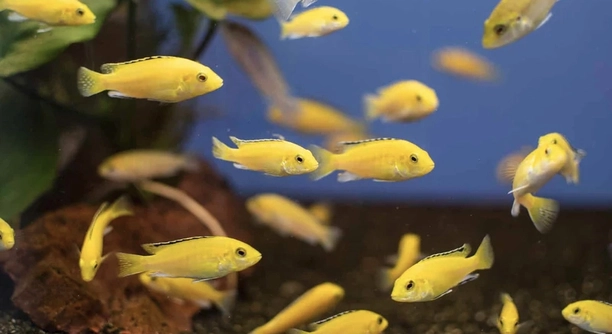
Cichlids are colorful, fascinating fish that many aquarium owners enjoy watching. Their behaviors can be playful, curious, or even alarming. Understanding their movements helps maintain a peaceful tank and ensures the fish remain healthy and stress-free.
Certain movements in cichlids, such as sudden darting, flaring fins, or repeated ramming, indicate aggression or stress. Recognizing these warning signs early allows aquarists to prevent injuries, manage territorial disputes, and maintain a balanced, safe environment for all tank inhabitants.
Observing these subtle cues can help you respond quickly to potential problems before they escalate in your aquarium. Recognizing early warning signs is key to a calmer, healthier tank.
Sudden Darting
Sudden darting is one of the most common warning signs in cichlids. When a fish swims abruptly from one side of the tank to another, it is often reacting to stress or feeling threatened. This behavior can be triggered by overcrowding, sudden changes in water conditions, or the presence of a more aggressive fish. In many cases, darting is accompanied by rapid gill movements or a temporary change in coloration. Observing the frequency and timing of these movements can help you identify patterns and possible triggers. For example, feeding time or the introduction of new tank mates often leads to sudden bursts of speed. Keeping a calm and stable environment can reduce these occurrences. Adjusting tank decorations, hiding spots, and ensuring proper spacing can help the fish feel more secure. Maintaining good water quality and monitoring interactions are essential to preventing long-term stress caused by sudden darting.
Darting is a clear signal that your cichlid may be stressed or threatened. Monitoring these movements can prevent future conflicts.
Regular observation allows you to intervene before aggressive behavior escalates. Providing safe spaces and keeping the tank balanced reduces stress. Over time, you’ll notice calmer swimming patterns and healthier interactions. Watching for subtle signs like tail flicks or brief pauses can also help you anticipate when a fish is about to dart, allowing for adjustments in tank layout or fish placement. Keeping records of behavior alongside feeding times and water changes can reveal underlying causes. Small changes like adding plants, rearranging rocks, or separating overly aggressive individuals can make a significant difference. Consistency in tank maintenance, such as regular water testing and partial water changes, supports both the physical and emotional well-being of the cichlids. Over weeks, these adjustments often result in smoother swimming patterns, fewer stressful encounters, and a more relaxed aquarium environment. Being attentive to darting signals ensures a healthier, less stressful experience for all the fish.
Flaring Fins
Flaring fins are an aggressive display where cichlids spread their fins wide to appear larger. This behavior can intimidate other fish or signal territorial defense. Flaring is usually brief but noticeable.
Flaring often occurs during feeding, breeding, or when new fish enter the tank. It’s a way to establish dominance without direct contact.
Over time, repeated flaring can stress tank mates and damage fins. When a cichlid flares, it exposes its fins fully, making the fish look bigger. This display is often accompanied by direct eye contact or slow, deliberate swimming toward another fish. Flaring can also indicate the fish is preparing to defend a nesting area or chase away intruders. While it may seem dramatic, it is a natural form of communication. Reducing flare triggers includes ensuring enough space, hiding spots, and monitoring aggressive pairings. Observing patterns in flaring helps prevent escalation into chasing or biting. In some cases, temporarily separating aggressive individuals or rearranging the tank layout can reduce the frequency of flaring. Recognizing this behavior early ensures a calmer environment and healthier social interactions among all cichlids.
Ramming
Ramming occurs when a cichlid repeatedly bumps or charges at another fish or object. This aggressive action can lead to injuries, stress, and disrupted tank dynamics if not addressed promptly.
Ramming is usually a sign of territorial behavior or frustration. Cichlids may target weaker or slower fish, especially in overcrowded tanks or when hiding places are limited. This behavior can also appear during breeding when they are defending a nest. Observing the frequency and timing of ramming helps identify triggers, such as new tank mates or changes in tank layout. Providing adequate space, rearranging decorations, and separating highly aggressive individuals can reduce ramming incidents.
Repeated ramming can damage fins and scales, increasing the risk of infections. Monitoring interactions and intervening early, such as moving fish or adjusting the environment, helps prevent escalation. Ensuring all fish have room to escape and access to food also reduces stress. Over time, careful tank management can lower ramming behavior and support a calmer, healthier aquarium.
Tail Nipping
Tail nipping is a behavior where cichlids bite or nip the fins of other fish. It can cause torn fins and infection if persistent. Proper observation is necessary to stop this behavior early.
Tail nipping often occurs in smaller or weaker fish, particularly when dominant cichlids feel overcrowded or threatened. It can also arise from boredom or lack of stimulation in the tank. This behavior disrupts swimming, increases stress, and can escalate aggression if unchecked. Ensuring plenty of hiding spaces, plants, and decorations helps reduce this behavior. Separating particularly aggressive fish and monitoring feeding times are also effective strategies. Maintaining stable water conditions and avoiding overcrowding can further reduce tail nipping.
Consistently watching fish behavior allows for quick intervention when tail nipping starts. Minor adjustments like rearranging rocks or adding barriers can prevent further attacks. Over time, reducing stressors and giving all fish sufficient space helps restore balance. Tail nipping can be managed with patience, observation, and proper tank setup. Healthy social interactions are achievable when aggressive tendencies are controlled and environmental conditions support calm swimming and coexistence.
Head Shaking
Head shaking is a rapid side-to-side movement that often signals irritation or discomfort. It can indicate stress, water quality issues, or an underlying health problem.
This behavior may also appear when cichlids are trying to remove parasites or debris from their body. Consistent observation is key to identifying the cause and preventing further issues.
Chasing
Chasing is a clear sign of dominance or territorial behavior. One cichlid pursues another, often leaving the chased fish stressed and exhausted. Observing chasing patterns helps determine which fish may need separation or additional hiding spots to reduce tension and maintain a calmer environment.
Color Changes
Sudden or dramatic color changes in cichlids often indicate stress, illness, or aggression. Fading, darkening, or blotchy patterns can help identify problems early, allowing timely adjustments to water quality, tank conditions, or social dynamics to support the fish’s health.
Gill Flaring
Gill flaring is when cichlids expand their gill covers to appear larger. It usually signals aggression, territorial defense, or heightened alertness. Monitoring this behavior helps manage tank interactions and prevent conflicts among more sensitive fish.
What causes cichlids to display aggressive movements?
Aggressive movements in cichlids usually stem from territorial instincts, competition for food, or breeding behavior. Overcrowding, sudden changes in water quality, and the presence of new tank mates can trigger displays like flaring, chasing, or ramming. Stress, boredom, and lack of hiding spaces also contribute to heightened aggression.
How can I tell if my cichlid is stressed or ill?
Stress and illness often appear through behavioral changes such as excessive darting, head shaking, or hiding. Color changes, loss of appetite, clamped fins, or labored breathing may accompany these movements. Monitoring patterns over time and checking water parameters helps distinguish stress from disease.
Is tail nipping dangerous for other fish?
Tail nipping can be harmful, particularly to smaller or weaker fish. Repeated attacks can tear fins, leave open wounds, and increase susceptibility to infections. Early detection is essential. Providing hiding spots, rearranging tank decorations, and separating aggressive individuals can reduce tail nipping incidents.
Why do cichlids flare their fins?
Flaring fins is a natural display to assert dominance or defend territory. It can also occur during feeding, breeding, or when new fish are introduced. Flaring is generally short-lived but can escalate if the tank environment does not provide sufficient space or visual barriers.
How should I manage chasing behavior?
Chasing is a common form of dominance behavior. To manage it, provide adequate hiding places, break up sight lines with decorations, and ensure the tank is not overcrowded. If one fish consistently targets others, temporarily separating them or rearranging the tank layout may reduce tension and stress.
Do sudden darting movements indicate immediate danger?
Not always, but sudden darting usually signals stress or fear. It may be caused by sudden noises, rapid water changes, or aggressive tank mates. Monitoring these movements closely can prevent injuries and help identify triggers that disturb the fish’s environment.
Can environmental changes reduce aggressive movements?
Yes. Adding hiding spots, plants, rocks, or partitions can create visual barriers, which reduce confrontations. Maintaining stable water parameters, avoiding overcrowding, and providing a well-balanced diet also help. Small adjustments in the tank layout can have a significant impact on fish behavior.
When should I intervene if my cichlids are aggressive?
Intervention is necessary if aggressive movements result in injuries, excessive stress, or disrupted feeding. Signs include torn fins, constant chasing, or persistent flaring. Interventions may include separating aggressive fish, rearranging decorations, or adjusting the stocking density of the tank.
Can breeding behavior increase aggression?
Yes. During breeding, cichlids become more territorial and protective of their nest or mate. This often results in flaring, chasing, or ramming. Providing additional space and hiding areas can reduce conflicts and ensure other tank inhabitants remain safe.
How can I maintain a balanced tank with multiple cichlids?
Maintaining balance requires observing individual behavior, providing sufficient space, and creating multiple territories. Using plants, rocks, or dividers can reduce direct confrontations. Regular water changes, proper diet, and avoiding sudden environmental changes help keep stress levels low and aggressive behaviors minimal.
Are all cichlid species equally aggressive?
No. Aggression levels vary by species. Some cichlids are naturally more territorial, while others are more peaceful. Understanding the specific needs and temperament of your cichlid species helps plan tank mates, tank size, and layout to reduce conflict.
What are the long-term effects of unresolved aggressive behavior?
Unresolved aggression can cause chronic stress, injuries, or even death for weaker fish. It may also lead to poor growth, disease susceptibility, and repeated disruptions in tank harmony. Regular monitoring, environmental adjustments, and careful selection of tank mates are crucial to prevent long-term problems.
How can I tell if a fish is being bullied?
Signs of bullying include constant chasing, hiding, clamped fins, faded colors, and loss of appetite. Observing tank interactions and identifying aggressive individuals allows for early interventions, such as providing refuges or separating the bully from the others.
Does tank size affect aggressive movements?
Yes. Smaller tanks limit space and increase the likelihood of territorial disputes. Providing a larger tank, enough hiding spots, and clear territories can reduce aggression and allow fish to feel secure, minimizing stress-related movements.
Can diet influence cichlid aggression?
A poor or inconsistent diet can increase frustration and aggression. Feeding a balanced diet in sufficient amounts helps reduce competition and stress. Occasional treats or variety in food types can keep cichlids engaged and less likely to act out aggressively.
Are there signs that aggression is escalating beyond normal behavior?
Escalating aggression is evident when chasing, nipping, or ramming becomes frequent or prolonged, injuries appear, or weaker fish remain in hiding. Persistent flaring and color changes may also indicate heightened tension. Quick action is required to prevent serious harm and maintain tank stability.
How do I separate aggressive cichlids safely?
Separating aggressive fish can be done using temporary partitions, breeding boxes, or moving the fish to a quarantine tank. Ensure minimal stress during transfer, maintain consistent water conditions, and monitor behavior to decide when reintegration is possible or permanent separation is needed.
Can observation alone help prevent aggressive incidents?
Observation is essential. By noting patterns, triggers, and interactions, you can intervene before serious conflict arises. Adjusting tank layout, monitoring feeding, and recognizing early warning signs allows for proactive management of aggressive movements and supports a healthier aquarium environment.
What role do hiding spots play in reducing aggression?
Hiding spots allow fish to escape threats and reduce stress. Rocks, plants, caves, and other structures create territories and visual barriers, preventing confrontations. A well-structured tank with multiple refuges lowers tension, promotes calmer behavior, and gives all cichlids a sense of security.
How often should I check on aggressive behaviors?
Frequent observation is recommended, especially after introducing new fish, changing tank layout, or during breeding periods. Daily monitoring helps identify early signs of aggression, ensures timely intervention, and maintains a stable environment for all tank inhabitants.
Are aggressive movements more common in certain water conditions?
Yes. Poor water quality, fluctuating temperatures, or inappropriate pH can increase stress and trigger aggressive movements. Maintaining consistent water parameters, regular testing, and proper filtration are crucial for reducing stress-induced aggression in cichlids.
Can aggressive behavior affect overall tank health?
Aggression can lead to injuries, infections, and stress-related illnesses. Persistent fighting may disrupt feeding patterns and territorial balance, impacting the overall well-being of all fish. Proper management of behavior and environment is essential to maintaining a healthy, stable aquarium ecosystem.
What steps can I take if aggression persists despite interventions?
Persistent aggression may require permanent separation of individuals, reevaluating tank size, or reconsidering species compatibility. Consulting experienced aquarists or aquatic specialists can provide guidance for managing complex social dynamics and ensuring long-term safety and health for all fish.
Is it normal for aggression to decrease over time?
Yes. As fish establish territories, become familiar with tank mates, and adjust to their environment, aggression often decreases. Providing adequate space, hiding spots, and consistent care accelerates this process and helps maintain long-term peace in the tank.
Cichlids are fascinating fish with unique personalities and behaviors. Their movements can tell us a lot about how they feel and interact with their environment. Watching for signs like sudden darting, tail nipping, or flaring fins helps you understand their mood and prevent unnecessary stress. Each behavior has a reason behind it, often linked to territory, competition, or social hierarchy. Even small movements, like head shaking or gill flaring, can indicate discomfort or irritation. Paying attention to these details allows you to create a safer and calmer environment for your fish. Observing them closely over time also helps you notice changes in behavior early, which can prevent more serious problems later.
Maintaining a balanced tank is crucial for reducing aggressive or stressful behaviors. Providing enough space, hiding spots, and visual barriers can make a big difference in how cichlids interact. Overcrowding often leads to conflicts, so keeping an appropriate number of fish for the tank size is important. Regular water testing and keeping the environment stable help reduce stress as well. Even small adjustments in the tank layout, like adding rocks, plants, or caves, can give fish places to retreat and claim territory. Feeding a consistent, balanced diet also helps reduce competition and aggression. Overall, careful attention to both the physical environment and the social structure of the tank makes a significant difference in the health and well-being of your cichlids.
Understanding cichlid behavior takes patience, observation, and small interventions when necessary. Aggressive movements are normal to some extent, but they can be managed effectively with the right strategies. Separating highly aggressive individuals, rearranging the tank layout, and providing multiple hiding spaces often reduces tension. Keeping track of behaviors over time helps you identify patterns and triggers, allowing for proactive care. Cichlids thrive in an environment that is stable, enriched, and suited to their social needs. By observing their movements and responding appropriately, you can support their health and create a tank where all fish coexist more peacefully. Patience and attention to detail are key to ensuring a long-term, healthy aquarium with minimal conflict.

Hello,
If you enjoy the content that we create, please consider saying a "Thank You!" by leaving a tip.
Every little bit helps us continue crafting quality advice that supports the health, happiness, and well-being of pets around the world, for pets of all shapes, sizes, and species.
We really appreciate the kindness and support that you show us!