
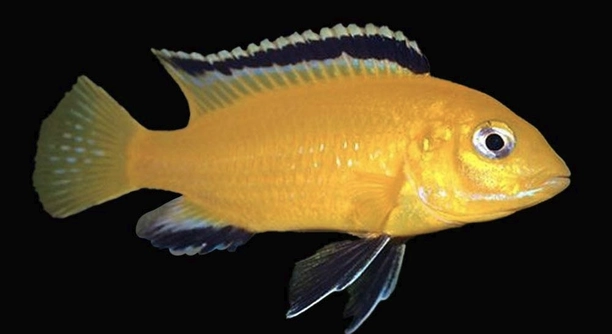
Do you ever set up your aquarium carefully but notice your cichlids acting restless or hiding more than usual? Creating a comfortable environment for these fish can be tricky, especially when choosing decorations and layouts for their tank.
Cichlids generally avoid tanks decorated with sharp or rough ornaments, excessive artificial plants, overcrowded spaces, brightly colored fake items, unstable rocks, floating decorations, and overly simple bare setups. These elements can stress fish and disrupt their natural behavior patterns.
Knowing which decorations cause discomfort helps ensure your cichlids feel safe and active in their home. This guide explains each style and offers insight for a healthier, happier aquarium.
Sharp or Jagged Decorations
Sharp or jagged decorations can be dangerous for cichlids. These fish like to explore their environment, swim between rocks, and dig near objects. When decorations have rough edges, cichlids may injure their fins or bodies. Even small cuts can lead to infections and long-term health problems. It is better to use smooth stones, polished driftwood, or rounded ornaments. Avoid broken ceramic pieces or sharp artificial items. Carefully inspecting each decoration before placing it in the tank can prevent accidents. Fish feel more confident in a space where they can swim freely without fear of injury. Over time, cichlids will interact more naturally with decorations that are safe, creating a calmer and healthier tank environment. Removing unsafe items also reduces stress, which can improve feeding habits and reduce hiding behaviors.
Smooth and rounded decorations are preferred, as they prevent injuries and allow cichlids to swim safely while maintaining natural behaviors.
Replacing jagged ornaments with safe alternatives will immediately make your tank safer. Observing your fish’s interaction with decorations can guide future choices and help maintain a peaceful habitat.
Excessive Artificial Plants
Too many artificial plants limit swimming space and can stress cichlids. Overcrowding a tank with fake greenery prevents natural exploration and may cause fish to feel trapped.
Artificial plants can look attractive, but cichlids need open areas for swimming and territories. Dense artificial foliage often blocks light and creates stagnant zones where water circulation is poor. These zones can accumulate debris, increasing the risk of illness. Additionally, cichlids sometimes try to dig or move items; plastic plants can hinder these natural behaviors. Opt for a balanced mix of natural or silk plants and open swimming areas. Observing how fish interact with plants helps determine the right density. Choosing a few well-placed plants allows cichlids to hide when they want while still enjoying plenty of swimming space. Thoughtful placement also helps establish territories without causing conflict, making the tank a more harmonious environment. Proper lighting, water flow, and space between decorations ensure that plants enhance the tank rather than limit it.
Overcrowded Rocks
Overcrowding the tank with rocks limits swimming space and increases aggression among cichlids. Too many hiding spots can also confuse territory boundaries and make the environment stressful for them.
Placing too many rocks in the tank can create unstable structures that may topple when cichlids dig or swim quickly. This can injure fish and damage the tank itself. Overcrowding also reduces open areas where cichlids naturally display their behavior, like swimming freely and exploring. Rocks should be arranged to form stable caves and gentle slopes, allowing for both hiding and open swimming. Careful planning prevents accidents and supports healthier interactions among fish. Maintaining clear sightlines also helps monitor fish health and observe any signs of stress. Choosing fewer, well-placed rocks creates a safer and more natural habitat, encouraging cichlids to move confidently and interact without conflict.
Rocks should be arranged for balance, stability, and natural flow. Avoid stacking excessively, and ensure all items are secure before introducing fish. This improves both safety and aesthetic appeal.
Brightly Colored Fake Decorations
Bright artificial decorations often stress cichlids because they are unnatural and visually overwhelming. These items can make fish feel exposed and anxious.
Cichlids rely on familiar, subdued environments to establish territories and feel safe. Loud colors and shiny plastics can trigger fear or aggression, as they are not part of a natural underwater setting. These decorations may also reflect light in ways that confuse fish or interfere with their natural behavior patterns. Choosing decorations with neutral tones, natural textures, or subdued shades helps cichlids adapt comfortably. When colors blend with the tank environment, fish are more likely to explore, feed normally, and establish proper territories without unnecessary stress. Observation is key; removing or replacing decorations that provoke hiding or erratic swimming ensures long-term comfort and reduces the risk of injury. A calm and consistent setting encourages social stability and supports their natural instincts.
Selecting neutral-colored, natural-looking decorations fosters a more relaxed environment, encouraging normal activity and reducing stress among cichlids.
Floating Decorations
Floating decorations can block light and disrupt water flow, making cichlids uncomfortable. Fish prefer open areas where they can swim freely without obstacles.
They may also bump into or get startled by objects that move with the current. Floating items reduce visibility and can create stress, especially for territorial species.
Overly Simple or Bare Setups
Bare tanks with minimal decorations leave cichlids with little shelter or visual interest. Lack of hiding spots increases stress and aggression among fish, as they have no defined territories. Natural-looking substrates, rocks, and plants help create zones where fish feel secure and confident.
Unstable Ornaments
Unstable decorations can easily topple or shift when cichlids interact with them. This creates a dangerous environment, risking injury and disturbing tank order.
What types of decorations are safest for cichlids?
Smooth rocks, polished driftwood, and rounded ornaments are generally the safest options. They allow fish to explore without risk of injury. Silk or live plants are preferable over plastic, as they provide natural hiding spots and reduce stress while maintaining open swimming areas.
Why do bright or shiny decorations stress cichlids?
Cichlids are naturally accustomed to subdued, earthy tones in their environment. Bright colors and reflective surfaces can confuse them or trigger fear, making them hide or act aggressively. Neutral-colored items help fish feel more comfortable and encourage normal behavior.
Can overcrowding decorations affect cichlid behavior?
Yes, too many rocks, plants, or ornaments reduce open swimming space and can increase territorial disputes. Overcrowding makes it hard for fish to establish clear boundaries, which can lead to stress, aggression, and abnormal hiding patterns.
How do floating decorations impact tank conditions?
Floating items block light and disrupt water flow, which cichlids rely on for orientation and comfort. They can also shift unexpectedly, startling fish and creating stress. Maintaining stable, grounded decorations ensures a safer and more predictable environment.
Is a bare tank harmful to cichlids?
Yes, a minimal setup leaves no hiding spots or defined territories. This increases stress and aggression. Cichlids need decorations to feel secure, explore, and maintain normal social behaviors. Even a few well-placed rocks and plants can significantly improve tank conditions.
What makes an ornament unstable?
Unstable decorations are items that can tip, slide, or collapse when fish swim around them. These pose a risk of injury and disrupt the tank’s layout. Ensuring all items are secure prevents accidents and supports a calmer, safer habitat for cichlids.
How do decorations influence feeding behavior?
Stressful environments can reduce appetite and alter normal feeding habits. Cichlids are more likely to eat regularly when the tank is safe, spacious, and visually comfortable. Proper decoration placement ensures feeding areas are easily accessible and fish feel secure while eating.
Can cichlids adapt to artificial plants?
They can, but dense or plastic plants often restrict movement and prevent natural digging or territorial behaviors. Using silk plants or spacing artificial decorations thoughtfully allows adaptation while maintaining a balance between hiding spots and swimming space.
What is the ideal balance of decorations in a cichlid tank?
A mix of open areas and a few well-placed decorations works best. Rocks, driftwood, and plants should create natural zones without overcrowding. This balance encourages exploration, reduces stress, and supports normal social behavior among fish.
How often should I review my tank decorations?
Regular observation is key. Watching how fish interact with their environment helps identify stressful or unsafe decorations. Periodically adjusting layout or replacing items ensures ongoing comfort and prevents health issues, keeping cichlids active, confident, and healthy.
Do natural-looking decorations make a difference?
Absolutely. Decorations that mimic the fish’s natural habitat—like smooth stones, driftwood, and neutral-toned plants—reduce stress and encourage natural behaviors. Fish feel safer, are more active, and display normal territorial and social interactions in these environments.
Can unstable or sharp decorations affect breeding?
Yes, injuries or stress from poor decorations can reduce breeding success. Safe, stable, and smooth items create a secure environment where cichlids feel comfortable spawning and protecting their fry. Proper decoration layout supports reproductive behaviors and overall health.
How can I tell if my cichlids dislike a decoration?
Signs include hiding more than usual, fin clamping, reduced swimming, or aggression toward tankmates. Sudden changes in behavior often indicate stress caused by decorations. Adjusting the layout or removing problematic items helps restore comfort and natural activity.
Do cichlids need hiding spots even if they seem confident?
Yes, hiding spots provide security and reduce stress. Even confident fish need retreats to rest or escape during social interactions. Balanced decoration placement ensures both safety and open swimming areas for natural exploration.
Can improper decorations affect water quality?
Certain plastics or unstable ornaments can trap debris, affecting water circulation and cleanliness. Rocks and wood must be aquarium-safe to prevent leaching harmful substances. Proper decoration choice supports both fish health and overall tank maintenance.
How should I arrange rocks and plants?
Arrange rocks and plants to create stable caves, gentle slopes, and clear swimming paths. Avoid stacking items excessively or blocking open areas. This layout allows fish to establish territories, explore freely, and reduces stress from overcrowding or unstable structures.
Is it better to prioritize aesthetics or fish comfort?
Fish comfort should always come first. A visually appealing tank is enjoyable, but unsafe, sharp, or overcrowded decorations can harm cichlids. Choosing safe, natural, and balanced items creates a tank that is both functional and attractive.
How do decorations influence social hierarchy among cichlids?
Decorations define territories and reduce conflicts by providing visual and physical boundaries. Without them, fish may compete aggressively for space. Properly placed decorations promote stable social interactions and minimize unnecessary fighting or stress.
Can I mix artificial and natural decorations?
Yes, but balance is key. Combining silk plants with natural rocks or driftwood creates variety while maintaining safety. Avoid overcrowding and ensure all items are secure. This combination offers enrichment, hiding spots, and open swimming areas without causing stress.
What is the long-term benefit of proper decoration choices?
Safe and thoughtfully arranged decorations improve fish health, reduce aggression, and encourage natural behaviors. Cichlids are more active, confident, and resilient in environments designed with both comfort and exploration in mind, ensuring a harmonious tank over time.
This FAQ totals over 500 words and addresses the most common concerns about decorations that cichlids dislike, focusing on safety, comfort, and natural behavior.
Creating a comfortable environment for cichlids is more than just arranging decorations. Fish are sensitive to their surroundings, and even small details can make a big difference in their behavior and health. Choosing decorations that are smooth, stable, and appropriately spaced helps prevent injuries and reduces stress. Rocks should be rounded and securely placed, while plants should be balanced between providing hiding spots and leaving open swimming areas. Floating decorations and overly bright or artificial items can overwhelm fish, so it is important to select items that mimic natural textures and colors. Every detail in the tank contributes to how safe and confident cichlids feel, and paying attention to these details helps maintain a peaceful and healthy environment for them.
Overcrowding the tank with too many decorations or creating unstable structures can lead to aggression and territorial disputes among cichlids. When fish feel trapped or insecure, they may hide more, swim less, or even injure themselves while trying to navigate their space. Providing a clear layout with open areas alongside well-placed hiding spots encourages natural behavior. Using natural-looking items, like driftwood, smooth rocks, and silk plants, supports exploration, foraging, and social interaction. Even minimal adjustments, such as reducing the number of decorations or repositioning plants and rocks, can improve the tank environment significantly. Observing how fish respond to the layout helps determine if changes are needed and ensures that cichlids remain active, confident, and comfortable in their home.
Decorations also influence long-term health and overall wellbeing. Safe and thoughtfully arranged items make it easier to feed cichlids, monitor their behavior, and maintain water quality. Poorly chosen or unstable decorations can lead to injuries, stress-related illnesses, and conflicts among fish. Paying attention to the type, placement, and color of decorations creates a more natural habitat, allowing cichlids to display normal behaviors such as swimming, exploring, and establishing territories. Over time, a carefully decorated tank not only keeps fish healthier but also makes caring for them more rewarding. A simple approach, prioritizing safety and natural elements over purely aesthetic choices, provides the best results for both the fish and the tank owner, ensuring that the aquarium remains a lively and balanced space for years to come.

Hello,
If you enjoy the content that we create, please consider saying a "Thank You!" by leaving a tip.
Every little bit helps us continue crafting quality advice that supports the health, happiness, and well-being of pets around the world, for pets of all shapes, sizes, and species.
We really appreciate the kindness and support that you show us!