
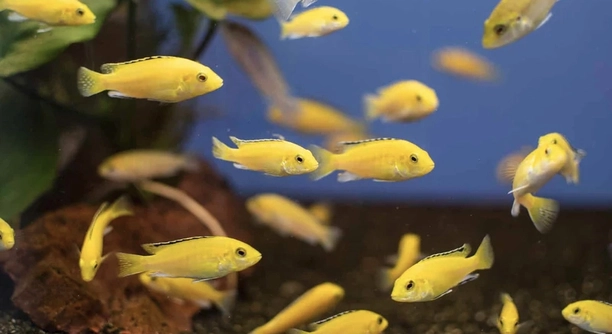
Raising cichlid fry can be both exciting and challenging, especially during the first week. Watching these tiny fish grow and develop requires attention, patience, and understanding of their early life stages. Every day brings subtle but important changes.
During the first seven days, cichlid fry undergo rapid growth characterized by yolk sac absorption, development of swimming abilities, and gradual adaptation to external feeding. Monitoring water quality, temperature, and nutrition is essential to ensure healthy early development and survival.
Observing these early changes closely will give you insight into their growth patterns and help establish proper care routines for thriving fry.
Day 1: From Hatching to First Movements
The first day after hatching is a delicate stage. Cichlid fry are tiny and mostly stationary, relying on their yolk sacs for nutrition. Their bodies are translucent, and their movements are limited to slight wiggling. This is a critical time to ensure the tank conditions are stable. Water temperature should remain consistent, ideally within the species’ recommended range. Avoid sudden changes in lighting or water flow, as fry are highly sensitive. Even small disturbances can stress them, slowing growth or causing health issues. Observing the fry closely allows you to notice any irregularities early. It is normal for some fry to hatch earlier or later than others, which can make their first day appear uneven. Patience and gentle observation help create an environment that supports development. Keeping the tank clean and free from strong currents will allow the fry to adjust comfortably and safely.
Their first day is about survival and adjustment, with minimal movement and total dependence on the yolk sac for nutrition.
By the end of day one, most fry have absorbed some yolk, and their bodies are gradually preparing for independent feeding. They may start small, spontaneous movements, testing their tiny fins. These movements indicate the beginning of swimming ability, though they remain fragile and require constant attention. Small changes in water quality or temperature can affect their behavior immediately. It is also common to notice slight differences in size and activity among fry, which is normal. Gentle observation ensures early identification of any fry that might lag behind or appear weak. At this stage, feeding is not yet required, but preparing the tank with micro-foods for the upcoming days is advisable. Proper lighting and minimal disturbances help them settle, while monitoring water parameters such as ammonia, nitrites, and pH ensures a safe start. Day one lays the foundation for healthy growth in the following week.
Day 2: Beginning Independent Feeding
By the second day, fry start showing more consistent swimming patterns and begin exploring their surroundings.
Feeding can be introduced with finely crushed infusoria or specialized fry food, providing small, frequent meals to support early growth and development.
The second day marks the transition from complete reliance on the yolk sac to partial external feeding. Fry become more active, swimming around the tank in short bursts while staying close to surfaces or hiding spots. Introducing micro-foods at this stage helps them build strength and prepares their digestive systems for continued growth. It is important to offer tiny amounts multiple times a day to prevent overfeeding and maintain water quality. Observing how each fry approaches food provides insight into their health and vigor. Some fry may take longer to start feeding, which is normal, but consistent monitoring ensures no fry is left behind. Maintaining stable water conditions and gentle handling will minimize stress and support their natural growth rhythm.
Day 3: Strengthening Swimming and Feeding
Fry are more active by day three, swimming longer distances and exploring the tank. Feeding continues with infusoria or powdered fry food. Their movements are more coordinated, and they start responding to light and gentle currents.
By now, the fry show noticeable improvements in swimming ability. They are more confident moving across the tank, often gathering near feeding spots. Some fry may still lag slightly, but this is normal. Consistent feeding helps them gain energy, and tiny fins are becoming stronger, allowing better maneuvering. Maintaining stable water temperature and regular water changes supports healthy development and reduces the risk of stress-related problems.
Fry growth is measurable by size and activity. Their bodies begin to gain slight coloration, and eyes appear more defined. Frequent but careful observation ensures no fry is struggling. This stage is essential for building stamina and preparing for more complex feeding in the coming days. Proper nutrition and minimal disturbances continue to play a critical role in their survival and early development.
Day 4: Developing Colors and Coordination
Fry show the first signs of color patterns, and swimming becomes smoother and more coordinated. Their responses to food are faster and more confident.
On the fourth day, fry begin to display subtle color changes, a sign of maturing pigmentation. Swimming patterns improve as fins grow stronger, making them more agile around the tank. Feeding should remain frequent, offering tiny portions to avoid water quality issues. Some fry may compete for food, so careful monitoring is needed to ensure all receive adequate nutrition. Observation of behavior helps identify weaker fry, and adjusting feeding locations can support those needing more access. Water conditions remain critical; small fluctuations can impact growth and health.
Activity levels continue to rise, and fry demonstrate improved coordination. Their eyes and bodies become more defined, and subtle patterns emerge. Swimming is less erratic, showing they are developing spatial awareness. Regular monitoring ensures they stay healthy, and proper nutrition contributes to sustained growth. Water quality must be maintained carefully, as even small changes can affect their behavior and development. By day four, fry are noticeably stronger and more responsive, laying the groundwork for further growth and readiness for larger food types in the following days.
Day 5: Increased Appetite and Activity
Fry actively seek food throughout the day, showing stronger responses to feeding. Their swimming is more controlled, and fins are fully functional. Growth is noticeable compared to previous days, with slightly more defined bodies and movement.
Observation is key as fry compete for food. Some may need extra attention to ensure they eat enough. Water quality must remain stable, and frequent small feedings continue to support steady development and strength building.
Day 6: Coordination and Exploration
Fry now explore larger areas of the tank with better coordination. They swim confidently, avoiding obstacles, and respond quickly to food. Their color patterns continue to develop, indicating ongoing growth and maturation. Providing consistent nutrition helps reinforce strength and supports healthy fin and body development.
Day 7: Preparing for Larger Foods
Fry are ready to begin transitioning to slightly larger foods. Their swimming is agile, and feeding responses are well established. Growth over the week is clearly visible, showing stronger bodies and active, healthy behavior.
FAQ
What should I feed cichlid fry during the first week?
During the first week, cichlid fry rely mostly on their yolk sac. As they begin external feeding, provide finely crushed infusoria, powdered fry food, or specially formulated liquid fry food. Feed in small amounts multiple times per day to prevent overfeeding and maintain water quality. Observing which fry are eating ensures all receive proper nutrition.
How often should I change the water?
Frequent, small water changes are recommended to maintain stable water quality. Replace about 10–20% of the water daily, making sure the new water matches the tank temperature and pH. Avoid sudden changes in flow or temperature, as fry are sensitive and can easily become stressed, which slows growth or affects survival.
When do cichlid fry start swimming actively?
Most cichlid fry begin wiggling and small movements immediately after hatching. By day two or three, they show stronger swimming abilities, moving across the tank in short bursts. By day five, their swimming is coordinated, and they respond quickly to food and environmental stimuli.
How do I know if fry are healthy?
Healthy fry are active, have clear eyes, and show consistent movement. They will respond quickly to food and gradually develop slight coloration. Weak or sick fry may appear lethargic, have abnormal shapes, or fail to eat. Regular observation helps identify issues early so corrective measures can be taken.
Can fry survive in the same tank as adults?
It is not recommended to keep fry with adult cichlids, as adults may view them as food. Use a separate breeding tank or a protected nursery with gentle filtration to ensure fry safety. This separation allows fry to grow without stress and provides easier monitoring of feeding and health.
What water parameters are ideal for fry?
Maintain consistent temperature, usually around 78–82°F (25–28°C), depending on species. pH should match the species’ natural preference, generally between 6.5 and 7.5. Keep ammonia and nitrites at zero, as fry are highly sensitive. Regular testing and gentle water changes help maintain a safe environment.
When should I start feeding larger foods?
Around day seven, fry are ready to transition to slightly larger foods like crushed flake or baby brine shrimp. Introduce new food gradually, mixing it with familiar powdered options to ensure acceptance. Continue feeding multiple small meals to prevent overfeeding and maintain stable water conditions.
How can I encourage even growth among fry?
Provide uniform feeding by spreading food evenly and ensuring all fry have access. Remove any leftover food promptly to avoid water quality issues. Observing fry behavior allows you to identify individuals that may need extra attention, ensuring more consistent growth across the group.
What signs indicate developmental problems?
Fry that fail to swim properly, remain at the bottom, or show abnormal shapes may have developmental issues. Lack of appetite or slow growth compared to siblings also signals concern. Adjusting water quality, temperature, or feeding practices often resolves minor problems, but persistent issues may require further intervention.
How important is lighting for fry growth?
Moderate lighting helps fry recognize food and supports normal activity. Avoid bright, direct light that can stress fry, causing them to hide or reduce feeding. Consistent, gentle lighting encourages natural behavior without negatively impacting growth or health.
Can I use a sponge filter for fry tanks?
Sponge filters are ideal for fry tanks. They provide gentle water movement, prevent fry from being sucked into the filter, and allow beneficial bacteria to grow, maintaining water quality. Regular cleaning without disturbing the fry ensures a safe, stable environment.
How quickly will fry grow in the first week?
Growth is gradual but noticeable. By day seven, fry develop stronger fins, improved swimming, and early coloration. Consistent feeding, stable water conditions, and minimal stress maximize growth and prepare fry for transition to larger foods. Careful observation ensures that weak individuals are supported.
What is the best way to acclimate fry to a new tank?
If moving fry to a new tank, match water temperature, pH, and conditions to minimize stress. Introduce them slowly, using a gentle flow and avoiding overcrowding. Monitor feeding and activity closely during the first few hours to ensure the transition is smooth.
How often should I observe fry?
Daily observation is essential. Checking multiple times a day ensures they are feeding, swimming properly, and free from signs of stress or illness. Consistent monitoring allows quick adjustments to water quality, feeding, or tank setup, which supports healthy growth throughout the first week.
Is it necessary to remove uneaten food immediately?
Yes, leftover food can quickly pollute water, leading to ammonia spikes harmful to fry. Remove excess food after a few minutes of feeding. This helps maintain water quality, supports healthy development, and prevents growth-inhibiting stress.
How do I handle fry safely?
Avoid direct contact whenever possible. Use fine nets for relocation or gentle siphoning for water changes. Minimize stress by keeping movements slow and predictable. Handling should be limited to necessary tasks to ensure fry remain healthy and continue developing normally.
Final Thoughts
Raising cichlid fry during their first week is a careful balance of observation, feeding, and water management. Each day brings small but important changes in their development, from the initial hatching stage to the point where they can swim confidently and begin eating larger foods. Paying attention to details such as water temperature, pH, and gentle filtration can make a noticeable difference in their survival and growth. The first few days are particularly sensitive, as fry rely on their yolk sacs and gradually adapt to external feeding. By monitoring them closely, you can identify any fry that may need extra care, ensuring all individuals have the best chance of thriving. Consistent, small feedings provide the energy they need while maintaining water quality, which is crucial at this stage.
During the first week, observing swimming patterns and behavior is as important as feeding. Active fry with strong swimming abilities generally indicate good health, while lethargic or uncoordinated fry may require intervention. Changes in body shape, eye clarity, or movement can signal stress or potential health issues. Maintaining a calm, stable environment with minimal disturbances encourages natural behavior and supports steady development. Introducing appropriate foods at the right time is also critical. Finely crushed infusoria or powdered fry food should be offered early on, followed by a gradual transition to slightly larger foods as the week progresses. This ensures their digestive systems develop correctly and their bodies receive the nutrients necessary for growth.
The growth and development of cichlid fry during these initial days set the foundation for future stages of life. Proper care in the first week increases survival rates, improves coloration, strengthens swimming ability, and prepares them for a smooth transition to larger foods. Attention to water quality, feeding consistency, and observation of behavior builds confidence in handling fry and understanding their needs. By creating a stable environment and providing careful, measured nutrition, you support their long-term health and vitality. Each day of careful care contributes to a successful start, allowing the fry to grow into strong, healthy fish capable of thriving in their aquarium environment.

Hello,
If you enjoy the content that we create, please consider saying a "Thank You!" by leaving a tip.
Every little bit helps us continue crafting quality advice that supports the health, happiness, and well-being of pets around the world, for pets of all shapes, sizes, and species.
We really appreciate the kindness and support that you show us!