
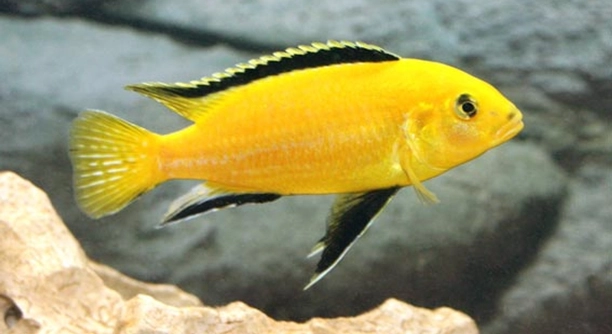
Owning electric yellow cichlids can be both exciting and challenging, especially for first-time fish keepers. Their vibrant color and lively behavior quickly make them the centerpiece of any home aquarium, drawing attention naturally.
Raising a first pair of electric yellow cichlids teaches important lessons about water quality, diet, tank setup, and social behavior. Observing their interactions and maintaining stable conditions are key to their health and longevity in captivity.
Learning these lessons early helps establish a strong foundation for future aquariums, ensuring the fish thrive while reducing common mistakes new keepers often face.
Choosing the Right Tank Setup
When I first set up my tank for my electric yellow cichlids, I learned that space and structure are critical. A 55-gallon tank gave them enough room to swim freely while maintaining stable water conditions. I added rocks and hiding spots to mimic their natural environment, which helped reduce aggression. Proper filtration was essential to keep ammonia and nitrites at safe levels. I also discovered that a sand substrate worked better than gravel, as these cichlids like to dig. Lighting played a role too, enhancing their vibrant yellow color without stressing them. Temperature control was another key factor; keeping the water between 75 and 82 degrees Fahrenheit ensured they remained healthy and active. The initial setup required careful planning, but the effort paid off in observing calmer, more active fish. Over time, small adjustments to the arrangement made a noticeable difference in their behavior and overall tank harmony.
Providing a stable, well-structured tank environment allowed my cichlids to thrive and feel secure.
Regular monitoring of water parameters and tank cleanliness ensures long-term health and minimizes stress for the fish.
Feeding and Diet
Electric yellow cichlids require a balanced diet to maintain their color and health.
I quickly learned that a mix of high-quality pellets, occasional frozen foods, and fresh vegetables kept my cichlids active and vibrant. Feeding them twice daily in small amounts prevented overfeeding and helped maintain water quality. I noticed that certain foods enhanced their yellow coloration over time, making them look healthier. Offering variety also reduced boredom, encouraging natural foraging behavior. I avoided over-reliance on flakes alone, as these lacked the nutrients needed for long-term vitality. Monitoring their appetite helped me detect early signs of illness or stress. Additionally, feeding in one area of the tank created a routine that reduced aggression during mealtime. Observing their interactions while eating revealed social hierarchies and reinforced which fish needed extra attention. Adjusting portions according to their size and growth kept them from becoming overweight, which can lead to health problems. Proper diet management ultimately improved their energy levels, coloration, and overall well-being.
Maintaining a consistent, varied feeding schedule is crucial for healthy, colorful electric yellow cichlids.
Over time, I realized that attentive feeding practices not only improved their appearance but also enhanced their behavior. Watching them eagerly explore for food and interact more peacefully made the tank a more lively and balanced environment. Introducing occasional live or frozen foods strengthened their immune systems, while vegetables provided essential vitamins. The small effort of preparing a proper diet for them had a big impact on their long-term health, reducing disease risk and improving activity. Consistency and observation allowed me to adjust portions and types of food based on their responses, ensuring no fish was underfed or stressed. This combination of structured feeding, careful portioning, and variety turned mealtime into both a nutritional and behavioral learning experience, reinforcing their natural instincts while keeping them healthy and vibrant.
Understanding Their Behavior
Electric yellow cichlids are naturally territorial and social. Observing their movements and interactions is key to managing aggression.
I noticed early on that certain hiding spots reduced confrontations, while open areas encouraged displays of dominance. Recognizing which fish were more assertive helped me rearrange the tank strategically. Some aggression is normal, especially during feeding or breeding periods, but excessive fighting signals stress or overcrowding. Monitoring their behavior daily allowed me to intervene when necessary, either by adding barriers or providing extra space. Over time, I learned to anticipate their moods based on subtle signs, such as fin flaring or chasing, which minimized injuries and maintained a calmer environment.
Pairing them carefully and observing their social hierarchy helped maintain balance in the tank. Adjusting decorations and territory markers prevented persistent conflicts and allowed shy fish to settle comfortably.
Breeding Insights
Successful breeding requires patience and preparation. Electric yellow cichlids need stable water conditions, proper diet, and secure nesting spots.
When my pair started showing breeding behavior, I provided flat rocks and shallow caves for them to lay eggs. I observed their rituals closely, noting how the male would guard the territory while the female prepared the site. Feeding them high-quality, protein-rich foods encouraged reproductive readiness. I had to maintain clean water and monitor temperature carefully, as small fluctuations disrupted their behavior. Keeping the tank relatively quiet minimized stress, allowing the pair to focus on breeding. Watching them care for the eggs taught me about their natural instincts and commitment to offspring, reinforcing the importance of a well-prepared environment.
Breeding also revealed their personalities more clearly, showing dominance, patience, and cooperation. Over time, I realized that not every pair will breed immediately, and forcing them can lead to stress or aggression. Respecting their timing and providing consistent conditions resulted in healthier fry. Observing the hatching process and early development was both educational and rewarding, highlighting the importance of attention to detail. Maintaining a structured feeding and cleaning routine ensured both adults and fry thrived. These experiences strengthened my understanding of their needs and emphasized that successful breeding relies on careful planning, patience, and observation rather than luck.
Water Quality Management
Maintaining stable water quality is essential for electric yellow cichlids. Regular testing of ammonia, nitrite, nitrate, and pH levels prevents stress and illness.
Frequent partial water changes and proper filtration kept the tank clean and safe. I learned that even small fluctuations can affect their behavior and color, so consistency was key.
Recognizing Health Issues
I quickly noticed that changes in appetite, color, or activity often indicated health problems. Prompt attention prevented minor issues from becoming serious.
Observing fins, eyes, and gill movement helped me detect infections or stress early. I adjusted diet, cleaned the tank, and sometimes isolated fish to ensure recovery, keeping the entire environment healthy.
Tank Maintenance
Keeping the tank clean requires a structured schedule. I developed a routine for water changes, substrate vacuuming, and filter cleaning.
Regular maintenance minimized algae growth, prevented waste buildup, and promoted stable water parameters. Clean tanks reduced stress, encouraged natural behaviors, and supported vibrant coloration in my cichlids.
FAQ
How often should I feed my electric yellow cichlids?
I found that feeding them twice a day in small portions works best. Overfeeding led to poor water quality, while underfeeding affected their energy and color. I kept a consistent schedule and varied their diet with pellets, frozen foods, and occasional vegetables to maintain health.
What tank size is ideal for a pair?
A 55-gallon tank gave my pair enough space to swim freely while reducing aggression. Adding rocks and hiding spots created territories, which helped prevent fights. Larger tanks are even better for multiple fish, but stability and layout matter more than just volume.
How do I manage aggression between the pair?
Providing multiple hiding spots and visual barriers helped reduce tension. Observing interactions daily allowed me to separate fish temporarily if fights escalated. Recognizing dominant and shy personalities early helped me plan tank arrangement and feeding routines to maintain balance.
What water parameters should I maintain?
I kept the temperature between 75 and 82°F, pH around 7.5–8.5, and ammonia and nitrites at zero. Nitrate levels stayed below 40 ppm. Frequent testing and partial water changes were crucial. Stable conditions prevented stress, illness, and color loss.
Can I breed my pair at home?
Yes, but patience and preparation are essential. I provided flat rocks and caves for egg laying, kept water stable, and offered a protein-rich diet. Observing their behavior without interference ensured eggs were protected and fry survived the early stages.
What signs indicate health problems?
Loss of appetite, faded color, lethargy, clamped fins, or rapid gill movement were warning signs. I addressed these quickly by checking water quality, isolating affected fish, and adjusting diet. Early detection prevented serious illness.
How important is tank maintenance?
Regular maintenance is crucial. I performed partial water changes weekly, vacuumed the substrate, and cleaned filters. This reduced algae buildup, removed excess waste, and stabilized water parameters. Clean tanks helped my cichlids stay active, healthy, and stress-free.
What is the best substrate for them?
I chose fine sand because they like to dig. Gravel can trap waste and lead to water issues. Sand also mimics their natural habitat, encourages natural behavior, and makes it easier to spot uneaten food or debris.
Do they require special lighting?
Moderate lighting enhanced their yellow coloration without causing stress. I avoided very bright lights and ensured areas of shade were available. A consistent day-night cycle helped regulate activity and behavior, supporting overall health.
How can I prevent diseases?
Maintaining clean water, a balanced diet, and a stress-free environment was key. I quarantined new fish, avoided overcrowding, and monitored behavior closely. Prompt treatment at the first sign of illness helped prevent outbreaks and ensured long-term tank stability.
Is it okay to mix them with other fish?
I found they can be territorial, so tank mates must be chosen carefully. Other African cichlids of similar size and temperament worked best. Smaller or passive species were often stressed or bullied. Proper space and hiding spots helped reduce conflicts.
How do I improve their color naturally?
A balanced diet, stable water conditions, and reduced stress enhanced vibrancy. I included high-quality pellets, occasional live or frozen foods, and vegetables rich in nutrients. Avoiding sudden changes in water parameters or tank layout also helped maintain their bright yellow hue.
How long do they usually live?
With proper care, electric yellow cichlids can live up to 8–10 years. Consistent water quality, balanced diet, and a well-maintained environment were essential for longevity. Observing behavior and addressing minor health issues early contributed to a longer, healthier life.
Can I rearrange the tank once they are established?
Yes, but I did it slowly to avoid stress. I moved rocks and hiding spots gradually while observing reactions. Sudden changes triggered aggression or hiding behavior, so pacing adjustments helped them adapt without disrupting the social hierarchy.
What should I do if one fish becomes sick?
I isolated the sick fish in a quarantine tank to prevent spreading illness. I monitored water parameters, adjusted diet, and applied treatments as needed. Observing recovery closely ensured the other fish remained healthy and stress-free.
Are supplements necessary for electric yellow cichlids?
I occasionally added vitamins or mineral supplements to their diet when needed. High-quality pellets provided most nutrients, but supplements helped during breeding or recovery periods. Overuse wasn’t necessary and could negatively affect water quality.
How do I encourage natural behaviors?
Providing hiding spots, open swimming areas, and digging-friendly substrate encouraged exploration and natural territorial behavior. Observing their interactions during feeding and breeding helped me support instincts without forcing them, which reduced stress and improved overall well-being.
Can they live alone or in pairs only?
They prefer social interaction but can thrive in pairs or small groups. Too many in one tank increased aggression, while only one fish might become bored or stressed. Pairing compatible individuals and providing enough space balanced social needs and reduced conflicts.
How often should I test water?
I tested water at least twice a week, checking ammonia, nitrites, nitrates, and pH. More frequent tests were needed after adding new fish or adjusting tank setup. Monitoring ensured quick responses to fluctuations, keeping the environment safe and stable for all inhabitants.
What is the best temperature range?
Keeping the water between 75–82°F maintained activity, appetite, and color. Temperatures outside this range caused stress, reduced feeding, and increased susceptibility to illness. I used a reliable heater and thermometer to maintain consistency daily.
How do I handle aggressive feeding behavior?
I fed small portions in multiple areas to reduce competition. Observing which fish dominated helped me adjust feeding spots. Over time, they learned routines, reducing fights and ensuring all fish received adequate nutrition.
What decorations work best for their tank?
Rocks, caves, and hiding spots allowed them to establish territories. Smooth surfaces prevented injuries, while open areas encouraged swimming. I avoided sharp or overcrowded decorations, which increased stress and aggression, maintaining both safety and natural behavior patterns.
Can they tolerate fluctuations in pH or hardness?
Minimal fluctuations are tolerated, but sudden changes stressed them. I kept pH stable around 7.5–8.5 and monitored hardness to match their natural preferences. Consistency helped maintain health, coloration, and normal behavior.
Is it okay to feed them live food?
Live food like brine shrimp or daphnia can be offered occasionally. It boosted protein intake and encouraged natural hunting behavior. I ensured the food was disease-free and balanced with regular pellets and vegetables to maintain overall nutrition.
How long should they rest at night?
Providing a consistent light-dark cycle of about 10–12 hours of darkness allowed natural rest. They became less active, reducing stress and promoting digestion. Observing behavior confirmed they adapted well to the cycle.
What are common mistakes for new keepers?
Overfeeding, overcrowding, unstable water, and ignoring aggression were common errors. I learned to plan tank layout carefully, maintain water quality, and monitor behavior daily. Addressing issues early prevented stress, illness, and color loss, improving the overall experience of keeping these cichlids.
How can I make the tank more visually appealing?
Natural-looking rocks, sand substrate, and moderate lighting enhanced the yellow coloration. Open swimming areas combined with hiding spots created depth and visual interest. I balanced aesthetics with functionality to ensure the fish remained comfortable and healthy.
What’s the best way to introduce new fish?
I quarantined new arrivals for at least two weeks and acclimated them slowly to the tank’s temperature and water parameters. Gradual introduction reduced stress, allowed observation of behavior, and minimized disease transmission, protecting existing fish.
How do I monitor fry growth?
I observed fry daily, ensuring they received small portions of finely crushed food. Clean water and gentle feeding supported growth. Separating fry from adults when necessary prevented accidental predation and gave them space to develop properly.
Can they adapt to other tankmates over time?
Yes, but compatibility and tank size matter. I introduced other cichlids of similar temperament slowly and monitored aggression. Providing enough space and hiding spots helped maintain harmony while allowing natural interactions.
Is frequent tank rearrangement necessary?
No, frequent changes caused stress. I only adjusted decorations gradually if aggression or dominance issues appeared. Stability helped fish feel secure, reduced fights, and encouraged natural behavior patterns, supporting long-term health and coloration.
Do they require additional water treatments?
Occasionally, I added conditioners to remove chlorine or neutralize metals. Most of the time, maintaining proper filtration and partial water changes was sufficient. Only use treatments when necessary to avoid chemical buildup in the tank.
How can I tell if they are stressed?
Signs include hiding constantly, clamped fins, reduced appetite, or aggressive chasing. I responded by checking water quality, providing extra hiding spots, and monitoring interactions. Early intervention minimized harm and restored balance in the tank.
What is the best method for cleaning the substrate?
I used a siphon vacuum during partial water changes. It removed uneaten food and waste without disturbing the fish excessively. Regular cleaning prevented ammonia spikes and kept the tank environment healthy.
How do I maintain their bright yellow color?
A stable environment, nutritious diet, and minimal stress improved vibrancy. Foods rich in carotenoids helped, and observing behavior ensured their needs were met. Over time, consistent care produced a natural, healthy color without artificial enhancements.
Are they suitable for beginner fish keepers?
They are manageable with proper research and commitment. I learned to monitor water, manage aggression, and maintain diet. While they require attention, their personality and color make the effort worthwhile. Consistency and observation are key to success.
How do I prevent them from digging excessively?
I added enough sand for natural digging behavior and positioned rocks to limit damage to plants or decorations. Observing their patterns allowed me to make small adjustments without restricting natural instincts, keeping the tank organized and safe.
What is the ideal tank decoration ratio?
I balanced open swimming space with rocks and hiding spots. Too many decorations increased stress, while too few caused aggression. A well-planned layout allowed natural behavior, reduced fights, and provided visual appeal for both the fish and the tank.
How often should I replace filter media?
I replaced filter media according to manufacturer recommendations, usually every 4–6 weeks, while rinsing it in tank water during partial changes. Proper maintenance kept filtration effective without removing beneficial bacteria, maintaining water stability.
Do electric yellow cichlids recognize their owners?
They often respond to routine feeding and familiar movements. I noticed my pair became more active when I approached the tank and anticipated food. While not affectionate, they show recognition and adapt to consistent care patterns.
How do I prevent algae buildup?
Regular water changes, controlled lighting, and balanced feeding helped reduce algae growth. I also added decorations that were easy to clean and monitored nutrient levels to prevent excessive proliferation, keeping the tank visually clean and safe.
Can they live with plants?
Yes, but hardy plants are best. I chose species that could withstand digging, like Anubias or Java fern. Positioning plants in secure areas reduced damage, allowed natural behavior, and added both shelter and aesthetic value to the tank.
What’s the best way to acclimate them to new water conditions?
I used a drip acclimation method over 1–2 hours, gradually mixing tank water with transported water. This minimized stress, reduced shock, and helped maintain stable health, ensuring the fish adapted smoothly to the new environment.
How long should feeding sessions last?
I kept feeding sessions brief, around 5 minutes, to prevent overfeeding. Observing how quickly they ate helped me adjust portions. Short sessions reduced waste, maintained water quality, and encouraged healthy activity levels.
Can electric yellow cichlids tolerate cooler temperatures?
Short periods of slightly cooler water are tolerable, but prolonged exposure stressed them and reduced appetite. Maintaining consistent temperatures within the 75–82°F range was critical for health, behavior, and color retention.
What’s the best way to handle aggressive males?
I monitored dominant behavior and rearranged decorations or added visual barriers. In extreme cases, separating aggressive individuals temporarily reduced injuries. Recognizing natural hierarchy early allowed me to maintain balance without constant intervention.
Do they need a specific type of filter?
A high-quality canister or hang-on-back filter worked best. Strong filtration kept water clear, removed waste, and maintained stability. I avoided filters that created overly strong currents, which stressed the fish and disrupted natural swimming patterns.
How do I manage water hardness?
I tested and adjusted water hardness using safe additives when necessary. Electric yellow cichlids prefer moderate hardness, and maintaining consistent levels prevented stress, improved breeding success, and supported overall health.
Can I keep them in a community tank?
Only with compatible species of similar size and temperament. I avoided mixing them with small, passive fish, as they became targets for aggression. Proper spacing and hiding spots were essential to minimize conflicts.
How do I prevent overpopulation during breeding?
I either separated fry into another tank or limited breeding opportunities by managing diet and monitoring behavior. This prevented overcrowding, maintained water quality, and ensured both adults and young fish remained healthy.
What’s the best approach for water changes?
I performed 20–30% weekly water changes, carefully siphoning the substrate. Consistent partial changes maintained stable water parameters, removed waste, and reduced stress, supporting long-term health for both adults and fry.
How do I keep track of multiple pairs?
I monitored each pair’s behavior, feeding, and breeding activity separately. Keeping notes on interactions and tank conditions helped me manage aggression, health, and diet effectively, ensuring all fish thrived without interference.
Can they tolerate temporary power outages?
Short outages are manageable, but prolonged loss of filtration or heating stressed them. I prepared backup air pumps and heaters to maintain oxygen levels and temperature, minimizing risk during unexpected events.
Are there seasonal changes in behavior?
I noticed slight variations in activity and appetite with seasonal light and temperature shifts. Adjusting feeding and monitoring water parameters helped maintain consistency, preventing stress and supporting stable health throughout the year.
Do they need a separate tank for breeding?
Not necessarily, but I sometimes isolated fry to prevent predation. Providing flat rocks and caves in the main tank allowed breeding while keeping fry safe once hatched. Observation and intervention ensured survival without constant separation.
How do I ensure long-term tank stability?
Consistent water testing, regular maintenance, controlled feeding, and observation of behavior were key. Gradual changes, careful monitoring, and preparation for potential issues maintained a healthy, stable environment over time.
What is the average growth rate of fry?
Fry grew steadily when fed small, frequent portions and kept in clean, stable water. Monitoring their size weekly helped me adjust food and prevent overcrowding, ensuring healthy development and survival into adulthood.
Can electric yellow cichlids coexist with invertebrates?
Small invertebrates may be eaten. I kept snails or shrimp only in areas where cichlids rarely dug or hunted. Observing interactions helped me protect invertebrates while maintaining natural tank behavior.
How do I manage nitrate levels effectively?
Regular partial water changes, controlled feeding, and live plants helped reduce nitrate buildup. I monitored levels weekly to prevent stress and maintain optimal health for both adults and fry.
Is it necessary to provide supplemental oxygen?
I found it rarely necessary with proper filtration and water movement. Aeration became useful only during high stocking or temporarily elevated temperatures. Proper water circulation generally met their oxygen needs.
Can stress affect coloration?
Yes, stressed fish lost vibrancy. I minimized sudden changes, maintained consistent water quality, and provided hiding spots. A calm, stable environment helped preserve bright yellow coloration and overall health.
How do I prevent overfeeding?
I measured portions and fed only what they could consume in a few minutes. Uneaten food was removed to maintain water quality. Consistent portions prevented obesity and preserved tank conditions.
What is the ideal group size for a small tank?
A pair or a small group of compatible fish worked best in a 55-gallon tank. Overcrowding increased aggression, while too few limited social behavior. Balance and adequate space ensured health and reduced conflict.
How do I reduce algae naturally?
Moderate lighting, controlled feeding, and live plants helped reduce algae growth. I avoided excessive nutrients and maintained water quality to keep algae at manageable levels without chemicals.
Do they require specific minerals in water?
Moderate hardness and essential minerals supported bone and scale health. I monitored parameters and supplemented only when necessary, avoiding excess that could disrupt water chemistry or stress the fish.
Can they tolerate temporary overcrowding?
Short periods are manageable, but prolonged overcrowding increased stress, aggression, and disease risk. I maintained adequate space, monitored behavior, and adjusted stocking to prevent long-term issues.
What is the best way to acclimate fry?
I introduced fry slowly to new tanks, using small water changes over time. Stable temperature, clean water, and frequent small feedings ensured healthy growth and minimized stress during transition.
How do I handle stubborn aggression?
I rearranged tank decor, added hiding spots, or temporarily separated dominant individuals. Consistent observation allowed me to maintain a balanced environment without causing injury or long-term stress.
What’s the ideal light cycle?
I maintained 10–12 hours of light and 12–14 hours of darkness. This supported activity, feeding, and rest cycles while reducing stress and promoting healthy behavior.
How do I prevent disease spread?
I quarantined new fish, maintained clean water, monitored behavior, and treated illnesses promptly. Early detection and isolation prevented outbreaks, protecting both adults and fry.
Are live plants beneficial?
Yes, they provided shelter, encouraged natural behavior, and improved water quality. I chose hardy species resistant to digging to balance aesthetics with functionality.
How do I manage pH fluctuations?
I tested pH regularly and made gradual adjustments when necessary. Stability prevented stress, aggression, and health issues, supporting color, appetite, and breeding readiness.
Can they coexist with aggressive species?
Only with caution. I avoided mixing with highly aggressive or much larger fish. Adequate space, hiding spots, and careful observation were required to maintain harmony.
Do they require special supplements for breeding?
Occasional protein-rich foods and vitamins encouraged reproductive readiness. I balanced supplements with regular diet, avoiding overuse that could impact water quality.
How long should fry stay with parents?
I monitored behavior and separated fry only when adults became aggressive. Allowing initial parental care promoted survival, while early separation protected fry as they grew.
What is the best method to monitor behavior?
Daily observation during feeding, rest, and interaction revealed mood, health, and hierarchy. Notes helped me track patterns and intervene before minor issues escalated.
**How do I
Electric yellow cichlids can be a rewarding addition to a home aquarium when cared for properly. From my experience, the key to success lies in providing a stable environment and paying attention to the fish’s behavior. Simple steps such as maintaining water quality, monitoring temperature, and arranging hiding spots can make a noticeable difference in their health and activity. These fish are naturally territorial and social, so understanding their personalities and interactions is important. I learned that even small changes in their environment can affect mood, appetite, and color, so observing them regularly became part of my routine. Over time, I developed a better sense of their needs, which helped prevent stress and aggression while keeping them active and vibrant.
Feeding and diet are equally important for maintaining health and coloration. I found that a balanced approach works best, combining high-quality pellets with occasional frozen foods or vegetables. Overfeeding or inconsistent schedules can quickly lead to water problems and less active fish, so keeping portions measured and consistent is essential. Watching how my cichlids responded to different foods also taught me about their preferences and natural instincts. Offering variety not only improved their nutrition but also encouraged natural behaviors like foraging and exploration. Paying attention to feeding habits helped me spot early signs of stress or illness, allowing for quick adjustments before problems escalated. Over time, consistent feeding practices created a routine that the fish adapted to, reducing tension during meals and supporting healthy growth.
Tank maintenance, careful observation, and attention to detail are the foundation for a successful aquarium. Regular water changes, substrate cleaning, and monitoring of chemical parameters ensured that the tank remained safe and stable. I learned that small, consistent efforts often prevent larger issues later, especially when breeding or raising fry. Observing social dynamics and providing enough space and hiding spots minimized conflicts while encouraging natural behavior. Even the smallest adjustments, like moving a rock or rearranging a cave, had a big impact on how the fish interacted and settled. Overall, keeping electric yellow cichlids taught me patience, careful planning, and the importance of observing their needs. With time and consistent care, these fish can thrive, display beautiful colors, and offer an engaging, lively presence in any well-maintained tank.

Hello,
If you enjoy the content that we create, please consider saying a "Thank You!" by leaving a tip.
Every little bit helps us continue crafting quality advice that supports the health, happiness, and well-being of pets around the world, for pets of all shapes, sizes, and species.
We really appreciate the kindness and support that you show us!