
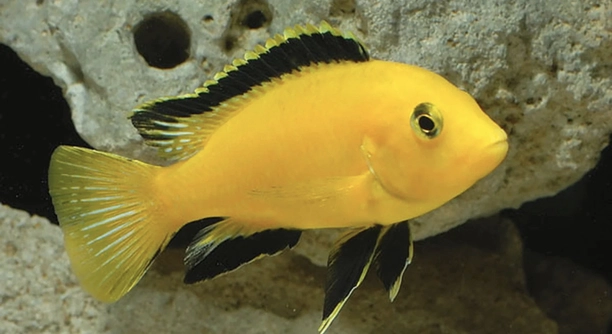
Have you ever set up an aquarium where your electric yellow cichlids needed calm places to feel secure and settle peacefully in their habitat, providing natural structures helps them stay comfortable throughout their daily routine.
Electric yellow cichlids benefit from hiding spots that mimic natural environments, including rocky crevices, stacked slate, dense plants, and small caves that reduce stress. These structured areas support stable behavior, territorial balance, and improved overall comfort within their aquarium setup.
These thoughtful choices offer gentle support for their daily well being, creating calm spaces that encourage movement and natural exploration.
Rocky Formations
Rocky formations create one of the most reliable hiding spots for electric yellow cichlids, giving them a stable place to settle when they want calm moments away from activity. These structures shape natural boundaries that help reduce tension in the aquarium, especially when several fish share the same space. I like using smooth, stackable rocks that interlock safely without shifting because they form shaded pockets where the fish feel secure. The layered shapes make it easy for them to move through openings while still controlling their territory with ease. When arranged tightly, these formations also prevent accidental collapses that might disrupt the fish or damage the tank. Their durability makes them useful for long term setups, keeping the environment stable as the fish grow. With consistent placement and enough space, rocky structures support predictable patterns that help your cichlids remain calm throughout their daily routines in their peaceful aquatic home.
These formations also simplify upkeep by creating stable sections that stay clean with regular care. Their tight structure limits debris buildup, and the shaded spaces remain cool, giving your cichlids a dependable area that supports steady behavior each day while maintaining balanced conditions that keep their environment calm.
Arranging rocks with intentional spacing encourages gentle movement through the openings, supporting natural patterns without causing stress. I prefer creating small clusters that connect loosely, allowing the fish to shift between sections comfortably. This setup forms clear paths they can memorize and reuse during daily activity. It also lowers the chances of territory disputes by separating visual lines within the aquarium. When paired with stable filtration and regular cleaning, these structures help keep water conditions consistent. Over time, the fish become familiar with each corner, giving them a sense of stability that shapes calm behavior and steady exploration everywhere inside.
Dense Aquatic Plants
Dense aquatic plants offer gentle cover that helps electric yellow cichlids feel secure during active hours. Thick leaves soften bright lighting and create shaded pockets, allowing the fish to rest easily while maintaining natural movement patterns that reduce stress within shared spaces and support steady behavior throughout their calm daily.
Dense plants play an important role in creating natural cover that lets electric yellow cichlids feel comfortable as they move through their environment. I like using a mix of tall stems and compact clusters, since the variation forms gentle pathways that guide movement without overwhelming the fish. These plants break up open areas and reduce visual tension, which helps prevent unnecessary chasing between individuals. When rooted firmly, they also provide light control, softening bright illumination that might otherwise make the fish uneasy. Their structure supports smooth navigation, giving the cichlids predictable sections where they can pause, adjust, and continue exploring calmly. Maintaining plant density is simple with regular trimming because this keeps the layout from becoming tangled or difficult to manage. Stable growth also helps maintain water quality by supporting natural filtration, offering a balanced environment that stays consistent through daily shifts. When the plants are arranged thoughtfully, they form reliable comfort zones that the fish return to repeatedly. Over time, these living structures shape calm patterns that help your cichlids settle into steady routines, keeping their space peaceful while encouraging healthy activity throughout the tank. This stable setup nurtures calm behavior and supports balanced movement throughout their habitat daily.
Ceramic Caves
Ceramic caves create enclosed spaces that offer steady comfort for electric yellow cichlids. Their smooth surfaces prevent injuries, and the solid structure keeps the fish calm by giving them a secure place to withdraw when they want quiet moments away from busy areas.
These caves work well because they provide consistent shelter without shifting or breaking down over time. I like choosing models with rounded openings that allow easy entry and exit since this helps the fish move confidently without feeling trapped. Their enclosed shape reduces visual stress, giving the cichlids a stable area where they can regroup during active periods. Placing them near the bottom of the tank also supports natural routines, letting the fish settle into predictable hiding spots each day. With proper spacing, multiple individuals can use separate areas without conflict, creating balanced behavior throughout your aquarium.
Ceramic caves also blend naturally with other structures, making them easy to pair with plants or rocks for added coverage. Maintaining them is simple because they require only basic cleaning to stay safe and functional. The material stays sturdy under consistent water conditions, so the caves remain dependable for long term setups. I find that fish quickly identify these spots as reliable hideaways, returning to them whenever they want stability. This sense of familiarity helps shape calmer daily behavior and encourages gentle exploration once they feel ready to move again.
Driftwood Structures
Driftwood structures provide natural shading and soft boundaries that help electric yellow cichlids settle comfortably. Their organic shapes create crevices the fish can slip through easily, offering calm spaces that reduce tension and support steady movement throughout the aquarium.
Well chosen driftwood pieces bring both structure and comfort to the tank by forming shaded pockets that feel natural to the fish. I like selecting pieces with branching shapes because they create several gentle hiding spots without overwhelming the layout. This helps break up open areas, reducing unnecessary chasing and keeping the environment peaceful. Driftwood also softens the visual flow of the tank, giving the cichlids predictable sections where they can rest or pause safely. Over time, these structures help maintain stable behavior and encourage gentle exploration.
PVC Pipes and Tubes
PVC pipes and tubes offer easy-to-navigate hiding spots for electric yellow cichlids. Their smooth interior prevents scrapes, and the hollow structure gives the fish a secure retreat where they can rest or observe without disturbance.
I prefer arranging several pipes at different angles to create multiple access points. This allows the cichlids to explore while maintaining their sense of safety. The lightweight material makes it simple to move or adjust the layout as needed, keeping the tank flexible and the fish comfortable.
Rock Shelves
Rock shelves form layered hiding areas that mimic natural ledges. I like stacking flat rocks with small gaps, giving electric yellow cichlids multiple levels to rest, explore, and claim temporary territory without crowding the aquarium. This setup encourages natural movement patterns and helps reduce stress during daily activity.
Leafy Floating Plants
Leafy floating plants provide gentle shade and break up open water, creating soft zones where electric yellow cichlids feel secure. Their natural coverage reduces light intensity and offers a calming effect, encouraging the fish to explore and rest in familiar, protective areas.
FAQ
What are the best hiding spots for electric yellow cichlids?
The best hiding spots include rocky formations, ceramic caves, driftwood, dense plants, PVC pipes, and leaf-covered areas. Each provides security, reduces stress, and allows the fish to settle comfortably. I like combining several types to create variety, helping the cichlids feel at ease throughout the tank.
How many hiding spots should I provide in my aquarium?
Providing multiple hiding spots is essential. For a small tank, 3–4 well-placed areas are sufficient, while larger tanks benefit from 6–8 spread out. I ensure each fish can find a spot without crowding, helping maintain calm behavior and reduce disputes over territory.
Can I use artificial decorations as hiding places?
Yes, artificial decorations like ceramic caves or plastic plants can work well. I often mix natural and artificial elements for durability and easy cleaning. Smooth surfaces prevent injuries, and artificial pieces stay stable while maintaining reliable hiding areas for the fish.
Do electric yellow cichlids need hiding spots at all times?
Yes, they use hiding spots whenever they feel stressed, want to rest, or establish territory. I notice my fish retreat to shaded areas during feeding or when other fish become active. Constant access helps them maintain calm behavior and daily routine.
How should I arrange hiding spots in the tank?
Place hiding spots evenly and in multiple sections to avoid crowding. I usually mix tall plants with rocks or caves near the bottom, leaving open areas in between. This layout allows the fish to explore, retreat, and observe without feeling trapped or stressed.
Will hiding spots affect water quality?
They can slightly impact water flow if crowded, but proper placement prevents stagnant areas. I make sure rocks and caves don’t block filters. Floating plants and driftwood contribute positively by offering shade and surfaces for beneficial bacteria, supporting water balance.
How do I maintain hiding spots?
Clean decorations regularly to prevent algae buildup. I remove debris from rock crevices and trim plants as needed. Ceramic caves and PVC tubes can be rinsed with warm water. Regular maintenance ensures the hiding spots remain safe and functional.
Do hiding spots influence fish behavior?
Absolutely. I observe that fish with access to multiple hiding spots display calmer behavior, reduced chasing, and more consistent feeding patterns. Hiding spaces help establish territories and allow timid fish to participate in the tank without stress.
Are live plants better than artificial ones for hiding?
Live plants offer natural cover and contribute to water quality by absorbing nitrates. I use them alongside artificial options for consistency, since plants may require trimming and care. Both types provide safe retreat zones, supporting comfort and predictable movement.
Can hiding spots prevent aggression?
Yes, they reduce stress and territorial fights by giving fish multiple areas to claim. I notice fewer chases and injuries when each cichlid has its own retreat. Adequate coverage encourages peaceful interactions and maintains harmony in the tank.
Is it necessary to rearrange hiding spots over time?
Occasionally rearranging can stimulate exploration and prevent boredom. I move rocks or shift plants slightly, but always keep core areas stable. This balance ensures the fish stay comfortable while benefiting from mild environmental variation.
How do I choose hiding spots for a community tank?
Select structures that suit all species present. I make sure cichlids have caves and crevices while other fish have plant cover. Providing multiple options reduces competition and allows each species to feel safe, supporting balanced behavior throughout the aquarium.
Can small or juvenile cichlids use the same hiding spots as adults?
Smaller fish need tighter or lower spaces. I often place smaller caves or pipes near larger structures, ensuring juveniles can hide safely without interference. This approach helps them grow with confidence while maintaining calm daily routines.
Do hiding spots impact breeding behavior?
Yes, caves and crevices encourage spawning by offering secure nesting sites. I notice that electric yellow cichlids become more active around preferred spots when preparing to lay eggs. Safe retreats increase the chances of successful breeding and protect fry from stress.
Are there any risks with too many hiding spots?
Too many can reduce open swimming space and make cleaning difficult. I focus on balance, keeping open areas for movement while providing enough coverage. Proper spacing ensures fish feel secure without overcrowding, supporting both exploration and calm behavior.
How often should I check hiding spots?
Regular inspection is important. I check for sharp edges, algae buildup, or shifts in rocks weekly. Maintaining stability and cleanliness ensures the hiding areas remain safe, functional, and supportive of the fish’s comfort and well-being.
Can hiding spots help stressed fish recover?
Yes, they provide refuge during illness or after conflicts. I place sick or timid fish near caves or plants, allowing them to recover in a calm environment. Access to shelter reduces stress and supports better feeding and healing.
Do hiding spots affect tank aesthetics?
They enhance the natural look of an aquarium while providing function. I combine rocks, plants, and driftwood in visually appealing arrangements that also create multiple retreats. This balance keeps the tank attractive and functional for both the fish and the observer.
Should hiding spots be placed at different tank levels?
Yes, varying heights provide options for fish with different preferences. I place caves at the bottom, floating plants near the surface, and rocks mid-level. This variety allows all fish to find comfort zones that suit their behavior and activity patterns.
How long does it take for fish to use new hiding spots?
Usually within a few days, fish explore and identify safe areas. I notice they gradually return to favored spots consistently, showing comfort and trust in the arrangement. Patience ensures they adapt naturally without forcing interaction or causing stress.
Can hiding spots help with water temperature regulation?
Indirectly. Shaded areas under rocks or plants reduce light exposure, keeping some zones slightly cooler. I observe fish favoring these spots during warmer periods, which helps them maintain comfort and reduces stress from sudden temperature changes.
Are natural materials better than synthetic for hiding?
Natural materials like driftwood and rocks provide organic shapes and surfaces that feel secure. I combine them with synthetic options for durability and ease of cleaning. Both types, when properly placed, support safety, comfort, and calm behavior in electric yellow cichlids.
What is the most important factor in choosing hiding spots?
Safety and accessibility. I ensure materials are smooth, stable, and sized appropriately. Proper placement reduces stress, encourages exploration, and creates predictable areas where the fish feel secure, contributing to overall comfort and healthy daily routines.
How do hiding spots influence feeding behavior?
Fish that feel secure are more likely to feed confidently. I notice electric yellow cichlids retreat briefly to nearby caves after eating, allowing them to digest in comfort. Providing shelter around feeding areas supports steady intake and reduces anxiety during meals.
Can hiding spots be used for observation without disturbing fish?
Yes, strategic placement allows fish to feel safe while remaining visible. I arrange rocks or plants so that cichlids can peek out and interact without feeling threatened, maintaining calm behavior and natural curiosity in their habitat.
Do hiding spots need to be anchored?
Heavy rocks or large structures should be stable to prevent shifting. I secure them carefully, ensuring fish can explore without risk of collapse. Lightweight decorations can rest freely, but stability remains important for safety and comfort.
How can hiding spots encourage natural behavior?
They provide areas to explore, claim territory, and rest, mimicking natural habitats. I observe my cichlids navigating through rocks, plants, and caves in ways that reflect their instincts. Structured retreats encourage predictable, calm, and healthy movement throughout the tank, supporting well-being every day.
What is the key takeaway about hiding spots?
Hiding spots are essential for reducing stress, supporting calm behavior, and encouraging natural activity. I prioritize variety, stability, and accessibility, which together create an environment where electric yellow cichlids thrive and remain comfortable in their daily routines.
This FAQ section provides comprehensive guidance to ensure hiding spots in your aquarium support comfort, safety, and balanced behavior for electric yellow cichlids.
Creating a comfortable environment for electric yellow cichlids depends heavily on the presence of adequate hiding spots. These fish are naturally territorial and benefit from areas where they can rest, explore, and feel secure. Hiding spots reduce stress and create a sense of safety, which encourages steady behavior and calm movement throughout the tank. By providing a variety of options, such as rocky formations, ceramic caves, driftwood, dense plants, PVC tubes, and floating vegetation, each fish can find a preferred retreat that suits its personality and activity level. I have found that the more thoughtfully these spots are arranged, the more confident and relaxed the fish become over time. Creating a balance between open swimming areas and enclosed retreats is essential. Too few hiding spots can increase tension and lead to unnecessary chasing, while too many can overcrowd the tank and make maintenance more difficult. It is important to consider both safety and accessibility when selecting decorations and structures, ensuring the fish can navigate freely without feeling trapped or stressed.
The placement of hiding spots plays a critical role in promoting natural behavior. I usually arrange rocks and caves at the bottom, driftwood in mid-level areas, and floating plants near the surface. This creates multiple levels of shelter that allow electric yellow cichlids to move comfortably through their environment while maintaining visual boundaries. These structured retreats help establish territories and reduce conflict, especially in tanks with multiple individuals. Hiding spots also provide cover during feeding, allowing timid fish to eat without disturbance. Dense plant clusters and shaded areas under driftwood soften bright lighting, giving fish calm zones for rest. Over time, the cichlids become familiar with each retreat, using them consistently for comfort. Regular maintenance, such as trimming plants, cleaning caves, and checking for stability, ensures these hiding spots remain functional and safe. This attention to detail supports long-term well-being and contributes to a peaceful aquarium environment.
Consistency and variety in hiding spots encourage both exploration and security. I like to mix natural and artificial materials to balance durability and aesthetic appeal while providing multiple types of retreats. Rock shelves, caves, and PVC tubes offer solid, stable areas, while driftwood and plants add softness and shade. These combinations mimic the fish’s natural habitat and help maintain predictable routines. Electric yellow cichlids use hiding spots not only to avoid stress but also during periods of rest, territorial adjustment, or breeding. By providing well-planned retreats, fish can engage in natural behaviors while remaining comfortable and confident. Observation shows that those with access to thoughtful hiding areas display calmer activity, balanced feeding habits, and lower levels of aggression. Maintaining these structures with regular care ensures they continue to serve their purpose over time. Overall, hiding spots are a simple but vital component in creating a healthy, stress-free environment for electric yellow cichlids, promoting both their comfort and overall happiness in the aquarium.

Hello,
If you enjoy the content that we create, please consider saying a "Thank You!" by leaving a tip.
Every little bit helps us continue crafting quality advice that supports the health, happiness, and well-being of pets around the world, for pets of all shapes, sizes, and species.
We really appreciate the kindness and support that you show us!