
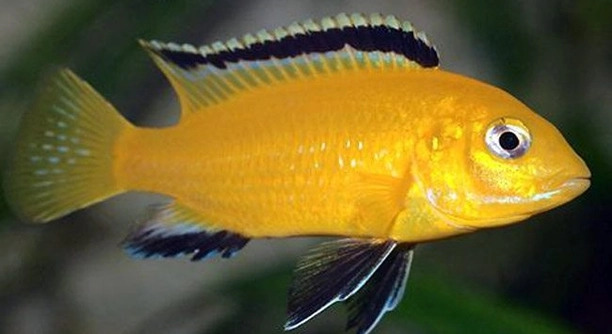
Have you ever noticed your electric yellow cichlids shifting sand in their tank as they search for a digging spot? Their natural habits guide them toward substrates they can move easily and support their activity.
Electric yellow cichlids prefer substrates that mimic their natural lake environment, allowing stable digging behavior. Fine sand, soft blends, and manageable granules support burrowing while reducing stress. These materials enhance organization, improve comfort, and promote activity patterns within aquarium settings.
Each substrate offers benefits that help you understand how different materials influence comfort, movement, and digging behavior for your cichlids.
Fine Sand
Fine sand is one of the most reliable substrates for electric yellow cichlids because it allows them to dig with ease and settle into comfortable spots without resistance. Its soft texture supports natural burrowing habits and keeps stress levels low, which is helpful in active tanks. This material also reduces the chance of debris getting trapped in tight spaces, making maintenance smoother and keeping the water stable for periods. Many keepers appreciate how clean the tank looks when fine sand is used because it settles evenly and stays in place during normal movement. While it shifts when the fish dig, it rarely causes cloudy water or sharp piles that disturb the setup. Fine sand also works well with rocks and decorations, helping you create a tidy environment that supports healthy behavior. When chosen carefully, it becomes a dependable part of the tank that improves comfort and keeps activity steady.
Fine sand stays gentle on their bodies and supports steady digging without causing irritation or strain. It settles smoothly around decorations and rocks, creating a comfortable surface that matches their natural behavior. This material helps maintain stable tank conditions while giving your cichlids plenty of room to move with ease.
Using fine sand also helps you manage the tank more easily because it does not trap waste deeply or form pockets that are difficult to clean. Your cichlids can dig freely without disturbing the overall layout, allowing the aquarium to stay neat and organized. Fine sand supports their natural desire to shift material as they explore each corner of the tank. Its soft texture protects their mouths and fins from scratches, which is especially important in active groups. By choosing fine sand, you offer a simple and reliable base that keeps movement smooth and encourages consistent digging behavior each day.
Crushed Coral
Crushed coral offers a firmer texture that still supports moderate digging while helping maintain stable water chemistry for your cichlids. It slowly raises hardness and pH, which matches their natural needs and keeps them comfortable. This material blends well with rocks and creates a clean, structured base for the tank.
Crushed coral is a useful option for electric yellow cichlids when you want a substrate that supports their digging while also improving the overall balance of the tank. Its grain size allows movement without shifting too quickly, so your cichlids can dig small pits and rearrange sections without creating unstable areas. This makes it a steady choice for tanks that include stacked rocks or caves. Another advantage is its natural ability to raise pH and hardness gradually, which helps you maintain conditions that suit their long term needs. Stable parameters reduce stress and encourage steady activity, which is important for their comfort. Crushed coral also resists compaction, preventing waste buildup and keeping the surface clear for normal movement. While it is firmer than sand, it still allows your cichlids to sift through the grains in a controlled way. This helps maintain their natural behavior while giving the tank a clean and organized look. It also blends well with decor, making it easier to create a layout that supports both appearance and behavior for your fish. Its steady structure supports rock-based setups, allowing you to build hiding spots that remain stable even when your cichlids move the substrate throughout the day.
Play Sand
Play sand offers a soft texture that your cichlids can shift easily without causing irritation. It spreads smoothly around rocks, keeps the tank looking clean, and supports steady digging without forming thick, compacted layers that make maintenance harder.
Play sand works well when you want a simple substrate that stays gentle on your cichlids while also giving them enough movement for natural digging behavior. Its fine grains allow them to carve out small pits or rearrange sections without creating unstable pockets. This makes it a dependable choice for tanks that use a mix of rocks and decorative pieces. Play sand also settles quickly, which helps prevent cloudy water even when your fish move through it often. Many keepers appreciate that it is easy to rinse before use and does not shift too aggressively during normal activity. Its soft feel supports the daily movement patterns of electric yellow cichlids.
Another advantage of play sand is its ability to maintain a balanced look across the tank as your cichlids dig and explore. It shifts smoothly, allowing them to create gentle slopes and shallow areas without disturbing the overall layout. This steady movement helps keep waste from sinking deep into the substrate, making routine cleaning easier. Play sand also works well with natural lighting and decor, giving your tank a calmer appearance while still supporting active fish. Its softness protects mouths and fins as they sift through the grains, which is useful for long term comfort. For keepers who want a reliable substrate without added complexity, play sand offers a simple and effective option.
Aragonite Sand
Aragonite sand helps maintain water parameters that suit electric yellow cichlids by gradually increasing hardness and stabilizing pH. Its grain size supports gentle digging, making it suitable for tanks that require both steady substrate movement and balanced chemistry.
Aragonite sand becomes especially useful when you want to support digging behavior while keeping the tank’s conditions aligned with the needs of African cichlids. It provides a stable base that resists compacting, which helps prevent trapped waste and keeps the surface easy to maintain. This material also blends nicely with rocks and shells, creating a steady layout that stays in place even when your cichlids shift the top layers. Its natural ability to influence water chemistry reduces fluctuations that can stress active fish. Aragonite’s gentle texture allows your cichlids to explore the substrate safely without irritating their bodies. For tanks that need long term stability and consistent digging behavior, aragonite sand serves as a practical and dependable choice.
Pea Gravel
Pea gravel offers a heavier structure that stays in place while still allowing your cichlids to move smaller pieces during light digging. Its rounded edges help prevent irritation, and it supports stable rock arrangements that remain steady throughout daily activity.
Pea gravel works best in setups where you want a structured appearance without limiting natural behavior. Your cichlids can shift the top layer while the lower layers stay firm, which helps keep caves and stacked decorations from collapsing during movement. It also reduces the amount of debris that gets deeply trapped, making regular cleaning more manageable.
Mixed Sand and Gravel
A mix of sand and gravel creates a balanced substrate that supports digging and stability at the same time. The sand allows soft movement, while the gravel adds weight and structure to keep the layout from shifting too easily. This combination also helps distribute waste more evenly across the tank.
Clay-Based Substrates
Clay-based substrates offer a compact texture that supports shallow digging while keeping the tank’s layout stable. They help maintain a tidy appearance, settle well under decorations, and support consistent movement patterns without causing discomfort for your cichlids.
FAQ
What substrate is the safest option for electric yellow cichlids that dig often?
The safest option is fine sand because it stays soft, moves easily, and does not cause irritation. Your cichlids can sift through it naturally without struggling, and it spreads smoothly across the bottom of the tank. This material supports their daily activity while keeping the environment steady and easy to clean. Its gentle texture helps protect their mouths and fins, which is important when they dig frequently. Fine sand also settles quickly, so it does not cloud the water during normal movement.
Can electric yellow cichlids dig in gravel without hurting themselves?
They can dig in gravel as long as the grains are smooth and not sharp. Pea gravel works well because it has rounded edges that stay comfortable during activity. Your cichlids can move the top layer without creating harsh surfaces that might cause small injuries. It is important to avoid rough gravel because it can scratch their skin as they push against it. Smooth gravel supports light digging while keeping the tank stable.
Does substrate choice affect the tank’s water parameters?
Certain substrates influence water conditions in ways that benefit electric yellow cichlids. Aragonite sand and crushed coral gradually raise hardness and stabilize pH, which helps keep your tank closer to the conditions these fish prefer. Sand and gravel mixes do not affect water chemistry as much, but they still support healthy activity. Selecting a material that aligns with the needs of your cichlids helps reduce stress and keeps behavior consistent.
Is it better to use a single substrate or mix different materials?
Both methods work, but mixing sand and gravel creates a stable base that supports digging and prevents the layout from shifting too easily. The sand allows soft movement, while the gravel adds weight that protects the structure of the tank. A single substrate is simpler to maintain, but a mix can offer more control over how the environment stays arranged. Your choice depends on how active your cichlids are and how steady you want your decorations to remain.
How often should substrate be cleaned in a cichlid tank?
Substrate should be lightly maintained each week to prevent buildup. Sand needs gentle cleaning because waste sits on the surface, making it easy to remove without disturbing the tank. Gravel requires deeper maintenance since debris can settle between the grains. A routine cleaning schedule helps keep the water clear and supports healthy digging habits. Regular care prevents trapped waste from causing unpleasant smells or unstable conditions.
Do electric yellow cichlids rearrange the tank often when given loose substrates?
Yes, they enjoy shifting sand and creating small pits along the bottom. Fine sand and play sand let them move material smoothly without disrupting your overall layout too much. Gravel and mixed substrates offer controlled movement, so they can dig but not create deep holes that might disturb decorations. Their rearranging is normal behavior that helps them feel secure.
Can substrate affect how confident or active electric yellow cichlids feel?
A comfortable substrate encourages steady activity and reduces hesitation during digging. Soft materials like fine sand and play sand make it easier for them to explore without stress. Firmer choices like crushed coral and pea gravel still support natural movement when used correctly. When the substrate feels natural and manageable, your cichlids become more active and show healthier patterns each day.
Final Thoughts
Creating a comfortable environment for electric yellow cichlids begins with choosing the right substrate because it affects how they dig, rest, and move throughout the tank. When the base of the aquarium feels natural and safe, your cichlids behave more confidently and show patterns that match their instincts. Sand, gravel, or blends each offer different advantages, and understanding these small details helps you support their daily needs more effectively. Even simple decisions like grain size or softness can make a meaningful difference in how relaxed your fish feel when they begin shifting material around. A well chosen substrate also helps stabilize the overall layout, especially when you use rocks or decorations that depend on a firm base to stay in place. As your cichlids dig and explore, the substrate becomes more than just a surface at the bottom of the tank. It turns into a part of their routine, shaping how they interact with their environment. Keeping that in mind makes it easier to select something that keeps them active and comfortable.
It also helps to think about how the substrate influences the look and upkeep of the aquarium. Fine sand usually creates a clean and smooth appearance because it spreads evenly and settles quickly after movement. Gravel adds weight and structure, which helps the tank hold its shape even when your cichlids dig often. A mix of both can create a steady balance that suits tanks with active fish and multiple decorations. Each option comes with its own maintenance style, so choosing one that matches your cleaning habits will make long term care easier. Waste tends to stay on the surface of sand, making it simple to remove during regular routines. Gravel needs deeper cleaning, but it stays in place well and supports heavier structures. Thinking about maintenance ahead of time keeps the tank stable and prevents long periods of buildup that can affect water quality. When everything stays organized, your cichlids benefit from a space that feels calm and dependable.
No matter which substrate you choose, the main goal is to support natural behavior and create a stable base for long term health. Electric yellow cichlids rely on digging to communicate, establish spaces, and feel secure. A substrate that lets them move without discomfort gives them the freedom to act according to their instincts, which helps maintain a steady and peaceful environment. Watching them shape small pits or rearrange sections of the tank can also give you a better sense of how they respond to their surroundings. These small patterns make it easier to notice changes, understand what they prefer, and adjust the tank when needed. When you select a substrate that aligns with their needs, you create a pleasant space that encourages consistent activity and comfort. Over time, the tank becomes a stable habitat that supports your cichlids in ways that feel natural to them, allowing you to enjoy a cleaner layout and healthier fish.

Hello,
If you enjoy the content that we create, please consider saying a "Thank You!" by leaving a tip.
Every little bit helps us continue crafting quality advice that supports the health, happiness, and well-being of pets around the world, for pets of all shapes, sizes, and species.
We really appreciate the kindness and support that you show us!