
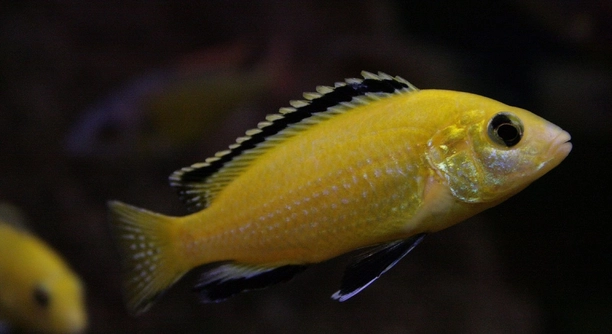
Breeding Electric Yellow Cichlids can be both rewarding and challenging for aquarium enthusiasts. These vibrant fish require careful attention to their environment, diet, and behavior to maximize the chances of successful reproduction. Proper preparation ensures healthier fry and stronger adults.
Ensuring breeding success with Electric Yellow Cichlids involves maintaining optimal water conditions, providing a balanced diet, selecting compatible pairs, creating appropriate breeding spaces, monitoring behavior, and performing regular tank maintenance. Each factor directly influences reproductive health and overall fry survival.
Understanding these essential steps can help you create a thriving environment for your cichlids. Applying the right strategies will improve breeding outcomes consistently over time.
Choosing Compatible Pairs
Selecting the right male and female Electric Yellow Cichlids is essential for breeding success. Males should display vibrant coloration and healthy fins, while females should appear robust and alert. Observing their interactions can help identify pairs likely to bond. Compatibility reduces stress and increases the likelihood of spawning. Tank size, water conditions, and hiding spots influence pairing, as cramped or poorly arranged tanks can prevent proper courtship. It’s helpful to introduce potential pairs gradually and monitor for aggression. Avoid mixing too many cichlids at once, as territorial disputes can interfere with breeding. Pairing fish of similar age and size also encourages cooperative behavior. Providing a stable environment with consistent feeding schedules strengthens bonds between the pair. Healthy fish with minimal signs of disease or stress are more likely to reproduce successfully. Paying attention to these details ensures a higher chance of producing viable, strong fry that grow quickly in a supportive tank environment.
Breeding success starts with observing compatibility and reducing stress in your cichlids’ environment carefully.
Introducing compatible pairs improves mating behavior, reduces conflicts, and supports stronger, healthier fry development. Watching interactions over time ensures natural bonding.
Optimizing Water Conditions
Maintaining stable water conditions is critical for Electric Yellow Cichlids’ breeding. Ideal temperature ranges between 78 and 82°F, and pH should stay around 7.8 to 8.6. Hardness levels must be consistent to replicate their natural habitat. Regular water changes prevent toxins from building up, while proper filtration keeps the water clear and oxygenated. Sudden changes in temperature or chemical balance can stress the fish and halt breeding. Monitoring ammonia, nitrite, and nitrate levels ensures the tank remains safe for both adults and fry. Using a reliable water test kit allows for precise adjustments when necessary. Soft substrates with rocks or caves encourage natural behaviors. Proper lighting cycles simulate day and night, influencing spawning rhythms. Careful attention to these environmental factors not only increases breeding chances but also supports overall fish health and activity. Every adjustment should be gradual to avoid shocking the cichlids, fostering a calm and secure environment that encourages reproduction.
Stable water conditions prevent stress and promote natural spawning behaviors.
Consistency in temperature, pH, and hardness is essential. Gradual changes support fry development and maintain adult health.
Providing a Balanced Diet
A varied diet is key for healthy Electric Yellow Cichlids and successful breeding. Include high-quality pellets, live or frozen foods, and occasional vegetables. Proper nutrition boosts energy, coloration, and reproductive readiness. Avoid overfeeding to maintain water quality and overall fish health.
High-protein foods like brine shrimp, bloodworms, and daphnia encourage spawning by supporting egg production and sperm quality. Vegetables such as peas or spinach add fiber and vitamins, promoting digestion and overall vitality. Feeding smaller portions multiple times a day prevents overfeeding while ensuring consistent nutrient intake. A consistent feeding schedule helps maintain predictable energy levels, allowing the cichlids to focus on breeding behaviors. Avoiding sudden diet changes reduces stress and supports stable health. Over time, well-nourished fish display stronger colors, increased activity, and improved courtship interactions, all essential for successful reproduction. Proper nutrition directly influences both adult health and fry survival rates in the breeding tank.
Consistent, varied feeding supports reproduction and maintains tank stability. Regular observation ensures all fish receive proper nutrition.
Creating Appropriate Breeding Spaces
Electric Yellow Cichlids need defined areas for spawning, such as caves, rocks, or flat surfaces. These spaces reduce aggression, protect eggs, and encourage natural behaviors. Arranging multiple hiding spots helps each fish feel secure and reduces stress during courtship.
Providing breeding sites encourages the pair to claim territories and perform courtship rituals without interference. Flat stones are ideal for laying eggs, while caves or crevices offer protection for both adults and fry. Separating territories can minimize aggressive encounters and ensure eggs remain undisturbed. Monitoring which areas the pair prefers allows adjustments to improve comfort. Avoid overcrowding with too many decorations, which can hinder movement or stress the fish. Proper spacing and orientation of caves, rocks, and ledges facilitate natural spawning behaviors. Fry protection is enhanced when eggs are laid in secluded areas, and adults can focus on guarding them. Over time, observing these preferences ensures higher breeding success and healthier offspring.
A well-structured tank with clear breeding spaces encourages spawning and protects eggs effectively.
Arranging rocks, caves, and flat surfaces supports natural behavior, reduces conflict, and improves fry survival.
Monitoring Behavior
Observing your Electric Yellow Cichlids closely helps identify readiness for spawning. Watch for courtship rituals, chasing, and territorial displays. Early detection of aggression or stress allows timely adjustments in tank conditions or pairing arrangements.
Recognizing these behaviors ensures that the pair is compatible. Noting feeding habits, interactions, and resting patterns provides insight into overall health and breeding potential.
Performing Regular Tank Maintenance
Keeping the tank clean and stable directly affects breeding success. Regular water changes, substrate cleaning, and filter checks prevent harmful buildup and maintain water quality. Stable conditions reduce stress and allow the cichlids to focus on reproduction. Proper maintenance supports fry survival and long-term fish health.
Controlling Lighting
Consistent lighting schedules help regulate cichlids’ natural rhythms. A stable day-night cycle encourages spawning behaviors, while sudden changes can disrupt activity and reduce breeding success.
FAQ
How do I know when my Electric Yellow Cichlids are ready to breed?
Signs of readiness include intensified coloration, chasing behaviors, and territorial displays. Males often dig in the substrate or rearrange rocks, while females may appear more rounded. Observing these behaviors over several days helps confirm pairing readiness without causing stress.
What is the ideal tank size for breeding Electric Yellow Cichlids?
A tank of at least 55 gallons is recommended for a single pair. Larger tanks reduce aggression and allow for proper territory establishment. Adequate space ensures both fish can perform natural spawning behaviors without stress or constant confrontation.
Should I separate the pair during non-breeding periods?
Separation is not usually necessary unless aggression becomes severe. Keeping the pair together encourages bond formation and familiarity. However, monitor interactions closely, especially when introducing new pairs, as territorial disputes can escalate and affect breeding readiness.
How often should I perform water changes during breeding?
Water changes should be consistent, ideally 20-25% weekly. This maintains stable pH, hardness, and removes waste buildup. Clean water supports both egg development and fry survival. Sudden large changes can stress the fish, so gradual adjustments are better.
What type of substrate is best for breeding?
Fine sand or smooth gravel is preferred. These allow males to dig and prepare spawning sites safely. Flat stones can also serve as egg-laying surfaces. Avoid sharp or rough substrates that could damage fins or eggs during digging.
How can I reduce aggression between the pair?
Provide multiple hiding spots and defined territories. Rearranging rocks and caves periodically helps prevent dominance from becoming overwhelming. Ensuring sufficient space and monitoring behavior minimizes stress and encourages cooperative spawning.
When should I move the fry to a separate tank?
Fry can be moved once they become free-swimming and independent, usually around 7-10 days after hatching. Use a gentle net or siphon to reduce stress. Providing separate space ensures the adults do not consume the young and promotes healthy growth.
What should I feed the fry?
Start with freshly hatched brine shrimp or finely crushed high-quality pellets. Gradually introduce small portions of vegetables like blanched spinach as they grow. Frequent, small feedings ensure proper nutrition and support rapid growth during early stages.
Can multiple pairs breed in the same tank?
It is possible but not recommended for beginners. Multiple pairs increase territorial aggression and stress, reducing breeding success. If attempted, provide plenty of space, hiding spots, and separate territories to minimize conflicts. Careful monitoring is essential.
How long do Electric Yellow Cichlids typically take to spawn?
Once paired and ready, spawning can occur within a few days to a week. Courtship behaviors precede egg-laying, and consistent water conditions, diet, and lighting help speed up the process. Patience and observation are key during this phase.
Are there common mistakes to avoid during breeding?
Avoid sudden changes in water, overfeeding, and overcrowding. Neglecting hiding spots or ignoring signs of aggression can reduce success. Consistency in tank conditions, diet, and monitoring ensures healthier eggs, fry, and overall adult wellbeing.
How can I tell if the eggs are fertilized?
Fertilized eggs appear translucent with a small developing embryo, while unfertilized eggs often turn white and may be removed by the female. Regular observation during the first few days allows timely interventions to protect healthy eggs.
Do Electric Yellow Cichlids need a special diet before breeding?
A high-protein diet with occasional live foods enhances fertility and energy levels. Balanced nutrition strengthens both adults and increases fry survival. Avoid sudden changes in diet to prevent stress or digestive issues before spawning.
How do I prevent fungus on eggs?
Maintaining clean water and gentle aeration reduces fungal growth. Removing dead or unfertilized eggs promptly prevents contamination. Some breeders use mild antifungal treatments, but careful water management is usually sufficient.
Is temperature critical for breeding success?
Yes, keeping water between 78 and 82°F supports spawning and egg development. Temperatures outside this range can delay or prevent breeding and may stress adults. Gradual adjustments ensure stability without shocking the fish.
How can I improve fry survival rates?
Provide clean water, proper nutrition, and protected spaces. Minimizing stress from aggressive adults or other tank inhabitants is essential. Regular monitoring and gentle handling during the early stages maximize the likelihood of healthy, thriving fry.
Can breeding frequency affect adult health?
Frequent breeding without recovery time can weaken adults and reduce egg quality. Allow periods of rest between spawning cycles to maintain vitality and ensure sustainable reproductive success over time.
Should I introduce new breeding pairs gradually?
Yes, acclimating new pairs slowly reduces territorial disputes and stress. Observe interactions closely during the first few days and provide multiple hiding spots to promote a smoother introduction and successful pairing.
What signs indicate a pair is not compatible?
Persistent aggression, chasing that leads to injuries, and refusal to engage in courtship behaviors signal incompatibility. In such cases, separating and pairing with different fish often results in better breeding outcomes.
Are decorations necessary for breeding success?
Decorations like rocks, caves, and flat stones provide spawning sites and reduce stress by creating territories. They allow natural behaviors and protect eggs, contributing to higher breeding success. Minimalistic tanks without structures may hinder reproduction and fry survival.
How important is lighting during breeding?
Stable lighting supports natural circadian rhythms and encourages spawning behaviors. A regular day-night cycle helps cichlids feel secure and triggers natural hormonal responses necessary for reproduction. Sudden changes can disrupt activity and reduce egg-laying success.
Can breeding be done in community tanks?
Community tanks are not ideal for breeding due to aggression, predation risks, and competition. Fry are often at risk from other fish. Dedicated breeding tanks provide a controlled, safe environment that maximizes survival rates and reduces stress.
What is the typical lifespan of Electric Yellow Cichlids in captivity?
With proper care, they can live 10-12 years. Healthy adults maintain vibrant colors, strong immunity, and consistent breeding potential over many years if their environment and diet are well-managed.
How can I track breeding progress effectively?
Keep notes on pairing behavior, egg-laying dates, hatching times, and fry development. Observing patterns over multiple breeding cycles helps optimize conditions and increases long-term reproductive success.
Are there signs of stress that affect breeding?
Lethargy, loss of appetite, faded coloration, or excessive hiding indicate stress. Stress reduces spawning likelihood and fry survival. Adjusting water conditions, diet, and tank layout can restore comfort and encourage natural breeding behaviors.
What are the best practices for introducing fry to the main tank?
Acclimate gradually once fry are large enough to avoid predation. Maintain clean water, provide hiding spots, and monitor interactions with adults. Gradual introduction reduces stress and helps fry adapt safely to the main tank environment.
How can I ensure long-term breeding success?
Maintain stable water conditions, provide proper diet, monitor behavior, and allow rest periods between spawning cycles. Careful observation and consistent management of the tank environment sustain adult health and ensure ongoing fry production.
What are the most common mistakes beginners make?
Overcrowding, poor water maintenance, ignoring aggression, and inconsistent feeding schedules are frequent errors. Avoiding these mistakes increases the likelihood of successful breeding and healthier fry.
Is it necessary to remove the pair after spawning?
Removal is not required unless aggression threatens egg or fry survival. In most cases, adults care for the eggs and fry naturally, and interference can cause more harm than good.
Can breeding Electric Yellow Cichlids improve coloration?
Yes, well-fed, healthy fish in optimal conditions display brighter colors, which also signals readiness to breed. Strong coloration is a sign of vitality and successful pairing potential.
How do I handle a failed spawning attempt?
Assess water quality, diet, pair compatibility, and tank setup. Making gradual adjustments and giving the fish time to recover before attempting another spawn often leads to improved results. Patience is key to consistent success.
Are there any supplements that improve breeding?
Occasional vitamins or minerals can support health, but a balanced diet usually provides all necessary nutrients. Focus on high-quality protein sources and a varied feeding schedule for natural reproductive support.
What is the recommended water flow during breeding?
Gentle filtration and low water flow prevent eggs from being disturbed. Strong currents can stress adults and displace eggs, so adjusting flow to a calm, steady level encourages successful spawning.
How quickly do fry grow?
Fry grow rapidly under optimal conditions, becoming free-swimming in about a week. With proper nutrition, they develop quickly and begin exploring the tank while adults guard them, ensuring higher survival rates.
Can stress from other fish affect breeding?
Yes, other tank inhabitants can intimidate or stress a breeding pair. Aggression or constant interference reduces egg production and fry survival. Using a separate breeding tank helps minimize these risks and ensures focused reproductive activity.
How often should I check the eggs?
Daily checks are sufficient to monitor development and remove unfertilized or fungus-infected eggs. Avoid excessive handling, which can stress adults and disrupt natural care. Gentle observation ensures healthy fry.
What should I do if the adults eat the eggs?
This is natural for some pairs. Ensure sufficient hiding spots, provide flat stones, and remove adults only if predation is severe. Adjusting tank layout can reduce egg loss in future spawns.
Is pairing siblings a problem?
Avoid pairing siblings to prevent inbreeding, which can weaken offspring and reduce survival rates. Introduce genetically diverse pairs to maintain strong fry and improve long-term breeding outcomes.
Do temperature fluctuations affect egg development?
Yes, unstable temperatures can halt development or cause deformities. Maintain steady warmth within the ideal range to ensure healthy embryos and maximize fry survival.
How long does it take for eggs to hatch?
Eggs typically hatch in 2-4 days, depending on temperature and water conditions. Consistent monitoring ensures timely protection and care of both eggs and emerging fry.
What is the best way to clean the tank during breeding?
Use gentle water changes, siphon debris carefully, and avoid disturbing eggs or fry. Regular maintenance supports water quality without stressing adults, creating a safe environment for developing young.
Can overfeeding affect breeding success?
Yes, excess food degrades water quality and stresses fish. Balanced feeding prevents health issues, maintains clean water, and encourages successful spawning behavior.
Should I provide additional aeration during breeding?
Moderate aeration supports oxygen levels but avoid strong currents that disturb eggs. Proper aeration ensures healthy adults and developing embryos without causing stress.
How can I encourage natural courtship?
Provide stable conditions, defined territories, and high-quality food. Observing and supporting pair interactions without interference encourages natural behaviors, boosting chances of successful spawning.
Are there signs of infertile eggs?
Infertile eggs appear opaque or white and may be removed by adults. Removing them prevents fungus from spreading and protects healthy eggs, ensuring higher fry survival.
How important is hiding space for fry?
Hiding spots reduce predation and stress, allowing fry to grow safely. Rocks, caves, and plants provide security and promote natural exploration, supporting survival and development.
Can multiple spawning events occur in the same tank?
Yes, with optimal conditions and rest periods, pairs may spawn repeatedly. Monitoring health, water quality, and feeding ensures each batch of eggs has high survival potential.
What is the best method for transferring fry?
Use a small net or gentle siphon, minimizing stress. Acclimate fry gradually to new water conditions, and provide protection from adults or other tankmates during transition.
How can I maintain long-term tank health during repeated breeding?
Regular maintenance, consistent feeding, stable water parameters, and periodic rest for adults prevent stress and depletion. Healthy tanks support sustainable breeding cycles and strong offspring.
Are there signs of disease that affect breeding?
Lethargy, faded colors, and abnormal swimming indicate illness. Disease reduces egg quality and fry survival. Prompt treatment and quarantine prevent spread and protect breeding success.
How do I manage aggression in small tanks?
Provide hiding spots, define territories, and avoid overcrowding. Monitoring interactions ensures less stress, allowing natural courtship behaviors without interference.
Can temperature and pH adjustments improve spawning?
Yes, slight adjustments within safe ranges can trigger spawning behaviors. Gradual changes help fish adapt without stress, supporting reproductive activity and egg development.
What is the average survival rate for fry?
Under optimal conditions, survival rates are high. Proper care, protection, and feeding during early stages significantly improve outcomes and ensure strong, healthy juveniles.
How can I prevent algae or debris from affecting eggs?
Regular water changes, gentle cleaning, and minimal disturbance prevent algae accumulation. Keeping eggs clean reduces fungus risk and supports healthy development.
Should I use chemicals during breeding?
Avoid unnecessary chemicals, as they may stress adults or harm eggs. Maintain water quality through regular maintenance rather than additives to ensure a safe breeding environment.
Can electric yellow cichlids breed year-round?
With stable water, diet, and lighting, pairs can spawn multiple times per year. Allow rest periods to maintain adult health and optimize egg quality between cycles.
How important is consistency in routine?
Consistent feeding, maintenance, and monitoring reduce stress and encourage natural behaviors. Routine supports reproductive health and improves overall breeding success over time.
Are there signs of successful fry growth?
Active swimming, steady size increase, and responsive feeding behaviors indicate healthy development. Observing these signs confirms that tank conditions and care practices support proper growth.
How do I handle overcrowding during breeding?
Remove excess adults or separate pairs into different tanks. Overcrowding increases aggression and stress, reducing spawning success and fry survival. Proper population management ensures a stable environment.
Can water hardness affect breeding?
Yes, Electric Yellow Cichlids prefer moderately hard water. Incorrect hardness can impact egg development and adult reproductive behavior. Gradual adjustments ensure a safe, supportive environment.
How do I know if the pair is forming a bond?
Mutual territory guarding, cooperative egg care, and reduced aggression indicate a bonded pair. Observing these behaviors increases confidence in a higher likelihood of successful spawning.
What should I do if the pair refuses to breed?
Check compatibility, water quality, diet, and tank setup. Adjust gradually and give time for recovery before attempting breeding again. Patience and observation improve success over time.
Are there environmental cues that trigger spawning?
Stable temperature, consistent lighting, proper diet, and defined territories encourage natural courtship and egg-laying behaviors. Mimicking natural conditions supports reproductive instincts.
Can stress from sudden changes prevent breeding?
Yes, abrupt shifts in temperature, pH, or tank layout can halt spawning. Gradual adjustments maintain calm, allowing fish to continue natural reproductive behaviors.
How important is adult health for fry survival?
Healthy adults produce stronger eggs and care for fry effectively. Ensuring adults are well-fed, stress-free, and disease-free supports higher survival rates for offspring.
Do Electric Yellow Cichlids need social interaction to breed?
Yes, pairs require interaction for courtship and bonding. Observing natural behaviors and allowing private space encourages successful reproduction and attentive care of eggs.
Can breeding tanks double as display tanks?
Yes, with careful monitoring and proper setup. However, avoid overcrowding and maintain hiding spaces to protect eggs and fry while still allowing viewing.
How do I adjust the tank for multiple breeding pairs?
Provide separate territories, ample space, and sufficient hiding spots. Careful observation prevents conflict, allowing multiple pairs to breed successfully without interference.
What is the best approach to introduce new fry into a community tank?
Acclimate gradually, provide hiding spots, and monitor interactions. Gradual integration reduces stress and predation risks, ensuring better survival in the main tank.
Are certain times of the year better for breeding?
With stable conditions, Electric Yellow Cichlids can breed year-round. Seasonal cues are less important in controlled tanks, as consistent water, lighting, and diet regulate reproduction.
How can I track growth and development of fry effectively?
Use notes, photos, or measurements to monitor size, activity, and feeding. Tracking growth patterns helps adjust care practices and ensures healthy development.
Can overcrowding affect egg quality?
Yes, stress from limited space reduces egg viability and hinders adult care. Proper tank size and territory management are essential for healthy spawning.
How do I prevent fungal infections in fry?
Maintain clean water, remove dead eggs, and ensure gentle aeration. Healthy adults and proper tank conditions reduce the risk of fungal growth.
What is the role of hiding spots during early fry development?
Hiding spots protect fry from predation, reduce stress, and allow exploration. Rocks, caves, and plants support natural behaviors and higher survival rates.
Can poor nutrition affect adult spawning behavior?
Yes, insufficient protein or vitamins reduces fertility and energy for courtship. A balanced diet encourages active spawning and healthier eggs.
Is constant observation necessary during breeding?
Regular monitoring helps detect aggression, stress, or health issues. Observing without disturbing the fish ensures timely intervention and increases breeding success.
How do I reduce the risk of adult aggression toward fry?
Provide sufficient hiding spaces and monitor parental behavior. Separate adults only if predation is severe, allowing natural care otherwise.
Can water chemistry changes trigger breeding?
Slight, gradual adjustments can simulate natural conditions and stimulate spawning behaviors. Extreme or sudden changes are harmful and should be avoided.
How can I maintain long-term reproductive success?
Keep adults healthy, provide proper nutrition, maintain stable water, and allow rest periods. Consistent care ensures ongoing fry production and adult vitality.
Are there signs that a breeding attempt will fail?
Persistent aggression, disinterest in spawning, or environmental stressors indicate potential failure. Adjust conditions and consider re-pairing if necessary.
What is the recommended feeding schedule for breeding pairs?
Multiple small feedings per day of high-protein foods maintain energy levels and support reproductive activity without overloading the tank.
How long should I leave eggs with the adults?
Generally until fry are free-swimming and independent, usually 7-10 days. Monitor carefully to prevent predation or stress.
Can lighting color affect spawning?
Regular white or natural lighting works best. Colored lights are unnecessary and can disrupt normal behavior if too intense.
Is it necessary to test water parameters frequently during breeding?
Yes, monitoring pH, ammonia, nitrite, nitrate, and hardness ensures a safe environment. Prompt adjustments prevent stress and support egg and fry health.
What is the ideal diet for adults before and during breeding?
High-quality protein pellets, live or frozen foods, and occasional vegetables maintain health, coloration, and reproductive readiness. Consistency improves spawning success.
Are there risks in introducing multiple pairs at once?
Yes, aggression and stress increase
Final Thoughts
Breeding Electric Yellow Cichlids requires attention to detail and a commitment to maintaining a stable, healthy environment. Consistency in water conditions, proper diet, and carefully arranged breeding spaces plays a major role in ensuring success. Observing the fish closely allows for timely adjustments when issues arise. Each step, from selecting compatible pairs to monitoring fry development, contributes to the overall outcome of the breeding process. While it may seem demanding at first, creating a supportive and controlled environment allows the cichlids to display their natural behaviors and complete their reproductive cycle more effectively. Over time, attention to these factors becomes routine, and the process feels more manageable.
Maintaining the right water parameters, including temperature, pH, and hardness, is critical. Sudden changes in any of these factors can stress the fish and prevent spawning. Regular water testing and partial water changes ensure a consistent environment, which encourages breeding activity and improves fry survival. Feeding a varied and nutritious diet supports adult health and reproductive readiness, while also helping fry grow strong once hatched. Providing hiding spots, flat stones, and defined territories allows adults to feel secure and reduces aggressive encounters. Careful observation of behavior, especially during courtship, can indicate when the pair is ready to spawn and help identify potential conflicts before they escalate. Each small adjustment, whether in feeding, tank layout, or maintenance routines, can have a measurable impact on overall breeding success.
Successful breeding also depends on patience and understanding of the fish’s natural behaviors. Not every spawning attempt will produce perfect results, and occasional challenges are normal. Adjustments to tank conditions, diet, or pairing strategies may be necessary to improve outcomes. By monitoring interactions and observing the development of eggs and fry, it is possible to learn what works best for a particular pair. Consistency, careful planning, and gentle handling of both adults and fry create an environment where Electric Yellow Cichlids can thrive. Over time, following these practices ensures healthier adults, stronger fry, and a more predictable breeding cycle. Approaching the process with attention and care provides the best opportunity for successful reproduction and long-term enjoyment of these vibrant fish.

Hello,
If you enjoy the content that we create, please consider saying a "Thank You!" by leaving a tip.
Every little bit helps us continue crafting quality advice that supports the health, happiness, and well-being of pets around the world, for pets of all shapes, sizes, and species.
We really appreciate the kindness and support that you show us!