
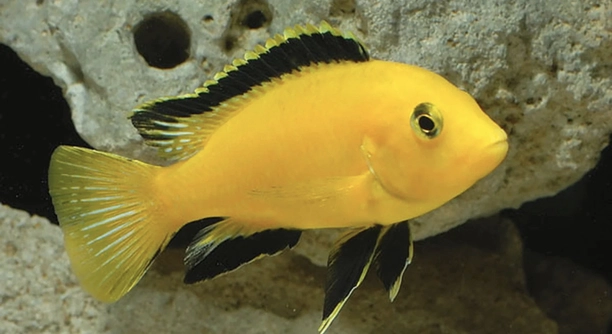
Are your electric yellow cichlids sharing more space than they should in your aquarium? Overcrowding can quietly create tension among the fish, affecting their behavior, health, and the overall balance of your aquatic environment.
Overcrowding electric yellow cichlids can lead to aggression, stunted growth, poor water quality, stress, disease outbreaks, limited swimming space, and breeding issues. Proper stocking levels are essential to maintain a healthy, thriving community in freshwater aquariums.
Knowing how overcrowding impacts your cichlids can help prevent serious problems. These insights will guide you in creating a healthier and more peaceful aquarium environment.
Aggression Among Fish
When electric yellow cichlids are kept in tight spaces, aggression becomes a frequent issue. These fish are naturally territorial, and overcrowding forces them to compete for limited hiding spots and personal space. Constant squabbling can result in injuries, torn fins, and visible stress. Even mild skirmishes can escalate quickly when there is insufficient room to retreat. Over time, aggressive behavior can dominate the tank’s dynamics, making peaceful coexistence nearly impossible. Signs of aggression include chasing, nipping, and blocking other fish from essential areas like feeding zones or preferred hiding places. Adjusting the tank size, rearranging decorations, and providing more shelters can sometimes reduce aggression, but overcrowding often exacerbates the problem. It is important to monitor interactions closely, as repeated attacks may lead to long-term damage or illness. Ensuring each fish has enough personal space is key to maintaining harmony and protecting their overall health. Aggression is more than behavioral—it directly impacts survival and well-being.
Aggression in overcrowded tanks can lead to visible injuries and chronic stress. Addressing tank population is essential for fish health.
Providing adequate space, hiding spots, and clear territories helps reduce fighting. Maintaining proper stocking levels is the most reliable way to ensure peaceful interactions and long-term well-being for your cichlids.
Stunted Growth and Development
Overcrowding limits the resources available to each electric yellow cichlid, including food and swimming space. Young fish may struggle to reach their full size, and growth rates can slow considerably. Restricted movement affects muscle development and overall health. When fish cannot access adequate nutrition due to competition, they may appear smaller or weaker than healthy specimens of the same age. Stress from constant competition also interferes with proper development, as energy is diverted from growth to coping with tension. Over time, stunted growth can reduce lifespan and make fish more susceptible to disease. Even adult fish may experience physical and behavioral impacts if they are confined to a densely populated tank. Properly spacing fish ensures they have the opportunity to grow naturally and maintain their bright coloration, which is an important indicator of vitality. Taking proactive measures now can prevent long-term consequences that are difficult to reverse.
Ensuring each fish has enough space and consistent access to food is critical. Avoiding overcrowding promotes proper growth and health.
Poor Water Quality
Overcrowding produces excessive waste, which quickly degrades water quality. Ammonia, nitrite, and nitrate levels rise, stressing fish and encouraging harmful bacteria growth. Regular water changes may not be enough to maintain a healthy environment in an overstocked tank.
High waste accumulation leads to cloudy water, strong odors, and potential algae growth. Electric yellow cichlids are sensitive to sudden changes in water chemistry. In a crowded tank, maintaining stable pH and chemical balance becomes difficult, even with a reliable filtration system. Poor water quality can cause lethargy, weakened immune responses, and organ damage. Chronic exposure to high ammonia or nitrate levels can be fatal over time, and it also increases susceptibility to external parasites and fungal infections. Monitoring water parameters alone is insufficient if tank capacity is exceeded. Consistently high pollution levels put pressure on all tank inhabitants, reducing their quality of life.
Filtration can help, but overcrowding still overwhelms the system. Proper stocking and frequent testing are necessary to maintain safe water conditions for electric yellow cichlids.
Stress and Immune System Weakening
Stress becomes a constant factor in overcrowded tanks. Fish are forced into tight spaces, competing for territory and resources, which triggers chronic stress responses. Over time, this affects behavior and overall health.
Chronic stress weakens the immune system, making electric yellow cichlids more vulnerable to diseases. Stress hormones interfere with metabolic and digestive functions, reducing growth and vitality. Frequent interactions, even minor ones, accumulate and affect the fish’s ability to recover from minor injuries. Behavioral changes, such as hiding, loss of appetite, or over-aggression, are common signs of stress. Overcrowding also reduces resting areas, preventing natural recovery periods. These factors collectively make the fish more prone to bacterial, viral, and parasitic infections, which can spread rapidly in a dense population. Stress management is crucial for longevity and maintaining a bright, healthy appearance. Providing ample space and hiding spots significantly mitigates these issues, promoting stable behavior and immune function.
Limited Swimming Space
Overcrowding restricts movement, making it difficult for electric yellow cichlids to swim freely. Fish may bump into each other frequently, increasing stress and minor injuries. Limited space prevents natural exercise, affecting overall health and behavior.
A cramped environment also reduces areas for exploration and resting. Fish may spend more time hiding or staying in corners, which can impact their confidence and natural activity levels.
Breeding Difficulties
Electric yellow cichlids require space and stable conditions for successful breeding. Overcrowded tanks interfere with pair bonding, territory establishment, and egg care. Competing fish may harass breeding pairs or consume eggs, lowering reproductive success. Maintaining proper tank size and minimizing stress is essential for healthy spawning and fry survival.
Disease Spread
Crowded conditions accelerate the spread of disease. Pathogens move quickly from one fish to another, increasing infection risks and making treatment more difficult.
FAQ
How many electric yellow cichlids can I keep in a tank?
The number depends on the tank size and filtration system. As a general guideline, you can keep one adult electric yellow cichlid per 10 gallons of water. Juveniles may tolerate slightly higher densities, but growth and behavior must be monitored closely. Overstocking increases aggression, stress, and water quality problems. A well-planned layout with hiding spots helps, but it cannot fully compensate for excessive population. Keeping fewer fish ensures each has space to swim, establish territory, and thrive in a stable environment.
What signs show my cichlids are stressed from overcrowding?
Stress can appear as frequent hiding, loss of appetite, or excessive aggression. Fish may chase each other constantly or exhibit torn fins. Lethargy and dull coloration are also common indicators. Stress weakens their immune system, making them more vulnerable to disease. Overcrowded tanks often produce these subtle behavioral changes before visible health issues arise. Monitoring interactions and observing feeding patterns regularly can help identify early signs of stress, allowing corrective measures like reducing the number of fish or rearranging tank decorations to create additional territories.
Can overcrowding affect breeding success?
Yes, it significantly impacts reproduction. Overcrowding limits space for pairs to establish territories, which is essential for mating. Eggs or fry are at higher risk of being eaten by other fish. Stress from limited space also reduces fertility and spawning frequency. Providing sufficient room and separate breeding areas helps protect young fish and encourages natural reproductive behavior. Even in a large tank, monitoring interactions is necessary to ensure breeding pairs are not harassed. Fry survival rates improve when competition and aggression are minimized.
How often should I test water in a crowded tank?
In an overcrowded tank, water testing should be frequent—at least two to three times per week. Ammonia, nitrite, nitrate, and pH levels must be monitored closely, as imbalances occur faster with more fish. Overcrowding can overwhelm filtration, making water changes and testing critical. Keeping parameters stable helps prevent stress, disease, and stunted growth. Even minor fluctuations can impact fish health significantly. Regular testing allows immediate action, whether adjusting feeding, adding filtration, or performing partial water changes. Consistent observation and maintenance are essential to maintain a safe aquatic environment.
What are the long-term effects of overcrowding on fish health?
Chronic overcrowding leads to stunted growth, weakened immune systems, and shortened lifespans. Fish may develop deformities or struggle with infections due to constant stress. Aggression and injuries are more frequent, and water quality issues compound health problems. Long-term overcrowding reduces overall vitality and can make recovery from illness more difficult. Maintaining proper stocking levels ensures healthier growth, brighter coloration, and more natural behavior patterns. Reducing overcrowding early prevents irreversible damage and creates a balanced, sustainable environment where electric yellow cichlids can live comfortably and display their full potential.
How can I prevent diseases in a densely stocked tank?
Prevention focuses on maintaining clean water, reducing stress, and providing space. Regular water changes, proper filtration, and avoiding overfeeding help control harmful bacteria and parasites. Quarantining new fish before introduction limits disease transmission. Overcrowding should be avoided to minimize contact and reduce infection risk. Observation for early symptoms, like white spots, frayed fins, or unusual behavior, allows prompt treatment. Healthy water conditions and space for natural behaviors strengthen immune systems, making fish less susceptible to common illnesses. Creating a routine for cleaning, monitoring, and adjusting tank conditions is the most effective preventive measure.
What adjustments can improve life in an overcrowded tank?
If reducing fish is not immediately possible, rearranging decorations to create hiding spaces and visual barriers helps lower aggression. Adding additional filtration can improve water quality, but it does not fully compensate for excessive population density. Frequent partial water changes and controlled feeding prevent over-pollution and competition. Observing behavior and removing severely aggressive individuals can also improve harmony. Even small changes, like more plants or rock formations, give fish areas to rest and reduce stress. Long-term, adjusting the number of fish remains the most effective solution to maintain a healthy, balanced, and thriving environment for electric yellow cichlids.
Is tank size the only factor in preventing overcrowding issues?
Tank size is critical but not the only factor. Filtration efficiency, décor layout, and the number of hiding spots also impact how well fish coexist. Even a large tank can become stressful if territories are poorly defined or water circulation is inadequate. Proper planning of space, environmental enrichment, and regular monitoring are necessary alongside sufficient tank volume. Considering growth, behavior, and filtration capacity ensures that electric yellow cichlids have room to swim, feed, and interact naturally, reducing the risk of aggression, stress, and disease.
Overcrowding electric yellow cichlids in a tank can quietly create multiple problems that affect both their health and behavior. Fish kept too close together often become stressed and aggressive, and their natural territorial instincts are disrupted. Limited space can prevent them from swimming properly, exercising, and establishing personal territories. Overcrowding also makes it harder to maintain water quality, even with regular filtration and water changes. Ammonia, nitrite, and nitrate levels rise quickly, which can lead to sickness and even death. Providing each fish with enough space is essential for maintaining a balanced and healthy environment where they can thrive. Taking time to calculate the proper stocking density and considering the adult size of your cichlids will help reduce tension and create a calmer, more stable tank environment.
Stress is one of the most serious effects of overcrowding. Chronic stress lowers the immune system, making fish more vulnerable to diseases and parasites. Signs like hiding, loss of appetite, dull coloration, or constant chasing indicate that the fish are struggling. Aggressive behavior often increases under crowded conditions, leading to injuries and torn fins. Even minor injuries can become infected, and a single disease can spread quickly in a dense population. Overcrowding also impacts growth and development. Young fish may not reach their full size, and adults can show stunted growth due to constant competition for food and space. Ensuring each fish has room to swim, feed, and rest naturally supports their physical and mental health, which is essential for a thriving aquarium.
Addressing overcrowding is a long-term commitment. Simply rearranging decorations or adding filtration may help temporarily, but reducing population density is the most effective solution. Providing adequate hiding spots, visual barriers, and open swimming areas can reduce aggression and stress, but space cannot be replaced entirely. Planning your tank layout and population carefully from the start prevents most issues. Monitoring water quality and behavior regularly ensures that problems are caught early and corrected before they become severe. A well-maintained and appropriately stocked tank allows electric yellow cichlids to display bright coloration, healthy growth, and natural behaviors. By prioritizing space, water quality, and proper care, you can create a stable and peaceful environment where your cichlids can live long, healthy, and happy lives.

Hello,
If you enjoy the content that we create, please consider saying a "Thank You!" by leaving a tip.
Every little bit helps us continue crafting quality advice that supports the health, happiness, and well-being of pets around the world, for pets of all shapes, sizes, and species.
We really appreciate the kindness and support that you show us!