
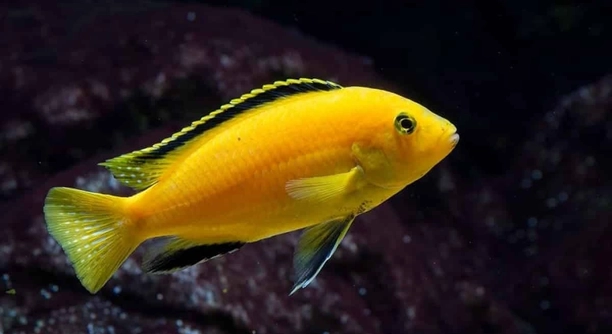
Electric yellow cichlids are known for their vibrant color, yet many owners notice they appear pale at night. This change can be surprising, especially when their daytime hue is bright and eye-catching. Observing this shift is common in home aquariums.
The primary reason electric yellow cichlids look pale at night is due to natural physiological changes. Their pigmentation adjusts under low light conditions, reducing visibility of bright yellow tones. This dimming is a normal response to darkness and does not indicate illness.
Understanding this nightly color change can help aquarium owners better interpret their cichlids’ behavior. Recognizing normal patterns ensures fish are healthy and their environment remains suitable for long-term care.
Understanding Nighttime Color Changes
Watching my electric yellow cichlids at night, I noticed their bright color seemed to fade. This happens because their skin contains specialized cells called chromatophores, which control pigmentation. At night, these cells contract, causing colors to appear less intense. Darkness naturally triggers this adjustment as part of their daily rhythm. Lighting conditions in aquariums also play a role. If the tank light is off or very dim, the yellow appears softer and paler. Temperature can influence the process too; slightly cooler water may intensify the color shift. Feeding schedules and stress levels may also affect nighttime hues. Observing these changes regularly helps understand what is normal versus what could be a sign of stress or health issues. Over time, it becomes easier to distinguish between temporary color shifts and more serious problems, helping maintain the well-being of the cichlids.
These changes are normal and do not harm the fish. Color intensity naturally varies with the environment.
Keeping consistent light cycles and stable water conditions helps maintain healthier, more predictable coloration. Adjusting feeding and monitoring behavior provides insight into overall well-being. Nighttime paleness is just part of their natural rhythm.
Environmental Factors Affecting Color
Water quality significantly impacts how vibrant electric yellow cichlids appear.
Poor water conditions can dull their coloration. High ammonia or nitrite levels create stress, causing the cichlids’ bright yellow to fade. Even slight changes in pH or hardness may affect their appearance. Clean, stable water encourages the natural intensity of their pigment. Lighting type is also important; LED or fluorescent lights that mimic daylight help retain vivid colors, while very dim or inconsistent lighting enhances the pale look at night. Tank decorations, like plants or dark substrates, can influence how the yellow appears by reflecting or absorbing light differently. Sudden changes in the tank environment, such as rearranging decorations or introducing new fish, may also temporarily affect coloration. Keeping water clean, monitoring chemical levels, and maintaining a consistent lighting schedule allows the cichlids to display their best color both day and night.
To maintain vibrant coloration, water quality, lighting, and environmental stability are key. Regular checks prevent stress-induced fading and promote natural pigmentation. Feeding a balanced diet rich in carotenoids supports bright yellow tones. Avoid overstocking the tank, as overcrowding increases stress and can dull color. Observing the fish daily helps spot subtle changes before they escalate. Some cichlids may naturally be less vibrant, so understanding each fish’s normal pattern is important. Adjusting light intensity gradually at night reduces abrupt fading and makes nighttime paleness less noticeable. Adding gentle plants or background contrasts can enhance the perception of brightness. These small, consistent practices create a stable environment that supports both health and color vibrancy, ensuring the fish maintain their signature electric yellow glow.
Light and Its Impact on Color
Electric yellow cichlids react strongly to light changes. At night, their colors naturally soften, giving a paler appearance. The intensity of aquarium lighting directly affects how vibrant their yellow appears. Brighter lights during the day enhance vividness, while dim lighting at night reduces saturation.
Consistent light schedules help maintain healthy coloration. Sudden shifts, like turning lights off abruptly, can startle the fish and cause temporary color dulling. Using timers ensures predictable day-night cycles, which align with their natural rhythm. Adjusting light gradually in the evening mimics sunset, helping the cichlids transition comfortably. Proper lighting also supports their overall health, influencing appetite, activity, and stress levels. Maintaining a balance of intensity and duration keeps their colors stable and reduces nighttime paleness.
Placement of lights matters too. Lights positioned too high or unevenly can create shadows, altering color perception. Using reflective backgrounds enhances yellow tones. Aquarium depth can affect how light penetrates, changing how bright the fish appear. Some owners notice stronger color at mid-depth levels where lighting is optimal. Combining proper light type, intensity, and placement ensures electric yellow cichlids look healthy and vibrant during the day while naturally softening at night without causing stress.
Stress and Color Fading
Stress can significantly affect cichlid coloration. Changes in tank conditions, aggressive tank mates, or sudden environmental disturbances often result in paler hues.
Even minor stressors, such as moving decorations or fluctuating water parameters, may trigger a visible shift. Stressed fish often retreat or hide, reducing light exposure and further affecting pigmentation. Chronic stress can lead to longer-term color dulling and health issues, so observing behavioral cues is essential. Maintaining a stable, peaceful environment reduces stress and helps preserve vibrant daytime coloration. Feeding schedules and high-quality diets also support resilience against stress-induced fading, keeping the cichlids visually healthy and active.
Watching their behavior provides insight into underlying stress factors. Aggression between tank mates may force cichlids into hiding, causing paleness. Overcrowded tanks increase competition for territory, exacerbating color loss. Sudden water changes or temperature fluctuations disrupt their comfort, leading to temporary or prolonged dulling. Stress management includes keeping water parameters stable, minimizing rapid changes, and providing adequate hiding spaces. Choosing compatible tank mates ensures social harmony. Regular observation and gentle adjustments create a low-stress environment, supporting both physical health and natural color expression. Even small improvements in care routines can restore vibrancy and reduce nighttime paleness over time.
Diet and Its Role in Color
A balanced diet directly affects the brightness of electric yellow cichlids. Foods rich in carotenoids enhance yellow pigmentation, while poor nutrition can lead to paler shades. Regular feeding with quality flakes or pellets supports vibrant coloration and overall health.
Supplementing with occasional live or frozen foods adds nutrients and variety. Natural sources like brine shrimp or krill provide essential compounds that strengthen pigments. Overfeeding, however, can stress the fish and dull their colors. Maintaining portion control and feeding consistency helps ensure cichlids display their best hues. Nutrition plays a key role in sustaining both daytime vibrancy and nighttime paleness.
Genetics and Color Variation
Genetics influence how bright or pale electric yellow cichlids appear. Some strains naturally show deeper yellow tones, while others may always appear lighter, especially at night. Selective breeding can enhance pigmentation, but natural variation persists.
Individual fish may have unique responses to light, stress, and diet based on inherited traits. Recognizing genetic differences helps set realistic expectations for color changes. Even with optimal care, some cichlids will exhibit softer hues at night due to their genetic makeup. Environmental and dietary factors can maximize their natural potential, but innate variation remains a key determinant in nighttime paleness.
Observing Nighttime Behavior
Nighttime behavior often explains why cichlids look pale. Reduced activity and dim light exposure naturally soften their colors.
FAQ
Why do my electric yellow cichlids look pale at night?
Their color naturally softens in low light due to pigment cells called chromatophores. These cells contract when lights are off or dim, making yellow tones less visible. Nighttime paleness is a normal physiological response and not a sign of illness. Maintaining stable water and lighting ensures this color change remains healthy.
Can stress make their color fade more than usual?
Yes. Stress from tank mates, water changes, or overcrowding can cause temporary or prolonged color dulling. Stressed cichlids often hide or reduce activity, which further softens their appearance. Keeping a stable environment, proper tank population, and hiding spaces helps minimize stress-related fading.
Does diet affect nighttime coloration?
Absolutely. A balanced diet rich in carotenoids supports bright yellow pigmentation. Foods like high-quality flakes, pellets, and occasional live or frozen brine shrimp enhance color. Poor nutrition or inconsistent feeding can make their hues appear paler even during the day.
Will lighting type change how they look at night?
Yes. Bright LED or daylight-mimicking fluorescent lights enhance daytime vibrancy. At night, dim lighting naturally softens their color. Gradually adjusting light in the evening mimics sunset, reducing abrupt fading and keeping nighttime paleness gentle.
Are some cichlids naturally paler than others?
Genetics play a big role. Certain strains naturally show lighter yellow tones. Even with optimal care, individual fish may appear softer at night. Environmental factors like diet, stress, and water conditions can influence their potential, but inherited traits determine their baseline coloration.
Does water quality influence their color at night?
Poor water quality can stress cichlids, causing temporary or prolonged fading. High ammonia, nitrite levels, or sudden pH changes affect pigment expression. Stable, clean water supports both health and color intensity, helping maintain natural brightness and minimizing nighttime paleness.
Can tank decorations affect their appearance?
Yes. Dark substrates or plants can make yellow tones appear brighter, while reflective or uneven surfaces may create shadows that soften their appearance. Proper placement of decorations enhances color perception and provides comfort, indirectly supporting healthy pigmentation.
Is nighttime paleness harmful to cichlids?
No. This is a normal adaptation to low light and reduced activity. It allows the fish to rest safely while conserving energy. As long as they remain active and feed normally during the day, nighttime fading is not a concern.
How often should I monitor their color?
Regular daily observation helps distinguish normal nighttime fading from stress or illness. Watch behavior, feeding, and interaction with tank mates. Noticing subtle changes early ensures any environmental adjustments needed for health and vibrant color can be made promptly.
Can overstocking the tank affect their coloration?
Yes. Crowded tanks increase competition, stress, and aggression. This environment often causes cichlids to hide, reducing light exposure and dulling their color. Maintaining appropriate tank population and territories promotes natural coloration and healthy nighttime fading.
Does temperature play a role in nighttime color changes?
Slightly cooler water can enhance the softening effect at night, while extreme fluctuations stress the fish and may alter their coloration unpredictably. Keeping a stable temperature within recommended ranges supports consistent, healthy color patterns.
What can I do if my cichlids remain pale during the day?
Daytime paleness can indicate stress, illness, or poor diet. Check water quality, lighting, diet, and tank conditions. Ensuring all environmental factors are optimal usually restores natural brightness and reduces abnormal fading. Some individual variation may still exist due to genetics.
Is it normal for some fish to retain brighter colors at night?
Yes. Individual variation means some cichlids show stronger pigmentation even under low light. Genetics, health, diet, and environment influence this difference. Occasional brighter fish at night is not a concern as long as behavior and feeding remain normal.
Can supplements improve yellow pigmentation?
Carotenoid-rich supplements support vibrant yellow coloration. Occasional natural foods like shrimp or krill provide additional nutrients. Supplements alone won’t prevent nighttime fading but help maintain strong pigmentation during the day, supporting overall health and visual vibrancy.
How does behavior at night affect their color?
Reduced activity and hiding in dim conditions naturally soften pigments. Fish that are more active or in well-lit areas may retain slightly brighter tones. Observing nighttime behavior helps interpret whether paleness is normal or stress-related.
Are there signs that pale color indicates illness?
Yes. Persistent paleness during the day, loss of appetite, lethargy, or abnormal swimming can indicate health issues. Nighttime fading alone is normal, but combining it with unusual behavior requires checking water, diet, and potential disease.
Does gradual light transition help reduce sudden paleness?
Gradually dimming lights in the evening mimics natural sunset and eases the color transition. Sudden darkness can accentuate fading and stress the fish. Timers or dimmers help create a comfortable routine for healthy nighttime adaptation.
How long does nighttime paleness usually last?
It typically lasts throughout the dark period of the tank’s cycle. Once lights turn on, colors gradually return to normal brightness. Consistent light schedules help maintain predictable color patterns and minimize abrupt changes.
Can introducing new fish temporarily affect coloration?
Yes. New fish can create stress or competition, causing existing cichlids to hide or lose color temporarily. Providing enough space, hiding spots, and a calm environment helps them adapt and regain normal coloration more quickly.
Does the size of the tank influence color stability?
A properly sized tank reduces stress and allows adequate swimming space, which supports healthy pigmentation. Overly small tanks can cause chronic stress, dull colors, and prolonged nighttime paleness. Maintaining an appropriately sized environment is essential for consistent color display.
Can night-specific lighting reduce paleness?
Soft, low-intensity night lighting can slightly reduce perceived paleness without disturbing their rest. It maintains a natural environment while allowing subtle observation of behavior. Avoid bright lights, which can disrupt their nighttime rhythm and stress the fish.
How do hiding spaces impact nighttime color?
Providing plants, caves, or other shelters allows cichlids to feel secure, reducing stress-related fading. When fish feel safe, nighttime color softens naturally rather than from fear or environmental pressure. Well-designed hiding spots balance comfort with visual appeal.
Does regular observation help with color management?
Yes. Monitoring daily behavior, feeding, and environmental factors helps distinguish normal fading from issues caused by stress, illness, or diet. Observing subtle changes allows timely adjustments that support vibrant, healthy fish and proper nighttime adaptation.
Can age affect color intensity?
Younger or older cichlids may display softer colors compared to mature adults. Aging fish often show gradual fading, which is normal if overall health remains good. Adjusting diet and environment can help maintain brightness within their natural range.
Does tank background color influence appearance?
Yes. Darker backgrounds enhance perceived brightness, while light or reflective backgrounds may soften the yellow. Choosing contrasting backgrounds helps highlight natural colors and creates a more vivid visual effect during the day and night.
Are there differences between male and female coloration?
Males often show more intense yellow hues, while females may appear slightly paler. This difference is natural and influenced by genetics, hormones, and social behavior. Both sexes experience nighttime softening, but males tend to maintain slightly stronger tones.
How important is gradual environmental change for color stability?
Gradual changes in light, decorations, or water conditions minimize stress and prevent sudden fading. Abrupt modifications can trigger temporary or prolonged paleness. Consistency in the tank environment supports predictable coloration patterns and overall fish well-being.
Can frequent handling affect coloration?
Yes. Handling or disturbing the fish causes stress, leading to temporary or longer-lasting color fading. Minimizing direct contact preserves natural pigmentation and reduces unnecessary stress, especially before and during the night cycle.
Is it normal for some cichlids to appear almost white at night?
Yes. Nighttime contraction of chromatophores can make yellow tones appear very pale or nearly white. This is a normal adaptation to darkness, allowing rest while conserving energy. Healthy fish will regain color once lights return.
How do I know if paleness is temporary or a concern?
Temporary fading occurs only at night and reverses during the day. Persistent daytime paleness, unusual behavior, or reduced appetite signals stress or health issues. Regular observation helps identify normal nighttime patterns versus problems needing attention.
Does tank depth change how they look?
Yes. Deeper areas receive less light, making colors appear paler. Mid-depth levels often show more vibrant yellow. Adjusting light placement or intensity ensures uniform coloration and supports natural nighttime softening.
Can overfeeding influence nighttime color?
Overfeeding can increase stress, reduce activity, and cause temporary dulling. Proper portion control supports both health and stable pigmentation. Balanced feeding routines help maintain normal daytime vibrancy and natural nighttime softening.
Are there seasonal effects on color?
Some fish may show slight seasonal variation if natural light cycles change near windows or seasonal temperature shifts occur. Maintaining consistent tank conditions minimizes these effects and keeps color predictable.
Does tank size and social hierarchy interact with color?
Yes. Larger tanks reduce conflict, while social dominance can affect access to light or territory. Subordinate fish may hide more, appearing paler. Providing ample space and hiding areas supports all fish maintaining natural coloration patterns.
How long does it take for color to return after stress?
Recovery varies depending on the stress source. Mild stress may see color return in hours, while prolonged stress may take days. Stabilizing environment, proper diet, and minimal disturbance accelerate recovery to normal daytime and nighttime coloration.
Can using natural substrates help maintain color?
Yes. Sand or dark gravel enhances yellow tones while reducing stress. Natural textures provide comfort and encourage normal behavior, supporting both vibrant daytime color and controlled nighttime softening.
Is paleness during feeding a concern?
Occasional paleness during feeding is normal if the fish remain active and eat normally. Persistent dullness, refusal to feed, or hiding indicates a problem with diet, health, or environmental stressors. Monitoring behavior alongside coloration ensures proper care.
Does the type of tank mates influence color?
Aggressive or dominant tank mates increase stress and can cause paleness. Peaceful and compatible fish reduce stress and help maintain natural yellow tones. Observing interactions and adjusting populations preserves healthy coloration for all fish.
How do I prevent prolonged nighttime paleness?
Ensure stable water parameters, consistent light cycles, proper diet, minimal stress, and adequate hiding spaces. Gradual evening dimming supports natural adaptation without exaggerating fading. Regular observation ensures any issues are addressed promptly, preserving healthy coloration patterns.
Are there signs of permanent color loss?
Permanent fading is rare and usually linked to chronic stress, illness, or poor genetics. Healthy, well-cared-for cichlids typically regain normal color with proper diet, environment, and care. Nighttime paleness alone is temporary and natural.
Can supplements fix genetic limitations in color?
Supplements enhance existing pigmentation but cannot change inherent genetic traits. They support the maximum potential of natural yellow hues and overall health, making colors brighter during the day while natural nighttime softening remains normal.
How do I differentiate stress-induced paleness from natural fading?
Natural fading occurs only at night, reverses with lights on, and is accompanied by normal behavior. Stress-induced paleness can occur anytime, with hiding, reduced feeding, or lethargy. Observing patterns and conditions helps determine the cause and appropriate response.
Does seasonal lighting from windows matter?
Yes. Changes in ambient room light can subtly affect their color perception. Using consistent aquarium lighting ensures predictable daytime brightness and nighttime softening, minimizing the impact of external light fluctuations.
Can adding more plants improve color display?
Plants provide shelter, reduce stress, and improve environmental comfort. Dark, leafy plants can enhance yellow tones by contrast, supporting healthy coloration while reducing exaggerated nighttime paleness. Proper arrangement balances visual appeal and fish well-being.
Are juvenile cichlids more prone to fading at night?
Younger fish often show softer nighttime colors due to developing pigment cells. As they mature, color intensity strengthens. Even juveniles display predictable fading at night, which is normal and temporary.
Does water hardness influence color intensity?
Yes. Stable hardness supports healthy pigmentation. Sudden shifts can stress cichlids and dull colors. Regular testing and adjustment maintain natural vibrancy and controlled nighttime softening, ensuring fish remain visually healthy.
How important is gradual acclimation for new fish?
Gradual acclimation minimizes stress, helping new fish maintain color. Sudden introduction can trigger hiding, fading, and temporary paleness. Proper acclimation ensures healthier, vibrant cichlids with predictable nighttime softening.
Do different cichlid strains fade differently at night?
Yes. Some strains have more vivid daytime colors and softer nighttime fading, while others show less contrast. Genetics largely determine this difference. Environmental consistency maximizes each fish’s natural coloration potential.
Can excessive noise or vibration affect nighttime color?
Yes. Sudden vibrations or persistent noise stress cichlids, causing paleness and hiding. Quiet surroundings promote calm behavior and normal nighttime color softening. Minimizing disturbances supports both health and visual vibrancy.
Does tank location matter for color stability?
Placing tanks near windows or high-traffic areas can expose fish to variable light or disturbances, increasing stress and paleness. Stable, low-disturbance locations support predictable daytime brightness and natural nighttime fading.
How do I maintain optimal coloration year-round?
Consistent water quality, lighting, diet, and stress management are key. Monitoring behavior, providing hiding spaces, and minimizing abrupt changes ensures vibrant daytime color and natural nighttime softening. Patience and attention to detail support both health and appearance.
Are there visual tricks to make colors appear brighter at night?
Dark substrates, reflective backgrounds, and proper light placement enhance perception. Gentle, low-intensity night lighting maintains subtle visibility without disturbing natural fading, making the yellow tones appear more balanced and visually pleasing.
Do seasonal temperature fluctuations impact fading?
Moderate changes may slightly influence color perception, but extreme or rapid shifts stress fish, causing prolonged dulling. Maintaining stable, recommended temperatures supports consistent pigmentation and normal nighttime paleness.
Can prolonged paleness indicate disease?
Yes. If paleness occurs during the day, accompanies lethargy, or comes with other symptoms like clamped fins or rapid gill movement, it could indicate illness. Nighttime fading alone is normal and temporary.
How do I balance light and stress for best coloration?
Gradual evening dimming, consistent light cycles, and minimizing disturbances maintain natural color transitions. Combining proper diet, hiding spaces, and low-stress environment ensures healthy, vibrant fish without exaggerated nighttime paleness.
Is nighttime paleness permanent if ignored?
No. Temporary fading is natural. Persistent daytime paleness, however, indicates stress, illness, or poor environmental conditions. Addressing underlying factors restores color while nighttime softening remains normal.
How do I track color changes effectively?
Daily observation, photos at consistent times, and notes on behavior, lighting, and diet help track patterns. Recognizing normal fading versus concerning changes allows prompt corrective action and ensures healthy, vibrant fish.
Do cichlids in community tanks fade more than in single-species tanks?
Potentially. Increased stress, competition, or hiding in mixed-species tanks can exaggerate paleness. Providing adequate space, compatible mates, and hiding spots helps maintain natural color patterns and predictable nighttime softening.
Does age affect recovery from stress-related paleness?
Younger fish often recover faster, while older or weaker cichlids may take longer to regain color. Stable environment, nutrition, and gentle care accelerate recovery for all age groups, restoring normal daytime and nighttime pigmentation.
Can lighting color temperature affect fading perception?
Yes. Cooler, bluish lights can make yellow appear softer, while warmer lights enhance vibrancy. Matching light type to natural tones supports consistent appearance and smooth nighttime color transitions.
Are sudden changes in tank décor risky for coloration?
Yes. Rearranging decorations abruptly can stress cichlids, causing temporary paleness. Gradual changes minimize impact, allowing fish to adjust while maintaining stable color expression and predictable nighttime softening.
How do I combine diet, lighting, and stress management for best results?
Balanced carotenoid-rich diet, consistent light cycles, gradual evening dimming, low-stress environment, and stable water quality work together. Each factor supports natural daytime vibrancy while allowing healthy nighttime fading, ensuring cichlids remain visually striking and healthy.
Can nighttime paleness be entirely prevented?
No. Fading at night is natural and necessary. The goal is to maintain healthy overall color, minimizing stress-related or abnormal dulling while allowing normal adaptation to darkness.
Is there a correlation between activity level and color intensity?
Yes. Active fish often retain stronger pigments, while less active or hiding fish appear paler. Observing behavior helps distinguish normal nighttime softening from stress-related fading.
Do lighting timers help with color stability?
Timers ensure consistent day-night cycles, supporting predictable color transitions. Gradual dimming in the evening reduces abrupt fading, helping maintain healthy, natural nighttime adaptation without stress.
How do I recognize individual variation in fading?
Some cichlids naturally retain more color at night due to genetics. Regular observation allows recognition of normal individual patterns, differentiating them from stress or environmental issues.
Does water circulation influence coloration?
Yes. Proper flow reduces stress and supports oxygenation, indirectly maintaining healthy pigments. Poor circulation can increase hiding and paleness, while stable flow promotes natural daytime brightness and nighttime softening.
Can seasonal light changes affect color perception?
Yes. Variations in ambient room light can slightly influence how yellow tones appear. Maintaining consistent artificial lighting minimizes this effect and keeps color predictable.
Does feeding frequency affect paleness?
Regular, balanced feeding supports strong pigmentation. Irregular or insufficient feeding can contribute to paleness and dulling, while overfeeding may increase stress and color loss. Proper schedule helps maintain healthy appearance.
Are certain tank shapes better for color display?
Longer tanks allow more swimming space, reducing stress and supporting natural coloration. Taller tanks may create shadows that soften yellow tones, especially at night. Proper design ensures both comfort and vibrant visual appeal.
Do fish perceive their own color changes?
Not directly. They respond to light and environmental conditions. Observed paleness is physiological, not psychological, but maintaining comfortable conditions reduces stress-induced dulling.
Can social hierarchy influence individual coloration?
Yes. Dominant fish often appear brighter due to better access to light and territory. Subordinate fish may hide more, appearing paler. Adequate space and hiding spots balance social dynamics and color expression.
How does nighttime hiding affect pigment visibility?
Hiding in shaded areas reduces light exposure, softening color naturally. This is a normal adaptation, allowing rest and energy conservation without indicating health issues.
Do tank size, lighting, and diet interact for best color?
Yes. Proper
Electric yellow cichlids are remarkable for their bright, vibrant color, which can vary throughout the day and night. Observing them at night, it is normal to see their yellow tones appear softer or paler. This change is primarily a natural physiological response to low light. Their pigment cells, called chromatophores, contract in darkness, reducing the intensity of their coloration. This process helps the fish conserve energy and rest without attracting predators in natural habitats. Even in home aquariums, this fading is a normal part of their daily rhythm. Understanding that nighttime paleness is expected helps prevent unnecessary concern about the fish’s health.
Environmental factors influence how pale cichlids appear at night. Lighting, water quality, and temperature all contribute to the visual effect. Bright daytime lighting makes the yellow stand out, while dim or absent light naturally softens it. Stable water conditions, including pH, hardness, and ammonia levels, support healthy pigmentation and overall well-being. Stress, whether from aggressive tank mates, overcrowding, or sudden changes in the tank, can also make color appear duller. Providing hiding spaces and maintaining a calm environment allows the fish to feel secure, which supports natural nighttime fading rather than stress-induced dulling. Additionally, diet plays a role in color intensity. Foods rich in carotenoids, such as high-quality flakes, pellets, or occasional live or frozen foods, strengthen yellow pigmentation and overall health. Consistent feeding routines and proper nutrition maximize natural color potential.
Genetics also determine the degree of color change at night. Some strains naturally retain more brightness, while others show more pronounced fading. This is a normal variation and does not indicate a problem. Observing behavior alongside color patterns provides a clearer understanding of each fish’s health. Active, healthy cichlids with consistent feeding and stable environmental conditions are unlikely to experience any harm from nighttime paleness. Gradually dimming lights in the evening, providing proper nutrition, and maintaining clean, well-maintained water all contribute to a balanced environment that supports natural color transitions. Accepting that some fading is normal allows owners to focus on consistent care rather than worrying about minor nightly changes. With proper attention to diet, environment, and stress management, electric yellow cichlids can maintain their vibrancy during the day and rest comfortably at night, displaying natural, healthy nighttime fading.

Hello,
If you enjoy the content that we create, please consider saying a "Thank You!" by leaving a tip.
Every little bit helps us continue crafting quality advice that supports the health, happiness, and well-being of pets around the world, for pets of all shapes, sizes, and species.
We really appreciate the kindness and support that you show us!