
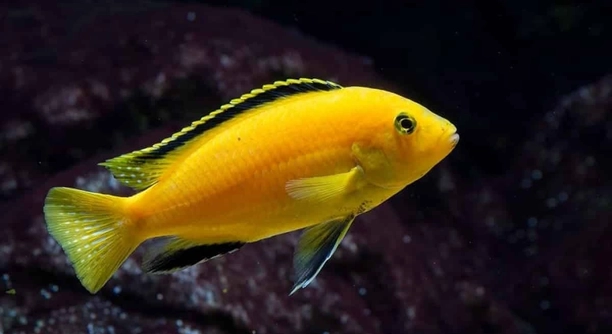
Do you ever find yourself watching your electric yellow cichlids and wondering what their dominant behaviors actually look like as they interact with other fish and maintain their place within their group in your aquarium.
Dominant electric yellow cichlids display a set of behaviors that signal control, including territorial patrolling, assertive posturing, intensified coloration, active chasing, resource guarding, increased breeding activity, and consistent spatial control, forming a hierarchy that influences the dynamics of the aquarium.
These behaviors reveal how dominance shapes daily interactions, offering insight into what drives their confident actions inside a aquatic space.
Territorial Patrolling and Space Control
Dominant electric yellow cichlids rely on strong territorial control to maintain their position and this behavior becomes obvious as they monitor every corner of their preferred area. They move with steady confidence pushing other fish away from their chosen spots while guarding spaces that contain shelter or food. Their movements are purposeful and calm showing that they understand the layout of the tank and what they need to protect. As I watch them I notice how they glide along rocks peer into small gaps and return to the same zones throughout the day. This steady pattern tells me that dominance is not just about aggression but also about consistency. They handle their environment with intention shaping how other fish behave around them through silent pressure and controlled actions. Seeing this happen makes the structure inside the tank feel more organized and defined over time. It becomes clear through these patterns.
This behavior helps the dominant fish guide movement within the tank creating a controlled space that influences how others interact around them. Their steady presence keeps boundaries clear and ensures the tank remains structured. Other fish adjust their paths and habits based on these constant signals from the dominant cichlid.
Watching this pattern develop makes it easier to understand the balance inside the tank. The dominant fish shapes routines without needing constant conflict and the other fish respond by avoiding contested spaces. Over time the entire group settles into predictable behaviors that reflect this structure. I find it interesting how quickly these patterns form and how steady they remain once established. The dominant cichlid uses calm force not chaotic bursts of aggression to guide the environment. This creates a sense of order that feels natural for the tank and supports smoother interactions between all the fish living together each day.
Coloration Changes and Displays
Coloration shifts signal dominance and these bright displays appear when the fish wants to reinforce control inside the tank. The stronger shade draws attention encouraging other fish to maintain distance while keeping interactions balanced around the dominant individual through steady visual cues that shape behavior in shared spaces each day.
Color intensity becomes one of the clearest indicators of dominance and electric yellow cichlids use this shift to communicate power with surprising consistency. When a fish rises in rank its body often shows a richer shade that stands out sharply against the tank environment sending a silent message to nearby fish. This change does not rely on aggressive contact but it still influences the reactions of every fish that sees it. The dominant individual uses this visual cue to maintain order while avoiding unnecessary conflict. As I observe these displays I notice how other fish pause move aside or adjust their paths in response to the bold color. These interactions create a rhythm inside the tank that feels smooth and controlled. The stronger color usually appears during feeding courtship and territorial moments making it easier to see when dominance is being asserted. Even without movement the visual signal remains powerful enough to guide behavior. Over time this consistent display becomes part of the tank’s natural structure helping maintain balance and showing which fish holds authority. It is a simple yet effective way for the dominant cichlid to express control in a shared space through steady visual signals every single day.
Assertive Chasing and Movement Control
Dominant electric yellow cichlids use quick bursts of movement to guide others away from areas they want to protect. Their chasing is not constant but precise and controlled helping them maintain structure inside the tank without creating unnecessary stress for the group around them.
Their chasing patterns often appear during feeding or when another fish enters a protected space and these actions happen with clear intention. I notice how the dominant fish pushes forward only long enough to create distance then returns to its position without lingering. This keeps the tank calm while still reinforcing authority. The movements communicate boundaries in a clean and predictable way. Other fish learn these signals quickly and adapt their routes to avoid conflict. Even though the behavior looks swift it remains controlled and never feels overly chaotic. This balance supports smoother interactions inside the tank and keeps everything running steadily.
With time these patterns become part of the tank’s rhythm. The dominant fish rarely needs prolonged aggression because the group recognizes its signals. The quick chase followed by immediate return to territory shows confidence and helps maintain order in a simple and effective way. Watching this happen makes it clear how important movement control is for stability. The dominant fish guides the group without forcing constant confrontation relying instead on small bursts of direction that keep every interaction grounded. This approach makes daily activity inside the tank feel more organized and predictable.
Resource Guarding and Priority Access
Dominant electric yellow cichlids make their presence known during feeding by placing themselves in the best positions before others arrive. Their confidence shows in how they hover near food sources and subtly shift their body to block access without needing constant aggressive displays to secure priority.
This behavior becomes clearer when observing them during repeated feedings. The dominant fish times its movements well and reaches the food zone first creating a barrier that discourages others from intruding. I notice how the group responds by circling the outskirts waiting for the right moment to move in. This pattern forms naturally and helps reduce conflict because the dominant fish sets the pace. The guarding is steady but not harsh and the other fish seem to accept the structure. Over time this routine helps maintain balance during feeding periods and keeps the tank functioning smoothly.
Increased Breeding Activity and Displays
Dominant electric yellow cichlids show stronger breeding behaviors, often taking the lead in preparing spaces and attracting attention. Their actions become more focused and repetitive as they claim the area they want, giving clear signals that they are ready to control the breeding process.
These behaviors can include digging, nudging, and circling with steady confidence. I notice how they return to the same spots repeatedly, shaping the environment to their liking. Their movements remain calm but intentional, creating a rhythm that other fish react to. This steady pattern highlights their influence during breeding.
Consistent Spatial Control and Positioning
Dominant electric yellow cichlids maintain specific positions in the tank to reinforce their place in the hierarchy. Their chosen locations are guarded with steady presence, and other fish adjust their paths in response. This simple but persistent control shapes daily behavior throughout the tank.
Elevated Confidence in Daily Interactions
Dominant electric yellow cichlids move with purpose during regular activity. Their steady posture and calm but certain actions help guide the group’s behavior without constant aggression, creating a stable environment that feels predictable and organized each day.
What does it mean when my electric yellow cichlid shows intense chasing?
Intense chasing is a clear sign of dominance. When your cichlid chases others, it is setting boundaries and reinforcing its position in the tank. This behavior usually occurs near food, hiding spots, or preferred resting areas. I notice how the chases are brief but purposeful, enough to move other fish without creating ongoing stress. Over time, the group learns to respect these paths and boundaries, reducing conflicts. The dominant cichlid uses movement rather than constant aggression to maintain control, which keeps interactions predictable and steady.
Why do dominant electric yellow cichlids change color?
Color shifts are a visual signal of power. When a cichlid becomes more dominant, its yellow coloration intensifies, making it stand out. I can see the difference clearly during feeding or when new fish are introduced. The brighter shade communicates confidence and authority, allowing other fish to adjust their behavior without direct confrontation. This change is subtle but consistent and is used to maintain hierarchy. Coloration serves as a low-stress method for dominance display, guiding interactions and reducing unnecessary fighting in the tank. It is a simple way for the fish to express its place in the group.
How does territorial patrolling affect tank dynamics?
Territorial patrolling keeps the tank organized. Dominant cichlids monitor specific areas, moving through preferred spots multiple times a day. I notice how they check shelters, corners, and feeding zones repeatedly. This behavior signals to others which areas are controlled, creating boundaries that shape movement and interactions. Other fish quickly learn to avoid contested spaces, and this consistent pattern reduces conflicts. Patrolling is not aggressive but purposeful, reinforcing order. Watching it unfold gives a clear sense of how dominance influences the entire group, ensuring a predictable and balanced environment for all fish.
What is resource guarding and how do cichlids show it?
Resource guarding is the act of controlling access to food, breeding sites, or hiding spots. Dominant cichlids position themselves near these resources and use subtle nudges or posture to discourage intrusion. I notice how they arrive first during feeding, creating a natural barrier without ongoing aggression. This keeps the group structured because others wait or approach carefully, respecting the dominant fish’s signals. Guarding is steady and calculated, reinforcing hierarchy while keeping the tank calm. It is an effective strategy to maintain control over valuable spaces without constant fighting.
Do dominant cichlids influence breeding behavior?
Yes, dominant cichlids lead in breeding activity. They prepare areas for laying eggs and actively engage with potential mates. I observe them digging or arranging surfaces while circling consistently in their chosen spots. This behavior sets the pace and signals authority over reproductive spaces. Other fish respond by maintaining distance and allowing the dominant individual to control access. This ensures breeding activities remain orderly, with the dominant fish guiding interactions in a calm but intentional manner. Their presence during breeding reinforces their position and creates structure without excessive confrontation.
Can dominance cause stress in other fish?
Dominance can create mild stress, especially when boundaries are first established. I notice new or less dominant fish may initially avoid certain areas or move cautiously around the dominant individual. However, as the hierarchy becomes clear, stress decreases because interactions become predictable. The dominant fish often uses visual cues, posture, and short bursts of movement rather than constant aggression. This controlled behavior reduces tension in the tank over time, allowing all fish to settle into a routine. A clear hierarchy helps maintain stability and a calmer environment.
How can I tell if my cichlid is truly dominant?
True dominance is shown through consistent behaviors rather than occasional aggression. I observe patterns such as controlling key spots, chasing selectively, intensified coloration, leading during feeding, and asserting presence during breeding. Dominant fish also maintain steady positions and influence the movement of others throughout the tank. These behaviors are repeated consistently over days and weeks. The fish doesn’t need to fight constantly; its confidence and structured actions naturally shape the group’s behavior. By noting these patterns, it becomes easy to identify which cichlid holds authority and how it affects the social dynamics inside the aquarium.
What should I do if dominance causes conflicts?
Conflicts usually arise when boundaries are unclear or space is limited. I find that providing plenty of hiding spots and visual barriers helps reduce stress. Ensuring multiple feeding areas also prevents competition from escalating. Observing interactions allows adjustments to the tank layout if needed. Most dominant behaviors are natural and healthy as long as all fish have options to retreat. Intervening is rarely necessary unless aggression becomes persistent and causes injury. Maintaining adequate space and resources supports the hierarchy and allows the tank to remain balanced while keeping stress levels low for all fish.
Observing electric yellow cichlids in your aquarium can reveal a lot about how dominance works in their daily lives. These fish establish clear hierarchies through a combination of movement, coloration, and subtle displays. Dominant cichlids patrol their territories, chase selectively, guard resources, and show heightened breeding behaviors. Each of these actions helps maintain structure and order in the tank, creating an environment where the group can coexist without constant conflict. I notice how even small shifts, like a brighter shade or a slight push, communicate authority without needing prolonged aggression. Over time, these consistent behaviors allow the fish to establish a rhythm that other members of the group quickly learn to follow. Watching this unfold can be both fascinating and informative, as it provides insight into the natural social organization of these vibrant fish. Their actions are rarely random; each behavior has a purpose and contributes to the overall balance in the tank.
Dominant behaviors also demonstrate how cichlids interact with their environment. Territorial patrolling ensures that key spaces, like hiding spots and feeding areas, are regularly monitored. Chasing is brief but purposeful, keeping other fish from invading protected zones without creating unnecessary stress. Resource guarding allows dominant fish to secure access to food or breeding areas efficiently, and coloration changes act as visual cues that reinforce hierarchy. These behaviors are repeated with consistency, making it easier to predict how the group will respond in different situations. I notice that the tank develops a natural order, where less dominant fish adjust their paths and routines to avoid conflict. This structure benefits everyone because it reduces tension and creates a more stable environment. Dominance in electric yellow cichlids is less about aggression and more about subtle control and strategic communication within the group. Understanding these patterns allows me to manage the tank more effectively, ensuring all fish have space and resources to thrive.
Finally, the presence of a dominant cichlid shapes not only interactions but also the overall health of the aquarium. A clear hierarchy supports smoother feeding routines, safer breeding, and less stress among the fish. I find that when the dominant fish asserts itself through predictable behaviors rather than constant fighting, the tank functions more efficiently and harmoniously. Observing these behaviors helps me recognize when the fish are content and when adjustments might be needed, such as adding hiding spots or redistributing resources to reduce tension. Dominance is a natural and essential aspect of their social structure, providing order and guidance that less dominant fish respond to instinctively. By paying attention to these cues, it becomes possible to maintain a balanced and thriving aquatic environment. Electric yellow cichlids are colorful, active, and intelligent fish, and understanding how they demonstrate dominance gives insight into their needs, behaviors, and interactions. Watching them establish and maintain control is a window into their natural instincts and a reminder of how structured yet dynamic life in the aquarium can be.

Hello,
If you enjoy the content that we create, please consider saying a "Thank You!" by leaving a tip.
Every little bit helps us continue crafting quality advice that supports the health, happiness, and well-being of pets around the world, for pets of all shapes, sizes, and species.
We really appreciate the kindness and support that you show us!