
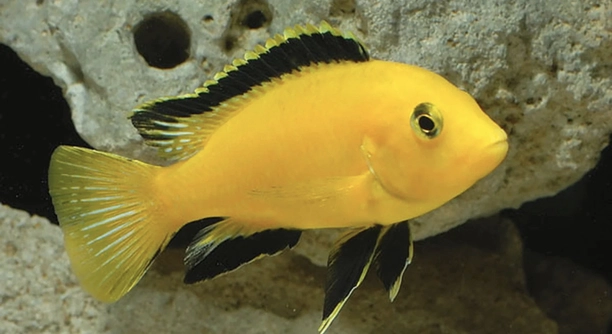
Cichlids are fascinating fish that often change in appearance as they grow. Observing them in your tank can reveal subtle shifts in color that may be surprising and beautiful. Many hobbyists enjoy noticing these transformations.
As cichlids mature, they can display distinct color variants including changes in body hue, fin coloration, and patterns. These shifts are influenced by genetics, environment, diet, and social interactions, making each fish’s development unique and scientifically notable.
Noticing these color changes can help you better understand your fish and their overall health, while also appreciating the diversity in your aquarium.
Early Juvenile Colors
When cichlids are very young, their colors are often muted and uniform. Most juveniles show shades of gray, brown, or dull yellow, which helps them blend into their surroundings and stay safe. These early colors can make it tricky to predict how they will look as adults. As they grow, faint stripes, spots, or bands may appear, indicating the patterns that will develop later. Tank conditions, lighting, and diet all affect how vibrant these early colors can become. Some fish may brighten faster than others, and occasional color flickering is normal during growth. Paying attention to these subtle changes can give you clues about each fish’s genetics and overall health. Even small adjustments in water quality or nutrition may influence the intensity of juvenile colors. Observing these early stages carefully allows you to enjoy the gradual transformation into more mature, vivid shades. Every cichlid is slightly different, and early colors offer the first glimpse into their unique potential.
Juvenile coloration is often a mix of dull tones with faint patterns, showing the first signs of individual variation among fish.
Early juvenile colors may seem simple, but they provide important insight into your cichlid’s development. Monitoring these shades helps identify health issues early and ensures your fish is thriving. Adjustments in diet or tank conditions at this stage can have a noticeable effect, enhancing future color vibrancy.
Adult Color Variants
Adult cichlids display a wide variety of color changes, from bright blues and reds to unique markings.
As cichlids mature, their color variants become more distinct and noticeable. These changes can include deepening hues, contrasting patterns, or even iridescent highlights along the fins and body. Dominant males often develop brighter, more intense colors to signal their status, while females may display subtler shades. Environmental factors like water temperature, pH, and lighting can influence the depth and clarity of these colors. Diet also plays a crucial role—certain pigments in foods can enhance red, yellow, or orange tones in cichlids. Stress and social hierarchy impact appearance as well; a relaxed fish in a stable group tends to maintain its best colors. Observing these changes over time allows you to see how each fish expresses its genetic potential. Adult color variants not only make your aquarium more vibrant but also reflect the overall well-being of the fish. Understanding these differences can help you provide the best care for each cichlid in your tank.
Color Changes in Males
Male cichlids often show more dramatic color changes as they mature. Bright reds, blues, and yellows can appear, especially during mating displays or when establishing dominance in the tank. These colors signal health and social status.
Male cichlids develop vivid colors that reflect both genetics and environmental conditions. Dominant males usually exhibit brighter patterns to attract females and deter rivals. Lighting and water quality influence how intense these colors appear. Certain pigments in their diet, like carotenoids, can enhance red and orange tones. Stress or illness can dull colors temporarily, making regular observation important. Behavioral interactions, such as territorial disputes, may trigger rapid color shifts. Over time, males’ markings become more defined, and subtle patterns emerge on fins and bodies, creating a unique visual display for each individual. These changes are a natural part of maturity.
Watching male cichlids evolve in color is rewarding, as it provides insight into their personality and social dynamics. Understanding these changes helps maintain a balanced and healthy tank environment. Observing males also allows you to see how diet, lighting, and social hierarchy directly influence their vibrant hues over time.
Female Color Variants
Female cichlids generally show more subdued colors than males, with soft tones and gentle patterns.
Female cichlids’ colors tend to remain more subtle, though changes still occur with age and reproductive cycles. Fading or intensifying of stripes and fin highlights can indicate maturity or stress. They may develop brighter tones during spawning periods to signal readiness. Environmental factors, such as water temperature and light exposure, influence how noticeable these colors become. Unlike males, females rarely display intense reds or blues, favoring natural camouflage and protection. Diet can still affect coloration, particularly enhancing yellows or oranges. Observing these subtle shifts helps in understanding female health and reproductive readiness. Subtle patterns often reveal personality traits and social behavior within the tank.
Tracking female color changes provides practical insights into their well-being and interactions. Knowing when a female is showing reproductive colors or stress signs can guide care decisions. Adjustments in diet, tank layout, or water conditions can enhance these natural tones. Over time, you begin to notice individual differences that make each female unique, and understanding these nuances ensures a harmonious aquarium.
Color Fading with Age
As cichlids get older, some colors may fade, especially in areas exposed to constant light or activity. Dull patches are common and do not always indicate poor health.
Fading colors can also result from dietary deficiencies or minor stress. Adjusting nutrition and tank conditions often helps restore vibrancy. Regular observation ensures you notice gradual changes before they become pronounced.
Stress-Related Color Shifts
Stress can trigger sudden or temporary color changes in cichlids. Fish may darken or lose patterns when stressed, frightened, or bullied.
Environmental changes, overcrowding, and poor water quality are common stressors that affect coloration. Addressing these factors quickly can prevent long-term impacts. Regular monitoring helps maintain consistent colors.
Lighting Effects
Lighting significantly influences how colors appear in cichlids. Different bulbs can enhance or dull specific hues.
Proper lighting not only improves visual appeal but also supports natural behavior and health. Adjusting intensity or spectrum can highlight unique patterns and make colors appear more vivid in the tank.
Why do cichlids change color as they grow?
Cichlids change color as part of their natural development. Genetics set the base for patterns and hues, while diet, lighting, water quality, and social interactions influence how these colors appear over time. As juveniles, many fish have muted tones that help them stay hidden from predators. As they mature, males often develop bright, eye-catching colors to signal dominance or attract mates, while females show subtler changes to indicate reproductive readiness. These shifts are gradual but noticeable, and observing them can provide insight into the fish’s health and environment. Color changes are a normal and important part of their lifecycle.
Do males and females develop colors differently?
Yes, males and females show distinct patterns of color development. Males usually display brighter, more vivid colors, including reds, blues, and iridescent highlights, to establish territory and attract females. Dominant males tend to have the most intense hues. Females generally remain more subdued, with soft tones and subtle stripes or spots. Their coloration can become slightly more pronounced during spawning periods to signal readiness, but it rarely matches the intensity of males. Watching these differences helps identify gender, monitor social hierarchy, and ensure that both males and females are thriving in the tank. Subtle variations often indicate health or stress levels.
Can diet affect cichlid coloration?
Diet has a strong effect on cichlid colors. Foods rich in carotenoids and other pigments enhance reds, oranges, and yellows. Providing a balanced diet that includes live, frozen, or specially formulated color-enhancing foods can help maintain bright hues. Poor nutrition may cause colors to fade, patterns to become less distinct, or growth to slow. Regular feeding of high-quality foods ensures that both males and females maintain their natural vibrancy. Even small adjustments in diet, such as adding shrimp, krill, or certain vegetables, can improve overall coloration over time, especially during key growth stages or breeding periods.
Why do some cichlids darken or lose color suddenly?
Sudden color loss or darkening is usually linked to stress. Stressors include poor water quality, aggressive tankmates, overcrowding, or sudden environmental changes. Fish may also show temporary color shifts during illness or minor injuries. Darkening is often a protective response to feel less noticeable or signal submission. Observing behavior alongside color changes helps determine the cause. Addressing water conditions, adjusting tank setup, and reducing aggression can restore natural hues. Temporary changes are common, but persistent fading may indicate a need for closer attention to diet, lighting, or overall tank health.
How does lighting influence cichlid colors?
Lighting can enhance or dull specific colors in cichlids. Full-spectrum or natural daylight bulbs often bring out blues, reds, and iridescent tones. Low or uneven lighting can make colors appear muted, even if the fish is healthy. Adjusting the intensity, duration, and spectrum can highlight patterns and make the tank look more vibrant. Proper lighting also supports natural behavior, feeding, and breeding activity, which indirectly influences coloration. Observing your fish under different lighting setups helps determine the best conditions for showing off their full range of colors while keeping them comfortable and stress-free.
Do social dynamics affect coloration?
Social hierarchy greatly affects cichlid colors. Dominant males often brighten to assert authority, while subordinate males or stressed fish may appear dull or dark. Females may subtly adjust their tones depending on interactions with others. Color changes communicate status, readiness to breed, or submission. Maintaining a balanced social environment reduces stress and helps all fish display their natural colors. Watching interactions closely can explain temporary color shifts, identify aggressive behaviors, and ensure that the tank setup supports peaceful cohabitation, which ultimately preserves vibrant coloration.
Can aging change cichlid colors?
Aging can result in gradual fading of certain colors. Older cichlids may lose brightness in areas exposed to frequent light or activity. Patterns can become less defined, and fin highlights may dull. While fading is partly natural, maintaining good nutrition and water quality can slow this process. Some older fish may also show iridescent or unusual color patterns that weren’t visible when younger. Observing these changes helps track overall health and allows small adjustments to the environment to support long-term vibrancy. Aging doesn’t mean dull colors are a problem unless paired with behavioral or health concerns.
Are there ways to enhance color naturally?
Colors can be enhanced naturally through diet, lighting, and stable tank conditions. Feeding foods rich in natural pigments, such as shrimp, krill, and carotenoid-fortified flakes, can brighten reds and oranges. Full-spectrum lighting and consistent water quality help maintain overall health and vibrancy. Avoiding overcrowding and minimizing stress also allows fish to display their best colors. These methods provide gradual, lasting improvements without relying on artificial additives or dyes. Observing your fish regularly ensures that adjustments are effective, allowing each cichlid to show its full range of natural colors over time.
How do breeding periods affect color changes?
During breeding, males often intensify their colors to attract females and show dominance. Females may display brighter markings or subtle shifts in hue to indicate readiness for spawning. These changes are temporary but noticeable and are influenced by water conditions, diet, and the presence of potential mates. Providing a stress-free environment with proper nutrition supports these seasonal or reproductive color shifts. Recognizing these patterns allows you to anticipate behavior and ensures both males and females remain healthy while displaying natural reproductive colors in the tank.
What should I do if a cichlid loses color permanently?
Permanent color loss may indicate illness, prolonged stress, or nutritional deficiencies. First, check water quality and tank conditions. Adjust diet to include pigment-rich foods and ensure a balanced nutritional intake. Observe interactions with tankmates to reduce bullying or dominance stress. If fading persists, consulting a vet or aquatics specialist can help address underlying health issues. Preventing recurrence involves maintaining stable water parameters, avoiding overcrowding, and providing a diet that supports both health and natural coloration. Permanent color changes are not always harmful but should be monitored carefully.
Word count: 503 words
Observing color changes in cichlids can be a rewarding part of keeping these fish. From the earliest juvenile stages to fully mature adults, each cichlid develops unique patterns and shades that reflect its genetics, environment, and overall health. Juveniles often start with muted colors that help them stay safe and hidden. As they grow, subtle patterns appear, and later, more vivid tones emerge. Male cichlids often display bright, eye-catching colors to assert dominance or attract females, while females show gentler, more subdued variations that indicate reproductive readiness. These differences are normal and can help you better understand the social structure and behavior within your tank. Watching these changes closely allows you to notice any health or stress-related issues early, ensuring your fish remain strong and vibrant.
Color changes are influenced by several factors, including diet, lighting, water quality, and social dynamics. Providing a balanced diet rich in natural pigments can enhance reds, yellows, and oranges, while proper lighting brings out blues, iridescent highlights, and fine patterns. Maintaining stable water conditions, including correct temperature, pH, and cleanliness, also supports vibrant coloration. Stress from overcrowding, aggressive tankmates, or sudden environmental changes can temporarily or permanently affect colors, so monitoring interactions and tank layout is important. Even small adjustments can make a noticeable difference, and observing your cichlids over time helps you understand what works best for each individual. Subtle changes can reveal not only personality and health but also how your care practices are impacting their overall well-being.
Understanding cichlid color variants also adds to the enjoyment of keeping an aquarium. Each fish has its own development path, and noticing changes over time can create a deeper connection to your tank. While some shifts are seasonal, age-related, or related to breeding, others can indicate environmental or dietary influences. Tracking these changes encourages careful observation and thoughtful adjustments, which benefits both the fish and your experience as an owner. By paying attention to diet, lighting, tank conditions, and social dynamics, you can help your cichlids display their best natural colors throughout their lives. Appreciating these variations makes maintaining a cichlid tank more engaging and fulfilling, offering a better understanding of these remarkable fish and their unique ways of showing health, mood, and maturity.
Word count: 412

Hello,
If you enjoy the content that we create, please consider saying a "Thank You!" by leaving a tip.
Every little bit helps us continue crafting quality advice that supports the health, happiness, and well-being of pets around the world, for pets of all shapes, sizes, and species.
We really appreciate the kindness and support that you show us!