
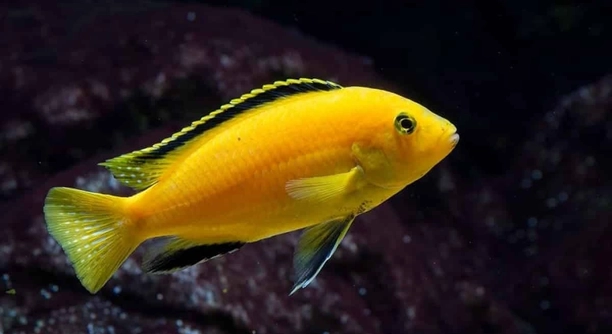
Cichlids are some of the most vibrant fish in freshwater aquariums. Many hobbyists enjoy watching their colors change and intensify as they grow. Nutrition plays a key role in maintaining these bright, natural hues.
Seven key nutrients can enhance cichlid coloration naturally. Carotenoids, vitamins, proteins, and essential fatty acids interact to support pigment development. A balanced diet rich in these nutrients ensures healthy growth while improving the intensity and vibrancy of fish colors.
Understanding how each nutrient affects your fish will help you make informed feeding choices. Maintaining proper nutrition is essential for cichlids to display their full natural beauty.
Carotenoids
Carotenoids are pigments found in many natural foods that directly influence the red, orange, and yellow colors in cichlids. These compounds cannot be synthesized by the fish, which means they must be provided through diet. Foods like shrimp, krill, and certain algae are excellent sources. Regularly including these items helps maintain vibrant coloration, especially in species known for bright red or orange hues. Carotenoids also play a role in overall health, supporting immune function and reproductive success. Even small amounts in daily feeding can show noticeable results over time. Some commercial cichlid foods are fortified with carotenoids, making it easier to meet these needs consistently. It’s important to provide a varied diet so the fish receive a balanced intake of carotenoids alongside other nutrients. Over-supplementation is unnecessary, as a steady, moderate supply is most effective. Observing the fish regularly helps adjust the diet to maintain peak coloration.
A steady carotenoid-rich diet strengthens natural colors effectively. Incorporating both natural and fortified sources ensures consistent pigment enhancement without harming the fish.
Including carotenoids regularly requires attention to both type and quality of foods. Shrimp and krill can be fed frozen or dried, while algae-based products offer plant-derived pigments. Many cichlids respond well to a mix of animal and plant sources. The intensity of red and orange shades often increases after a few weeks of consistent feeding. Some species show better results with live foods, which contain higher pigment levels. Rotating sources prevents nutrient deficiencies and avoids reliance on a single pigment type. While commercial foods can be convenient, supplementing with natural sources can produce richer, more varied coloration. Monitoring water quality is essential, as poor conditions can reduce pigment expression even with adequate nutrition. Carotenoids also support reproductive health and stress resistance, making them valuable beyond color enhancement. Paying attention to feeding routines and portion sizes helps maintain both health and appearance.
Proteins
Proteins are essential building blocks for overall fish health and coloration. Adequate intake supports muscle development and contributes to vibrant skin and scale colors.
High-quality proteins come from fish, shrimp, and specially formulated pellets. Proteins supply amino acids necessary for pigment formation, tissue repair, and immune function. In cichlids, insufficient protein can result in dull colors and slower growth. Plant proteins are useful but often lack certain essential amino acids, so a combination of animal and plant sources is recommended. Feeding small, frequent portions ensures proper digestion and nutrient absorption, which indirectly supports color enhancement. Some breeders prefer live or frozen protein-rich foods because they are more easily digested and closely mimic natural diets. Overfeeding protein can lead to water quality issues, so moderation is crucial. Consistent, balanced protein intake over time strengthens scales and enhances vibrancy while keeping fish healthy. By pairing proteins with carotenoids and vitamins, the visual impact of cichlids’ colors can be maximized without compromising overall well-being.
Vitamins
Vitamins play a critical role in supporting color development in cichlids. Vitamins A, C, and E are particularly important for maintaining vibrant hues, boosting immunity, and protecting cells from oxidative stress. Including a variety of foods ensures fish get the nutrients they need.
Vitamin A supports pigment cell formation and skin health. Fish lacking this vitamin may show faded colors and slower growth. Foods like liver, carrots, and fortified pellets provide adequate amounts. Vitamin C strengthens the immune system and helps the body utilize other nutrients effectively. A deficiency can lead to stress, which dulls coloration. Vitamin E acts as an antioxidant, protecting cells from damage and maintaining overall vitality. Together, these vitamins enhance natural pigment expression while keeping the fish healthy and active. Regularly including vitamin-rich foods ensures consistent color intensity without relying solely on artificial additives.
Balancing vitamins with proteins and carotenoids produces optimal results. Too little or too much can reduce effectiveness, so a varied diet is best.
Vitamins also influence reproduction and stress resistance in cichlids. Proper intake improves egg quality and fry survival, indirectly supporting population health and the vibrancy of offspring. Many commercial feeds are enriched with essential vitamins, but supplementation with fresh or frozen vegetables and meats ensures that fish receive nutrients in a natural, bioavailable form. Observing the fish for signs of deficiency or color fading allows timely adjustments to the diet. Vitamins work best in combination with other nutrients, reinforcing the benefits of carotenoids and proteins for color enhancement. A carefully balanced feeding plan promotes healthy, active fish with vivid, long-lasting coloration.
Essential Fatty Acids
Essential fatty acids help maintain skin integrity, promote scale shine, and enhance natural coloration in cichlids. These fats are not produced by the body and must come from diet, typically from fish oils or certain algae sources.
Omega-3 and omega-6 fatty acids contribute to pigment retention and overall health. Fish with insufficient fatty acids often display dull colors and dry, damaged skin. Including sources such as krill, flaxseed, and high-quality pellets ensures a steady supply. These fats also reduce inflammation and support reproductive health, which indirectly benefits color expression. Balanced fatty acids improve metabolic efficiency, helping pigments develop fully while enhancing the intensity of reds, oranges, and blues. Overfeeding fats can compromise water quality, so portion control is necessary. Combining fatty acids with carotenoids, vitamins, and proteins produces a visually striking result without sacrificing health.
A regular, balanced supply of essential fatty acids promotes vibrant scales and strengthens overall immunity. Fish on a fatty-acid-rich diet are more energetic and display colors more consistently.
Minerals
Minerals like calcium, magnesium, and iron are essential for cichlids’ scale health and coloration. These nutrients support skeletal strength, enzyme function, and pigment formation. Including mineral-rich foods or supplements ensures fish remain healthy and display vivid colors consistently.
A balanced mineral intake prevents dullness and improves overall vitality. Foods such as spirulina, fortified pellets, and certain vegetables provide necessary levels without overloading the system.
Amino Acids
Amino acids are the building blocks of proteins that directly influence pigment production. Essential amino acids like lysine and methionine support tissue repair and enhance vibrant colors. A diet with a variety of proteins ensures fish get all the necessary amino acids to maintain natural hues.
Spirulina
Spirulina is a natural algae source rich in pigments and proteins. Its inclusion in the diet enhances red, blue, and green coloration while supporting general health and immunity.
FAQ
How often should I feed my cichlids carotenoid-rich foods?
Carotenoid-rich foods can be included in the diet several times per week. Using a mix of natural sources like shrimp, krill, and algae ensures consistent pigment intake. Overfeeding is unnecessary, so rotating these foods with regular pellets helps maintain balance.
Can I rely solely on commercial cichlid foods for color enhancement?
Commercial cichlid foods often contain fortified carotenoids, vitamins, and minerals, which support color. However, combining them with natural foods like vegetables, live or frozen protein sources, and algae provides a more complete nutrient profile. Variety ensures stronger and more vibrant coloration.
Are vitamins really necessary for enhancing colors?
Yes. Vitamins A, C, and E play a direct role in pigment expression and overall health. Vitamin A helps develop pigment cells, C strengthens immunity, and E protects against oxidative stress. Together, they ensure cichlids maintain bright, vivid colors.
How do proteins affect cichlid coloration?
Proteins supply amino acids, which are essential for pigment formation and tissue repair. Fish with insufficient protein may show dull colors and slow growth. Providing a mix of animal and plant-based proteins ensures all essential amino acids are available.
What role do essential fatty acids play in coloration?
Omega-3 and omega-6 fatty acids support skin health, reduce inflammation, and improve pigment retention. They also contribute to scale shine and reproductive health. A steady supply from foods like krill, flaxseed, or fortified pellets ensures colors remain vivid.
Can minerals really impact my cichlid’s colors?
Minerals such as calcium, magnesium, and iron are necessary for scale integrity and pigment production. Without proper mineral intake, fish may appear pale or show slower pigment development. Natural sources like spirulina or fortified foods help maintain optimal levels.
Is spirulina more effective than other supplements for color?
Spirulina is rich in natural pigments like carotenoids and phycocyanin, which enhance red, blue, and green hues. It also provides protein and minerals, making it a well-rounded addition. Including it a few times per week supports both coloration and general health.
How long does it take to see color improvements from diet changes?
Visible changes can appear within a few weeks of consistent feeding, though full results depend on species, age, and overall health. Young or stressed fish may take longer, but steady nutrition gradually improves pigment intensity and vibrancy.
Should I adjust feeding based on water quality or tank conditions?
Yes. Poor water quality can dull colors even with a perfect diet. Ensuring clean water, proper temperature, and stable parameters complements nutrition, allowing pigments to develop fully and preventing stress-related color loss.
Can overfeeding color-enhancing foods be harmful?
Yes. Excessive feeding can affect water quality, lead to obesity, and reduce nutrient absorption. Moderation is key. Rotating foods and providing small, consistent portions ensures cichlids gain color benefits without compromising health or tank conditions.
Do all cichlid species respond the same way to nutrients?
No. Some species naturally show brighter colors or respond more quickly to dietary improvements. Observing individual fish and adjusting food types helps optimize pigmentation for each species, ensuring healthy and vibrant scales.
How do amino acids improve color compared to proteins alone?
Amino acids, as building blocks of proteins, directly contribute to pigment synthesis. Ensuring essential amino acids like lysine and methionine are included allows proteins to fully support color development and scale health, producing brighter, more consistent hues.
Can diet alone maintain peak coloration year-round?
Diet is critical but must be combined with good tank maintenance, lighting, and stress management. Balanced nutrition provides the raw materials for pigments, while stable environmental conditions allow fish to fully express their natural colors.
Final Thoughts
Maintaining vibrant coloration in cichlids requires more than just feeding them occasionally bright foods. Their colors reflect overall health, and a consistent, balanced diet is essential. Including carotenoids, proteins, vitamins, minerals, amino acids, essential fatty acids, and spirulina ensures that fish receive all the nutrients needed for strong pigment development. Each nutrient plays a specific role, and they work best when combined. Carotenoids give red, orange, and yellow hues; proteins and amino acids support tissue repair and pigment formation; vitamins and minerals protect cells and improve overall health. Essential fatty acids maintain skin integrity and scale shine, while spirulina provides a natural source of pigments and additional nutrients. A diet that includes a variety of these components will help fish reach their full color potential while also supporting growth and vitality.
Color enhancement does not happen overnight. It takes several weeks of consistent care and proper feeding to see noticeable improvements. Observing the fish regularly is important to adjust the diet if colors appear dull or if the fish show signs of stress or poor health. Overfeeding or relying solely on one type of supplement is not effective and can cause more harm than good, affecting water quality and fish well-being. A steady, moderate supply of nutrients is ideal. It is also important to remember that environmental factors, such as water quality, temperature, and lighting, play a role in how pigments are expressed. Even with the best diet, poor tank conditions can reduce vibrancy, while clean, stable conditions allow colors to show at their brightest. Keeping track of feeding routines and tank parameters ensures that nutrition and environment work together to enhance coloration naturally.
Feeding cichlids for color should feel manageable, not overwhelming. Rotating foods, offering a mix of natural and fortified options, and maintaining proper water conditions creates an environment where fish thrive. Colorful, healthy fish are the result of careful attention to their overall well-being, not just isolated nutrients. Small, consistent steps, like adding spirulina a few times a week, feeding high-quality protein, and ensuring sufficient carotenoids, accumulate over time to produce vivid, lasting colors. This approach is sustainable and supports long-term health, making it easier to maintain both beauty and vitality in the aquarium. Focusing on balance, variety, and consistency allows cichlids to display their full potential, reflecting the care and attention given to their diet and environment. By integrating these practices into a daily routine, vibrant coloration becomes a natural outcome rather than a temporary effect, keeping the aquarium lively and visually striking.

Hello,
If you enjoy the content that we create, please consider saying a "Thank You!" by leaving a tip.
Every little bit helps us continue crafting quality advice that supports the health, happiness, and well-being of pets around the world, for pets of all shapes, sizes, and species.
We really appreciate the kindness and support that you show us!