
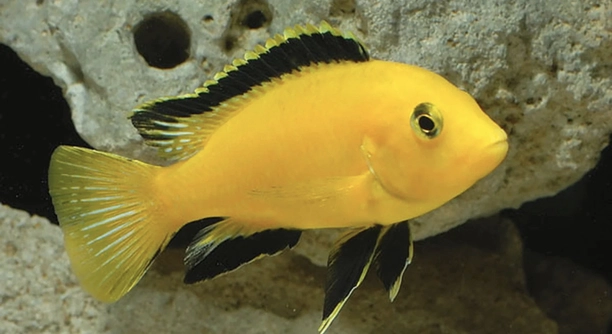
Adding a bottom-dwelling tank mate can completely change the dynamic of your aquarium. These fish or invertebrates often interact differently than mid- or top-level swimmers, creating new patterns, movements, and habits that can surprise even experienced aquarists.
The seven reactions when introducing a bottom-dweller include increased territorial behavior, shifts in feeding patterns, altered swimming zones, changes in social interactions, cautious exploration, stress signals, and adjustments in tank hierarchy. Each response is observable and can impact overall tank balance and harmony.
Observing how your current fish respond provides insight into their comfort and adaptability. Recognizing these reactions can help maintain a healthy, peaceful aquatic environment.
Increased Territorial Behavior
When a bottom-dwelling tank mate is added, some fish immediately become more territorial. They may stake out new areas, such as the substrate or corners, and patrol them frequently. Existing fish can react by chasing the newcomer or by retreating to safer zones. Observing these interactions closely is important to prevent prolonged stress or aggression. Sometimes rearranging decorations or adding hiding spots can help reduce tension and allow all fish to feel secure. Over time, many aquariums reach a balance, but careful monitoring is necessary. Changes in behavior are often subtle at first. Feeding routines may shift as fish adjust to new boundaries, and previously peaceful fish might show signs of guarding their favorite spots. Providing plenty of space and resources minimizes conflict. Adjustments to the tank layout, such as adding rocks or plants, often help the bottom-dweller integrate more smoothly without causing constant stress to other inhabitants.
Monitoring territorial shifts ensures the tank remains balanced and peaceful for every fish involved.
Gradual introductions and careful observation prevent prolonged conflicts. Adjusting hiding spots and decorations supports harmony. Understanding these dynamics helps maintain a calm, healthy aquarium.
Shifts in Feeding Patterns
Bottom-dwellers can change the way other fish feed, sometimes pushing them to compete more aggressively or avoid certain areas.
Adding a new fish that feeds along the substrate often causes mid- and top-level swimmers to adjust their feeding locations. Some fish may rush to the surface while others wait for scraps, creating a temporary imbalance. Feeding schedules might need adjustment to ensure all fish get enough nutrition. Observing who eats first and who avoids the food helps identify stress or discomfort. Over time, many fish settle into a new rhythm, but vigilance is important to avoid underfed individuals. Supplements or spread-out feeding techniques may be necessary. Certain bottom-dwellers are more active and persistent feeders, which can intimidate slower or more timid species. Spacing feeding points and maintaining consistency helps reduce stress and encourages healthy growth. Tank layout changes, such as additional feeding areas or hiding spots, often help balance access to food, ensuring a peaceful and well-fed aquarium.
Feeding behavior is a clear indicator of adaptation and comfort within the tank.
Altered Swimming Zones
Fish often adjust their swimming zones when a bottom-dweller is added. They may avoid the lower levels, favoring mid or upper areas of the tank to reduce contact.
Some species retreat to higher levels or shaded areas while they observe the newcomer. Territorial disputes along the substrate can push more timid fish upward, creating temporary crowding. This shift affects exercise patterns and social interactions, as fish are no longer moving freely through their usual zones. Plants, decorations, and open spaces play a key role in how quickly fish feel comfortable returning to normal swimming habits. Adjusting hiding spots or adding vertical structures can help distribute movement evenly, reducing tension and allowing all fish to establish their preferred territories.
Maintaining a mix of open spaces and hiding spots encourages natural swimming behavior and reduces stress caused by territorial shifts in the lower tank levels.
Cautious Exploration
Bottom-dwelling fish often provoke cautious exploration in the tank. Other fish may slowly investigate the new tank mate without approaching too closely, especially if the newcomer is larger or more active.
Fish display a mix of curiosity and caution when exploring a bottom-dweller. Timid species may hover at a distance, observing the newcomer’s movements before gradually approaching. Bold individuals may attempt to assert dominance or initiate brief interactions, retreating if the response is aggressive. This behavior helps fish learn the newcomer’s habits and boundaries, reducing unexpected conflicts. Over days or weeks, cautious explorers typically expand their movement range as confidence grows. Observing these interactions provides insight into compatibility and helps determine if adjustments, such as rearranging décor or creating more hiding spaces, are needed.
Providing multiple areas to explore ensures all fish feel secure while adapting to new tank dynamics. Consistent observation allows for timely intervention if stress or aggression arises.
Stress Signals
Fish may show stress signals when a bottom-dweller is added. Signs include rapid gill movement, hiding, or erratic swimming.
Stress can also appear as loss of appetite or color changes. Timely observation helps prevent long-term health issues and maintains a balanced tank environment.
Adjustments in Tank Hierarchy
The introduction of a bottom-dweller can shift the tank hierarchy. Dominant fish may reinforce their status while others become more submissive. Smaller or timid species might adjust their positions, moving to safer areas or avoiding certain interactions. Observing these shifts is crucial to maintaining harmony. Over time, many fish settle into a new hierarchy without major conflicts. Adjusting decorations and providing ample hiding spaces reduces stress and encourages a balanced environment. Feeding routines and spatial arrangements may need modification to ensure that all fish have access to resources. Monitoring behavior closely allows timely intervention if aggression persists, ensuring a peaceful community.
Observing Integration
Watching how your fish integrate the newcomer provides insight into overall tank health and social dynamics.
FAQ
What are the signs my fish are stressed by a bottom-dweller?
Signs of stress include hiding more than usual, rapid gill movement, loss of appetite, color fading, and erratic swimming. Fish may avoid certain areas or become unusually aggressive. Observing these behaviors early helps prevent long-term health problems and ensures all fish remain comfortable.
How long does it take for fish to adjust to a bottom-dweller?
Adjustment periods vary depending on species and tank size. Most fish begin showing normal behavior within a few days to a couple of weeks. Timid fish may take longer, while more confident species often establish boundaries quickly. Providing hiding spaces and maintaining a consistent routine helps reduce stress.
Can adding a bottom-dweller change the tank’s social structure?
Yes. Introducing a new bottom-dweller can shift hierarchy and social interactions. Dominant fish may assert control, while others become more submissive or cautious. Over time, a new balance usually forms. Rearranging tank decorations and providing multiple hiding spots can help reduce conflicts during this transition.
Do bottom-dwellers affect feeding habits of other fish?
Bottom-dwellers often change feeding dynamics. They may consume food quickly or stir up debris, causing mid- and top-level fish to compete or eat in different zones. Adjusting feeding locations and schedules ensures all fish receive adequate nutrition without stress. Multiple feeding points can prevent overcrowding.
Are some bottom-dwellers more aggressive than others?
Yes. Some species, like certain cichlids or larger catfish, are naturally territorial and may intimidate or chase other tank inhabitants. Other bottom-dwellers, such as peaceful loaches or smaller invertebrates, integrate more easily. Researching species behavior before introduction helps maintain a harmonious tank.
How can I reduce conflict between fish and a bottom-dweller?
Providing hiding spots, plants, and decorations helps reduce stress. Spacing feeding areas and maintaining consistent routines also supports harmony. Observing interactions and separating fish if aggression persists prevents injury. Gradual introductions are often more successful than adding multiple new fish at once.
Should I change tank decorations when adding a bottom-dweller?
Yes. Rearranging rocks, plants, or substrate creates new boundaries and hiding spaces. This reduces competition and allows fish to explore safely without feeling threatened. Open spaces help maintain normal swimming patterns while avoiding constant territorial disputes.
Can water conditions influence reactions to a bottom-dweller?
Absolutely. Temperature, pH, and oxygen levels affect fish behavior. Poor water quality increases stress and aggression. Ensuring optimal conditions before adding a new bottom-dweller helps all fish adapt more smoothly and prevents unnecessary health issues.
Is it normal for fish to avoid the bottom after adding a new tank mate?
Yes. Mid- and top-level fish often retreat from the lower levels initially. They may feel intimidated or cautious around the newcomer. Over time, most fish regain confidence and return to their usual swimming zones as they adjust to the bottom-dweller’s presence.
How do I know if the bottom-dweller is a good fit for my tank?
Monitor behavior closely for signs of aggression, stress, or competition. Peaceful interactions, balanced feeding, and shared swimming areas indicate a good fit. Researching the species’ natural habits, size, and temperament before introduction helps ensure compatibility and long-term tank harmony.
Can adding a bottom-dweller improve tank cleanliness?
Some species, like certain catfish or loaches, help clean substrate by eating leftover food or algae. However, they do not replace regular maintenance. Observing their impact on the tank helps determine if they contribute to cleanliness or disturb other fish.
How often should I monitor fish after introducing a bottom-dweller?
Daily observation during the first few weeks is important. Look for signs of stress, aggression, or feeding issues. Noting changes in behavior allows timely interventions, such as adjusting decorations, feeding locations, or temporarily separating fish if necessary.
Do bottom-dwellers interact with all types of fish the same way?
No. Interaction depends on species, size, and temperament. Some are curious and non-aggressive, while others may be territorial or dominant. Observing initial interactions helps predict long-term compatibility and guides adjustments to tank layout or feeding routines.
What is the best method for introducing a bottom-dweller?
Quarantine new fish first to ensure health. Slowly acclimate them to water conditions and tank dynamics. Adding them during feeding time can reduce initial stress, and providing hiding spots allows fish to explore safely. Gradual introduction minimizes aggression and supports adaptation.
Can bottom-dwellers cause long-term stress for other fish?
If aggression, lack of hiding spaces, or competition persists, stress can become long-term. Monitoring behavior, providing adequate resources, and adjusting the tank environment helps prevent prolonged negative effects on fish health.
Are there signs the bottom-dweller is not compatible with my tank?
Yes. Persistent aggression, injury, avoidance, or disrupted feeding patterns indicate poor compatibility. Early intervention, such as separation or reassessment of tank mates, is necessary to maintain a peaceful environment. Compatibility depends on species, tank size, and layout.
How do I balance a tank with a new bottom-dweller?
Ensure multiple hiding spots, spread out feeding areas, and monitor water quality. Observing social dynamics, adjusting décor, and providing consistent routines help all fish adapt. Over time, balance is usually achieved when territorial disputes decrease and normal swimming and feeding behaviors resume.
Can introducing multiple bottom-dwellers at once cause problems?
Yes. Multiple new fish can overwhelm existing tank inhabitants and increase competition. Gradual introduction of one fish at a time allows better observation of reactions, reduces stress, and ensures smoother integration into the social structure of the aquarium.
How important is tank size when adding a bottom-dweller?
Tank size significantly affects fish behavior. Smaller tanks increase competition and stress, while larger tanks allow more space to establish territories. Ensuring adequate space supports natural behaviors, reduces aggression, and allows successful integration of a new bottom-dweller.
Should I observe interactions at night?
Yes. Some bottom-dwellers are nocturnal and behave differently after lights go out. Observing nocturnal activity helps identify potential conflicts, stress behaviors, and feeding patterns that may not appear during the day, allowing better management of tank dynamics.
Can plants and décor help reduce conflicts?
Plants, caves, and other décor provide hiding spaces and territory boundaries. These elements reduce aggression, allow cautious exploration, and encourage natural behaviors. A well-decorated tank helps all fish feel secure, improving overall adaptation when a bottom-dweller is introduced.
How can I tell if the bottom-dweller is happy in the tank?
Signs of comfort include regular movement along the substrate, consistent feeding, and non-aggressive interactions with other fish. A well-adjusted bottom-dweller integrates into the tank hierarchy, explores confidently, and exhibits natural behaviors without causing stress to tank mates.
Can I mix different species of bottom-dwellers?
Yes, but compatibility is crucial. Research species’ behavior, size, and temperament before combining them. Peaceful bottom-dwellers typically coexist well, while territorial or aggressive species may require separation. Observing interactions helps ensure harmony and prevents stress or injury.
How often should I clean the tank after adding a bottom-dweller?
Regular cleaning remains essential. Bottom-dwellers may stir up debris or uneaten food, increasing the need for substrate maintenance. Routine water changes, vacuuming, and monitoring filter performance maintain water quality and overall tank health.
What adjustments may be needed for feeding schedules?
Multiple feeding points, smaller portions, or staggered feeding times help reduce competition. Observing who eats first and adjusting accordingly ensures all fish receive enough nutrition without causing stress or aggression in the tank.
How do I introduce shy fish to a new bottom-dweller?
Provide plenty of hiding spaces and allow gradual observation from a distance. Avoid sudden movements or overcrowding, and monitor interactions closely. Timid fish usually adapt slowly, and patience ensures they feel safe while integrating with the new tank mate.
Can bottom-dwellers affect water clarity?
Yes. Species that dig or stir the substrate can increase cloudiness temporarily. Proper filtration and regular maintenance manage debris, ensuring water remains clear without affecting fish health. Observing tank behavior helps anticipate and address these changes.
Are there behavioral signs that indicate a bottom-dweller is dominant?
Yes. Dominant fish may claim large portions of the substrate, chase other fish, or exhibit persistent territorial displays. Monitoring interactions helps determine hierarchy and informs adjustments to decorations or feeding areas to maintain balance.
How can I prevent long-term aggression in the tank?
Providing hiding spots, spreading out feeding areas, monitoring interactions, and adjusting décor reduce aggression. Gradual introductions and observing stress signs allow timely interventions, ensuring a peaceful environment for all fish, including the new bottom-dweller.
What is the best way to monitor adaptation?
Observe swimming patterns, feeding behavior, and social interactions daily. Note changes in color, appetite, and movement. Gradual improvement indicates successful adaptation, while persistent stress or aggression may require adjustments to the tank layout, feeding routine, or tank mates.
How do I know if I need to separate fish?
Persistent aggression, injury, or stress signs indicate separation may be necessary. Temporary or permanent separation allows recovery, reduces stress, and maintains harmony while determining long-term compatibility with the bottom-dweller.
Can adding a bottom-dweller improve fish activity?
Yes. A new fish can stimulate exploration, increase movement, and encourage interaction. Proper integration enhances overall tank activity while promoting natural behaviors and mental stimulation for existing inhabitants.
Is it normal for fish to become more cautious initially?
Yes. Fish often observe and assess a newcomer before interacting. This behavior is typical and usually diminishes as the bottom-dweller establishes its role and tank mates gain confidence in their surroundings.
How do I track long-term adaptation?
Note feeding patterns, swimming zones, color, and social interactions over weeks. Consistency in behavior indicates successful adaptation, while ongoing stress or conflict may require environmental changes, additional hiding spots, or reconsideration of tank mates.
Can multiple stress factors combine with the introduction of a bottom-dweller?
Yes. Poor water quality, overcrowding, or incompatible species can amplify stress when adding a new bottom-dweller. Addressing these factors before introduction helps ensure smooth integration and long-term tank harmony.
What are early warning signs of serious issues?
Persistent aggression, injury, refusal to eat, extreme hiding, and rapid color fading indicate serious problems. Immediate action, such as separation, tank adjustments, or consulting aquatic care resources, is necessary to prevent lasting damage.
How important is observation during feeding?
Feeding reveals hierarchy, stress, and compatibility. Watching who eats first, who retreats, and who competes helps identify adjustments needed in feeding locations, portion sizes, or timing to maintain balance and reduce stress.
Can bottom-dwellers coexist with mid-level schooling fish?
Yes, if species are peaceful and territory needs are balanced. Proper tank size, hiding spots, and evenly distributed feeding points reduce conflict and support harmonious coexistence between bottom-dwellers and mid-level schooling species.
Do bottom-dwellers affect tank maintenance routines?
They can stir up debris and uneaten food, requiring more frequent vacuuming of the substrate. Consistent water changes and filter checks ensure clean, healthy conditions for all tank inhabitants.
What is the ideal approach to gradual introduction?
Quarantine new fish, acclimate them slowly to tank conditions, and provide hiding spaces. Introduce during feeding time to reduce stress. Observe interactions closely and separate if aggression persists. Gradual steps support successful adaptation and reduce conflicts.
How do I know if feeding adjustments are effective?
Fish remain healthy, maintain appetite, and avoid aggressive competition. Balanced access to food, reduced stress, and normal swimming patterns indicate feeding adjustments are successful.
Can a bottom-dweller influence the activity of nocturnal species?
Yes. Active bottom-dwellers may disturb or interact with nocturnal fish. Observing nighttime behavior ensures both species maintain natural routines without excessive stress or aggression.
Is long-term monitoring necessary?
Yes. Behavior, feeding, and social interactions evolve over time. Continuous observation helps identify stress, aggression, or imbalance early, ensuring a peaceful and healthy aquarium environment for all fish.
How do I know if a bottom-dweller is unhappy?
Signs include hiding, erratic movement, refusal to eat, or aggression. Monitoring these behaviors and adjusting the environment ensures proper adaptation and prevents long-term stress.
Can tank size limit the number of bottom-dwellers?
Yes. Limited space increases competition and stress. Proper tank sizing ensures enough room for territory, exploration, and feeding, supporting peaceful coexistence and reducing long-term conflict.
What is the most common mistake when adding a bottom-dweller?
Rushing the introduction, overcrowding, or neglecting hiding spots often leads to stress and aggression. Gradual integration and proper tank preparation help prevent these issues and ensure smoother adaptation.
How can I encourage peaceful interactions?
Provide hiding spots, multiple feeding areas, and a balanced tank layout. Gradual introductions, observation, and timely adjustments foster calm, cooperative behavior between the bottom-dweller and existing fish.
Are there any long-term benefits to adding a bottom-dweller?
Yes. Bottom-dwellers can enhance tank activity, improve substrate cleanliness, stimulate natural behaviors, and diversify interactions. Proper integration ensures a balanced, engaging, and healthy environment for all fish.
How do I know if a bottom-dweller is thriving?
Consistent feeding, normal swimming patterns, confident exploration, and peaceful interactions indicate a thriving fish. Observing these behaviors over weeks ensures successful integration and overall tank health.
Can multiple types of bottom-dwellers coexist peacefully?
Yes, if species have compatible temperaments and similar needs. Adequate space, hiding spots, and careful observation help maintain harmony and reduce stress or territorial disputes in the tank.
How do I manage aggressive behavior effectively?
Separate aggressive individuals, adjust decorations, provide hiding spots, and monitor feeding locations. Observing interactions and making timely changes ensures a peaceful and balanced tank.
What role does water quality play in adaptation?
Clean, stable water reduces stress, supports immune health, and promotes smooth integration. Poor water conditions amplify aggression, illness, and stress during the introduction of a new bottom-dweller.
How can I prevent feeding disputes?
Spread out feeding points, adjust portion sizes, and monitor who eats first. This ensures all fish receive adequate nutrition and reduces stress or aggression.
Is it normal for behavior to fluctuate at first?
Yes. Initial caution, hiding, or temporary aggression is typical. Gradual adaptation and observation help fish settle into their roles and establish a balanced tank environment over time.
How do I know when adaptation is complete?
Stable swimming zones, consistent feeding, peaceful interactions, and confident exploration indicate full adaptation. Observing these behaviors over several weeks confirms successful integration.
Can adding a bottom-dweller improve tank aesthetics?
Yes. Many bottom-dwellers enhance visual appeal with unique movements, patterns, or behaviors, creating a more dynamic and engaging aquarium environment.
What should I do if integration fails?
Assess species compatibility, tank layout, and stress factors. Temporary separation, adjusting décor, or reconsidering tank mates may be necessary to restore harmony and protect all fish.
How important is patience during adaptation?
Patience is essential. Fish need time to establish boundaries, explore, and adjust to new dynamics. Rushing the process increases stress and reduces the likelihood of successful integration.
Can I introduce more than one bottom-dweller at a time?
Gradual introductions are safer. Adding multiple at once may overwhelm existing fish and increase aggression. Introducing one at a time allows careful monitoring and smoother adaptation.
How do I ensure all fish remain healthy during integration?
Monitor behavior, feeding, and water quality. Provide hiding spots, balanced feeding areas, and maintain clean water. Timely interventions prevent stress, aggression, and health issues for all tank inhabitants.
What are the most important factors for successful integration?
Species compatibility, tank size, hiding spaces, feeding management, water quality, and careful observation are key. Proper planning and gradual introduction ensure a balanced, peaceful aquarium.
How can I tell if the bottom-dweller is comfortable with other fish?
Signs include confident movement along the substrate, regular feeding, peaceful interactions, and exploration without stress. Observing these behaviors over time confirms successful adaptation.
Can bottom-dwellers coexist with territorial mid-level fish?
Yes, if space and hiding spots are sufficient. Monitoring interactions and adjusting decorations reduces conflict and ensures a peaceful environment for all species.
How do I adjust the tank if aggression persists?
Increase hiding spots, separate aggressive fish temporarily, adjust feeding areas, and monitor behavior. These measures restore balance and reduce stress in the tank.
Can a bottom-dweller influence water circulation or filtration?
Some digging or substrate-stirring species may impact debris distribution, affecting filtration efficiency. Monitoring water quality and adjusting maintenance routines helps maintain a healthy environment.
How do I maintain harmony long-term?
Regular observation, proper tank layout, balanced feeding, and maintaining water quality are essential. Gradual interventions when necessary prevent stress and aggression, supporting long-term adaptation.
Are hiding spots more important than open swimming areas?
Both are essential. Hiding spots reduce stress, while open areas allow natural swimming. Balancing these elements supports peaceful integration and normal behavior for all fish.
Can bottom-dwellers reduce algae or leftover food?
Some species help clean the substrate by consuming leftover food or algae, but they do not replace regular tank maintenance. Observing their impact ensures balanced results.
What should I do if my fish never stop avoiding the bottom?
Evaluate stress levels, aggression, tank layout, and hiding spots. Adjusting decorations, feeding strategies, or separating incompatible fish may be necessary for a harmonious tank.
How do I know if the bottom-dweller is too aggressive?
Persistent chasing, injury to other fish, or territorial dominance beyond the substrate indicates excessive aggression. Timely interventions are required to protect all tank inhabitants.
Can adding plants improve interactions with a bottom-dweller?
Yes. Plants provide hiding spots, territorial boundaries, and visual barriers. They help reduce stress and encourage natural behaviors, supporting peaceful coexistence.
How do I manage multiple stressors during integration?
Address water quality, overcrowding, feeding, and territorial needs simultaneously. Monitoring behavior and making environmental adjustments ensures a calmer tank and reduces long-term stress.
Is observation more important than immediate action?
Both are essential. Observation identifies problems, while timely interventions prevent escalation. Patience combined with careful monitoring supports successful integration and long-term tank harmony.
How do I balance tank space for all fish?
Provide adequate territory, hiding spots, and open swimming areas. Larger tanks allow better distribution, reducing competition and promoting peaceful coexistence among bottom-dwellers and other species.
Final Thoughts
Adding a bottom-dwelling tank mate can bring noticeable changes to an aquarium. Fish often adjust their swimming zones, feeding habits, and social interactions to accommodate the newcomer. Some species may become more cautious, avoiding the lower levels at first, while others assert dominance along the substrate. Observing these adjustments is crucial to ensure all fish remain healthy and comfortable. Providing adequate hiding spots, spreading out feeding areas, and maintaining open swimming spaces help reduce stress and allow each fish to establish its preferred territory. Careful monitoring during the first days and weeks allows for timely interventions if aggression or stress becomes persistent. The integration process requires patience, as even minor behavioral shifts can indicate how well the fish are adapting to the new dynamic. Over time, most aquariums reach a stable balance when each fish finds its place, contributing to a harmonious and well-functioning community.
Water quality and environmental conditions play a significant role in the success of introducing a bottom-dweller. Poor water parameters can amplify stress, increase aggression, and negatively affect feeding behavior. Ensuring that the tank is clean, temperature and pH are stable, and oxygen levels are sufficient helps all fish feel secure. Regular maintenance, including water changes and substrate cleaning, remains essential even after a new fish is added. Decorations, plants, and hiding spaces are also vital components of a well-balanced tank. They provide areas for timid fish to retreat and reduce direct confrontations, while also allowing the bottom-dweller to explore without being immediately challenged. Adjusting tank layout thoughtfully can minimize conflicts and encourage natural behaviors, ultimately leading to a calmer and more active aquarium environment.
Feeding routines and observation are equally important when integrating a new bottom-dweller. Fish may compete for food or shift their eating patterns in response to the newcomer. Providing multiple feeding points, adjusting portion sizes, and monitoring who eats first ensures that all fish get adequate nutrition without causing undue stress. Watching how the fish interact during feeding times offers valuable insight into the tank’s social hierarchy and overall harmony. Gradually, most fish adapt to the presence of the bottom-dweller, resuming normal behavior and establishing a comfortable routine. By paying attention to territorial behavior, swimming patterns, and feeding habits, aquarists can foster a peaceful environment that supports the health and well-being of all tank inhabitants. Thoughtful preparation, careful observation, and timely adjustments create the foundation for a balanced aquarium where each fish thrives and interacts naturally, resulting in a visually appealing and harmonious aquatic setting.

Hello,
If you enjoy the content that we create, please consider saying a "Thank You!" by leaving a tip.
Every little bit helps us continue crafting quality advice that supports the health, happiness, and well-being of pets around the world, for pets of all shapes, sizes, and species.
We really appreciate the kindness and support that you show us!