
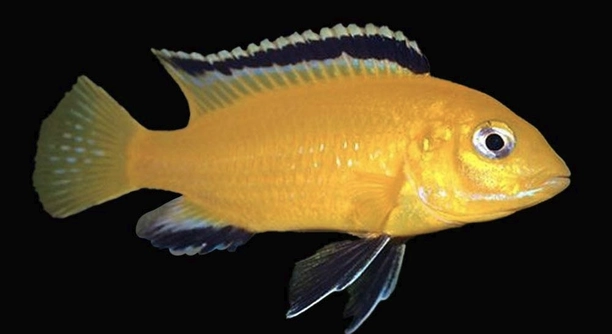
Peacekeeper cichlids are admired in aquariums for their calm nature and ability to coexist with other fish. Their behavior makes them appealing to both beginner and experienced hobbyists seeking a harmonious aquatic environment.
These cichlids display traits such as low aggression, adaptability, consistent temperament, territorial balance, social tolerance, predictable feeding habits, and resilience. Together, these characteristics allow them to maintain peace within community tanks and interact safely with other species without causing significant stress.
Knowing these traits can help you create a balanced aquarium environment and enjoy observing their gentle interactions daily.
Low Aggression Levels
Peacekeeper cichlids are known for their gentle nature. Unlike other cichlids that can be territorial or aggressive, these fish maintain a calm demeanor in the tank. Their interactions with other fish are usually non-confrontational, which makes them ideal for community aquariums. Even during feeding times, they rarely display dominance or competition over food. They tend to swim alongside other species without showing signs of stress or hostility. This low aggression level reduces the risk of injuries among tank mates. It also creates a more relaxing atmosphere for anyone observing the aquarium. Over time, their consistent calm behavior encourages a peaceful environment, making tank management simpler. These cichlids often form small, stable social groups without asserting control over others. Their predictable temperament ensures that new additions to the tank are not met with immediate conflict. Observing them interact can provide insight into how peaceful species adapt to shared spaces. Overall, their low aggression is a defining trait that supports harmony in aquatic setups.
Low aggression makes them reliable companions in mixed-species tanks, reducing stress and minimizing conflict among other fish.
Their gentle temperament allows them to coexist safely, creating an aquarium where multiple species thrive without the need for constant monitoring or intervention.
Adaptability
Peacekeeper cichlids adjust well to different tank conditions, including variations in water parameters, temperature, and tank size.
They thrive in environments where water quality is maintained and temperatures remain stable, but they can tolerate minor fluctuations without severe stress.
Their adaptable nature allows them to live comfortably in a variety of setups, from planted aquariums to simpler community tanks. They respond well to changes in surroundings and are often quick to explore new spaces. When introducing them to tanks with other species, they adapt their behavior to minimize conflicts. This flexibility also extends to diet; they can eat a variety of foods, from flakes and pellets to live or frozen options. Maintaining their health is simpler because they adjust to gradual changes in water chemistry. Their resilience reduces the risk of disease caused by sudden environmental shifts. This trait makes them especially suitable for hobbyists who prefer a low-maintenance species. Overall, adaptability is a key factor that contributes to their peaceful and stable presence in aquariums.
Consistent Temperament
Their behavior remains steady, even in changing tank conditions or around new fish. They rarely act out of character, maintaining a calm and predictable presence.
This consistent temperament makes tank management easier because sudden aggression or stress responses are uncommon. Unlike more reactive species, peacekeeper cichlids stick to familiar routines and interactions. They rarely chase or harass other fish, which reduces injuries and stress within the aquarium. Their daily patterns, from swimming paths to feeding responses, are largely stable, allowing you to anticipate their needs. Over time, this reliability creates a sense of order in a mixed-species tank. Observing them is enjoyable because you can expect their peaceful behavior almost every day. Even when introducing new species, they adjust without extreme reactions, keeping interactions smooth. Their temperament also supports a balanced social dynamic, where dominant behavior does not disrupt the group. Overall, their steady nature adds predictability and calm to the aquarium.
Maintaining a tank with these cichlids is less stressful because their behavior rarely surprises, keeping interactions predictable and harmonious.
Social Tolerance
They coexist well with other fish, including both similar and different species, minimizing conflicts in the tank.
Peacekeeper cichlids show strong social tolerance, allowing them to live with a variety of fish without causing disturbances. They understand boundaries within shared spaces, rarely engaging in fights or asserting dominance. This trait is particularly beneficial in community tanks where multiple species occupy the same environment. Their ability to accept the presence of others reduces stress and prevents the formation of aggressive hierarchies. They often swim in proximity to other fish without chasing or harassing them. Social tolerance also extends to feeding, where they share space and resources without competition. These cichlids can adapt to different social dynamics, whether living with active swimmers or more reserved species. Over time, they foster a peaceful environment, helping to maintain stability in the aquarium. Their calm interactions encourage other fish to settle into routines and coexist without tension, making them a cornerstone species in any community setup.
Territorial Balance
They maintain small, defined territories without overextending or invading others’ spaces.
This balance prevents constant fights and ensures multiple fish can share the same tank comfortably.
Predictable Feeding Habits
Peacekeeper cichlids eat on a regular schedule and respond consistently to food. They rarely compete aggressively during mealtime, making it easier to manage their diet. Their predictable eating patterns reduce stress for both the fish and the keeper, ensuring everyone gets proper nutrition. This consistency also helps monitor health, as any change in appetite can be detected quickly, signaling potential issues. Feeding them a balanced diet of flakes, pellets, and occasional live or frozen foods keeps them healthy. Over time, their stable habits create a smooth routine, making daily care simple and efficient.
Resilience
These cichlids recover quickly from minor stress and adapt to small environmental changes without long-term issues.
What water conditions do peacekeeper cichlids prefer?
Peacekeeper cichlids thrive in clean, stable water. They prefer slightly acidic to neutral pH levels, typically between 6.5 and 7.5. Water temperature should remain between 75°F and 82°F for optimal health. Maintaining consistent water quality is important because sudden changes can stress them, even though they are fairly resilient. Regular water changes and proper filtration help ensure they remain active and healthy.
How many peacekeeper cichlids can I keep in one tank?
Tank size and social dynamics determine the number of peacekeeper cichlids that can coexist comfortably. A larger tank allows more fish without overcrowding, while a smaller tank should house fewer individuals. Keeping one male with several females or small groups of similar-sized fish usually works best. Overcrowding can lead to stress and aggression, even among typically peaceful species. Providing enough hiding spots and visual barriers helps maintain balance and reduces tension.
What should I feed peacekeeper cichlids?
They eat a mix of flakes, pellets, and occasional live or frozen foods. A varied diet supports growth, coloration, and overall health. Avoid overfeeding, as leftover food can pollute the water. Feeding once or twice daily in small amounts ensures they consume the food fully. Observing their response to different foods helps identify preferences and maintain a balanced diet. Healthy feeding routines also prevent competition, supporting the peaceful nature of the tank.
Do peacekeeper cichlids get along with other fish?
Yes, they are known for their calm temperament and social tolerance. They coexist well with other peaceful species and rarely display aggression. Territorial disputes are minimal if the tank provides adequate space and hiding areas. Avoid housing them with highly aggressive or fin-nipping fish, as this can stress them. Their social adaptability allows them to share space, swim together, and interact without constant conflict, which contributes to a harmonious aquarium environment.
How can I tell if my peacekeeper cichlid is stressed?
Signs of stress include hiding excessively, loss of appetite, sudden color changes, or erratic swimming. Stress often results from poor water quality, overcrowding, or incompatible tank mates. Monitoring their behavior daily helps detect early warning signs. Quick action, like adjusting water parameters, rearranging the tank, or reducing stressors, can prevent long-term health issues. Regular observation is key because these cichlids rarely show severe aggression, so subtle signs may indicate discomfort.
What is the best tank setup for peacekeeper cichlids?
Provide a tank with plenty of open swimming space, hiding spots, and visual barriers. Rocks, driftwood, and plants create natural divisions, helping maintain territorial balance and reduce conflicts. Substrate can be sand or fine gravel, which supports their natural digging behavior. Proper filtration ensures clean water, while a stable temperature and pH maintain comfort. Avoid overcrowding and keep compatible species to preserve their calm environment. A well-planned setup enhances their behavior and supports a peaceful community tank.
Can peacekeeper cichlids live long in home aquariums?
With proper care, these cichlids can live for 5 to 10 years. Longevity depends on consistent water quality, a balanced diet, and a stress-free environment. Regular maintenance, monitoring health, and providing a stable habitat contribute to a long, healthy life. Their resilience helps them adapt to minor changes, but routine care remains essential. Observing them over time shows how well they adjust and thrive when their needs are met. Proper care ensures they remain calm and active members of the tank.
Do peacekeeper cichlids breed easily in captivity?
They can breed in home aquariums under favorable conditions. Providing flat surfaces or smooth rocks encourages spawning, as they often lay eggs on prepared areas. Keeping one male with several females improves breeding success. Maintaining optimal water conditions and a nutritious diet supports reproductive health. During breeding, males may become slightly more territorial, but aggression is usually limited. Removing fry or providing hiding spots ensures survival without stress to adult fish. Breeding can be rewarding, demonstrating their natural behaviors and peaceful interactions.
How often should I clean a tank with peacekeeper cichlids?
Regular maintenance is important, even for resilient species. Partial water changes of 20-30% every one to two weeks keep water parameters stable. Vacuuming substrate and cleaning filters prevent buildup of waste and debris. Avoid drastic changes that could stress the fish. Maintaining a clean environment supports health, coloration, and overall behavior. Consistent care ensures peacekeeper cichlids remain calm, active, and able to coexist with other species without issues, preserving the tank’s balance and tranquility.
Are there common health issues for peacekeeper cichlids?
They are generally hardy, but stress, poor water quality, or improper diet can lead to illness. Common issues include ich, fin rot, or minor infections. Early detection and prompt treatment prevent complications. Observing behavior and appearance regularly helps catch problems before they escalate. Keeping the tank clean and maintaining proper conditions reduces the risk of disease. Peacekeeper cichlids’ resilience makes them less prone to health issues, but consistent care ensures they remain vibrant and active, supporting a peaceful aquarium environment.
Final Thoughts
Peacekeeper cichlids are a unique choice for anyone looking to maintain a calm and balanced aquarium. Their low aggression and consistent temperament make them ideal for community tanks. Unlike more territorial or aggressive cichlids, they coexist peacefully with a variety of species. Watching them interact is enjoyable because their behavior is predictable and steady. They rarely chase or harass other fish, which reduces stress for everyone in the tank. Their gentle nature encourages harmony among tank mates and creates a more relaxed environment. Even during feeding, they rarely compete aggressively, which allows all fish to receive adequate nutrition. Their predictable behavior makes daily care simpler and more rewarding for those who spend time observing the aquarium. By selecting these cichlids, it is possible to create a visually appealing and tranquil aquatic space.
Another important trait of peacekeeper cichlids is their adaptability. They can handle minor changes in water temperature and chemistry without major stress, which makes them suitable for a range of aquarium setups. Whether in a planted tank or a more minimal community environment, they adjust well to their surroundings. Their social tolerance means they accept the presence of other fish without engaging in unnecessary conflicts. This adaptability also extends to feeding habits, as they can thrive on a combination of flakes, pellets, and occasional live or frozen foods. Their resilience ensures that small mistakes in care do not lead to serious health issues. Providing stable conditions, hiding spaces, and a balanced diet is enough to keep them healthy and active over the long term. Their ability to adjust while maintaining a calm temperament makes them reliable and low-maintenance fish for both beginners and experienced hobbyists.
Finally, peacekeeper cichlids offer a combination of traits that are difficult to find in other species. Their territorial balance, predictable feeding, and resilience make them highly compatible in community aquariums. Observing them provides insight into natural, peaceful fish behavior while offering the satisfaction of maintaining a stable and harmonious environment. They do not require constant monitoring for aggression, and their steady personality ensures that tank dynamics remain manageable. By understanding their needs and providing a consistent environment, it is possible to enjoy a thriving, visually appealing aquarium. Peacekeeper cichlids are not only attractive in appearance but also in the calm and cooperative presence they bring to any aquatic setup. Their qualities make them a valuable addition to home aquariums, allowing multiple species to coexist without conflict while providing a reliable and enjoyable fishkeeping experience.

Hello,
If you enjoy the content that we create, please consider saying a "Thank You!" by leaving a tip.
Every little bit helps us continue crafting quality advice that supports the health, happiness, and well-being of pets around the world, for pets of all shapes, sizes, and species.
We really appreciate the kindness and support that you show us!