
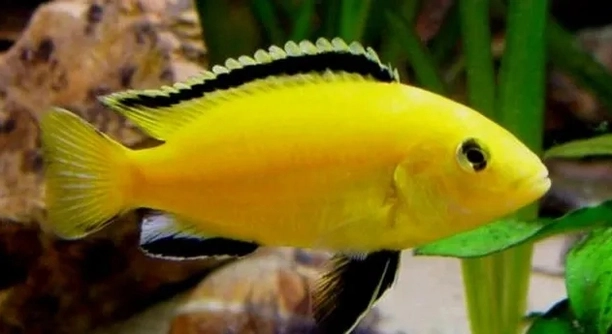
Cichlids are sensitive fish that react strongly to changes in their environment. Improper lighting can cause stress, affecting their behavior, appetite, and overall health. Adjusting the aquarium lights can create a calmer and more natural atmosphere for them.
Reducing cichlid stress through lighting involves controlling intensity, duration, and placement. Gradual dimming, consistent day-night cycles, and using natural-spectrum bulbs can help maintain comfort. Avoiding sudden changes and harsh glare ensures a stable environment that supports their well-being.
Implementing these adjustments can improve both fish health and tank harmony, making your aquarium a more peaceful space for your cichlids.
Gradual Light Transitions
Sudden changes in lighting can startle cichlids, causing them to hide or act aggressively. Gradually adjusting the light over 15 to 30 minutes mimics natural sunrise and sunset. This slow transition helps them feel secure and reduces stress, promoting normal swimming and feeding patterns. Using timers makes this process easier and ensures consistency, which is key for their health. Softening the light during feeding times can also improve their appetite and prevent skittish behavior. Observing how your fish respond to adjustments can guide you in fine-tuning the lighting schedule. Over time, they will adapt, appearing calmer and more active. Proper placement of lights avoids sharp shadows or overly bright spots that could trigger territorial displays. By paying attention to these details, the aquarium environment becomes more stable and natural for your cichlids, enhancing their overall well-being.
Gradual transitions prevent sudden stress reactions, allowing cichlids to adjust naturally and maintain healthy behavior in their tank environment.
Consistency in light changes supports long-term stability, ensuring your cichlids remain relaxed and comfortable while reducing stress-induced illnesses. Observing their response helps refine timing and intensity. Overly bright or uneven lighting can cause hiding, aggression, or appetite loss. Timers and dimmers are practical tools to maintain predictable cycles. Matching light cycles to natural patterns encourages regular activity, social interactions, and feeding. Shadows or glare should be minimized by adjusting lamp angles. Using bulbs that simulate daylight spectrum supports normal coloration and behavior. Small adjustments can make a significant difference in tank harmony. Establishing a lighting routine benefits both the fish and the visual appeal of the aquarium. Consistent, thoughtful lighting makes a noticeable impact on your cichlids’ health and comfort, creating a more stable habitat that encourages natural behavior and reduces unnecessary stress.
Avoid Overly Bright Lighting
Excessive brightness can make cichlids skittish and withdrawn, impacting their activity levels and feeding habits.
Bright lights can be stressful, especially in tanks with limited hiding spots. Using dimmers or floating plants to diffuse light reduces tension. Adjusting intensity ensures fish feel secure, helping maintain social balance. Observing how your fish react allows you to fine-tune brightness, avoiding overstimulation. Combining moderate light with natural cover creates a calmer environment. This approach prevents erratic movements and reduces aggressive behavior. Choosing bulbs with a natural spectrum supports normal coloration and comfort. Over time, consistent lighting and soft intensity help cichlids develop regular routines, making them more predictable and less prone to stress-induced illness. Implementing these measures improves both their behavior and your enjoyment of the aquarium, allowing you to maintain a visually pleasing tank while prioritizing their well-being. Gradual adjustment, monitoring reactions, and providing shaded areas are key steps in creating a stable and less stressful environment for your cichlids.
Use Natural-Daylight Bulbs
Natural-daylight bulbs replicate the sun’s spectrum, creating a familiar environment for cichlids. These bulbs reduce unnatural shadows and highlight colors gently, helping fish feel secure while encouraging normal behavior patterns in the tank.
Choosing bulbs that mimic daylight improves overall activity levels and feeding habits. Cichlids respond better to lighting that resembles their natural habitat, which reduces hiding and stress-related aggression. Proper bulb selection supports natural coloration, making the fish appear vibrant without overstimulation. Observing the fish under these lights can indicate whether adjustments are needed. Combining daylight bulbs with moderate intensity and consistent timing ensures a stable environment. This balance also prevents sudden reactions to harsh or uneven lighting. Over time, cichlids adjust to this setup, displaying calmer, more predictable behavior and interacting more naturally with their surroundings.
Consistency in using daylight-spectrum bulbs prevents stress from abrupt lighting changes, ensuring cichlids remain active and comfortable. Regular observation helps refine bulb placement for optimal results.
Provide Hiding Spots
Hiding spots reduce stress and give cichlids a sense of safety in the aquarium. Rocks, caves, and dense plants create areas to retreat when lighting feels intense or unfamiliar.
Well-placed shelters improve social dynamics by allowing timid fish to escape aggressive tank mates. Hiding spots also encourage exploration, as cichlids feel secure moving around the tank. Balancing open swimming areas with cover is essential, preventing overcrowding while supporting natural behavior. Observing how fish interact with these shelters can guide adjustments. Some cichlids prefer vertical hiding spots, while others favor horizontal or shaded areas. Providing variety accommodates different personalities and reduces overall stress. A mix of decorations and live plants creates a dynamic, comfortable habitat. Over time, these additions contribute to healthier feeding habits, reduced aggression, and improved coloration, enhancing both fish well-being and tank aesthetics.
Shelters give fish control over their environment, lowering stress and promoting natural behavior while maintaining balance in the aquarium ecosystem.
Control Light Duration
Maintaining a consistent light schedule helps cichlids adapt naturally. Around 8 to 10 hours of light per day supports normal activity without overstimulation or stress.
Using timers ensures consistency, preventing abrupt changes that can startle fish. Gradual adjustments to duration help fish settle comfortably into the routine.
Position Lights Strategically
Placing lights away from direct tank fronts reduces glare and shadows. Proper positioning ensures even illumination, helping cichlids navigate and interact without stress. Shadows can trigger aggression or hiding, so careful placement creates a calmer environment. Adjusting angles and height helps mimic natural conditions, improving overall tank harmony.
Reduce Reflections
Reflections on glass can confuse or stress cichlids, leading to erratic swimming and aggression. Minimizing reflective surfaces helps fish feel secure and reduces unnecessary stress in the tank.
FAQ
How can I tell if my cichlids are stressed by lighting?
Signs of stress include hiding frequently, reduced appetite, erratic swimming, or aggression toward tank mates. Sudden reactions to turning on the lights, such as darting to corners, also indicate discomfort. Observing behavior during different lighting conditions helps identify the ideal setup.
What is the best intensity for aquarium lighting?
Moderate lighting is ideal for most cichlids. Too bright or harsh lights can cause stress, while dim lighting may reduce activity and dull colors. Using adjustable bulbs or dimmers allows you to find the right balance and maintain a consistent, comfortable environment.
How long should lights stay on each day?
A consistent schedule of 8 to 10 hours of light per day works well for cichlids. Using timers prevents sudden changes, which can startle the fish. Gradual adjustments in duration are better than abrupt increases or decreases in light exposure.
Are natural-daylight bulbs necessary?
While not mandatory, natural-daylight bulbs closely mimic the sun’s spectrum, helping cichlids feel secure. These bulbs enhance colors and reduce unnatural shadows. Pairing them with moderate intensity and consistent timing supports normal behavior and overall health.
Can hiding spots reduce lighting stress?
Yes, hiding spots such as rocks, caves, and dense plants provide areas to retreat from bright or intense light. They allow fish to control exposure and reduce stress, promoting calm and natural interactions with tank mates.
Should lights be positioned above the tank only?
Positioning lights above the tank is standard, but avoiding direct glare on the water surface or glass is important. Angles and height can be adjusted to create even illumination, minimizing shadows and reflections that cause stress.
How do reflections affect cichlids?
Reflections on glass or water surfaces can confuse or stress cichlids. They may perceive their reflection as another fish, causing aggression or erratic swimming. Minimizing reflective surfaces and diffusing light helps maintain a calm environment.
Is sudden dimming or turning off the light harmful?
Yes, abrupt changes can startle cichlids and trigger hiding or aggressive behavior. Gradual transitions or timers that slowly reduce light intensity mimic natural conditions and reduce stress. This approach encourages predictable routines and stable behavior.
Can lighting affect breeding behavior?
Lighting influences cichlid activity and comfort, which indirectly affects breeding. Consistent, moderate lighting with safe hiding areas supports mating behaviors, while harsh or inconsistent lighting can inhibit spawning or cause stress-related aggression.
How often should I adjust lighting setups?
Frequent changes are unnecessary. Once you find a balance in intensity, duration, and bulb type, maintain it consistently. Minor adjustments may be needed if behavior changes, but stability is key to reducing stress and supporting long-term well-being.
Do live plants influence lighting needs?
Yes, live plants require sufficient light to grow, which also provides natural cover for cichlids. Plant placement can help diffuse bright light, creating shaded areas and reducing stress while improving the overall tank environment.
Can LED lights be used for cichlids?
LEDs are effective because they are energy-efficient, adjustable, and available in natural-spectrum options. Using dimmable LEDs allows fine-tuning of intensity, duration, and spectrum, supporting healthy behavior and stress reduction in cichlids.
How long does it take for cichlids to adjust to new lighting?
Adjustment varies by species and individual temperament. Typically, a few days to a week of consistent light cycles allows cichlids to adapt. Gradual introduction of changes minimizes stress and ensures smoother acclimation.
Is it necessary to mimic seasonal light changes?
While not essential, gradual seasonal shifts can benefit natural behaviors, including breeding cycles. Slowly adjusting duration and intensity over weeks can create a more natural environment without causing stress.
Can improper lighting affect coloration?
Yes, harsh or insufficient lighting can dull colors or exaggerate stress-related paleness. Natural-spectrum bulbs with moderate intensity enhance colors while maintaining comfort, contributing to a healthier, more vibrant appearance.
Are timers essential for lighting control?
Timers are highly recommended. They ensure consistency, prevent sudden changes, and simplify maintaining daily cycles. Automatic schedules reduce human error and help cichlids develop predictable routines, lowering stress.
What adjustments help aggressive species cope with lighting?
Providing shaded areas, hiding spots, and diffuse light reduces stress in territorial species. Moderate intensity and careful placement prevent glare that can trigger displays of aggression, creating a calmer environment for all tank inhabitants.
Can nighttime darkness affect cichlid health?
Complete darkness during off-hours is important for rest and biological rhythms. Light at night disrupts sleep patterns, increases stress, and may affect appetite and immunity. Covering the tank or using timers ensures proper day-night cycles.
How do I balance light for mixed-species tanks?
Consider the needs of all species. Moderate, natural-spectrum lighting with sufficient hiding spaces benefits both shy and active cichlids. Observing behavior helps fine-tune intensity and placement to reduce conflicts and stress across the tank.
Does water clarity influence lighting stress?
Yes, cloudy or overly reflective water can amplify light intensity or create confusing shadows. Maintaining clean, clear water ensures consistent lighting effects and prevents additional stress for cichlids.
Can lighting changes prevent disease?
Indirectly, yes. Reduced stress from proper lighting supports immune function, making cichlids less susceptible to illness. Consistent cycles, appropriate intensity, and hiding areas all contribute to healthier fish.
Should I adjust lighting when adding new cichlids?
Gradually introducing new fish under stable, moderate lighting reduces stress for both existing and new cichlids. Avoid sudden bright lights during acclimation, and provide shelters to allow safe exploration and interaction.
Are reflective decorations safe in cichlid tanks?
Reflective surfaces can cause confusion and aggression. Using matte or natural decorations helps diffuse reflections, creating a calmer environment. Careful placement of these items ensures fish feel secure while maintaining tank aesthetics.
How do I know if lighting changes are successful?
Calmer behavior, regular feeding, reduced aggression, and natural coloration indicate positive results. Observing interactions and activity levels over several days confirms whether adjustments support stress reduction and overall well-being.
What is the role of floating plants in lighting stress?
Floating plants diffuse light, creating shaded areas that reduce glare. They provide safe retreats, enhance the natural environment, and improve comfort for cichlids without altering overall tank lighting.
Can excessive lighting shorten lifespan?
Indirectly, yes. Prolonged stress from harsh or inconsistent lighting can weaken the immune system, reduce appetite, and contribute to health issues over time. Proper, consistent lighting supports long-term health.
Is it necessary to change bulbs regularly?
Yes, bulbs lose intensity and spectrum accuracy over time. Replacing them according to manufacturer recommendations ensures consistent, stress-free lighting, supporting fish behavior, coloration, and overall well-being.
Can lighting affect tank temperature?
Some bulbs emit heat, which may raise water temperature and stress cichlids. Using LED or low-heat bulbs helps maintain stable temperatures while providing sufficient illumination for natural behavior.
What final tips improve lighting comfort for cichlids?
Consistency, moderate intensity, natural-spectrum bulbs, hiding spots, and gradual changes are key. Observing fish behavior and making small adjustments ensures a calm, comfortable, and visually appealing environment. Proper planning and attention to detail significantly reduce stress.
Cichlids are sensitive fish, and lighting plays a significant role in their overall health and behavior. Improper lighting can lead to stress, which may show as hiding, aggression, or reduced appetite. By paying attention to the intensity, duration, and type of light, you can create an environment that feels more natural and secure for your fish. Gradual light transitions and consistent schedules help cichlids adapt to their surroundings. Using timers and dimmers ensures predictable cycles, preventing sudden changes that may startle them. Providing moderate lighting that replicates natural daylight encourages regular activity, feeding, and social interactions among tank mates. Observing their behavior under different conditions allows for small adjustments to improve comfort. Over time, these thoughtful lighting choices lead to a calmer, healthier aquarium where cichlids can thrive.
Adding hiding spots and shaded areas works in combination with proper lighting to reduce stress. Rocks, caves, and dense plants allow fish to escape bright or intense light whenever they need. This sense of control over their environment reduces anxiety and supports natural behaviors. Live plants not only provide cover but also help diffuse light, creating more comfortable conditions in the tank. Reflections on glass or water surfaces can confuse cichlids, so using decorations that minimize glare is helpful. When planning your aquarium setup, balancing open swimming areas with enough cover ensures fish feel secure while still having space to move freely. Cichlids respond to environments that feel stable and natural, and combining appropriate lighting with thoughtful tank design can make a noticeable difference in their behavior and overall health.
Maintaining consistent, moderate, and natural-spectrum lighting is a long-term investment in your cichlids’ well-being. Sudden changes, overly bright lights, or prolonged exposure to intense illumination can weaken immune systems and affect coloration. By keeping a steady routine and monitoring how your fish respond, you can address stress before it impacts health. Tools such as timers, dimmers, and adjustable LED lights simplify this process and allow precise control. Small adjustments, like gradually introducing new fish under stable lighting or providing shaded retreats, further reduce stress. Ultimately, attention to lighting goes beyond aesthetics; it creates a healthier, more comfortable environment. With these practices, cichlids are more likely to display natural behavior, enjoy better health, and coexist peacefully in the tank, making the aquarium a more harmonious space overall.

Hello,
If you enjoy the content that we create, please consider saying a "Thank You!" by leaving a tip.
Every little bit helps us continue crafting quality advice that supports the health, happiness, and well-being of pets around the world, for pets of all shapes, sizes, and species.
We really appreciate the kindness and support that you show us!