
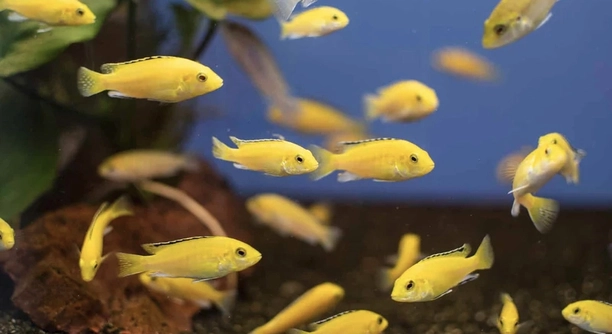
Have you ever watched your cichlid fish and noticed small, clever behaviors that seem more thoughtful than instinct? Many aquarium owners notice these moments but rarely understand what they truly mean in daily fish behavior.
Cichlids display intelligence through problem solving, memory retention, social recognition, territorial planning, cooperative breeding, environmental manipulation, and adaptive learning behaviors. These traits allow them to interact with their surroundings in complex ways that go far beyond basic survival instincts.
These overlooked behaviors reveal how thoughtful and responsive your aquarium fish can be in a structured underwater environment.
Problem Solving Through Observation
Cichlids often show problem solving skills by watching their surroundings closely and adjusting their actions based on what they learn. I have seen them move small stones, shift sand, and test objects to create more comfortable spaces. These behaviors are not random. They show a steady process of trial, error, and improvement. When food is placed in harder to reach areas, many cichlids learn new paths or timing to get to it faster. This shows awareness and a strong ability to adapt to changes inside the tank.
In my tank, this behavior becomes clearer during feeding time. They remember locations and adjust movements without hesitation.
These problem solving habits also appear during minor changes in the aquarium setup. When decorations are moved, cichlids explore slowly, mapping new paths in their minds. This helps them reduce stress and maintain control of their space. Over time, their actions become more confident and precise, proving consistent learning ability.
Social Recognition and Communication
Cichlids are capable of recognizing individual fish and responding to their behavior with consistent patterns. This ability strengthens group structure.
In many tanks, cichlids establish clear social roles that guide daily interactions. I have observed that certain fish take charge of specific areas, while others remain more cautious and observant. This recognition allows them to avoid repeated conflicts and maintain balance in shared spaces. Their body language, including fin movement and color shifts, acts as a direct form of communication. These signals are not random and often carry specific meanings tied to territory, stress, or readiness to breed. When a familiar fish approaches, the response is often calmer and more predictable, showing memory and recognition in action. Over time, these consistent reactions create a stable social flow inside the aquarium. This makes the tank feel structured, even during feeding or rearrangement periods.
Memory and Routine Building
Cichlids build strong routines through repeated patterns and consistent environmental cues. They remember feeding times, water movement changes, and familiar hiding spots with steady accuracy over time.
I notice this most when I change feeding schedules. At first, there is confusion, but within a day or two, the fish begin hovering near feeding zones at the new time. They track the sound of the lid opening and respond immediately by swimming to the surface. This shows they are not acting on instinct alone. Their responses are shaped by repetition and stored memory, which makes daily care feel more predictable.
These routines also appear during tank maintenance. When I clean the glass or adjust decorations, the fish retreat to the same safe spaces every time. Once the activity stops, they return in a familiar pattern. This repeatable behavior shows how deeply their memory guides movement and comfort inside a constantly changing environment.
Environmental Awareness and Adaptation
Cichlids display strong environmental awareness by actively scanning their surroundings and adjusting movement based on visual and spatial changes. This awareness helps them avoid stress and maintain control.
I have seen them react quickly when lighting changes or shadows shift across the tank. They slow down, reposition themselves, and observe before returning to normal behavior. When new plants or rocks are introduced, they test the area with light nudges and cautious swimming. This careful interaction shows an understanding of space rather than random exploration. They learn which zones are safe and which should be avoided without repeated conflict.
Over time, this adaptation becomes more refined. Swimming paths become smoother, and resting areas remain consistent. When water flow changes, they adjust posture and fin movement to maintain balance. These actions show an ongoing process of learning that allows them to live comfortably in a structured aquatic environment.
Tool Use and Object Interaction
Cichlids interact with objects by moving shells, shifting gravel, and inspecting unfamiliar items with controlled contact. These actions are not random and show intentional behavior.
I often see them pick specific stones and reposition them to block open areas or form barriers. This shows planning and awareness of how objects change space.
Cooperative Breeding Behaviors
During breeding periods, cichlids display advanced cooperation by dividing responsibilities and maintaining structured roles. These behaviors support egg protection and fry survival without constant conflict.
In my experience, one parent remains near the eggs while the other patrols the surrounding area. They take turns fanning the eggs to maintain oxygen levels and remove debris. When threats appear, they coordinate movements to distract intruders and guide them away. This coordination shows shared responsibility rather than aggressive chaos, creating a stable and protected environment for developing fry.
Emotional Responsiveness
Cichlids show emotional responsiveness through changes in color, fin positioning, and swimming speed when exposed to stress or calm environments. This behavior reflects internal regulation.
I notice they become calmer after consistent lighting and feeding schedules, showing smoother movements and reduced hiding behavior over time.
How can I tell if my cichlid is problem solving?
Cichlids often show problem solving by testing different methods to reach food or navigate obstacles. I notice this when I place treats under rocks or behind plants. At first, they explore randomly, nudging objects or circling the area. Within a few tries, they discover a more efficient route or technique. The improvement in their actions over a short time is a clear sign of problem solving. These behaviors show thought rather than instinct, as they adjust to changes instead of repeating the same pattern. Observing these moments regularly highlights their learning capacity and awareness of their surroundings.
Do cichlids remember past experiences?
Yes, memory plays a strong role in daily cichlid behavior. I have seen them recognize feeding times, specific hiding spots, and familiar fish consistently. When I change decorations or rearrange the tank, they return to their preferred areas after a short adjustment period. This shows that they remember spatial arrangements and routines. Memory also influences social interactions. Certain fish interact differently with familiar tank mates, avoiding conflict and engaging in predictable patterns. These observations suggest cichlids retain experiences over days or weeks and use them to make decisions that reduce stress and improve comfort in their environment.
Can cichlids recognize other fish?
Cichlids can distinguish between individual fish in the same tank. I have seen them respond more calmly to familiar tank mates while being cautious around new additions. They track the behavior of others, remembering past interactions. This recognition helps maintain social balance and reduces repeated aggression. It also influences cooperative behaviors during breeding and territory defense. Visual cues, body posture, and fin movement all play a role in recognition. Over time, these interactions become predictable, showing a sophisticated understanding of who is safe and who requires caution, highlighting both memory and social intelligence.
How do cichlids communicate?
Cichlids communicate through body language, color changes, and movement patterns. I notice these cues during feeding, mating, or territorial disputes. Flaring fins or darkening colors can indicate aggression or dominance. Subtle movements, like head shakes or gentle nudges, often signal social hierarchy or caution. Communication is also important for coordinating care during breeding. Parents use these signals to warn each other of threats or guide fry. These behaviors are consistent and intentional, showing that communication is a learned and essential part of maintaining structure and social harmony in the tank.
Are cichlids capable of adapting to new environments?
Yes, cichlids are highly adaptable. I have observed them adjust quickly when decorations or plants are moved. Initially, they explore cautiously, testing spaces and pathways. After a short period, swimming patterns stabilize, and they resume normal routines. Adaptation also occurs with water flow, lighting changes, and feeding adjustments. Fish learn which areas are safe and which require caution, showing awareness and intelligence. This flexibility helps them cope with daily changes, maintain comfort, and avoid stress. The ability to adapt demonstrates problem solving, memory, and environmental understanding combined in everyday behaviors.
Do cichlids display emotions?
Cichlids show emotional responsiveness through color shifts, fin positioning, and changes in movement speed. I notice they become more subdued during disturbances or after sudden changes in water conditions. Conversely, during feeding or calm periods, they swim confidently, display vibrant colors, and maintain relaxed postures. These responses indicate stress, contentment, or alertness. Emotional changes often guide social behavior, influencing how they interact with other fish. Recognizing these subtle cues helps in maintaining a stable tank environment and ensures the fish remain comfortable. Emotional awareness adds another layer to their intelligence, showing sensitivity to surroundings and experiences.
Can cichlids learn from observation?
Cichlids are capable of learning by watching other fish. I have noticed younger or less experienced fish imitate the actions of dominant or older tank mates, especially during feeding or exploring new objects. Observation allows them to avoid mistakes and discover effective strategies without trial and error alone. This social learning improves efficiency and reduces stress in unfamiliar situations. It also reinforces social hierarchies and cooperative behaviors. Observational learning indicates advanced cognitive abilities, showing that cichlids are capable of adapting not just individually but also by watching and responding to the behavior of others in the tank.
How do cichlids handle challenges in the tank?
When faced with challenges such as blocked paths, new tank mates, or altered territory, cichlids respond systematically. I observe them testing options carefully, retreating when necessary, and trying alternative routes. They combine memory, observation, and environmental awareness to solve problems efficiently. Over time, repeated exposure reduces stress and increases confidence. Their ability to analyze and adapt shows intelligence beyond instinct, highlighting planning and learning. These responses ensure survival and comfort in changing conditions, demonstrating that cichlids are active problem solvers capable of adjusting behavior based on experience and observation.
What are the signs of advanced intelligence in cichlids?
Advanced intelligence in cichlids is seen through consistent problem solving, memory retention, social recognition, communication, and environmental adaptation. I notice these traits when fish anticipate feeding routines, protect territory, cooperate during breeding, or interact thoughtfully with tank mates. Their ability to learn from experience and observation sets them apart from simple instinct-driven species. Complex behaviors like coordinated care for eggs, use of objects, and adapting quickly to environmental changes indicate high cognitive function. Recognizing these signs allows me to better understand their needs, creating a more structured and supportive tank environment that encourages natural intelligence and responsive behavior.
How can I encourage intelligent behaviors in my cichlids?
Providing varied environments, objects to interact with, and consistent routines encourages intelligent behaviors. I use rocks, plants, and hidden feeding spots to stimulate problem solving. Maintaining stable social groups and feeding schedules strengthens memory and social recognition. Positive reinforcement during challenges, such as rewarding successful exploration, supports learning. Environmental changes, when introduced gradually, improve adaptability without causing stress. These practices allow cichlids to display natural intelligence more frequently, making daily observation both engaging and informative. Regular interaction with their environment promotes mental stimulation, helping them thrive while demonstrating problem solving, memory, and social awareness consistently.
Cichlids are far more intelligent than many people realize. Observing their behaviors over time shows that they are capable of problem solving, memory retention, and social recognition. In my experience, even small changes in the tank can reveal how aware they are of their surroundings. They notice when decorations are moved, when water conditions shift, and when other fish enter or leave certain areas. These observations highlight their ability to adapt quickly and make decisions based on previous experiences. Watching a cichlid move a rock to create a hiding spot or carefully navigate a new obstacle demonstrates intentional thinking, not random action. Their intelligence is expressed through consistent patterns of behavior that reflect learning, planning, and awareness, rather than instinct alone.
Cichlids also display strong social and emotional intelligence. They recognize familiar tank mates and respond differently to individuals depending on past interactions. I have noticed calmer, more predictable responses when interacting with recognized fish, and cautious, careful movements when encountering new ones. These social behaviors help maintain balance within the tank and reduce conflict. Additionally, cichlids communicate through color changes, fin positioning, and movement patterns to signal dominance, readiness to breed, or stress. Emotional responsiveness is evident in how they react to environmental changes, such as lighting or water flow. Observing these interactions over time shows that their behavior is not purely reactive but guided by memory, recognition, and emotional understanding. Their ability to form social structures and respond appropriately to different situations is a clear sign of advanced intelligence.
Creating an environment that supports cichlid intelligence is important. Providing hiding spots, objects to manipulate, and consistent feeding routines encourages problem solving and memory use. Observing their natural behaviors during feeding, breeding, and daily exploration can offer insight into their thought processes and learning capabilities. Gradual changes in the tank can stimulate adaptation without causing stress, allowing them to show their awareness and problem-solving skills. Recognizing these traits helps in understanding cichlid behavior and meeting their needs more effectively. Over time, it becomes clear that cichlids are capable, responsive, and intelligent creatures whose behaviors reveal a depth of awareness that is often overlooked. Caring for them thoughtfully ensures they thrive while allowing their natural intelligence to be expressed consistently.
Have you ever watched your cichlid fish and noticed small, clever behaviors that seem more thoughtful than instinct? Many aquarium owners notice these moments but rarely understand what they truly mean in daily fish behavior.
Cichlids display intelligence through problem solving, memory retention, social recognition, territorial planning, cooperative breeding, environmental manipulation, and adaptive learning behaviors. These traits allow them to interact with their surroundings in complex ways that go far beyond basic survival instincts.
These overlooked behaviors reveal how thoughtful and responsive your aquarium fish can be in a structured underwater environment.
Problem Solving Through Observation
Cichlids often show problem solving skills by watching their surroundings closely and adjusting their actions based on what they learn. I have seen them move small stones, shift sand, and test objects to create more comfortable spaces. These behaviors are not random. They show a steady process of trial, error, and improvement. When food is placed in harder to reach areas, many cichlids learn new paths or timing to get to it faster. This shows awareness and a strong ability to adapt to changes inside the tank.
In my tank, this behavior becomes clearer during feeding time. They remember locations and adjust movements without hesitation.
These problem solving habits also appear during minor changes in the aquarium setup. When decorations are moved, cichlids explore slowly, mapping new paths in their minds. This helps them reduce stress and maintain control of their space. Over time, their actions become more confident and precise, proving consistent learning ability.
Social Recognition and Communication
Cichlids are capable of recognizing individual fish and responding to their behavior with consistent patterns. This ability strengthens group structure.
In many tanks, cichlids establish clear social roles that guide daily interactions. I have observed that certain fish take charge of specific areas, while others remain more cautious and observant. This recognition allows them to avoid repeated conflicts and maintain balance in shared spaces. Their body language, including fin movement and color shifts, acts as a direct form of communication. These signals are not random and often carry specific meanings tied to territory, stress, or readiness to breed. When a familiar fish approaches, the response is often calmer and more predictable, showing memory and recognition in action. Over time, these consistent reactions create a stable social flow inside the aquarium. This makes the tank feel structured, even during feeding or rearrangement periods.
Memory and Routine Building
Cichlids build strong routines through repeated patterns and consistent environmental cues. They remember feeding times, water movement changes, and familiar hiding spots with steady accuracy over time.
I notice this most when I change feeding schedules. At first, there is confusion, but within a day or two, the fish begin hovering near feeding zones at the new time. They track the sound of the lid opening and respond immediately by swimming to the surface. This shows they are not acting on instinct alone. Their responses are shaped by repetition and stored memory, which makes daily care feel more predictable.
These routines also appear during tank maintenance. When I clean the glass or adjust decorations, the fish retreat to the same safe spaces every time. Once the activity stops, they return in a familiar pattern. This repeatable behavior shows how deeply their memory guides movement and comfort inside a constantly changing environment.
Environmental Awareness and Adaptation
Cichlids display strong environmental awareness by actively scanning their surroundings and adjusting movement based on visual and spatial changes. This awareness helps them avoid stress and maintain control.
I have seen them react quickly when lighting changes or shadows shift across the tank. They slow down, reposition themselves, and observe before returning to normal behavior. When new plants or rocks are introduced, they test the area with light nudges and cautious swimming. This careful interaction shows an understanding of space rather than random exploration. They learn which zones are safe and which should be avoided without repeated conflict.
Over time, this adaptation becomes more refined. Swimming paths become smoother, and resting areas remain consistent. When water flow changes, they adjust posture and fin movement to maintain balance. These actions show an ongoing process of learning that allows them to live comfortably in a structured aquatic environment.
Tool Use and Object Interaction
Cichlids interact with objects by moving shells, shifting gravel, and inspecting unfamiliar items with controlled contact. These actions are not random and show intentional behavior.
I often see them pick specific stones and reposition them to block open areas or form barriers. This shows planning and awareness of how objects change space.
Cooperative Breeding Behaviors
During breeding periods, cichlids display advanced cooperation by dividing responsibilities and maintaining structured roles. These behaviors support egg protection and fry survival without constant conflict.
In my experience, one parent remains near the eggs while the other patrols the surrounding area. They take turns fanning the eggs to maintain oxygen levels and remove debris. When threats appear, they coordinate movements to distract intruders and guide them away. This coordination shows shared responsibility rather than aggressive chaos, creating a stable and protected environment for developing fry.
Emotional Responsiveness
Cichlids show emotional responsiveness through changes in color, fin positioning, and swimming speed when exposed to stress or calm environments. This behavior reflects internal regulation.
I notice they become calmer after consistent lighting and feeding schedules, showing smoother movements and reduced hiding behavior over time.
How can I tell if my cichlid is problem solving?
Cichlids often show problem solving by testing different methods to reach food or navigate obstacles. I notice this when I place treats under rocks or behind plants. At first, they explore randomly, nudging objects or circling the area. Within a few tries, they discover a more efficient route or technique. The improvement in their actions over a short time is a clear sign of problem solving. These behaviors show thought rather than instinct, as they adjust to changes instead of repeating the same pattern. Observing these moments regularly highlights their learning capacity and awareness of their surroundings.
Do cichlids remember past experiences?
Yes, memory plays a strong role in daily cichlid behavior. I have seen them recognize feeding times, specific hiding spots, and familiar fish consistently. When I change decorations or rearrange the tank, they return to their preferred areas after a short adjustment period. This shows that they remember spatial arrangements and routines. Memory also influences social interactions. Certain fish interact differently with familiar tank mates, avoiding conflict and engaging in predictable patterns. These observations suggest cichlids retain experiences over days or weeks and use them to make decisions that reduce stress and improve comfort in their environment.
Can cichlids recognize other fish?
Cichlids can distinguish between individual fish in the same tank. I have seen them respond more calmly to familiar tank mates while being cautious around new additions. They track the behavior of others, remembering past interactions. This recognition helps maintain social balance and reduces repeated aggression. It also influences cooperative behaviors during breeding and territory defense. Visual cues, body posture, and fin movement all play a role in recognition. Over time, these interactions become predictable, showing a sophisticated understanding of who is safe and who requires caution, highlighting both memory and social intelligence.
How do cichlids communicate?
Cichlids communicate through body language, color changes, and movement patterns. I notice these cues during feeding, mating, or territorial disputes. Flaring fins or darkening colors can indicate aggression or dominance. Subtle movements, like head shakes or gentle nudges, often signal social hierarchy or caution. Communication is also important for coordinating care during breeding. Parents use these signals to warn each other of threats or guide fry. These behaviors are consistent and intentional, showing that communication is a learned and essential part of maintaining structure and social harmony in the tank.
Are cichlids capable of adapting to new environments?
Yes, cichlids are highly adaptable. I have observed them adjust quickly when decorations or plants are moved. Initially, they explore cautiously, testing spaces and pathways. After a short period, swimming patterns stabilize, and they resume normal routines. Adaptation also occurs with water flow, lighting changes, and feeding adjustments. Fish learn which areas are safe and which require caution, showing awareness and intelligence. This flexibility helps them cope with daily changes, maintain comfort, and avoid stress. The ability to adapt demonstrates problem solving, memory, and environmental understanding combined in everyday behaviors.
Do cichlids display emotions?
Cichlids show emotional responsiveness through color shifts, fin positioning, and changes in movement speed. I notice they become more subdued during disturbances or after sudden changes in water conditions. Conversely, during feeding or calm periods, they swim confidently, display vibrant colors, and maintain relaxed postures. These responses indicate stress, contentment, or alertness. Emotional changes often guide social behavior, influencing how they interact with other fish. Recognizing these subtle cues helps in maintaining a stable tank environment and ensures the fish remain comfortable. Emotional awareness adds another layer to their intelligence, showing sensitivity to surroundings and experiences.
Can cichlids learn from observation?
Cichlids are capable of learning by watching other fish. I have noticed younger or less experienced fish imitate the actions of dominant or older tank mates, especially during feeding or exploring new objects. Observation allows them to avoid mistakes and discover effective strategies without trial and error alone. This social learning improves efficiency and reduces stress in unfamiliar situations. It also reinforces social hierarchies and cooperative behaviors. Observational learning indicates advanced cognitive abilities, showing that cichlids are capable of adapting not just individually but also by watching and responding to the behavior of others in the tank.
How do cichlids handle challenges in the tank?
When faced with challenges such as blocked paths, new tank mates, or altered territory, cichlids respond systematically. I observe them testing options carefully, retreating when necessary, and trying alternative routes. They combine memory, observation, and environmental awareness to solve problems efficiently. Over time, repeated exposure reduces stress and increases confidence. Their ability to analyze and adapt shows intelligence beyond instinct, highlighting planning and learning. These responses ensure survival and comfort in changing conditions, demonstrating that cichlids are active problem solvers capable of adjusting behavior based on experience and observation.
What are the signs of advanced intelligence in cichlids?
Advanced intelligence in cichlids is seen through consistent problem solving, memory retention, social recognition, communication, and environmental adaptation. I notice these traits when fish anticipate feeding routines, protect territory, cooperate during breeding, or interact thoughtfully with tank mates. Their ability to learn from experience and observation sets them apart from simple instinct-driven species. Complex behaviors like coordinated care for eggs, use of objects, and adapting quickly to environmental changes indicate high cognitive function. Recognizing these signs allows me to better understand their needs, creating a more structured and supportive tank environment that encourages natural intelligence and responsive behavior.
How can I encourage intelligent behaviors in my cichlids?
Providing varied environments, objects to interact with, and consistent routines encourages intelligent behaviors. I use rocks, plants, and hidden feeding spots to stimulate problem solving. Maintaining stable social groups and feeding schedules strengthens memory and social recognition. Positive reinforcement during challenges, such as rewarding successful exploration, supports learning. Environmental changes, when introduced gradually, improve adaptability without causing stress. These practices allow cichlids to display natural intelligence more frequently, making daily observation both engaging and informative. Regular interaction with their environment promotes mental stimulation, helping them thrive while demonstrating problem solving, memory, and social awareness consistently.
Cichlids are far more intelligent than many people realize. Observing their behaviors over time shows that they are capable of problem solving, memory retention, and social recognition. In my experience, even small changes in the tank can reveal how aware they are of their surroundings. They notice when decorations are moved, when water conditions shift, and when other fish enter or leave certain areas. These observations highlight their ability to adapt quickly and make decisions based on previous experiences. Watching a cichlid move a rock to create a hiding spot or carefully navigate a new obstacle demonstrates intentional thinking, not random action. Their intelligence is expressed through consistent patterns of behavior that reflect learning, planning, and awareness, rather than instinct alone.
Cichlids also display strong social and emotional intelligence. They recognize familiar tank mates and respond differently to individuals depending on past interactions. I have noticed calmer, more predictable responses when interacting with recognized fish, and cautious, careful movements when encountering new ones. These social behaviors help maintain balance within the tank and reduce conflict. Additionally, cichlids communicate through color changes, fin positioning, and movement patterns to signal dominance, readiness to breed, or stress. Emotional responsiveness is evident in how they react to environmental changes, such as lighting or water flow. Observing these interactions over time shows that their behavior is not purely reactive but guided by memory, recognition, and emotional understanding. Their ability to form social structures and respond appropriately to different situations is a clear sign of advanced intelligence.
Creating an environment that supports cichlid intelligence is important. Providing hiding spots, objects to manipulate, and consistent feeding routines encourages problem solving and memory use. Observing their natural behaviors during feeding, breeding, and daily exploration can offer insight into their thought processes and learning capabilities. Gradual changes in the tank can stimulate adaptation without causing stress, allowing them to show their awareness and problem-solving skills. Recognizing these traits helps in understanding cichlid behavior and meeting their needs more effectively. Over time, it becomes clear that cichlids are capable, responsive, and intelligent creatures whose behaviors reveal a depth of awareness that is often overlooked. Caring for them thoughtfully ensures they thrive while allowing their natural intelligence to be expressed consistently.

Hello,
If you enjoy the content that we create, please consider saying a "Thank You!" by leaving a tip.
Every little bit helps us continue crafting quality advice that supports the health, happiness, and well-being of pets around the world, for pets of all shapes, sizes, and species.
We really appreciate the kindness and support that you show us!