
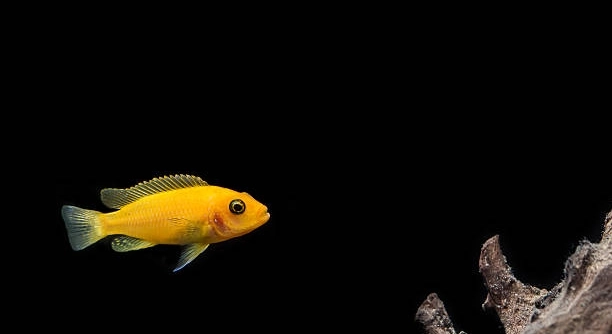
Are your electric yellow cichlids showing signs of stress or dull coloration in their tank? Maintaining a happy and healthy environment is key to keeping these vibrant fish lively and active. Proper care makes a big difference.
To ensure electric yellow cichlids thrive, it is essential to provide a spacious tank with stable water parameters, proper filtration, hiding spots, compatible tankmates, balanced nutrition, and regular maintenance routines. Each factor contributes directly to their overall well-being.
Following the right setup and care routines will help your cichlids stay healthy, colorful, and energetic in their aquatic home.
Spacious Tank
Electric yellow cichlids are active fish that need room to swim freely. A tank of at least 55 gallons is recommended for a small group, as overcrowding can lead to aggression and stress. Open swimming areas should be combined with rocks and caves for hiding, helping to reduce tension and mimic their natural environment. Providing enough space allows the fish to establish territories and maintain healthy behavior. Without proper space, they may become more prone to disease and show signs of fatigue or dull coloration. Even a few extra gallons can make a noticeable difference in their activity levels. Carefully arranging the tank to balance open areas and shelters encourages natural movement patterns and exploration. Observing how your fish interact with the space can guide adjustments, such as adding dividers or rearranging rocks. Paying attention to these details ensures a stable and comfortable environment for your cichlids.
Providing a tank with adequate space prevents aggression and promotes active, healthy behavior, making them more vibrant and energetic overall.
Having a large, well-planned tank also simplifies maintenance. Water circulation is more effective, and filtration systems perform better with fewer stress factors. A spacious layout reduces territorial disputes and allows multiple fish to coexist peacefully. Over time, you’ll notice your cichlids exploring more, exhibiting brighter colors, and engaging naturally with their surroundings. Simple changes like adding a few caves or rearranging décor can make the tank feel larger and more stimulating. Regularly monitoring their behavior helps identify if adjustments are needed. When fish have enough room, they develop confidence and interact normally, which contributes to overall health. Additionally, a spacious tank is more forgiving if water parameters fluctuate slightly, giving you more control over daily maintenance and water quality. Ensuring enough space from the start prevents future problems and keeps your electric yellow cichlids thriving for years.
Stable Water Parameters
Maintaining consistent temperature and pH levels is crucial for electric yellow cichlids. Sudden changes can stress them and affect their immune system.
Electric yellow cichlids prefer water temperatures between 75-82°F and a pH of 7.8-8.6. Using a reliable heater and thermometer ensures stable conditions, while regular water testing keeps chemical levels safe. Stability reduces stress, improves coloration, and supports natural behavior.
Proper water parameters prevent illness and promote growth. Regular monitoring, partial water changes, and a dependable filtration system keep ammonia and nitrate levels low. Cichlids are sensitive to sudden shifts, so maintaining a consistent routine is important. Hard water with the right pH enhances their vibrant yellow coloration and supports skeletal development. Over time, consistent conditions reduce aggression and improve feeding behavior. Even small adjustments, like gradual temperature changes during water changes, make a big difference. Ensuring stability requires commitment, but it creates a thriving environment. Observing your fish for signs of stress or discomfort can guide adjustments. Clean water, appropriate hardness, and stable parameters form the foundation for a healthy, happy cichlid tank.
Hiding Spots
Hiding spots reduce stress and aggression in electric yellow cichlids. Rocks, caves, and decorations create safe spaces where fish can retreat, establish territories, and feel secure in their environment. Proper placement encourages natural behavior.
Adding hiding spots helps fish feel comfortable and less threatened. Rocks stacked securely form caves and ledges, while ceramic or resin decorations can provide extra shelter. Plants or tall décor near the tank edges offer additional cover. These areas allow shy or smaller fish to avoid dominant tankmates and prevent constant chasing or bullying. Observing how your fish use these spaces can guide adjustments, ensuring each individual has a retreat. Hiding spots also give fish confidence to explore open swimming areas while maintaining safe zones nearby.
Hiding spots also affect breeding behavior. Electric yellow cichlids often spawn in sheltered areas, so caves and crevices can encourage natural breeding habits. Properly arranged hiding areas reduce stress-related color fading and aggressive interactions. Rotating decorations occasionally prevents territorial conflicts and keeps the environment dynamic. When providing hiding spots, balance is key: too few shelters increase stress, while overcrowding can limit swimming space. Ensuring a mix of open areas and retreats allows all fish to thrive. Even subtle adjustments, like angling rocks or adding small tunnels, can improve the tank’s usability and support social stability among cichlids.
Compatible Tankmates
Choosing the right tankmates prevents stress and aggression. Electric yellow cichlids do best with similar-sized, non-aggressive fish that can tolerate the same water conditions.
Keeping compatible fish reduces fighting and ensures a peaceful community tank. Other African cichlids with similar temperament and size work well, while small or slow-moving species may get harassed. Avoid overcrowding and monitor interactions, as territorial disputes can occur. Introducing new fish gradually and providing multiple hiding spots helps reduce stress.
Tankmates influence daily behavior and overall health. Aggressive or incompatible fish can cause injuries, stress, and weakened immune systems, leading to illness. Matching water requirements is crucial; mismatched species may struggle with pH, hardness, or temperature differences. Grouping fish of similar size and temperament encourages balanced social structures and reduces dominance issues. Regular observation is necessary to detect bullying or signs of stress early. Providing enough swimming space and multiple shelters ensures all fish have access to safe areas. The right tankmates support natural behavior, reduce territorial aggression, and allow electric yellow cichlids to display vibrant colors and active movements consistently.
Balanced Nutrition
Providing a varied diet keeps electric yellow cichlids healthy and colorful. High-quality pellets or flakes designed for cichlids should be the main staple.
Supplement their diet with occasional frozen or live foods like brine shrimp or bloodworms. Vegetables such as peas or spinach can support digestion and overall health.
Reliable Filtration
A strong filtration system removes waste, maintains water clarity, and stabilizes chemical levels. Consistent filtration reduces the risk of ammonia spikes and keeps fish active and healthy.
Regular Maintenance
Performing weekly water changes of 20-30% helps maintain water quality. Clean the substrate and decorations as needed to prevent buildup of debris and algae.
FAQ
How often should I feed my electric yellow cichlids?
Feeding once or twice a day is sufficient. Give only what they can consume in 2-3 minutes to avoid leftover food polluting the tank. Overfeeding can lead to poor water quality and health problems. Rotating between pellets, flakes, and occasional live or frozen foods ensures balanced nutrition.
Can electric yellow cichlids live with other cichlids?
Yes, but choose species with similar size and temperament. Avoid overly aggressive or tiny fish that may be bullied. African cichlids from Lake Malawi are usually compatible when enough space and hiding spots are provided. Monitoring interactions is important during the first weeks.
What water parameters are ideal for these cichlids?
Maintain temperatures between 75-82°F and a pH of 7.8-8.6. Hard water is preferred. Regularly test water to ensure ammonia, nitrite, and nitrate levels are safe. Sudden changes in temperature or pH can stress the fish and make them more prone to disease.
How many electric yellow cichlids should I keep together?
A small group of at least 5-6 is ideal. Keeping them in a group reduces aggression because no single fish is constantly targeted. Overcrowding should be avoided, so tank size must be sufficient to allow territories and free swimming space.
Do they need special lighting?
Standard aquarium lighting works well. Proper light enhances their bright yellow coloration, but too much light can encourage algae growth. Use a consistent day-night cycle to mimic natural conditions and support their overall health.
How can I encourage breeding?
Provide plenty of hiding spots, stable water parameters, and a varied diet. Females need secure caves for laying eggs. Males may display brighter colors during breeding, so avoid moving them frequently or disturbing the tank during this period.
What signs indicate stress or illness?
Pale coloration, hiding constantly, rapid gill movement, or loss of appetite are common signs. Early detection is key. Test water quality, check for aggression, and review diet. Promptly addressing these factors improves recovery and prevents disease spread.
Is regular tank maintenance necessary?
Yes, weekly partial water changes of 20-30% keep water clean. Clean filters and remove debris to prevent toxins from building up. Consistent maintenance supports health, reduces stress, and keeps the cichlids vibrant and active.
Can I keep plants with electric yellow cichlids?
Yes, but choose hardy species. Cichlids may dig or uproot delicate plants. Anchoring plants in pots or using sturdy stems can help protect them. Artificial plants can also provide cover and reduce maintenance.
How important are hiding spots?
Extremely important. Hiding spots reduce aggression, allow fish to rest, and support natural behaviors. Use rocks, caves, and decorations to create territories. Proper placement helps all fish feel safe while maintaining swimming space.
How often should I test the water?
Test at least once a week for ammonia, nitrites, nitrates, pH, and hardness. Frequent testing helps detect issues early and ensures stable conditions, which are essential for cichlids’ health and coloration.
What is the best diet for vibrant color?
High-quality pellets or flakes, supplemented with protein-rich live or frozen foods, support bright coloration. Occasional vegetables improve digestion and overall health. A balanced diet ensures energy, growth, and a vivid yellow appearance over time.
Can I rearrange the tank decorations often?
Small changes are fine but avoid constant rearrangement. Frequent changes may stress territorial fish. Rearranging occasionally can stimulate exploration, prevent boredom, and balance territories while maintaining security for shy fish.
Are electric yellow cichlids aggressive?
They can be territorial, especially during breeding. Providing ample space, hiding spots, and compatible tankmates helps reduce aggression. Grouping multiple cichlids spreads dominance and limits bullying within the tank.
How do I treat minor injuries?
Minor scratches from rocks or tankmates usually heal on their own in clean water. Keep water parameters stable and monitor the fish. If infection occurs, isolate the affected fish and use appropriate treatments as directed for cichlids.
Can I keep them in a community tank?
Yes, with careful selection of tankmates. Avoid small, slow, or very passive species that may be harassed. Provide open space, hiding spots, and similar water requirements for all species to coexist peacefully.
How long do electric yellow cichlids live?
With proper care, they can live 8-10 years. Consistent feeding, stable water parameters, and good tank management all contribute to their lifespan. Proper maintenance and monitoring are essential for long-term health.
Do they need special filtration?
A strong filter that supports water turnover and removes debris is necessary. Canister or power filters work well. Regular cleaning ensures efficiency and stable water quality, which is critical for cichlid health.
How do I prevent algae growth?
Moderate lighting, avoiding overfeeding, and regular cleaning prevent excessive algae. Plants or algae-eating fish can help, but balance is key. Overcrowding nutrients or excessive light encourages algae, so keep conditions controlled.
Can electric yellow cichlids tolerate temperature fluctuations?
Minor fluctuations are usually okay, but sudden drops or spikes can stress the fish. Use a reliable heater and monitor the tank to maintain stable conditions, reducing risk of illness or behavioral issues.
What is the best way to acclimate new cichlids?
Float the bag in the tank for 15-20 minutes, gradually mix tank water, then release. Slow acclimation prevents shock from changes in temperature, pH, or water chemistry, helping new fish adjust safely.
Are decorations necessary for their well-being?
Yes, they provide hiding spots, territories, and stimulation. A mix of rocks, caves, and plants supports natural behavior, reduces stress, and allows fish to express instincts safely.
How can I tell if the tank is overcrowded?
Signs include constant chasing, hiding, and stunted growth. Aggression increases, and water quality may deteriorate faster. Ensure sufficient space per fish, adequate swimming room, and multiple shelters to maintain a balanced environment.
Can I use tap water directly for water changes?
No, always treat with a dechlorinator to remove chlorine or chloramine. Testing and adjusting pH or hardness may also be necessary. Properly prepared water prevents stress and supports long-term health.
Do electric yellow cichlids require special lighting to thrive?
No special lighting is required, but consistent light enhances color and supports normal day-night cycles. Avoid intense, prolonged lighting that may encourage algae or stress fish.
How do I know if they are breeding?
Males display brighter colors, guard territories, and dig near caves. Females stay near secure areas and may hold eggs in their mouths. Observing these behaviors indicates breeding activity, and minimal disturbance is important during this time.
Can they adapt to slightly different pH levels?
They tolerate minor changes, but sudden shifts can stress them. Gradual adjustments are necessary if pH differs from their ideal range, and stable water is always preferred for long-term health.
What are common mistakes beginners make?
Overcrowding, poor water quality, overfeeding, incompatible tankmates, and lack of hiding spots are common issues. Paying attention to tank setup, maintenance, and fish behavior prevents most problems and keeps cichlids healthy.
How often should I clean the filter?
Clean the filter every 3-4 weeks, depending on debris buildup. Avoid thorough cleaning with tap water that removes beneficial bacteria; instead, rinse media gently in tank water to preserve the biological balance.
Do they need special tank substrates?
Sand or fine gravel is preferred. It allows natural digging and prevents injuries. Avoid sharp or rough substrates that could harm fish while maintaining easy cleaning during maintenance.
What is the best way to introduce new fish?
Quarantine new fish for 2-3 weeks, monitor health, and introduce slowly to reduce stress. Add them at different tank locations with hiding spots to minimize aggression and territorial disputes.
How do I prevent aggression during feeding?
Feed in multiple spots and spread food evenly. Avoid overcrowding in one area. Providing enough food and space reduces competition and stress among cichlids.
Are they sensitive to noise or vibrations?
Yes, sudden noise or vibrations can stress them. Place the tank in a quiet, stable area away from frequent disturbances, supporting calm behavior and natural activity.
How do I maintain vibrant yellow coloration?
A balanced diet, stable water, proper lighting, and low-stress environment enhance color. Healthy cichlids with good nutrition naturally display bright, consistent yellow hues.
Can I breed them in a community tank?
Yes, but breeding may be challenging due to tankmates disturbing eggs or fry. Isolating breeding pairs or providing secure caves increases success rates while reducing stress from other fish.
How important is water hardness?
Hard water is preferred to support bone structure, color, and overall health. Soft water may cause stress, weakened growth, and dull coloration over time. Regular testing ensures optimal conditions.
How do I handle sick fish?
Isolate sick fish in a quarantine tank and treat according to symptoms. Maintaining clean water and observing recovery helps prevent disease spread and supports healing.
Can electric yellow cichlids tolerate community aquarium life?
Yes, with similar-sized, semi-aggressive or peaceful tankmates. Ensure space, hiding spots, and water compatibility to prevent stress or injury. Regular monitoring is necessary to maintain harmony.
Do they need strong currents?
No, moderate water movement from filtration is sufficient. Strong currents may stress them and interfere with feeding or territorial behavior. Proper flow ensures clean water without forcing constant swimming.
How can I reduce algae naturally?
Add hardy plants or algae-eating species, moderate lighting, and maintain consistent water quality. Avoid overfeeding to prevent excess nutrients, which contribute to algae growth.
Is tank lid necessary?
Yes, they may jump occasionally. A secure lid prevents accidents and keeps the environment safe while maintaining humidity and temperature stability.
How do I encourage natural behavior?
Provide space, hiding spots, compatible tankmates, and varied diet. Observing fish regularly allows adjustments to encourage exploration, territory marking, and active swimming patterns.
Are electric yellow cichlids hardy for beginners?
Yes, if proper care is provided. Stable water, adequate space, hiding spots, and consistent maintenance are essential. They adapt well to home aquariums and display resilience with attention to their needs.
Can I keep them with shrimp or snails?
Snails may be safe, but shrimp are often seen as food. If keeping invertebrates, ensure they are large or fast enough to avoid predation. Careful observation is required.
What is the ideal tank shape?
Long tanks are preferred over tall tanks. They allow horizontal swimming, territory establishment, and natural behavior. Height is less important than length for active cichlids.
How do I handle water emergencies?
Have a backup heater, air pump, and water test kit. Partial water changes can stabilize conditions during ammonia spikes or equipment failure. Quick response prevents long-term stress or illness.
How can I tell if they are happy?
Active swimming, bright coloration, normal feeding, and social interactions indicate content, healthy cichlids. Observing behavior regularly ensures early detection of issues.
Are artificial decorations okay?
Yes, durable artificial rocks, caves, and plants provide hiding spots and territories. They are easier to clean and maintain, offering safe structures without altering water chemistry.
Do electric yellow cichlids require a quarantine tank?
Yes, quarantining new fish prevents disease spread and allows acclimation. Even healthy-looking fish can carry pathogens, making quarantine a critical step for tank safety.
How do I introduce multiple new fish?
Add all new fish at the same time to prevent territorial dominance. Ensure hiding spots and space are sufficient for them to establish temporary territories safely.
Can I keep them in cold climates?
Yes, with a reliable heater and stable water temperature. Sudden drops can stress or kill fish, so insulation and monitoring are necessary in colder regions.
How do I treat fin damage?
Minor damage heals naturally in clean water. Severe cases may require isolation and treatment. Maintain water quality and monitor for infection to support recovery.
Are electric yellow cichlids sensitive to light cycles?
Yes, consistent day-night cycles help maintain natural behavior and reduce stress. Too much light can encourage algae, while too little may dull coloration.
What is the best way to move them to a new tank?
Use a secure bag or container, float it to match temperature, and gradually mix water. Move slowly to reduce stress and prevent shock.
Can they tolerate slightly salty water?
A very small amount of aquarium salt may help with minor health issues, but high salinity can stress them. Always research appropriate dosages.
Do electric yellow cichlids require frequent observation?
Yes, monitoring daily for behavior, feeding, and health ensures early detection of stress, illness, or aggression. Prompt action prevents problems from worsening.
Can they live alone?
They can survive alone but thrive in small groups. Social interaction reduces stress, aggression, and helps establish natural behaviors.
How do I prevent tank injuries?
Use smooth rocks, avoid sharp decorations, and maintain proper spacing. Ensure substrate and décor do not create hazards, supporting safe swimming and territorial behavior.
Are they compatible with African cichlids only?
Primarily, yes. Compatibility with other species depends on size, temperament, and water requirements. Careful selection is essential to prevent stress or injury.
How do I manage dominant males?
Provide multiple hiding spots, sufficient space, and group similar numbers. Observing interactions allows adjustments to reduce stress on less dominant fish.
Can electric yellow cichlids adapt to different tank sizes?
Yes, but larger tanks improve behavior, reduce aggression, and support vibrant coloration. Smaller tanks increase stress and territorial disputes.
What is the ideal number of hiding spots per fish?
At least one hiding spot per fish, plus extra, ensures each individual has safe retreats. This reduces aggression and stress while promoting natural behavior.
Do they require special care during winter?
Keep the heater stable and monitor water temperature carefully. Even minor drops can stress fish, so consistency is crucial for health and activity levels.
Can they tolerate occasional water parameter changes?
Minor gradual changes are acceptable, but sudden shifts in pH, hardness, or temperature cause stress. Stability is key to long-term health.
How do I avoid overfeeding?
Feed small amounts, observe consumption, and remove uneaten food. Overfeeding leads to poor water quality, obesity, and health issues. Controlled portions support digestion and water clarity.
Are electric yellow cichlids prone to disease?
They are relatively hardy but can get common freshwater illnesses if stressed or water quality declines. Maintaining stable water and proper diet reduces risk.
How often should I rotate hiding spots?
Occasional rotation stimulates exploration but avoid frequent changes that stress territorial fish. Subtle adjustments keep the environment dynamic and safe.
Can they coexist with fast-moving fish?
Yes, if tankmates are not overly aggressive. Monitor for chasing or bullying. Provide ample space and hiding spots to reduce stress.
Is special water treatment required?
Only standard dechlorination and occasional water hardness adjustments. No additional chemicals are usually necessary if water quality is stable.
How do I deal with aggression during breeding?
Provide extra hiding spots, separate breeding pairs if necessary, and ensure sufficient space. Minimizing disturbance helps reduce stress and potential injury.
Can electric yellow cichlids recognize their owners?
They may respond to familiar movements, feeding routines, or presence. Recognition is subtle and usually linked to food association rather than social bonding.
How do I maintain consistent feeding habits?
Feed at the same times daily, using measured portions. Consistency reduces stress, prevents overfeeding, and supports predictable behavior and growth.
Are electric yellow cichlids good for beginner aquarists?
Yes, with proper tank setup, stable water, compatible tankmates, and consistent maintenance. They are hardy, resilient, and adapt well when cared for properly.
Do they need special minerals in water?
Hard water naturally provides minerals necessary for health and coloration. Additional supplementation is usually unnecessary if water hardness is appropriate.
Can they tolerate occasional handling?
Handling should be minimal. Disturbing fish stresses them, so avoid touching unless absolutely necessary, such as during medical treatment or tank transfers.
How do I prevent territorial disputes?
Provide ample space, hiding spots, and group numbers. Observing interactions allows adjustments to reduce aggression and ensure all fish have access to safe areas.
Are electric yellow cichlids sensitive to pH swings?
Yes, sudden changes can stress them. Gradual adjustments are necessary, and monitoring pH regularly ensures long-term health and vibrant coloration.
What is the best water temperature range?
75-82°F. Maintaining consistent temperature prevents stress, supports immune function, and promotes active swimming and healthy growth.
How do I identify a healthy electric yellow cichlid?
Bright color, active swimming, normal appetite, and interaction with tankmates indicate good health. Dull colors, hiding, or rapid gill movement suggest potential issues.
Can they be trained to recognize feeding time?
Yes, fish often learn routines and may gather near the feeding area when accustomed to a schedule. Predictable feeding encourages natural behavior.
Do they need a quarantine period before introducing new fish?
Yes, 2-3 weeks of quarantine prevents disease spread and allows observation of health before adding them to the main tank.
Are electric yellow cichlids territorial only with their own species?
No, they may show territorial behavior toward other fish as well. Providing hiding spots and ample space helps reduce conflicts.
How long should I observe new fish after introduction?
At least a few hours daily during the first week. Check for aggression, hiding, or stress to ensure smooth integration into the tank.
Can they tolerate slightly lower temperatures temporarily?
Minor temporary drops are usually tolerated, but prolonged or sudden changes can stress fish and increase disease risk. Stable temperatures are ideal.
How do I manage multiple males in one tank?
Ensure large space, several hiding spots, and observe interactions. If aggression is excessive, consider separating or adding more females to balance social structure.
Do electric yellow cichlids need a specific tank shape?
Long tanks are better than tall ones. Horizontal space supports swimming, territories, and natural behavior. Depth is less important than length.
How often should I observe water quality?
Weekly testing of ammonia, nitrite, nitrate, pH, and hardness is recommended. Consistent monitoring prevents stress, illness,
Electric yellow cichlids are colorful and lively fish that can thrive in a home aquarium with proper care. They require stable water conditions, adequate space, and suitable tankmates to maintain their health and natural behavior. Providing a spacious tank allows them to swim freely, establish territories, and reduce stress, which directly impacts their activity levels and coloration. Rocks, caves, and decorations serve as hiding spots, giving each fish a safe retreat and preventing constant chasing or bullying. Observing how they use these spaces can help you make small adjustments to improve their comfort and create a balanced environment.
Feeding is another important aspect of care. A balanced diet with high-quality pellets or flakes, supplemented with live or frozen foods, keeps them healthy and enhances their bright yellow color. Vegetables like peas or spinach can support digestion and overall well-being. Overfeeding or leaving uneaten food in the tank can quickly affect water quality, so it is important to feed measured amounts and remove leftovers. Consistent feeding routines also help reduce stress and maintain natural behavior. Along with diet, maintaining clean water through reliable filtration and regular water changes ensures a safe environment. Testing water parameters weekly and making gradual adjustments when necessary prevents stress and promotes long-term health.
Attention to social dynamics and tank setup is crucial. Electric yellow cichlids can be territorial, especially during breeding or when confined in smaller spaces. Choosing compatible tankmates, providing enough hiding spots, and monitoring behavior helps reduce aggression. Regular maintenance, including cleaning filters, removing debris, and ensuring water quality, supports a stable and healthy habitat. Lighting, while not critical, should be consistent to enhance color and support day-night cycles. Observing the fish regularly allows early detection of stress, illness, or behavioral changes, which can be addressed promptly. Overall, combining proper tank size, water stability, balanced nutrition, suitable tankmates, and attentive maintenance creates an environment where electric yellow cichlids can thrive, display vibrant colors, and exhibit natural behaviors, making their care both rewarding and manageable.

Hello,
If you enjoy the content that we create, please consider saying a "Thank You!" by leaving a tip.
Every little bit helps us continue crafting quality advice that supports the health, happiness, and well-being of pets around the world, for pets of all shapes, sizes, and species.
We really appreciate the kindness and support that you show us!