
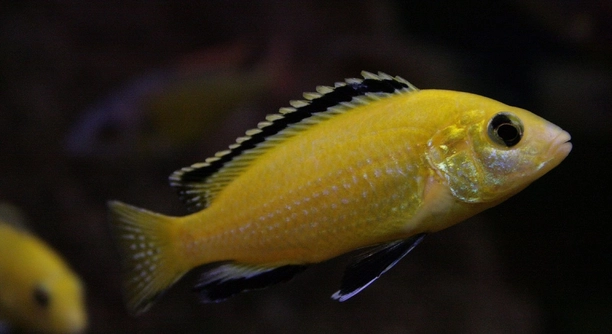
Do you ever find yourself wanting your electric yellow cichlids to look brighter, calmer, and more active each day? A few simple daily habits can make a big difference in their mood and overall health.
Happy electric yellow cichlids rely on consistent feeding schedules, clean water, stable tank temperatures, gentle lighting, safe hiding spaces, regular tank maintenance, and stress free tank mates. These habits support natural behavior, strengthen immune systems, and encourage long term vitality.
These small routines help create a peaceful tank environment and support beautiful colors, steady movement, and lasting wellbeing.
Consistent Feeding and Calm Routines
Electric yellow cichlids thrive when their daily feeding routine stays steady and predictable. I have noticed that offering small meals at the same times each day helps them feel secure and reduces aggressive behavior. High quality flakes and pellets designed for Malawi cichlids support strong color and steady growth. Overfeeding creates waste and cloudy water, so measured portions matter. Skipping random treats keeps digestion balanced and lowers stress. This simple habit builds trust and keeps their activity level steady. A calm routine also makes it easier to spot changes in appetite, which can be an early sign of health issues. Clear timing gives structure to their environment.
A steady feeding routine keeps them relaxed. It also prevents sudden hunger stress that can lead to chasing, fin nipping, and hiding behavior.
Consistency also helps me connect more with my fish. I find that they begin to recognize movement near the tank and gather calmly at feeding time. This simple interaction builds a peaceful rhythm in the tank. Regular feeding times make tank care feel organized and less overwhelming. It also creates a sense of comfort in their space. Over time, their colors stay brighter, and their movements become smoother and more natural.
Clean Water and Safe Tank Setup
Clean water is essential for daily comfort and health.
I focus on weekly water changes and steady filtration to keep ammonia and nitrate levels low. Clear water allows electric yellow cichlids to breathe easily and reduces stress linked to dirty tanks. I avoid sudden temperature shifts by using a reliable heater and thermometer. A stable temperature helps regulate digestion, color intensity, and immune function. Strong filtration keeps debris from settling, while gentle flow prevents unnecessary strain. Healthy water conditions also limit algae growth and improve overall tank appearance. When the water stays balanced, the fish appear calmer and more social. This habit forms the foundation for every other part of their care routine. Consistency here prevents most common tank problems before they start and keeps the environment stable.
A safe tank setup adds another layer of daily comfort. I place smooth rocks, caves, and hiding spots throughout the tank to reduce tension and territory disputes. These spaces allow them to rest and retreat when needed without fear. Soft sand or fine gravel protects their delicate fins and supports natural digging behavior. I avoid sharp decorations that could cause injury. Open swimming areas balance the layout and prevent overcrowding. This setup makes the tank feel organized and natural. Over time, I notice fewer conflicts and more peaceful movement across the aquarium.
Gentle Lighting and Stable Temperature
I keep the lighting soft and consistent throughout the day. Bright, sudden light changes make electric yellow cichlids nervous and more likely to hide or act aggressively. A simple timer helps maintain a steady light cycle and reduces daily stress.
Stable temperature is a quiet but powerful habit. I rely on a quality aquarium heater and a separate thermometer to double check accuracy. Small temperature swings can weaken their immune systems and affect digestion. Warm, steady water supports their natural activity and keeps their colors rich and vivid. I also avoid placing the tank near windows or vents, as drafts and sunlight cause unwanted temperature shifts. This routine makes the tank feel safe and predictable for them.
I have learned to adjust lighting seasonally without shocking them. When daylight hours change, I slowly update the timer by a few minutes each week. This approach prevents sudden stress and keeps their behavior steady. I also avoid leaving room lights on late at night, which can disrupt their rest cycle. A calm light and temperature rhythm has made their swimming smoother and less frantic.
Peaceful Tank Mates and Stress Control
I choose tank mates that share calm temperaments and similar size.
Aggressive or overly active species create tension that shows up as chasing, hiding, and torn fins. I avoid overcrowding by giving each fish enough space to establish safe territory. When adding new fish, I prefer slow introductions and rearranging decor to reduce territorial reactions. This process lowers stress and helps everyone adjust more comfortably over time.
Stress control also comes from daily observation. I spend a few quiet minutes watching their behavior without tapping the glass or startling them. I look for steady swimming, even breathing, and normal color brightness. Any sudden change in movement or appetite tells me something may be off. I adjust feeding, lighting, or water testing as needed. This habit makes me feel more connected to their care and keeps small problems from growing into serious issues.
Regular Tank Maintenance
I keep my tank clean by wiping the glass and removing uneaten food every day. Small tasks prevent waste from building up and help the water stay clear. This habit makes the tank look better and keeps the fish calmer.
Once a week, I vacuum the gravel and change a portion of the water. I also rinse filter media in tank water to protect beneficial bacteria. These simple steps reduce harmful buildup and keep the environment stable for them.
Balanced Diet and Portion Control
I focus on a varied diet that includes high quality pellets, flakes, and occasional vegetable based foods. This balance supports digestion and keeps their energy steady. I avoid feeding large portions, which can cause bloating and water quality problems. I prefer small, controlled feedings that are fully eaten within a few minutes. This routine helps maintain strong color and smooth movement. Over time, I notice fewer health issues and more consistent behavior when their diet stays simple and measured.
Observation and Quiet Interaction
I spend a few minutes each day watching their movement and breathing.
Quiet observation helps me notice early changes in behavior. I avoid tapping the glass or making sudden movements near the tank. This calm presence builds a peaceful environment and lowers stress levels during normal activity.
How often should I feed electric yellow cichlids?
I feed mine two small meals a day. Morning and early evening work best because it keeps their energy steady without overloading their digestive system. Small portions that are fully eaten within a few minutes help prevent waste buildup in the tank. When I notice leftover food, I reduce the next feeding slightly. Consistency has helped keep my fish calm and less aggressive. Skipping random feeding times also prevents them from becoming restless. A steady schedule makes their behavior more predictable and supports long term health.
What water temperature is best for electric yellow cichlids?
I keep my tank temperature between 75°F and 80°F. This range supports healthy digestion, strong immune function, and stable activity levels. I rely on a reliable aquarium heater and a thermometer to double check accuracy daily. Sudden drops or spikes in temperature can cause stress and lead to illness. I avoid placing the tank near windows, fans, or air vents, because these areas create unwanted temperature swings. Stable warmth makes their swimming look smoother and keeps their colors bright.
How can I tell if my fish are stressed?
I watch for signs like hiding, rapid breathing, loss of color, and sudden aggression. When mine feel stressed, they tend to stay near the bottom of the tank or behind decorations. I also notice less interest in food and slower movement. These changes usually signal water quality issues, overcrowding, or sudden changes in light or temperature. I respond by testing water levels, checking equipment, and making small adjustments. Daily observation has helped me spot these problems early and keep the tank environment calm.
Do electric yellow cichlids need hiding places?
Yes, hiding places are essential. I use smooth rocks, caves, and safe decorations to give them a sense of security. These spaces reduce territorial stress and give weaker fish a place to rest. Without hiding areas, I notice more chasing and fin damage. I make sure the decorations have no sharp edges and allow enough space for swimming. A balanced layout with both open areas and shelters keeps them more relaxed. This simple addition has made a clear difference in how peaceful my tank feels.
Can electric yellow cichlids live with other fish?
They can live with other fish, but I stay careful with tank mate choices. I avoid overly aggressive species and very small fish that may get bullied. I stick to fish with similar size and calm temperaments. When I introduce new fish, I do it slowly and monitor behavior closely for several days. Rearranging decorations before adding new fish helps reduce territorial behavior. This has helped create a balanced environment where most fish coexist without constant conflict.
How often should I clean the tank?
I perform small daily cleanups by removing uneaten food and wiping visible debris. Once a week, I change about twenty to thirty percent of the water and vacuum the gravel. I also rinse the filter media in old tank water to protect beneficial bacteria. Skipping large, sudden cleanings helps prevent stress. I notice that steady, smaller maintenance routines keep the tank stable and easier to manage. The fish respond better when their environment stays consistent.
What foods are best for electric yellow cichlids?
I rely on high quality pellets and flakes designed for Malawi cichlids. I also add vegetable based foods like spirulina flakes and soft blanched vegetables in small amounts. I avoid fatty or overly rich foods because they can cause bloating and water quality problems. A simple, balanced diet keeps their digestion smooth and their activity steady. Over time, I have seen stronger color and healthier behavior with consistent, clean feeding practices.
Why do my electric yellow cichlids chase each other?
Chasing usually comes from territorial behavior or overcrowding. I notice it more when the tank layout lacks hiding spots or when the lighting is too bright. Sometimes it happens during feeding times if food is spread unevenly. I reduce chasing by adding more hiding areas, spreading food across the tank, and keeping group sizes balanced. When their space feels secure, their behavior becomes calmer and more predictable.
How long do electric yellow cichlids live?
With proper care, I have found they can live for several years. Clean water, stable temperature, and a calm environment all play a role in their lifespan. Sudden changes in care routines usually shorten their health span. I focus on steady habits rather than quick fixes. Over time, consistent care has helped my fish remain active and healthy for long periods without major health setbacks.
Do electric yellow cichlids need a specific tank size?
I prefer using a tank that is at least 30 gallons for a small group. Larger tanks make it easier to manage water quality and reduce territorial stress. Limited space often leads to aggression and poor water conditions. I also make sure there is enough open swimming space along with décor for shelter. A properly sized tank has made a clear difference in how peaceful and active my fish remain.
Final Thoughts
Caring for electric yellow cichlids becomes much easier when daily habits are kept simple and steady. From my experience, the small things matter the most, such as feeding on time, watching their behavior, and keeping their water clean. These habits do not require complicated routines, but they do require consistency. I have learned that when I slow down and pay attention to the details, the fish respond with brighter color and calmer movement. A stable environment reduces stress and allows their natural behavior to show more clearly. Simplicity has been the strongest tool in keeping their tank healthy. The more predictable their environment becomes, the more relaxed and healthy they appear. Over time, these small efforts build a strong foundation that supports their long term wellbeing without feeling overwhelming.
What stands out the most is how much balance matters in every part of their care. Lighting, temperature, tank layout, and feeding all connect to each other. When one area is neglected, it often affects everything else. I have noticed that staying consistent with basic maintenance prevents many common issues before they start. Quiet observation has also become one of the most valuable habits. Taking a few minutes each day to simply watch them swim helps me understand their needs without stress. I no longer rely on guesswork because their behavior shows me what is working and what needs adjustment. This calm approach has made the tank feel more peaceful and easier to manage. It has also helped me feel more confident in providing the care they deserve.
Over time, keeping happy electric yellow cichlids has become a steady and rewarding routine. I do not focus on perfection, but I focus on consistency. That mindset alone has changed how I approach their care. Each small habit, when repeated daily, creates a stable and comfortable environment for them. I have learned that healthy fish are the result of quiet efforts that happen every single day. Simple feeding, clean water, gentle lighting, and calm observation all come together to create a smooth routine. This approach keeps stress low for both the fish and me. It also makes the aquarium feel like a calm, steady space in my home. With time, these habits become natural, and the care process feels less like work and more like a peaceful part of daily life.
Do you ever find yourself wanting your electric yellow cichlids to look brighter, calmer, and more active each day? A few simple daily habits can make a big difference in their mood and overall health.
Happy electric yellow cichlids rely on consistent feeding schedules, clean water, stable tank temperatures, gentle lighting, safe hiding spaces, regular tank maintenance, and stress free tank mates. These habits support natural behavior, strengthen immune systems, and encourage long term vitality.
These small routines help create a peaceful tank environment and support beautiful colors, steady movement, and lasting wellbeing.
Consistent Feeding and Calm Routines
Electric yellow cichlids thrive when their daily feeding routine stays steady and predictable. I have noticed that offering small meals at the same times each day helps them feel secure and reduces aggressive behavior. High quality flakes and pellets designed for Malawi cichlids support strong color and steady growth. Overfeeding creates waste and cloudy water, so measured portions matter. Skipping random treats keeps digestion balanced and lowers stress. This simple habit builds trust and keeps their activity level steady. A calm routine also makes it easier to spot changes in appetite, which can be an early sign of health issues. Clear timing gives structure to their environment.
A steady feeding routine keeps them relaxed. It also prevents sudden hunger stress that can lead to chasing, fin nipping, and hiding behavior.
Consistency also helps me connect more with my fish. I find that they begin to recognize movement near the tank and gather calmly at feeding time. This simple interaction builds a peaceful rhythm in the tank. Regular feeding times make tank care feel organized and less overwhelming. It also creates a sense of comfort in their space. Over time, their colors stay brighter, and their movements become smoother and more natural.
Clean Water and Safe Tank Setup
Clean water is essential for daily comfort and health.
I focus on weekly water changes and steady filtration to keep ammonia and nitrate levels low. Clear water allows electric yellow cichlids to breathe easily and reduces stress linked to dirty tanks. I avoid sudden temperature shifts by using a reliable heater and thermometer. A stable temperature helps regulate digestion, color intensity, and immune function. Strong filtration keeps debris from settling, while gentle flow prevents unnecessary strain. Healthy water conditions also limit algae growth and improve overall tank appearance. When the water stays balanced, the fish appear calmer and more social. This habit forms the foundation for every other part of their care routine. Consistency here prevents most common tank problems before they start and keeps the environment stable.
A safe tank setup adds another layer of daily comfort. I place smooth rocks, caves, and hiding spots throughout the tank to reduce tension and territory disputes. These spaces allow them to rest and retreat when needed without fear. Soft sand or fine gravel protects their delicate fins and supports natural digging behavior. I avoid sharp decorations that could cause injury. Open swimming areas balance the layout and prevent overcrowding. This setup makes the tank feel organized and natural. Over time, I notice fewer conflicts and more peaceful movement across the aquarium.
Gentle Lighting and Stable Temperature
I keep the lighting soft and consistent throughout the day. Bright, sudden light changes make electric yellow cichlids nervous and more likely to hide or act aggressively. A simple timer helps maintain a steady light cycle and reduces daily stress.
Stable temperature is a quiet but powerful habit. I rely on a quality aquarium heater and a separate thermometer to double check accuracy. Small temperature swings can weaken their immune systems and affect digestion. Warm, steady water supports their natural activity and keeps their colors rich and vivid. I also avoid placing the tank near windows or vents, as drafts and sunlight cause unwanted temperature shifts. This routine makes the tank feel safe and predictable for them.
I have learned to adjust lighting seasonally without shocking them. When daylight hours change, I slowly update the timer by a few minutes each week. This approach prevents sudden stress and keeps their behavior steady. I also avoid leaving room lights on late at night, which can disrupt their rest cycle. A calm light and temperature rhythm has made their swimming smoother and less frantic.
Peaceful Tank Mates and Stress Control
I choose tank mates that share calm temperaments and similar size.
Aggressive or overly active species create tension that shows up as chasing, hiding, and torn fins. I avoid overcrowding by giving each fish enough space to establish safe territory. When adding new fish, I prefer slow introductions and rearranging decor to reduce territorial reactions. This process lowers stress and helps everyone adjust more comfortably over time.
Stress control also comes from daily observation. I spend a few quiet minutes watching their behavior without tapping the glass or startling them. I look for steady swimming, even breathing, and normal color brightness. Any sudden change in movement or appetite tells me something may be off. I adjust feeding, lighting, or water testing as needed. This habit makes me feel more connected to their care and keeps small problems from growing into serious issues.
Regular Tank Maintenance
I keep my tank clean by wiping the glass and removing uneaten food every day. Small tasks prevent waste from building up and help the water stay clear. This habit makes the tank look better and keeps the fish calmer.
Once a week, I vacuum the gravel and change a portion of the water. I also rinse filter media in tank water to protect beneficial bacteria. These simple steps reduce harmful buildup and keep the environment stable for them.
Balanced Diet and Portion Control
I focus on a varied diet that includes high quality pellets, flakes, and occasional vegetable based foods. This balance supports digestion and keeps their energy steady. I avoid feeding large portions, which can cause bloating and water quality problems. I prefer small, controlled feedings that are fully eaten within a few minutes. This routine helps maintain strong color and smooth movement. Over time, I notice fewer health issues and more consistent behavior when their diet stays simple and measured.
Observation and Quiet Interaction
I spend a few minutes each day watching their movement and breathing.
Quiet observation helps me notice early changes in behavior. I avoid tapping the glass or making sudden movements near the tank. This calm presence builds a peaceful environment and lowers stress levels during normal activity.
How often should I feed electric yellow cichlids?
I feed mine two small meals a day. Morning and early evening work best because it keeps their energy steady without overloading their digestive system. Small portions that are fully eaten within a few minutes help prevent waste buildup in the tank. When I notice leftover food, I reduce the next feeding slightly. Consistency has helped keep my fish calm and less aggressive. Skipping random feeding times also prevents them from becoming restless. A steady schedule makes their behavior more predictable and supports long term health.
What water temperature is best for electric yellow cichlids?
I keep my tank temperature between 75°F and 80°F. This range supports healthy digestion, strong immune function, and stable activity levels. I rely on a reliable aquarium heater and a thermometer to double check accuracy daily. Sudden drops or spikes in temperature can cause stress and lead to illness. I avoid placing the tank near windows, fans, or air vents, because these areas create unwanted temperature swings. Stable warmth makes their swimming look smoother and keeps their colors bright.
How can I tell if my fish are stressed?
I watch for signs like hiding, rapid breathing, loss of color, and sudden aggression. When mine feel stressed, they tend to stay near the bottom of the tank or behind decorations. I also notice less interest in food and slower movement. These changes usually signal water quality issues, overcrowding, or sudden changes in light or temperature. I respond by testing water levels, checking equipment, and making small adjustments. Daily observation has helped me spot these problems early and keep the tank environment calm.
Do electric yellow cichlids need hiding places?
Yes, hiding places are essential. I use smooth rocks, caves, and safe decorations to give them a sense of security. These spaces reduce territorial stress and give weaker fish a place to rest. Without hiding areas, I notice more chasing and fin damage. I make sure the decorations have no sharp edges and allow enough space for swimming. A balanced layout with both open areas and shelters keeps them more relaxed. This simple addition has made a clear difference in how peaceful my tank feels.
Can electric yellow cichlids live with other fish?
They can live with other fish, but I stay careful with tank mate choices. I avoid overly aggressive species and very small fish that may get bullied. I stick to fish with similar size and calm temperaments. When I introduce new fish, I do it slowly and monitor behavior closely for several days. Rearranging decorations before adding new fish helps reduce territorial behavior. This has helped create a balanced environment where most fish coexist without constant conflict.
How often should I clean the tank?
I perform small daily cleanups by removing uneaten food and wiping visible debris. Once a week, I change about twenty to thirty percent of the water and vacuum the gravel. I also rinse the filter media in old tank water to protect beneficial bacteria. Skipping large, sudden cleanings helps prevent stress. I notice that steady, smaller maintenance routines keep the tank stable and easier to manage. The fish respond better when their environment stays consistent.
What foods are best for electric yellow cichlids?
I rely on high quality pellets and flakes designed for Malawi cichlids. I also add vegetable based foods like spirulina flakes and soft blanched vegetables in small amounts. I avoid fatty or overly rich foods because they can cause bloating and water quality problems. A simple, balanced diet keeps their digestion smooth and their activity steady. Over time, I have seen stronger color and healthier behavior with consistent, clean feeding practices.
Why do my electric yellow cichlids chase each other?
Chasing usually comes from territorial behavior or overcrowding. I notice it more when the tank layout lacks hiding spots or when the lighting is too bright. Sometimes it happens during feeding times if food is spread unevenly. I reduce chasing by adding more hiding areas, spreading food across the tank, and keeping group sizes balanced. When their space feels secure, their behavior becomes calmer and more predictable.
How long do electric yellow cichlids live?
With proper care, I have found they can live for several years. Clean water, stable temperature, and a calm environment all play a role in their lifespan. Sudden changes in care routines usually shorten their health span. I focus on steady habits rather than quick fixes. Over time, consistent care has helped my fish remain active and healthy for long periods without major health setbacks.
Do electric yellow cichlids need a specific tank size?
I prefer using a tank that is at least 30 gallons for a small group. Larger tanks make it easier to manage water quality and reduce territorial stress. Limited space often leads to aggression and poor water conditions. I also make sure there is enough open swimming space along with décor for shelter. A properly sized tank has made a clear difference in how peaceful and active my fish remain.
Final Thoughts
Caring for electric yellow cichlids becomes much easier when daily habits are kept simple and steady. From my experience, the small things matter the most, such as feeding on time, watching their behavior, and keeping their water clean. These habits do not require complicated routines, but they do require consistency. I have learned that when I slow down and pay attention to the details, the fish respond with brighter color and calmer movement. A stable environment reduces stress and allows their natural behavior to show more clearly. Simplicity has been the strongest tool in keeping their tank healthy. The more predictable their environment becomes, the more relaxed and healthy they appear. Over time, these small efforts build a strong foundation that supports their long term wellbeing without feeling overwhelming.
What stands out the most is how much balance matters in every part of their care. Lighting, temperature, tank layout, and feeding all connect to each other. When one area is neglected, it often affects everything else. I have noticed that staying consistent with basic maintenance prevents many common issues before they start. Quiet observation has also become one of the most valuable habits. Taking a few minutes each day to simply watch them swim helps me understand their needs without stress. I no longer rely on guesswork because their behavior shows me what is working and what needs adjustment. This calm approach has made the tank feel more peaceful and easier to manage. It has also helped me feel more confident in providing the care they deserve.
Over time, keeping happy electric yellow cichlids has become a steady and rewarding routine. I do not focus on perfection, but I focus on consistency. That mindset alone has changed how I approach their care. Each small habit, when repeated daily, creates a stable and comfortable environment for them. I have learned that healthy fish are the result of quiet efforts that happen every single day. Simple feeding, clean water, gentle lighting, and calm observation all come together to create a smooth routine. This approach keeps stress low for both the fish and me. It also makes the aquarium feel like a calm, steady space in my home. With time, these habits become natural, and the care process feels less like work and more like a peaceful part of daily life.

Hello,
If you enjoy the content that we create, please consider saying a "Thank You!" by leaving a tip.
Every little bit helps us continue crafting quality advice that supports the health, happiness, and well-being of pets around the world, for pets of all shapes, sizes, and species.
We really appreciate the kindness and support that you show us!