
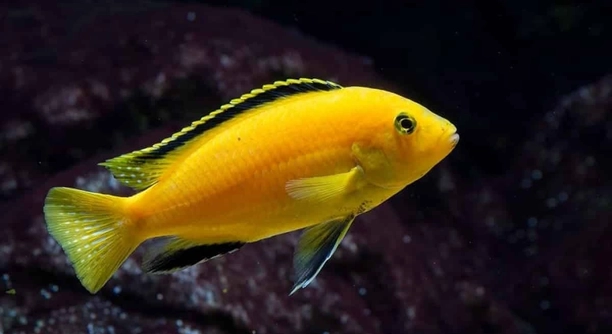
Electric Yellow Cichlids are bright, lively fish that often attract attention in home aquariums. Their vibrant color and energetic behavior make them fascinating pets, especially when observing how they interact with each other in their tank environment.
Electric Yellow Cichlids communicate primarily through body movements, color changes, and subtle sounds. These signals convey information about territory, mating readiness, and social hierarchy, allowing them to establish order and interact effectively without constant physical confrontation.
Learning the ways these fish express themselves can improve your understanding of their behavior and help create a more harmonious aquarium environment.
Visual Signals and Color Changes
Electric Yellow Cichlids use their bright yellow color to communicate many things. When a fish’s color becomes more intense, it often signals dominance or readiness to mate. Paler colors usually indicate submission or stress. They also flare their fins and body to appear larger, especially when defending territory. These visual signals are essential because cichlids are highly territorial and need clear ways to show their intentions. Observing how they swim in relation to others can also reveal social hierarchy. Fast darting movements might mean agitation or excitement, while slow, deliberate swimming can indicate calmness. Even subtle changes in posture or eye direction can communicate caution or interest. Tank decorations and hiding spots influence how often they display these signals. Providing enough space ensures that each fish can express itself without constant conflict. Over time, you can learn to read their body language and anticipate behavior, improving your interactions and tank management.
Recognizing these signs early helps prevent fights and keeps the aquarium peaceful.
Watching their movements closely reveals subtle patterns that are easily missed but carry important social messages.
Sound and Vibration Communication
Electric Yellow Cichlids produce small sounds through grinding teeth or vibrating their bodies. These noises signal aggression, submission, or mating interest.
Sounds are particularly useful when visual signals are not enough, like in dimly lit areas of the tank. Fish may grunt, click, or vibrate to warn others of danger or establish territory. These vibrations travel through the water, allowing nearby fish to respond quickly. During mating periods, males often produce rhythmic sounds to attract females, while females may respond with softer vibrations. Tank size and water density can affect how well these signals travel. Even without seeing the source, other cichlids can sense these vibrations and adjust their behavior accordingly. Over time, careful observation allows aquarists to identify individual sound patterns and associate them with specific behaviors. Understanding this layer of communication can reduce stress, prevent unnecessary aggression, and support breeding efforts in home aquariums. By paying attention to both visual and auditory signals, keeping Electric Yellow Cichlids becomes more manageable and rewarding.
Territorial Displays
Territorial behavior is common in Electric Yellow Cichlids. They defend their space with flared fins, chasing intruders, and changing colors to assert dominance.
When a cichlid claims a spot, it marks boundaries by circling and showing its strongest colors. Other fish recognize these signals and often avoid conflict. Aggressive displays usually peak during feeding or mating periods. Providing enough hiding spots and space helps reduce constant tension. Overcrowded tanks increase stress and lead to more frequent fights. Observing these interactions allows you to understand which fish are dominant and which are more submissive. Adjusting decorations or partitions can help weaker fish feel secure, lowering stress. Recognizing these behaviors is essential for maintaining harmony in the tank and ensuring all fish remain healthy and active. Proper space management and monitoring interactions are key for preventing injuries and maintaining long-term peace among your cichlids.
Territorial signals combine posture, color, and movement, giving clear warnings to other fish.
Repeated displays help fish establish stable hierarchies and reduce constant conflict over time.
Mating and Courtship Signals
Males intensify their yellow coloration and perform a series of dances to attract females. They may dig pits or clean flat surfaces for spawning.
Females respond with subtle body movements and color changes, signaling interest or rejection. Successful courtship involves a series of back-and-forth displays, including head shaking, fin flaring, and synchronized swimming. These rituals help both sexes assess compatibility and readiness for breeding. Proper tank conditions, such as temperature, water quality, and secure hiding spaces, are critical for encouraging these behaviors. Observing these signals allows you to anticipate spawning events and provide optimal care. Disruptions, like aggressive tank mates or insufficient space, can prevent successful courtship, stressing both fish. Understanding their communication helps ensure that breeding occurs naturally and reduces conflicts during this sensitive period. Over time, you can identify individual preferences and patterns, making management easier and promoting healthier, happier fish.
Social Hierarchy
Electric Yellow Cichlids form clear social hierarchies. Dominant fish control prime spots, while submissive fish keep distance to avoid conflict.
Hierarchy reduces constant fighting and helps maintain order in the tank. Recognizing which fish are dominant can help prevent stress and injuries.
Feeding Communication
Cichlids often display excitement before feeding through rapid movements and fin flaring. Subtle nudges or positioning near food indicate competition or submission.
Observing feeding patterns helps identify which fish are struggling to get enough food. Dominant fish may block access, so adjusting feeding methods or using multiple feeding spots ensures all fish eat adequately. Consistent observation allows you to respond to these interactions and maintain a balanced, healthy tank environment. Over time, these feeding behaviors also reveal personalities and social positions, helping you manage dynamics effectively and prevent stress-related issues.
Stress Signals
Pale colors, hiding, or erratic swimming often indicate stress in Electric Yellow Cichlids.
Monitoring these behaviors helps address tank issues promptly, ensuring fish remain healthy and comfortable.
FAQ
How do I know if my Electric Yellow Cichlid is stressed?
Signs of stress include pale or dull coloration, excessive hiding, loss of appetite, and erratic swimming. Fish may also become less active or avoid social interaction. Observing these behaviors consistently allows you to adjust tank conditions and reduce stress, helping your fish remain healthy.
Why is my cichlid flaring its fins at other fish?
Flaring fins is a territorial and dominance behavior. It is a way for the fish to appear larger and assert control over a space. This behavior is normal, especially during feeding or when new fish are introduced.
Can cichlids communicate without visual signals?
Yes, they use vibrations and small sounds, such as grunts or body vibrations, to send signals. These are useful in low-light areas of the tank or when other fish are hidden behind decorations. Sound and vibration complement visual communication and help maintain social order.
How can I reduce aggression in my tank?
Provide plenty of hiding spots, use tank dividers if needed, and ensure enough space for each fish. Observing interactions and adjusting decorations or feeding areas can also reduce conflict. Overcrowding usually increases aggression, so keeping the tank properly stocked is crucial.
Do cichlids use color changes for mating?
Yes, males intensify yellow coloration to attract females, while females may subtly change color to show interest or rejection. These visual cues are part of a courtship ritual that includes swimming patterns, fin displays, and substrate cleaning or digging.
How often should I monitor their behavior?
Daily observation is ideal. Watching swimming patterns, feeding behavior, and interactions can help you notice early signs of stress, aggression, or illness. Regular monitoring allows for timely adjustments to tank conditions, improving overall fish health.
Are territorial fights harmful?
Minor displays are natural, but prolonged or frequent fights can cause injuries or stress. Separating particularly aggressive fish or increasing hiding spots helps reduce risks. Recognizing dominant and submissive fish allows you to maintain balance in the tank.
Why do cichlids dig in the substrate?
Digging is part of territory marking and courtship behavior. They may clear areas for spawning or create hiding spots. Understanding this behavior helps in arranging substrate and decorations to minimize tank disturbances.
How do I encourage natural communication?
Provide a stable environment with proper space, hiding spots, and consistent feeding. Avoid frequent rearrangements or overcrowding. A calm, predictable setting allows cichlids to express normal behaviors and communicate effectively.
Can I tell individual fish apart by behavior?
Yes, repeated observation reveals unique movement patterns, feeding habits, and social roles. Some fish are naturally more dominant or submissive. Recognizing these differences helps manage interactions, reduce stress, and maintain harmony in the tank.
What should I do if one fish is being bullied?
Rearranging decorations, adding hiding spots, or temporarily isolating the dominant fish can help. Ensuring multiple feeding areas also prevents food competition. Monitoring the situation is key to preventing injuries and stress for the bullied fish.
Do cichlids communicate when no one else is around?
They may still display behaviors like digging, flaring, or color changes, which reinforce social patterns and establish territory even without other fish directly nearby. These behaviors maintain order and readiness for interactions.
How long does it take to learn cichlid communication?
It varies, but consistent observation over weeks allows you to recognize patterns in color changes, fin movements, and feeding behavior. Understanding these signals improves tank management, reduces conflict, and supports breeding or social harmony.
Is aggression more common in males?
Yes, males are typically more territorial, especially during breeding. Observing gender differences in behavior helps in planning tank arrangements and reducing conflicts. Proper space and hiding spots minimize stress for all fish.
Can environmental changes affect communication?
Yes, water quality, temperature, lighting, and decorations influence behavior. Poor conditions may reduce signaling or increase aggression. Maintaining stable and clean tank conditions ensures that communication remains clear and stress levels stay low.
How do I know if courtship is successful?
Males and females will display synchronized swimming, color intensification, and substrate preparation. Females laying eggs or accepting male guidance indicates successful courtship. Observing these signs allows proper care and support for breeding.
Do cichlids communicate differently in groups?
Yes, social dynamics shift with group size. Larger groups often have clearer hierarchies, and signals become more frequent to maintain order. Watching interactions helps identify dominant fish and ensures weaker fish are not constantly stressed.
How important is hiding space for communication?
Very important. Hiding spots reduce stress, allow fish to escape aggressive interactions, and let submissive fish express themselves safely. Proper tank design supports natural communication and minimizes conflict.
Can I train my cichlids to recognize signals?
Indirectly, yes. Fish learn patterns over time, like feeding routines or avoiding dominant fish. Consistent observation and stable routines make communication clearer and reduce unnecessary stress or aggression.
Do juveniles communicate differently than adults?
Yes, juveniles show less intense color changes and more subtle displays. They may test social boundaries without fully establishing dominance. Understanding these differences helps in managing mixed-age tanks effectively.
Are all signals intentional?
Most are instinctual, but some behaviors may reinforce social structures or respond to environmental changes. Recognizing which behaviors are stress-related versus social helps in accurate interpretation.
Does lighting affect communication?
Yes, brighter lighting enhances visual signals, while dim light may rely more on vibrations and subtle movements. Adjusting lighting can improve visibility of behaviors without causing stress.
How can I document their communication patterns?
Keeping notes on color changes, fin displays, feeding behavior, and interactions over time allows you to track social hierarchy, stress, and courtship patterns. Consistent records help improve tank management and fish well-being.
Can communication indicate illness?
Yes, sudden changes like loss of color, lack of movement, or unusual hiding can signal health issues. Observing communication behaviors helps detect problems early, allowing for timely intervention.
Do cichlids ever misinterpret signals?
Yes, especially in crowded or poorly lit tanks. Misinterpretation can lead to unnecessary aggression or stress. Proper space, observation, and tank design minimize these misunderstandings and support natural interactions.
Can I introduce new fish without disrupting communication?
Gradual introductions, using quarantine tanks or visual barriers first, help reduce stress and allow existing fish to maintain hierarchy while new fish adjust. Monitoring interactions during this period prevents excessive aggression.
Does diet affect communication?
Yes, well-fed fish are calmer and display normal signals. Hunger can increase aggression and alter behaviors. Providing balanced nutrition supports natural communication and reduces stress-related conflicts.
Are color changes permanent?
No, changes are temporary and context-dependent, reflecting mood, dominance, or mating readiness. Understanding these shifts helps interpret social and emotional states.
How long do courtship displays last?
Displays may last from hours to days, depending on compatibility and environmental conditions. Patience and observation are needed to recognize successful mating behaviors and provide optimal support.
Can tank mates interfere with communication?
Yes, incompatible species or overly aggressive fish can disrupt signaling, cause stress, and interfere with feeding or courtship. Choosing compatible companions ensures smooth interactions and natural communication.
Do cichlids communicate at night?
Mostly less active, but subtle movements and vibrations may still occur. Ensuring a natural day-night cycle supports regular behavior patterns.
Can communication predict future aggression?
Yes, repeated flaring, chasing, or color changes often precede fights. Recognizing early signs allows intervention to prevent injuries and maintain tank harmony.
Is it possible to have a completely peaceful tank?
Some tension is natural due to territorial instincts, but proper space, hiding spots, compatible tank mates, and observation minimize conflicts and maintain balance.
Do all cichlids use the same signals?
While many signals are similar across species, variations exist. Electric Yellow Cichlids have species-specific behaviors, so understanding their unique patterns is key for effective observation and care.
How quickly do fish learn each other’s signals?
Learning occurs over days to weeks. Fish adjust behaviors based on repeated interactions, establishing hierarchy and social norms. Observing these changes helps manage dynamics effectively.
Are stress signals reversible?
Yes, improving tank conditions, reducing aggression, and providing hiding spots allow fish to recover, regain color, and resume normal communication. Consistent care ensures recovery and long-term well-being.
How do I balance multiple males in one tank?
Adequate space, multiple hiding spots, and visual barriers help reduce conflict. Observing interactions allows you to separate overly aggressive males while maintaining social order among others.
Can juvenile interactions predict adult behavior?
Yes, early dominance testing and social behavior can indicate future hierarchies. Understanding these patterns helps in planning tank arrangements and preventing long-term conflicts.
Do environmental noises affect communication?
External vibrations or tapping can cause stress or miscommunication. Minimizing disturbances ensures that fish signals are clear and interactions remain stable.
Is it normal for fish to ignore signals sometimes?
Yes, particularly if distracted, sick, or stressed. Occasional non-responsiveness is normal, but frequent ignoring may indicate underlying issues requiring attention.
Can I encourage shy fish to communicate?
Providing hiding spots, stable conditions, and gentle observation allows timid fish to express themselves safely. Over time, they become more confident and interact naturally with others.
Do cichlids recognize individual signals?
Yes, repeated interactions allow them to identify dominant or submissive tank mates. This recognition helps maintain social structure and reduces unnecessary conflict.
How does tank size affect communication?
Larger tanks provide space for displays, escapes, and natural interactions. Crowded tanks increase aggression, stress, and miscommunication, highlighting the importance of proper space for effective signaling.
Can communication change with age?
Yes, older fish often become less aggressive and adjust signals according to established hierarchies. Observing these changes helps manage social balance over time.
Does breeding season increase communication frequency?
Yes, males display more, females respond with subtle cues, and territory marking intensifies. Recognizing these seasonal shifts helps support mating and manage aggression.
Are color patterns inherited?
Partially, as genetics influence base coloration, but intensity and variation depend on mood, health, and environmental factors. Observing these changes helps interpret behavior accurately.
Can I separate fish based on communication behaviors?
Yes, separating aggressive or stressed individuals helps maintain harmony. Using partitions or temporary isolation allows fish to recover while preserving natural social structures.
Do cichlids ever “miscommunicate” with humans?
Yes, flaring or hiding may seem aggressive or shy, but usually reflects tank conditions or instinct rather than interaction with humans. Understanding their signals prevents misinterpretation and unnecessary worry.
How long does it take for new fish to adjust?
Adjustment can take days to weeks. Gradual introduction, proper space, and observation allow fish to establish hierarchy and communicate naturally.
Can temperature changes affect communication?
Yes, water that is too cold or too warm can reduce activity and signaling. Stable, appropriate temperatures support normal behavior and social interactions.
Are signals always consistent across individuals?
No, personalities, age, and social status influence signaling. Observing each fish helps understand its unique patterns and predict behavior more accurately.
Do cichlids respond to human presence?
Some may watch or follow movements, but responses vary by personality. Recognizing their signals prevents misinterpreting attention or curiosity as stress or aggression.
How can I document changes in behavior over time?
Regular notes on color, movement, feeding, and interactions create a record of social and health patterns. Tracking trends allows early detection of stress or aggression and supports better tank management.
Can water quality issues affect communication?
Yes, poor water conditions increase stress, reduce signaling, and may lead to aggression or illness. Maintaining clean, stable water ensures healthy, consistent communication.
Do cichlids ever display playful behavior?
Yes, chasing or gentle nipping among juveniles or compatible adults can appear playful. Understanding these behaviors helps distinguish harmless interactions from aggression.
Can communication indicate reproductive readiness?
Yes, intensified colors, specific dances, and substrate preparation signal readiness to spawn. Observing these cues allows timely care and support for breeding.
How important is observation for understanding behavior?
Observation is crucial. Daily monitoring of movements, color changes, and social interactions allows you to interpret signals accurately and respond appropriately to maintain a healthy, harmonious tank.
Do cichlids communicate differently in planted tanks?
Plants provide hiding spots and influence visibility. Fish may rely more on vibrations or subtle movements in dense vegetation, but overall communication remains effective with proper tank design.
Can artificial lighting affect courtship?
Yes, proper lighting enhances visibility of color changes and displays, supporting mating behaviors. Dim or inconsistent lighting may reduce these signals, affecting breeding success.
Are fin nips a form of communication?
Yes, gentle nips signal boundaries or test social positions. Persistent or aggressive nipping may indicate dominance struggles or insufficient space. Monitoring these interactions helps prevent injury.
Do cichlids remember past interactions?
Yes, fish recognize dominant or submissive individuals and adjust behavior accordingly. Memory supports social hierarchy and reduces unnecessary conflict.
Can communication patterns predict future health issues?
Yes, sudden changes in color, movement, or interactions often indicate stress or illness. Early recognition allows prompt intervention and care, improving outcomes.
Is overcrowding the main cause of communication problems?
It is a significant factor. Limited space increases aggression, stress, and miscommunication. Proper stocking and tank design are essential for healthy interactions.
Do males and females communicate differently outside mating?
Yes, males are often more territorial, while females may use subtler signals. Recognizing gender differences helps manage tank dynamics effectively.
How can I encourage natural behavior in a community tank?
Providing adequate space, hiding spots, stable water conditions, and compatible tank mates supports normal signaling, reduces stress, and maintains social harmony.
Can communication be interrupted by sudden movements or noise?
Yes, abrupt disturbances can cause temporary stress or misinterpretation. Minimizing tank disruptions ensures clear signaling and stable interactions.
Do cichlids use scent to communicate?
Yes, chemical signals released in the water play a role in territory, stress, and mating. Though less noticeable to humans, scent complements visual and auditory signals.
Are signals more frequent at certain times of day?
Yes, mornings and feeding times often see more displays, while rest periods have reduced activity. Observing daily patterns helps understand their routine.
Can communication affect growth?
Indirectly, yes. Stress from poor signaling or frequent aggression can reduce appetite and energy, impacting growth. Ensuring stable conditions and proper social structure supports healthy development.
How do I interpret subtle fin movements?
Small flicks or trembles often indicate caution, minor agitation, or social negotiation. Observing these over time reveals context and intent behind behaviors.
Do cichlids communicate differently in new tanks?
Yes, initial interactions may be more aggressive or cautious as fish establish territory and hierarchy. Providing hiding spots and gradual introductions eases adjustment.
Is there a limit to how much I can learn from observation?
While observation reveals much about social structure, stress, and mating, some signals, like chemical cues, are less apparent. Combining observation with knowledge of species behavior gives the clearest understanding.
Can tank decorations influence communication?
Yes, objects create visual barriers, territories, and hiding spots. Proper arrangement allows natural signaling while reducing unnecessary aggression or stress.
Do fish ever ignore hierarchy?
Occasionally, a very bold or inexperienced fish may challenge established dominance. Monitoring interactions prevents escalation and maintains social balance.
How can I track courtship success?
Note color intensification, synchronized swimming, and substrate preparation. Successful spawning usually follows these displays. Documenting these patterns supports future breeding efforts.
Does water flow affect communication?
Strong currents may disrupt subtle vibrations or swimming patterns. Gentle, consistent flow allows normal signaling while supporting overall tank health.
Can I reduce stress by adjusting lighting and temperature?
Yes, stable, natural-like lighting and proper temperature encourage normal signaling, reduce aggression, and support feeding and courtship behaviors.
Do cichlids communicate differently with humans around?
Mostly through observation or mild curiosity. They rarely alter core social interactions, but recognizing their signals prevents misinterpreting attention as stress or aggression.
Are communication patterns useful for tank planning?
Absolutely. Understanding behavior, hierarchy, and territorial needs guides decoration, space allocation, and group composition for a balanced, peaceful tank.
Can frequent rearrangements affect social stability?
Yes, moving objects or changing layout disrupts established territories and may increase stress or aggression. Stability helps maintain consistent communication and social order.
Do cichlids ever communicate aggressively without contact?
Yes, displays like flaring, color changes, and posturing allow dominance assertion without physical fighting. These signals reduce injury while maintaining social order.
How long should I observe before drawing conclusions?
Observing over several days to weeks allows patterns to emerge. Short-term behavior may be misleading, while consistent observation gives a clear picture of hierarchy, stress, and communication.
Can communication improve with proper care?
Yes, stable water conditions, appropriate tank size, and careful management of social dynamics promote clearer signaling, less stress, and overall healthier fish behavior.
Are there signs of boredom or lack of stimulation?
Fish may become less active, ignore tank mates, or repeat behaviors excessively. Providing hiding spots, enrichment, and proper social interaction maintains engagement and encourages natural communication.
Can miscommunication lead to long-term stress?
Yes, repeated misunderstandings or inability to establish territory increases stress, weakens immunity, and may reduce lifespan. Observing and addressing conflicts prevents lasting effects.
Is it normal for cichlids to communicate even when eating?
Yes, competition over food often triggers displays like flaring, nudging, or chasing. Monitoring feeding interactions ensures all fish get enough food without excessive stress.
Do young cichlids communicate differently from adults?
Yes, juveniles show less intense colors and subtle behaviors. They explore social boundaries, test dominance, and gradually learn the hierarchy over time.
Can communication patterns predict reproductive success?
Yes, clear courtship displays, synchronized movements, and substrate preparation indicate readiness. Observing these behaviors helps support breeding and manage aggression during spawning.
Do cichlids ever communicate through touch?
Occasionally, gentle nips or nudges serve as boundary testing or courtship signals. Repeated observation distinguishes harmless interactions from aggression.
Are signals affected by tank lighting color?
Yes, certain lighting can enhance or dull perceived coloration, affecting visual communication. Proper lighting supports accurate signaling and natural behavior.
How do I know if courtship is causing stress?
Excessive hiding, pale
Electric Yellow Cichlids are fascinating fish, and understanding how they communicate makes keeping them much easier. Their bright colors, body movements, and subtle sounds are all part of a complex system that helps them interact with each other. By observing these signals, you can learn which fish are dominant, which are submissive, and how each one reacts to changes in the tank. This knowledge allows you to maintain a calmer environment and prevents unnecessary conflicts. Over time, noticing these small details becomes easier, and you can quickly interpret what your fish are trying to communicate.
Communication in these cichlids is not just about aggression or territory. Courtship behaviors, feeding interactions, and even subtle gestures reveal a lot about their mood and well-being. For example, a fish that intensifies its yellow coloration and flares its fins is showing dominance or readiness to mate, while a paler fish may be stressed or avoiding confrontation. Even small vibrations or clicking sounds carry messages, especially in areas of the tank where visibility is limited. Recognizing these signals helps you adjust tank conditions, provide hiding spots, or separate fish if needed. Paying attention to communication also helps in understanding health issues, as changes in behavior often occur before visible signs of illness appear.
Creating a supportive environment is key for healthy communication. Providing adequate space, proper tank decorations, hiding spots, and consistent care allows your Electric Yellow Cichlids to display natural behaviors. Avoid overcrowding, sudden environmental changes, and aggressive tank mates, as these factors increase stress and can disrupt communication. By keeping water conditions stable, observing daily interactions, and responding to changes, you encourage normal social behavior. Over time, you will see how each fish develops its personality and how the group establishes hierarchy. Understanding their communication not only reduces stress and aggression but also enhances your enjoyment of the aquarium. With patience and careful observation, your cichlids can thrive, interact naturally, and create a lively, balanced tank environment where their signals are easy to read and respond to.

Hello,
If you enjoy the content that we create, please consider saying a "Thank You!" by leaving a tip.
Every little bit helps us continue crafting quality advice that supports the health, happiness, and well-being of pets around the world, for pets of all shapes, sizes, and species.
We really appreciate the kindness and support that you show us!