
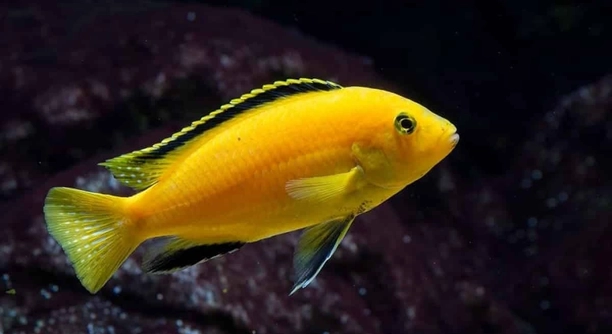
Are your cichlids acting restless while strange smells linger around the tank, making you worry about what might be affecting their comfort and health in your aquarium environment as you continue caring for them day.
Unusual odors in a cichlid tank often indicate underlying issues like decaying waste, bacterial imbalance, overcrowding or poor filtration, all of which can compromise water stability and stress the fish, making identification and correction essential for maintaining a healthy environment.
These signs guide you toward safer care, helping your cichlids remain stable while you maintain a balanced tank that supports.
Rotten Egg Smell
A strong sulfur-like odor, similar to rotten eggs, usually signals an excess of decaying organic matter in the tank. Uneaten food, dead plant material, or fish waste can produce hydrogen sulfide when left to accumulate. This smell often appears in areas with poor water flow or near the substrate where debris collects. Over time, the presence of this odor can stress cichlids, making them less active and more susceptible to disease. Regular siphoning of the substrate and timely water changes are essential to prevent buildup. Additionally, checking and maintaining the filter ensures waste is efficiently removed before it starts producing harmful gases. In tanks with heavy feeding schedules, consider reducing the amount of food to prevent leftovers from decomposing. Observing where the smell is strongest can help identify problem spots, such as under rocks or behind decorations. Early intervention keeps water conditions stable and protects the overall health of the fish.
Rotten egg odors often indicate anaerobic areas in the tank where debris is accumulating and producing harmful gases. Immediate cleaning is required.
Hydrogen sulfide buildup affects fish by reducing oxygen levels and irritating gill tissue. Consistent maintenance, including substrate vacuuming, partial water changes, and monitoring filtration systems, prevents recurrence. Introducing live plants can also absorb some nutrients, reducing waste accumulation. Ensuring proper water circulation helps eliminate stagnant areas where decay occurs. Even minor neglect can quickly intensify the smell and stress cichlids. Keeping feeding minimal and removing leftovers immediately lowers decomposition rates. For larger tanks, regular inspection of hard-to-reach areas like behind rocks or dense plant clusters is crucial. Biological filtration, such as beneficial bacteria supplements, can aid in breaking down waste efficiently. Monitoring water parameters, including ammonia and nitrite levels, ensures that the tank environment remains safe. Consistency in these routines supports long-term tank health and reduces sudden outbreaks of odor problems. With careful observation and routine maintenance, the tank can remain odor-free and supportive of vibrant, active cichlids.
Fishy or Ammonia Smell
A sharp, fishy odor is often linked to high ammonia levels caused by accumulated waste or overfeeding. Ammonia is toxic and can quickly harm cichlids if not addressed. Immediate partial water changes and testing water parameters are crucial for safety.
Ammonia buildup results from decaying food, fish excrement, and insufficient filtration. Maintaining filter efficiency and removing waste promptly reduces these risks.
Monitoring ammonia requires consistent water testing and awareness of feeding amounts. Overcrowding worsens the problem by increasing waste production. Biological filtration supports bacteria that convert ammonia into less harmful compounds, stabilizing water quality. If ammonia spikes occur, multiple partial water changes over a few days are often necessary to restore safety. Avoiding sudden large feedings prevents excess organic matter from decomposing. Adjusting the number of fish to match tank size also helps maintain balance. Gravel vacuuming and filter cleaning ensure waste does not linger in hard-to-reach spots. Keeping a close watch on cichlid behavior, like rapid gill movement or lethargy, can indicate rising ammonia levels. Over time, a steady maintenance routine, combined with careful feeding and monitoring, keeps ammonia under control and the tank environment safe for fish growth and activity.
Moldy or Musty Smell
Moldy or musty odors often come from decaying plant matter or algae growth in the tank. Trapped detritus behind decorations or under substrate can encourage fungal growth, creating an unpleasant smell that signals water quality issues and the need for cleaning.
Excessive plant decay and hidden debris contribute to musty smells. Dead leaves, rotting stems, or uneaten vegetables create a breeding ground for fungi and bacteria, releasing a damp, earthy odor. Regular inspection and removal of decaying material prevent buildup. Ensuring proper water circulation and using a gentle siphon under rocks or plant clusters helps eliminate trapped matter. Maintaining a clean filter and checking for algae growth on surfaces reduces mold accumulation. In heavily planted tanks, pruning dead or dying leaves and removing excess detritus keeps water fresh. Consistent care supports cichlid health, as prolonged exposure to poor water conditions can weaken immune systems.
Filtration and water movement are essential to prevent stagnant zones where mold and algae can thrive. Regular cleaning, plant pruning, and waste removal maintain a healthy environment.
Chemical or Paint-Like Smell
A chemical or paint-like odor usually indicates contamination from water additives, cleaning agents, or decorations that leach chemicals into the tank. This smell can irritate fish gills and compromise their health if exposure continues.
Careful selection of aquarium-safe products reduces chemical risks. Avoid using household cleaners, soaps, or metals that react with water. Certain decorations or resins can release odors if not properly rinsed before placement. Testing water for pH and chemical residues helps identify issues. Immediate water changes dilute any contaminants, while activated carbon in filters absorbs remaining chemicals. Monitoring fish for signs of stress, such as rapid gill movement or unusual behavior, is important after exposure. Preventing accidental contamination, like using tap water with high chlorine or adding unsuitable treatments, keeps the tank environment stable. A consistent routine in product use and tank setup ensures chemical odors do not recur, protecting cichlids’ long-term well-being.
Sewage-Like Smell
A sewage-like odor usually comes from excessive waste buildup or decaying matter in the substrate. Overfeeding, overcrowding, and poor filtration often worsen this smell, signaling that immediate maintenance is needed to protect cichlids.
Regular substrate cleaning and prompt removal of uneaten food prevent sewage odors. Efficient filtration ensures waste is processed before it decomposes, keeping water safe and fish healthy.
Acidic or Vinegar-Like Smell
An acidic or vinegar-like odor often results from low pH levels or excessive tannins from driftwood and leaves. Monitoring water chemistry and performing partial water changes can reduce this smell and maintain a stable environment for cichlids.
Ammonia Spike Smell
Ammonia spikes produce a pungent, sharp smell that can stress cichlids and damage their gills. Quick action through water testing, partial changes, and improved filtration is necessary to protect fish health.
Metallic or Iron-Like Smell
A metallic or iron-like smell may indicate rusting equipment, mineral-rich water, or metal contamination. Inspecting decorations, testing water, and replacing affected items prevents harm to the tank and its inhabitants.
FAQ
How can I tell if the smell in my tank is harmful to cichlids?
Harmful smells usually indicate poor water quality or buildup of waste. Strong odors like ammonia, rotten eggs, or chemical scents suggest immediate attention is needed. Observing fish behavior—such as gasping at the surface, lethargy, or reduced appetite—also signals stress from water issues. Regular water testing helps confirm potential hazards.
What is the best way to remove a rotten egg smell from my tank?
The rotten egg smell is caused by hydrogen sulfide from decaying matter in low-oxygen areas. Remove debris from the substrate, perform partial water changes, and clean or maintain the filter. Increasing water circulation in stagnant zones prevents future buildup. Proper feeding and plant maintenance reduce the risk of recurring odors.
Why does my tank sometimes smell like ammonia even after cleaning?
Ammonia odors often result from lingering waste or overstocking. Filters may not fully process waste if overloaded, or substrate might still contain trapped debris. Regular siphoning, reducing feeding amounts, and ensuring the filter is appropriately sized for the tank help control ammonia levels. Biological filtration supports bacteria that convert ammonia to less harmful compounds.
How do I fix a musty or moldy smell in a planted tank?
Musty smells usually come from decaying plants, algae growth, or trapped detritus. Remove dead leaves, prune plants regularly, and vacuum the substrate under dense plant clusters. Proper circulation and occasional cleaning behind decorations prevent stagnant areas where fungi and bacteria grow. A consistent maintenance schedule keeps the tank smelling fresh.
Can decorations or equipment cause chemical or metallic smells?
Yes. Some decorations, paints, or resins can leach chemicals, while rusting equipment or metal components may create metallic odors. Rinse new items thoroughly before adding them to the tank. Using aquarium-safe products, testing water, and replacing affected equipment minimizes chemical exposure and protects cichlids.
What role does overfeeding play in tank smells?
Overfeeding contributes directly to many tank odors. Uneaten food decomposes, producing ammonia, hydrogen sulfide, and moldy smells. Feeding small amounts that fish can finish in a few minutes reduces waste accumulation. Removing leftovers promptly and monitoring feeding schedules helps maintain water quality and prevents stressful conditions for cichlids.
How often should I perform water changes to prevent bad smells?
Water changes depend on tank size, fish load, and feeding habits. Typically, 20-30% weekly is sufficient for most cichlid tanks. More frequent changes are needed if odors persist or water tests show high ammonia or nitrite levels. Consistent partial changes prevent buildup of waste, toxins, and decaying matter that create odors.
Are there any additives that can help control tank smells?
Activated carbon in filters absorbs chemicals and odors. Beneficial bacteria supplements aid in breaking down waste efficiently. Tannins from driftwood may slightly tint water but rarely cause harmful smells. Using these treatments alongside routine cleaning and water changes provides the best results for odor management.
Can poor water circulation cause tank smells?
Yes, stagnant areas encourage anaerobic bacteria, algae growth, and decaying matter accumulation. Improving water flow with pumps or adjusting filter output reduces odor-causing zones. Circulation also supports oxygen distribution, helping cichlids remain healthy and active while limiting buildup of waste in hidden corners.
How can I prevent smells long-term?
Maintain a consistent cleaning schedule, avoid overfeeding, prune plants, monitor water parameters, and ensure proper filtration. Inspect decorations and equipment regularly for potential contaminants. Keeping a balanced fish load and supporting biological filtration prevents recurring odors while maintaining a stable, healthy environment for cichlids.
Final Thoughts
Maintaining a cichlid tank is rewarding but requires attention to detail, especially when it comes to water quality and odors. Unpleasant smells are often an early signal that something in the tank needs attention, whether it is decaying food, excess waste, or chemical contamination. Recognizing these signs quickly allows for corrective action before the fish experience stress or health problems. Even minor odors can indicate an imbalance in the ecosystem, so regular observation and routine maintenance are crucial. Keeping an eye on water parameters, checking for trapped debris, and monitoring fish behavior are all part of responsible tank management. Addressing odors promptly not only improves the environment for the fish but also makes caring for the tank more pleasant overall.
Preventing tank smells is largely about consistency. Regular water changes, careful feeding, and cleaning filters ensure waste does not build up and create conditions for bacteria or fungi to thrive. Substrate maintenance is equally important, as debris trapped under rocks, plants, or decorations can produce strong odors over time. Incorporating live plants can help absorb some nutrients and reduce waste buildup, but they also require care to avoid decay. Equipment should be inspected periodically to prevent rusting or chemical leaching, and any new decorations must be rinsed thoroughly before use. By following a consistent maintenance routine, the chances of recurring odors decrease, and cichlids benefit from a stable, healthy environment that supports their natural behaviors and growth.
Understanding the causes of tank smells empowers you to maintain a balanced ecosystem for cichlids. Recognizing the difference between natural odors from food and harmful smells from ammonia or decay is key to timely intervention. Biological filtration, water circulation, and careful monitoring of fish load work together to prevent stagnation and buildup of harmful compounds. Over time, attentive care and awareness of potential issues reduce stress on fish and support long-term health. By keeping up with cleaning, monitoring water chemistry, and promptly addressing odors, you can maintain a tank that is both safe and enjoyable. The result is a thriving aquarium where cichlids remain active, healthy, and visually vibrant, and the environment stays fresh and balanced for months to come.

Hello,
If you enjoy the content that we create, please consider saying a "Thank You!" by leaving a tip.
Every little bit helps us continue crafting quality advice that supports the health, happiness, and well-being of pets around the world, for pets of all shapes, sizes, and species.
We really appreciate the kindness and support that you show us!