
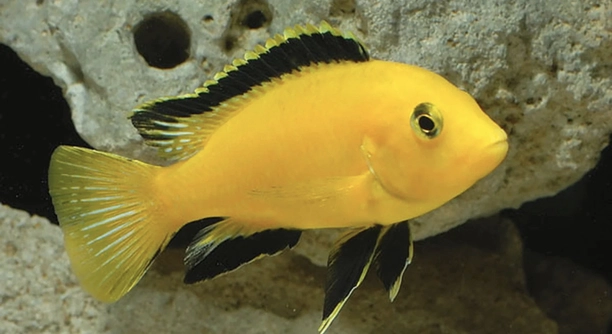
Electric Yellow Cichlids are vibrant fish that thrive in structured environments. Creating territories for them supports natural behaviors and reduces aggression. A well-planned aquarium enhances their colors, encourages activity, and promotes a healthier, more balanced habitat overall.
The most effective method to create territories is by arranging rocks, plants, and other decorations strategically. Dividing the aquarium into distinct zones allows each cichlid to establish a personal area, minimizing conflicts and ensuring a stable social hierarchy within the tank environment.
Proper territory planning ensures your cichlids remain active and stress-free, fostering a lively and visually appealing aquarium that reflects their natural behaviors.
Understanding Electric Yellow Cichlid Behavior
Electric Yellow Cichlids are territorial by nature and can become aggressive if their space is limited. They mark specific areas of the tank and defend them against intruders. Observing their movements helps identify which spots are most valued. Some fish prefer hiding among rocks, while others claim open areas near the substrate. Recognizing these preferences allows you to create balanced zones that reduce confrontations. Social dynamics also play a role, as dominant individuals will assert control over prime locations. Keeping multiple hiding spots and visual barriers helps maintain harmony. Feeding routines and environmental enrichment further influence behavior, as active fish require both stimulation and secure resting areas. Even minor changes in decorations or tank layout can shift territorial boundaries. By carefully monitoring their responses, you can adjust the environment to support calmer interactions and maintain a stable hierarchy within the aquarium.
Providing multiple zones makes the aquarium more comfortable and lowers stress for all fish in the tank.
Territorial disputes can damage fins and cause prolonged stress if ignored. By arranging rocks, caves, and plants thoughtfully, each cichlid has space to retreat and rest. Open swimming areas paired with hidden spots encourage natural behaviors while minimizing conflict. Regular observation ensures that adjustments can be made before aggression escalates. This approach promotes healthier fish and a visually appealing setup, reflecting their bright colors and active patterns.
Designing Territories with Rocks and Plants
Rocks and plants create natural barriers and hiding spots for cichlids, helping establish clear territorial boundaries.
Arranging rocks of varying heights and widths allows fish to claim preferred spots without interfering with neighbors. Plants serve as both cover and visual separation, reducing line-of-sight conflicts. Combining hardscape with soft greenery enhances the tank’s aesthetic while providing security. Positioning caves near the substrate and open swimming areas near the center balances activity and retreat zones. Observation is key, as some fish may favor certain locations over others, requiring occasional rearrangement to maintain peace. By mixing vertical and horizontal structures, each fish can find an area that suits its temperament. Consider leaving small gaps for movement while ensuring territories remain distinct. This setup encourages natural behaviors like exploring, foraging, and defending space, resulting in calmer, healthier fish. Over time, the tank will develop a rhythm, with each cichlid understanding its boundaries and interacting more predictably.
Adjusting Tank Size and Layout
A larger tank reduces territorial aggression by giving each cichlid more space to claim. Open swimming areas and strategically placed barriers help balance activity and hiding zones.
A tank that is too small increases stress and can lead to frequent fights. Providing at least 55 gallons for a small group ensures adequate space. Rearranging decorations periodically can prevent dominance disputes. Vertical space is just as important, allowing fish to establish different levels. Rocks, caves, and plants create clear visual boundaries while leaving swimming paths open. Observing fish interactions helps identify conflict zones. Adjusting placement gradually maintains stability and supports calmer behavior throughout the tank.
Spacing territories apart and balancing open areas with hiding spots improves interactions between dominant and subordinate fish. A thoughtful layout encourages natural exploration and reduces stress-related illnesses. Regularly monitoring activity ensures the tank continues to meet the fish’s needs.
Monitoring Fish Interactions
Regular observation helps catch early signs of stress or aggression. Changes in color, posture, or movement indicate tension between fish.
Aggressive behavior may involve chasing, nipping, or cornering weaker individuals. Submissive fish retreat to hiding spots or stay near the bottom. Separating highly aggressive fish temporarily can prevent injuries. Adjusting decorations can redirect conflicts by creating new territories. Feeding locations and schedules also influence interactions, reducing competition. Noting patterns over several days allows informed changes to layout or group composition. Monitoring ensures the aquarium environment supports both activity and rest, maintaining the fish’s health.
Keeping track of interactions helps maintain harmony and reduces long-term stress. Observing daily ensures problems are addressed early. Adjusting hiding spots, barriers, and swimming areas based on fish behavior keeps aggression under control. Regularly evaluating feeding routines and territory distribution supports a stable hierarchy. Each cichlid’s personality affects interactions, and understanding these traits allows you to make small changes before conflicts escalate. With consistent monitoring, the tank becomes a safer, more balanced environment where fish can thrive naturally, showing vibrant colors and active behaviors without constant confrontation.
Using Caves and Hiding Spots
Caves and other hiding spots allow cichlids to claim private areas without conflict. Providing multiple options ensures weaker fish have safe spaces to retreat and reduces overall aggression.
Placing hiding spots at different heights and locations encourages exploration. Fish can rotate their preferred spots, preventing dominance over a single area and maintaining a more peaceful tank environment.
Balancing Open Space and Barriers
Open swimming areas are essential for activity, while barriers like rocks and plants provide visual separation. A mix of both supports natural behaviors and territorial stability. Fish can exercise and defend their zones without constant interference, promoting healthier interactions and reducing stress levels.
Feeding Strategies
Distributing food across multiple locations reduces competition. Feeding in small amounts allows all cichlids to eat without confrontation.
Observation and Adjustment
Regularly observing behavior helps identify problem areas. Making small changes to layout or hiding spots prevents conflicts from escalating.
FAQ
How many Electric Yellow Cichlids can I keep in one tank?
The number of cichlids depends on tank size and layout. For a 55-gallon tank, a small group of 4–6 is manageable. Larger tanks allow more fish if territories are properly divided with rocks, plants, and caves. Avoid overcrowding, as it increases stress and aggression.
What type of rocks and decorations work best?
Smooth rocks and sturdy caves are ideal. Avoid sharp edges that can injure fins during territorial disputes. Use rocks of varying heights and widths to create distinct zones. Decorations should allow hiding spots without obstructing swimming areas, giving each fish a sense of security.
Do plants help with aggression?
Yes, plants act as visual barriers and provide safe spaces. Tall plants near the edges or between territories reduce direct line-of-sight conflicts. Live plants also improve water quality and encourage natural behaviors like exploring and grazing.
How do I know if my fish are stressed?
Signs of stress include faded color, clamped fins, hiding excessively, or frequent chasing. Submissive fish may avoid certain areas or stay near the bottom. Aggressive behavior, like constant nipping, can also indicate tension. Early observation allows adjustments to layout or tankmates before problems escalate.
Should I rearrange the tank often?
Occasional adjustments can prevent dominance disputes. Move rocks, caves, or plants slowly and in small increments. This allows fish to acclimate and claim new territories without sudden stress. Avoid frequent, drastic changes that can increase aggression instead of reducing it.
Can feeding reduce conflicts?
Yes, distributing food in multiple locations prevents competition over a single spot. Feeding smaller amounts at different times ensures all fish get access. Using sinking pellets or spreading flakes across the tank also encourages natural foraging behaviors and reduces territorial tension.
How important is tank size for territorial control?
Tank size directly affects aggression. Larger tanks allow each cichlid to claim distinct areas. Vertical space is as important as horizontal. Adding mid-level rocks or taller plants gives more options for claiming territories. Smaller tanks require careful planning to avoid fights.
Do personalities affect territorial behavior?
Individual temperament matters. Some cichlids are naturally dominant, while others are more submissive. Observing these traits helps place hiding spots and feeding areas strategically. Balancing personalities with layout ensures a calmer tank and minimizes constant skirmishes.
Can I mix Electric Yellow Cichlids with other species?
Mixing is possible but requires caution. Choose species of similar size and temperament. Avoid overly passive fish, as they may be bullied. Ensure ample hiding spots and barriers to prevent conflicts and maintain a balanced social environment.
How often should I monitor interactions?
Daily observation is best. Watch for chasing, hiding, or color changes. Note patterns over time to identify problem zones. Adjust decorations or feeding routines as needed to maintain harmony. Consistent monitoring prevents injuries and supports healthier, more active fish.
Is water quality important for territorial behavior?
Absolutely. Poor water conditions increase stress, making aggression worse. Regular water changes, proper filtration, and stable temperature help fish feel secure and reduce territorial disputes. Clean water supports natural behaviors and overall health.
What is the best way to introduce new cichlids?
Introduce newcomers gradually. Quarantine new fish first, then add them to the tank with visual barriers initially. Rearranging decorations during introduction can help prevent established fish from immediately dominating newcomers, giving everyone space to adjust.
How do I manage dominant fish?
Provide multiple hiding spots and feeding areas to reduce confrontations. If one fish is excessively aggressive, consider temporary separation. Sometimes rearranging the tank allows subordinate fish to reclaim territory without direct conflict. Observation and gradual adjustments are key.
Can I use fake plants instead of live plants?
Yes, artificial plants can work if they provide cover and visual separation. Ensure they are sturdy and won’t be easily toppled. Placement should still create multiple zones for territorial fish to claim. Live plants offer extra benefits but are not strictly required.
What signs indicate my layout is effective?
Effective layouts show minimal chasing, active swimming, and bright colors. Fish use multiple hiding spots and rotate territories without constant fighting. Calm interactions and balanced space usage indicate the tank supports natural territorial behavior.
How do caves affect social hierarchy?
Caves give fish private areas to retreat and rest. Dominant fish claim prime spots, while submissive fish use secondary caves. Properly spaced caves prevent constant conflict, allowing a stable hierarchy and reducing injuries.
Can aggressive behavior damage fins permanently?
Yes, prolonged aggression can tear fins and cause infections. Early observation and adjustments to layout or hiding spots prevent long-term damage. Providing enough space and barriers is essential to protect fish health.
Are there seasonal changes in territorial behavior?
Behavior may shift slightly during breeding or changes in daylight. Fish may become more territorial temporarily. Maintaining a stable environment with consistent feeding and hiding spots minimizes stress and aggression during these periods.
How do I encourage natural behaviors?
Balanced territories, varied hiding spots, and open swimming areas encourage exploration, foraging, and resting. Observation allows you to fine-tune the environment to support healthy, natural activity. A structured tank layout reduces aggression while promoting vibrant, active fish.
What adjustments help if fights occur frequently?
Rearranging rocks, adding plants, and increasing hiding spots can reduce aggression. Consider separating highly aggressive individuals temporarily. Monitoring interactions and adjusting feeding locations also prevents ongoing conflicts and ensures all fish feel secure.
Can overcrowding be solved by layout alone?
Layout helps, but overcrowding is a major stress factor that cannot be fully fixed with decorations. Ensuring proper tank size and spacing is essential. Overcrowding increases aggression, reduces hiding options, and can lead to disease. Proper planning from the start avoids these issues.
How long does it take for fish to establish territories?
It varies by fish and tank setup. Generally, a few days to a week allows fish to explore, claim spaces, and settle into a hierarchy. Observing interactions during this time ensures that all fish adapt safely and adjustments can be made if needed.
What role does lighting play in territorial behavior?
Lighting affects visibility and can influence aggression. Bright lights expose open areas and can increase conflicts if hiding spots are insufficient. Balanced lighting highlights territories and encourages natural behaviors without overstressing fish. Soft shadows from plants and rocks help create comfort zones.
How do I maintain balance over time?
Consistent observation, periodic adjustments, and proper maintenance are key. Rotating hiding spots, checking water quality, and monitoring feeding patterns keep territories functional. Understanding fish personalities and responding to changes ensures a peaceful, stable aquarium where cichlids thrive naturally.
What is the best way to handle persistent aggression?
Persistent aggression may require separating the dominant fish or increasing the number of hiding spots. Adding vertical or horizontal barriers can diffuse tension. Gradual changes and careful observation allow subordinate fish to claim safe spaces without escalating conflicts.
Final Thoughts
Creating territories for Electric Yellow Cichlids is essential for maintaining a healthy and balanced aquarium. These fish are naturally territorial, and without proper spaces, conflicts can quickly arise. Careful planning of tank layout, including the placement of rocks, caves, and plants, allows each fish to claim an area that feels secure. When territories are clearly defined, dominant and submissive fish can coexist with fewer disputes. Observing how the fish interact with their environment helps determine if adjustments are needed. Even small changes, such as moving a rock or adding a plant, can make a significant difference in reducing aggression. Over time, a well-structured tank encourages calmer behavior, healthier interactions, and a visually appealing setup where each cichlid can display its vibrant colors without stress. Attention to detail in territory design shows clear benefits in both the fish’s well-being and the overall stability of the aquarium ecosystem.
Monitoring fish behavior regularly is a key part of maintaining a peaceful tank. Signs of stress or aggression, such as chasing, hiding, or clamped fins, indicate that territory adjustments may be necessary. Providing multiple hiding spots and visual barriers helps balance interactions between dominant and less assertive fish. Feeding strategies also play a role in territorial harmony. Distributing food across the tank and using multiple feeding spots prevents competition and ensures all fish receive proper nutrition. Water quality is equally important, as clean, well-maintained water reduces stress and supports natural behavior. The combination of careful layout, thoughtful feeding routines, and consistent observation allows for a more controlled environment where conflicts are minimized and fish can thrive. A proactive approach in these areas results in a tank that is both lively and stable.
Maintaining a tank for Electric Yellow Cichlids requires patience and attention, but the results are rewarding. A balanced setup where each fish has its own space encourages natural activity, reduces stress, and prevents injuries caused by territorial disputes. Adjustments may be needed as fish grow, personalities change, or tank conditions evolve, but these refinements help sustain a peaceful environment. Providing a mix of open swimming areas, hiding spots, and visual barriers allows cichlids to exhibit normal behaviors such as exploring, resting, and defending their space without constant conflict. Over time, the aquarium becomes a harmonious habitat where each fish feels secure and comfortable. By observing their needs and making thoughtful decisions, it is possible to create a tank that supports both the physical health and the behavioral well-being of Electric Yellow Cichlids, resulting in a vibrant and active display that reflects careful care and planning.

Hello,
If you enjoy the content that we create, please consider saying a "Thank You!" by leaving a tip.
Every little bit helps us continue crafting quality advice that supports the health, happiness, and well-being of pets around the world, for pets of all shapes, sizes, and species.
We really appreciate the kindness and support that you show us!