
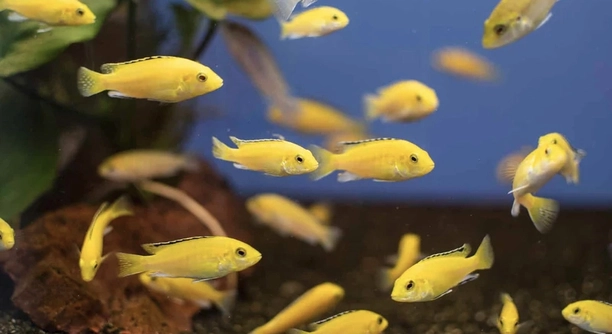
Photographing electric yellow cichlids can be tricky because their bright color often overwhelms the camera. Capturing their natural beauty requires attention to lighting, focus, and background to ensure the fish appear clear and vibrant in images.
To photograph electric yellow cichlids clearly, maintain consistent lighting, use a neutral background, adjust camera settings for fast shutter speed, minimize reflections, focus on the eyes, stabilize the camera, and avoid sudden movements in the tank to reduce blur.
Following these techniques will make your images sharper and more visually appealing, helping your electric yellow cichlids stand out in every photograph.
Choosing the Right Lighting
Lighting is crucial when photographing electric yellow cichlids. Natural light works best, but it can be unpredictable, so soft artificial lighting is a reliable alternative. Avoid harsh overhead lights that create glare or shadows on the tank glass. Position lights at an angle to reduce reflections, and consider using a diffuser to soften the intensity. Experimenting with different light sources will help highlight the fish’s vibrant yellow color without washing it out. Pay attention to the direction and distance of the light; too close can create hotspots, while too far may dim details. Consistent lighting helps maintain true colors and makes editing easier. Tank decorations and plants can also affect how light reflects, so adjust placement accordingly. Taking time to manage light properly ensures that the fish appear crisp, clear, and alive in every photograph.
Proper lighting enhances color clarity and reduces unwanted reflections that can ruin a clear shot of your cichlids.
By balancing natural and artificial light, you can create photos that emphasize the fish’s bright tones while keeping the background neutral. Diffusers or softboxes soften harsh light, preventing glare. Adjusting angles and distance helps maintain consistency across multiple shots. Also, cleaning the tank glass before shooting removes smudges that scatter light. Using a slower shutter speed under stable lighting conditions ensures details are captured without blur. Avoid direct flash, as it flattens colors and can stress the fish. Consistent lighting allows you to showcase the cichlid’s patterns, fins, and subtle color shifts. Combining thoughtful light placement with camera adjustments guarantees clear, vibrant images that accurately reflect the fish’s natural appearance. Over time, small changes in lighting techniques can dramatically improve overall photography results, making each shot more professional and visually appealing.
Camera Settings and Focus
Adjusting your camera properly is key to sharp images. Using a faster shutter speed prevents motion blur, especially when fish move quickly.
Selecting the correct aperture balances depth of field, keeping the fish in focus while blurring distracting backgrounds. ISO should be low to avoid grain, but adjust slightly if light is limited. Autofocus on the eyes creates a natural, engaging shot, while manual focus helps with tricky angles or reflections. Stabilizing the camera with a tripod or resting it on a steady surface prevents shake, even at slower shutter speeds. Take multiple shots to increase the chance of capturing the perfect moment. Reviewing images and adjusting settings between attempts ensures continuous improvement. Using a lens suited for close-up shots highlights details like fin edges and scale patterns. Over time, fine-tuning settings for your specific tank and lighting conditions will produce consistently clear and vibrant photos.
Fine-tuning focus and exposure ensures your cichlids appear sharp and vibrant in every image.
Camera settings directly influence clarity and color accuracy. Choosing the right shutter speed captures movement without blur. Aperture selection controls depth of field, isolating the fish from the background for a professional look. ISO adjustments prevent noise while maintaining brightness. Focusing on the eyes draws attention and adds life to the photograph. Tripods or stable surfaces help maintain sharpness, especially in low-light conditions. Experimenting with autofocus and manual focus allows flexibility depending on tank setup and reflections. Multiple attempts increase the likelihood of capturing the best moment, and reviewing images between shots provides valuable feedback for adjustments. Over time, understanding your camera’s settings in combination with lighting and tank arrangement will consistently produce clear, detailed, and vibrant images of electric yellow cichlids. Small adjustments can make a significant difference in bringing out the fish’s natural color and texture.
Reducing Reflections
Reflections on the tank glass can ruin clear shots. Use a polarizing filter or shoot at an angle to minimize glare. Turning off room lights and covering bright backgrounds also helps reduce unwanted reflections.
Polarizing filters are effective for cutting down glare, allowing the fish’s true colors to shine. Positioning the camera slightly off-center prevents light from bouncing directly into the lens, which can create distracting bright spots. Covering bright backgrounds with dark cloth or paper reduces reflections and keeps attention on the cichlids. Avoid using flash directly on the glass, as it amplifies reflections and flattens details. Maintaining a clean, clear tank glass is equally important; smudges or water spots can reflect light and create blurry areas in images. Small adjustments in angle, background, and lighting make a significant difference.
Cleaning the tank glass carefully before shooting removes streaks and dirt that scatter light. A microfiber cloth works best to prevent scratches. Consistently checking angles and light positions ensures each shot captures the fish clearly. Avoid touching the glass during shooting, as fingerprints and smudges appear in close-up photos. Using darker backdrops highlights the electric yellow color, keeping the fish as the main focus. Combined with proper camera settings and steady handling, these steps minimize distractions and reflections, producing sharper, more professional images that accurately showcase your cichlids’ vibrant appearance.
Background and Composition
A neutral, uncluttered background keeps the focus on your fish. Bright or busy backgrounds can distract from the cichlids’ vibrant color.
Choose backgrounds that contrast subtly with the yellow tones, like dark blues, blacks, or muted greens. Position plants or rocks strategically to create natural framing without overwhelming the subject. Consider using a plain sheet or aquarium backdrop to maintain consistency across photos. Composition is essential: center the fish or follow the rule of thirds to balance the frame. Avoid overcrowding the scene, as extra elements can compete for attention. Framing the fish with space in front of its movement direction adds a sense of motion and depth.
Adjusting the background helps highlight textures and fin details. Using contrasting colors makes yellow scales stand out. A clean background reduces post-processing work and keeps images visually appealing. Positioning decorations carefully adds interest without stealing focus. Simple compositions often look more professional, with the fish as the clear centerpiece. Balancing elements and angles ensures depth, drawing the viewer’s eye naturally to the cichlid. Small changes in background placement or color can dramatically improve clarity and make each photograph feel intentional and polished.
Stabilizing the Camera
Using a tripod or steady surface prevents blur from hand movements. Even small shakes can ruin close-up shots of fast-moving cichlids.
Stabilization is key for sharp images. If a tripod isn’t available, resting the camera on a flat surface or using a beanbag can help. Maintaining a stable camera position allows for slower shutter speeds in low light without losing clarity, producing consistently crisp photos.
Capturing Natural Behavior
Photographing fish while they move naturally shows their personality. Avoid sudden movements that startle them or cause hiding.
Observing their routine and taking multiple shots increases chances of catching engaging poses. Patience and timing are essential to showcase fins, patterns, and interactions clearly.
Adjusting White Balance
Proper white balance ensures yellow hues appear accurate. Incorrect settings can make colors look dull or unnatural.
White balance adjustments are crucial when artificial lights are used. Setting it manually or using a preset for aquarium lighting maintains color fidelity.
How can I prevent glare when photographing electric yellow cichlids?
Glare is one of the biggest challenges when photographing fish through glass. Using a polarizing filter on your camera lens helps reduce reflections from the water and tank glass. Shooting at an angle rather than straight-on prevents direct light from bouncing back into the lens. Turning off overhead room lights or covering bright areas behind the tank also reduces glare. Positioning the light source slightly to the side or diffusing it softens harsh reflections. A clean tank glass is essential; smudges or water spots can scatter light and create bright patches. Small adjustments in angle and light placement make a noticeable difference in clarity.
What is the best way to focus on a moving fish?
Focusing on moving cichlids can be tricky. Using continuous autofocus allows the camera to track the fish as it swims. Prioritize focusing on the eyes, which draws attention naturally and creates a more engaging image. A fast shutter speed prevents motion blur, even when the fish moves quickly. If the fish is in a predictable area of the tank, pre-focusing on that zone saves time and increases success rates. Patience is key—taking multiple shots improves the chance of capturing the perfect moment. Avoid moving the camera abruptly, as this can break focus and reduce sharpness.
How do I make the yellow color look vibrant without overexposing?
Yellow cichlids are prone to appearing washed out if the camera overexposes the highlights. Adjust exposure settings to slightly underexpose the shot, preserving detail in the scales. Use a neutral or dark background to help the yellow pop naturally. Proper white balance is also essential; incorrect settings can make yellow appear dull or orange. Diffused lighting softens harsh reflections that could wash out the color. Post-processing can enhance vibrancy, but starting with correct exposure and lighting reduces the need for heavy edits. Subtle adjustments maintain natural color while keeping the fish looking vivid and true to life.
Can tank decorations affect the quality of photographs?
Tank decorations can either enhance or distract from your shots. Use plants, rocks, or backgrounds that frame the fish without overwhelming the scene. Avoid overly bright or patterned decorations that compete with the fish’s color. Simple setups allow the cichlids to remain the clear focal point. Placing decorations strategically can add depth and create natural frames, making the photo more visually interesting. Adjusting positions slightly between shots improves composition without stressing the fish. Minimalist backgrounds often lead to cleaner, more professional-looking images while highlighting the electric yellow hues effectively.
Should I use flash when photographing cichlids?
Direct flash is generally not recommended. It can flatten the colors and startle the fish, causing them to hide or swim erratically. If additional light is needed, use diffused continuous lighting from outside the tank or soft LED panels. Indirect or bounced light maintains natural highlights and reduces harsh reflections. Using flash sparingly and at low intensity can work in some cases, but it’s best combined with careful positioning and camera settings. Avoid pointing the flash directly at the tank glass, as it will create bright spots that dominate the photo and reduce clarity.
How do I capture clear photos in low-light conditions?
Low-light situations require adjusting both camera settings and lighting. Increasing ISO can brighten the image but may introduce grain, so find a balance that preserves detail. Using a tripod or stable surface prevents blur during longer exposures. Opening the aperture allows more light in while keeping the fish in focus. Supplementing with diffused artificial light ensures the fish’s colors remain accurate without harsh glare. Patience is important; multiple shots with small adjustments help capture the best moments. Combining steady support, proper exposure, and soft lighting results in crisp, vibrant images even under low-light conditions.
What’s the best way to showcase the fish’s fins and patterns?
Capturing fins and scale patterns requires careful timing and angle. Photograph fish when they spread their fins naturally, often during swimming or territorial displays. Using a slightly angled shot emphasizes depth and detail. Fast shutter speeds prevent blur, preserving the sharp edges of fins. Backgrounds that contrast subtly with the yellow scales make patterns more noticeable. Avoid crowding the tank with decorations, which can block or distract from the fins. Taking multiple photos from different perspectives increases the chance of catching a moment where the fins are fully extended and patterns are clearly visible.
How many photos should I take to ensure good results?
It’s best to take many shots rather than relying on just a few. Fish move unpredictably, and even small movements can cause blur or misalignment. Multiple shots increase the probability of capturing sharp, well-composed images. Vary angles, distances, and lighting slightly between attempts. Review the images between shots to adjust focus, exposure, and composition as needed. Taking extra photos also provides options for cropping or post-processing without losing quality. Patience and repetition are more effective than trying to get the perfect shot in a single attempt. Consistent effort pays off with clearer, more detailed results.
How important is tank cleanliness for photography?
A clean tank is critical. Algae, debris, or smudges on the glass can create distractions and distort the image. Clean both inside and outside surfaces before shooting. Use a microfiber cloth to avoid scratches, and check for water spots. Clear water ensures the fish are fully visible and the colors remain true. Even small particles floating in the water can appear in close-up photos, so consider a brief filtration run or gentle water movement before shooting. Clean tanks simplify post-processing and improve the overall clarity and professionalism of your photos.
What lens or camera is ideal for photographing cichlids?
Close-up photography benefits from lenses that allow detail capture without stressing the fish. Macro or zoom lenses help frame the subject from outside the tank. Cameras with fast autofocus and manual control over shutter speed, aperture, and ISO produce sharper results. Mirrorless or DSLR cameras offer versatility, but even smartphones with manual settings can achieve good images if lighting and stability are managed. Choosing a lens that focuses quickly and accurately ensures fins and patterns remain crisp, and working within the camera’s strengths reduces the need for excessive editing later. Proper gear complements technique for clearer, more vibrant photographs.
How can I minimize stress on the fish during photography?
Avoid sudden movements near the tank that may startle the fish. Work quietly and move slowly when adjusting lights or camera position. Keep sessions short to prevent fatigue or stress. Let the fish acclimate to any new decorations or lighting before photographing. Using remote triggers or zoom lenses reduces the need to lean on the tank. Observing their behavior ensures photos are taken when the fish are comfortable and active. Maintaining a calm environment results in more natural poses, better fin display, and overall clearer, more attractive photographs.
Photographing electric yellow cichlids clearly requires a mix of patience, preparation, and attention to detail. These fish are active and bright, which can make capturing sharp, vibrant images a challenge. Small adjustments in lighting, camera settings, and tank setup can make a big difference in the final photograph. Proper lighting helps the yellow color stand out without washing out details, while reducing reflections ensures the fish remain the main focus. Using diffused or angled light, combined with a neutral background, highlights the natural beauty of the cichlids and avoids visual distractions. Paying attention to these elements from the start saves time in post-processing and results in more professional-looking images.
Camera settings are just as important as the physical setup of the tank. Shutter speed, aperture, and ISO all affect clarity, depth of field, and color accuracy. Fast shutter speeds prevent motion blur, while the right aperture balances sharp focus on the fish with a slightly blurred background. Adjusting ISO ensures the image is bright enough without introducing grain or noise. Focusing on the eyes of the fish makes images feel more engaging, and using a tripod or stable surface reduces camera shake. Taking multiple shots increases the chances of capturing the fish at just the right angle, showing fins and patterns clearly. Over time, understanding how these settings interact with your specific lighting and tank conditions leads to consistently better photos.
The final step is combining all these techniques to create clear, vibrant, and visually appealing images of electric yellow cichlids. A clean tank, careful positioning, and thoughtful composition ensure that the fish remain the focal point. Observing the fish’s natural behavior and timing shots when fins are spread or the fish is swimming actively adds life to the photos. Adjusting the background and removing distractions improves clarity, while white balance and exposure settings maintain true-to-life colors. Photography is both technical and observational; paying attention to small details produces more striking images. With practice and patience, these steps help capture the beauty of electric yellow cichlids in a way that highlights their unique colors, patterns, and personality. Consistent effort results in photos that are not only clear but also engaging, making the fish look their best in every shot.

Hello,
If you enjoy the content that we create, please consider saying a "Thank You!" by leaving a tip.
Every little bit helps us continue crafting quality advice that supports the health, happiness, and well-being of pets around the world, for pets of all shapes, sizes, and species.
We really appreciate the kindness and support that you show us!