
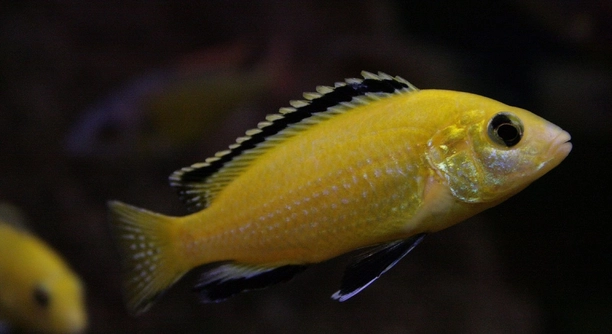
Are your fish fins looking less vibrant than usual, or do you notice small tears along the edges? Changes in fin appearance can be subtle, yet they often indicate that your fish may be experiencing early damage.
Fin damage in fish can result from a variety of causes, including poor water quality, aggressive tank mates, nutritional deficiencies, or infections. Early recognition of physical changes allows for prompt intervention to prevent further deterioration and support recovery.
Monitoring these small changes can help maintain your fish’s health and ensure their fins remain strong and vibrant over time.
Torn or Ragged Fins
When fins start to tear or look ragged, it is often the first visible sign of damage. This can occur from accidental contact with tank decorations, aggressive tank mates, or even fin-nipping behavior. Even minor tears can become worse if left unaddressed, allowing bacteria or fungi to invade the tissue. Observing the behavior of your fish can help identify the cause. Fish that hide frequently or appear stressed are more prone to fin injuries. Ensuring there are no sharp objects in the tank and maintaining a calm environment can prevent further harm. Nutrition also plays a role, as well-fed fish have stronger, more resilient fins that can heal faster.
Early detection allows you to treat minor tears before they worsen, keeping your fish healthier overall.
Preventing torn fins involves careful observation and a well-maintained tank. Soft plants, smooth decorations, and monitoring interactions between fish all reduce the risk of damage. Consistent water changes, balanced feeding, and avoiding overcrowding contribute to a supportive environment. When tears do occur, isolating affected fish or using fin-healing treatments can promote faster recovery. Recovery also depends on the overall health of your fish, so keeping stress low and providing proper nutrition is essential. Over time, with proper care, fins can regrow and regain their full shape and color, allowing your fish to swim confidently again without ongoing risk of damage.
Discoloration and Fading
Fins that lose color or appear dull often indicate stress, illness, or poor water conditions. Even subtle changes in hue are worth noting.
Discoloration can result from nutrient deficiencies, infections, or prolonged exposure to poor water quality. Stress from overcrowding or aggressive tank mates can also lead to fading. Monitoring water parameters such as pH, ammonia, nitrites, and nitrates is crucial to maintain vibrant fins. A diet rich in vitamins and protein supports natural pigmentation, while avoiding sudden temperature changes helps prevent stress-induced fading. Treating infections promptly can also restore color and prevent more serious health issues.
Consistent care and observation are key. Maintaining stable water conditions, providing a balanced diet, and reducing stress can help restore faded fins. Supplements or specialized foods may be used to boost natural coloration, while separating aggressive fish can prevent ongoing stress. Regular monitoring ensures early detection of further changes, and treating issues promptly allows for recovery before permanent damage occurs. Combining environmental control, nutrition, and attentive observation maximizes your fish’s fin health and overall vitality. Proper care promotes not only color restoration but also stronger, more resilient fins that can withstand minor injuries and continue to grow back fully over time.
Frayed Edges
Frayed fins often result from minor tears that have not fully healed. These edges can become uneven, giving the fins a worn appearance.
Fraying can worsen if the water quality is poor or if bacteria and fungi invade the damaged tissue. Frequent observation of your fish’s fins helps detect early signs of fraying. Improving water conditions and providing a nutrient-rich diet supports healing. Avoiding overcrowding and monitoring fish interactions also prevents further damage. Small injuries can recover quickly with proper care, but neglect can lead to more severe issues, including infection or complete fin loss.
Regular maintenance and attention to fin condition are essential. Isolating affected fish when needed, keeping decorations smooth, and maintaining a calm tank environment help frayed fins regrow properly. Healing time varies depending on severity and overall fish health. Patience, consistent water care, and quality nutrition ensure that frayed fins regain strength and shape. Over time, the edges can smooth out, and the fins can appear nearly as healthy as before, allowing your fish to swim comfortably without additional stress.
Clamped Fins
Clamped fins are held close to the body, indicating discomfort or stress in fish. This behavior signals that attention is needed.
Clamping can occur due to poor water quality, sudden temperature changes, infections, or stress from tank mates. Persistent clamping reduces fin function and can prevent proper swimming, which impacts feeding and overall health. Observing other symptoms like lethargy, loss of appetite, or abnormal swimming patterns can help identify underlying problems. Addressing water parameters, improving diet, and reducing stress factors are crucial steps to restore fin health. Temporary isolation may be necessary to prevent further stress or injury.
Monitoring and adjusting the tank environment is key. Ensuring proper filtration, stable temperatures, and appropriate stocking density minimizes stress that causes clamping. Providing hiding spots and a calm setting encourages recovery and reduces anxiety. Nutritional support strengthens fins and promotes overall resilience. Treating infections promptly and maintaining consistent care can help clamped fins return to normal. Over time, the fish regain comfort and mobility, allowing fins to relax naturally and regain full function, enhancing swimming efficiency and long-term health.
White or Cloudy Edges
White or cloudy edges on fins usually signal an infection or fungal growth. This can appear along the tips or edges of the fins and requires attention.
Maintaining clean water and monitoring tank parameters helps prevent worsening of these infections. Prompt treatment with appropriate medications can stop the spread and support fin recovery.
Shortened Fins
Shortened fins are often the result of repeated damage, stunting growth over time. This can happen from frequent nipping, poor nutrition, or untreated injuries. Regular observation and proper care can help prevent further shortening.
Red Streaks or Inflammation
Red streaks or inflammation along the fins indicate irritation, often caused by bacterial infections, aggressive tank mates, or poor water quality. Immediate action to isolate affected fish and treat the infection is necessary to prevent more severe health issues.
FAQ
What causes fin damage in fish?
Fin damage can result from several factors, including poor water quality, aggressive tank mates, physical injury from decorations, infections, or nutritional deficiencies. Even minor stress can make fins more vulnerable, so keeping the tank stable and monitoring interactions between fish is essential.
How can I prevent torn or frayed fins?
To prevent torn fins, remove sharp decorations and ensure smooth surfaces in the tank. Avoid overcrowding, separate aggressive fish, and maintain stable water conditions. Providing a balanced diet supports tissue strength, making fins more resilient to minor injuries and reducing the risk of fraying or tearing.
What should I do if I notice clamped fins?
Clamped fins are often a sign of stress or illness. Start by checking water quality, temperature, and tank conditions. Reduce stressors, provide hiding spots, and observe for other symptoms like lethargy or loss of appetite. In some cases, isolating the fish can help it recover more comfortably.
Can fin damage heal on its own?
Mild fin damage can heal naturally if the environment is supportive. Clean water, proper nutrition, and minimizing stress allow fins to regrow over time. Severe damage, infections, or repeated injuries may require treatment to prevent permanent loss or secondary health problems.
Are white or cloudy edges always an infection?
White or cloudy edges often indicate a fungal or bacterial infection, but they can also appear from minor physical damage. It is important to monitor the fish closely and maintain clean water. Treating infections promptly helps prevent spread and supports recovery.
Do shortened fins affect swimming?
Shortened fins can reduce swimming efficiency and balance. Fish may struggle with normal movement, which affects feeding and general activity. Addressing underlying causes, such as injuries, poor nutrition, or aggressive tank mates, helps prevent further shortening and supports proper fin function.
How do red streaks or inflammation appear?
Red streaks or inflammation are usually visible along the fins and are signs of irritation or infection. They may be caused by bacteria, poor water quality, or repeated physical trauma. Immediate action, such as isolating the fish and treating the infection, is crucial to prevent further complications.
What diet helps maintain healthy fins?
A balanced diet rich in protein, vitamins, and minerals strengthens fin tissue and supports regrowth. Foods with carotenoids enhance color, while protein helps repair damaged tissue. Avoid overfeeding, and provide high-quality flakes, pellets, or frozen foods to keep fins resilient.
When should I consult a veterinarian?
Consult a veterinarian if fin damage worsens despite proper care, if infections are persistent, or if multiple symptoms appear. Professional advice ensures accurate diagnosis and effective treatment, especially when bacterial or fungal infections threaten the fish’s health.
Can tankmates cause fin damage?
Yes, aggressive or fin-nipping tankmates are a common source of fin damage. Monitoring fish interactions and separating aggressive individuals can prevent injuries. Providing adequate space and hiding areas also reduces stress and minimizes the risk of conflict.
How long does it take for fins to regrow?
Regrowth varies depending on severity, water quality, and overall fish health. Minor tears may heal in weeks, while more severe damage can take months. Consistent care, nutrition, and a stress-free environment accelerate recovery and help fins return to their original shape.
Is water quality really that important for fin health?
Absolutely. Poor water quality is a leading cause of fin damage, infections, and stress. Regular water changes, monitoring pH, ammonia, nitrites, and nitrates, and using a reliable filtration system create an environment that supports healthy fin growth and overall fish wellbeing.
Can stress alone cause fin damage?
Stress alone can weaken fins and make them more susceptible to tears or infections. Factors like sudden temperature changes, overcrowding, or aggressive tankmates increase stress. Maintaining a calm, stable environment with proper diet and water quality helps reduce stress-related fin issues.
Are there any signs that fins are fully healed?
Fully healed fins appear smooth, uniform in shape, and regain normal color and flexibility. The edges should no longer be ragged, torn, or inflamed. Observing swimming behavior also helps confirm recovery, as healthy fins allow the fish to move efficiently and comfortably.
What role does tank size play in fin health?
Smaller or overcrowded tanks increase stress and the likelihood of fin damage. Fish need adequate space to swim freely and establish territories. Proper tank size, along with stable conditions, reduces aggression and prevents physical damage caused by collisions or nipping.
Can medications help fin regrowth?
Certain medications can treat infections that hinder fin healing. Antibacterial or antifungal treatments, when used correctly, prevent further damage and support regrowth. Always follow dosage instructions carefully to avoid harming the fish or disrupting the tank’s balance.
How do I know if fin damage is serious?
Serious fin damage often includes deep tears, red streaks, severe fraying, or signs of infection. If damage progresses despite care, affects swimming, or is accompanied by lethargy or loss of appetite, professional intervention is recommended. Early treatment prevents permanent loss.
Are live plants beneficial for fin health?
Yes, live plants provide hiding spaces and reduce stress, lowering the risk of injuries from tankmates. Soft plants prevent accidental tearing, while also helping maintain water quality. Incorporating plants creates a safer, more comfortable environment that promotes overall fin health.
Can temperature fluctuations worsen fin damage?
Sudden or frequent temperature changes increase stress and reduce immune function, making fins more susceptible to damage and infection. Maintaining a consistent temperature appropriate for the species supports recovery and prevents further fin deterioration.
Is it normal for older fish to have fin issues?
Aging fish often show slower fin regrowth and increased fragility. While minor damage may be more common, proper care, diet, and stable tank conditions still help maintain fin health and minimize age-related deterioration.
Fin damage in fish is a common issue that many aquarists face, yet it is often overlooked until the problem becomes serious. Observing small changes in fin appearance, such as tears, fraying, discoloration, or clamping, can provide early warning signs that intervention is needed. Proper attention to these details helps prevent minor issues from turning into severe health problems. Maintaining clean water, ensuring appropriate tank conditions, and providing a balanced diet are all essential factors in promoting strong, healthy fins. Even small adjustments, like removing sharp decorations or monitoring aggressive tank mates, can significantly reduce the risk of damage and improve the overall well-being of your fish.
Recovery from fin damage requires patience and consistent care. Fins regrow slowly, and the process can be affected by water quality, nutrition, stress levels, and the severity of the injury. For minor tears or fraying, simple measures like improving water conditions, providing a high-quality diet, and reducing stress can allow the fins to repair naturally. More severe damage, or damage caused by infections, may require additional treatments, including antibacterial or antifungal medications. Isolating affected fish when needed can also protect them from further injury or stress from tank mates. Monitoring the progress of healing is important, as this ensures that interventions are effective and that fins are regaining strength and flexibility. Over time, with proper care, most fish can regain fully functional, healthy fins that allow them to swim freely and comfortably.
Preventing fin damage is just as important as treating it. Creating a stable and safe environment for fish helps reduce the likelihood of injuries and infections. Proper tank size, adequate filtration, regular water changes, and careful attention to stocking density all contribute to minimizing stress and physical harm. Nutrition plays a critical role as well; a diet rich in protein, vitamins, and minerals strengthens fins and supports their ability to heal. Stress management, including reducing sudden changes in temperature and limiting aggressive interactions, also has a direct impact on fin health. By observing fins closely and taking proactive measures, aquarists can ensure their fish remain healthy, vibrant, and active. Consistent care and attention to detail create an environment where fins are less likely to suffer damage, supporting the long-term health and happiness of fish in the tank.

Hello,
If you enjoy the content that we create, please consider saying a "Thank You!" by leaving a tip.
Every little bit helps us continue crafting quality advice that supports the health, happiness, and well-being of pets around the world, for pets of all shapes, sizes, and species.
We really appreciate the kindness and support that you show us!