
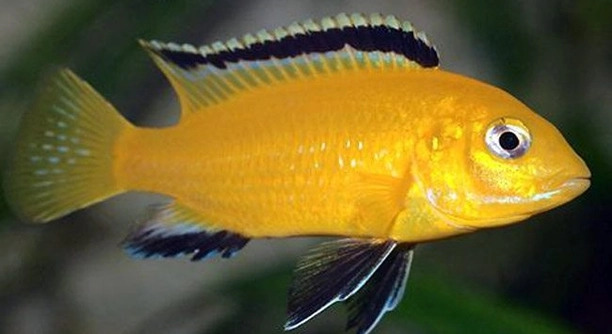
Do you love keeping electric yellow cichlids but find yourself wondering how to manage a DIY tank setup at home? Many hobbyists enjoy customizing their aquariums but face unexpected challenges along the way.
Maintaining a DIY electric yellow cichlid tank presents multiple challenges, including water quality management, proper filtration, controlling aggression, balancing diet, avoiding overstocking, maintaining consistent temperature, and preventing algae growth. Each factor requires careful attention to ensure the fish thrive.
Understanding these challenges will help you create a healthier, more stable environment for your cichlids and improve your overall aquarium experience.
Water Quality Management
Keeping water clean in a DIY electric yellow cichlid tank can be tougher than expected. These fish are sensitive to changes in pH, ammonia, and nitrate levels. Even small fluctuations can stress them, affecting their health and behavior. Regular water testing is essential to catch problems early. Filtration systems must be strong enough to handle waste but not create excessive current. Partial water changes every week help maintain balance and reduce toxins. Choosing the right substrate and decorations can also influence water parameters. Rocks and driftwood may alter pH, so selecting materials carefully is important. Overfeeding adds to the problem, as leftover food breaks down quickly. Keeping an eye on water clarity, odor, and the overall environment ensures your fish stay healthy and active. Patience and consistency are key when managing water in a DIY setup.
Regular monitoring prevents sudden tank crashes and keeps your cichlids lively.
Maintaining water quality requires constant attention and care. Testing for ammonia, nitrites, nitrates, and pH ensures safe levels. Overfeeding must be avoided, and filters should match tank size. Every component in the tank, from rocks to plants, can impact water balance, making thoughtful choices crucial. Consistent maintenance protects fish health and supports their natural behavior.
Aggression and Territorial Behavior
Electric yellow cichlids are naturally territorial and can be aggressive toward each other.
Proper tank layout can reduce conflict. Hiding spots, caves, and visual barriers help establish territories and decrease stress.
Aggression in these fish is often tied to space and hierarchy. Overcrowding intensifies fights, so tank size and stocking levels matter. Providing distinct territories with rocks, plants, and other structures helps separate dominant fish from weaker ones. Observing behavior daily allows quick intervention if bullying occurs. Sometimes rearranging the tank can reset boundaries, calming tensions. Feeding strategies also influence aggression, as competition over food can spark fights. By carefully planning tank design, stocking numbers, and feeding routines, aggressive behavior can be managed, creating a more peaceful environment. This balance helps each cichlid feel secure and encourages natural, healthy interactions.
Proper Filtration
Choosing the right filter is essential for a DIY electric yellow cichlid tank. These fish produce a lot of waste, and insufficient filtration can quickly degrade water quality, stressing the fish and increasing the risk of disease.
A high-quality filter suited to your tank size ensures mechanical, chemical, and biological filtration. Mechanical filtration removes debris, chemical filtration helps eliminate toxins, and biological filtration supports beneficial bacteria that break down waste. Regular maintenance, such as cleaning filter media without harming bacterial colonies, is crucial. Underpowered or poorly maintained filters lead to cloudy water and unstable water parameters. Matching the filter flow to the tank’s size and fish load keeps the environment stable and the cichlids healthy.
Some filters may create strong currents that stress electric yellow cichlids. Adjusting flow or adding decorations to break the current helps the fish feel secure. Combining the right filter type with consistent cleaning routines ensures water remains clear, safe, and balanced. Observing fish behavior also helps identify if adjustments are needed, supporting long-term success in your DIY setup.
Balancing Diet
Feeding the right diet is vital for electric yellow cichlids’ health and coloration. Too much or inappropriate food can harm them.
A mix of high-quality pellets, occasional frozen foods, and vegetables provides necessary nutrients. Protein-rich foods support growth, while plant matter helps digestion and overall health. Feeding small amounts multiple times a day prevents overfeeding.
Electric yellow cichlids thrive on a varied diet. High-quality cichlid pellets form the base, supplemented with frozen brine shrimp, daphnia, or bloodworms to enhance protein intake. Vegetables like spinach, peas, or zucchini provide fiber and help prevent digestive issues. Avoid overfeeding, as uneaten food decays quickly and pollutes the water, stressing the fish. Rotating different food types maintains their appetite and vibrant color. Feeding schedules should be consistent, adjusting portions as the fish grow. Monitoring their response to different foods ensures nutritional needs are met, contributing to stronger immune systems, healthier growth, and more natural behavior.
Controlling Algae Growth
Algae can quickly take over a DIY cichlid tank if left unchecked. Excess light and leftover food contribute to its growth, making regular cleaning and monitoring essential.
Adding live plants, reducing light hours, and removing uneaten food help limit algae. Consistent maintenance keeps the tank visually appealing and healthier for the fish.
Temperature Stability
Electric yellow cichlids require stable water temperatures between 74–80°F. Sudden fluctuations can stress them and make them more prone to disease. Maintaining a reliable heater and monitoring daily ensures a consistent environment, supporting growth, coloration, and overall health.
Overstocking Risks
Too many fish in a single tank increases aggression, stress, and waste buildup. Careful planning of stocking levels is critical to maintaining a balanced ecosystem and preventing long-term health issues among your cichlids.
Hiding Spots and Decorations
Providing enough caves, rocks, and visual barriers helps establish territories and reduces conflict. Thoughtful placement creates security for shy fish and allows dominant fish to assert control without constant fighting.
What is the ideal tank size for electric yellow cichlids?
Electric yellow cichlids need enough space to swim freely and establish territories. A minimum tank size of 55 gallons is recommended for a small group, but larger tanks are better for multiple fish. Crowding increases aggression and stress, which can affect their health. The tank should provide horizontal space for swimming and vertical space for decorations and hiding spots. More space allows dominant fish to establish territories without constant conflict, while subordinate fish have room to retreat. Regular observation helps determine if the stocking level is appropriate, and adjustments should be made if fights or stress appear.
How often should I perform water changes?
Water changes are essential to maintain stable water parameters. Replacing 20–30% of the tank water weekly helps remove toxins like nitrate and ammonia. Using a dechlorinator is important to avoid harming beneficial bacteria. Monitoring water parameters can guide the frequency of changes, and additional water changes may be necessary if ammonia or nitrate levels rise quickly. Water changes also help refresh trace minerals and maintain the overall health of the fish. Performing consistent water changes keeps the tank stable and reduces stress, preventing diseases and encouraging healthy growth and vibrant coloration.
What foods are best for electric yellow cichlids?
A balanced diet is key for health and coloration. High-quality cichlid pellets or flakes provide essential nutrients. Supplementing with frozen or live foods like brine shrimp, daphnia, or bloodworms supports protein needs. Vegetables such as spinach, peas, or zucchini provide fiber to aid digestion. Avoid overfeeding, as leftover food decomposes and pollutes the tank. Feeding small portions multiple times a day encourages natural behavior and helps prevent aggression during feeding. Rotating food types keeps the fish interested and ensures they receive a wide range of nutrients. Proper diet improves immune function and enhances their vibrant yellow coloration.
Why is my electric yellow cichlid constantly hiding?
Hiding can indicate stress, illness, or aggression from tankmates. Ensure that water parameters are stable, and the tank temperature is consistent. Check for bullying or overcrowding, as dominant fish may be harassing others. Providing additional hiding spots can help shy or stressed fish feel secure. Observe behavior carefully to identify if a sick fish is hiding and consider isolating it for treatment if necessary. Sometimes, fish hide temporarily while adjusting to a new environment or tank layout. Consistent care, monitoring, and proper tank design reduce stress and encourage fish to explore the tank confidently.
How can I reduce aggression among my cichlids?
Aggression is natural but manageable. Providing enough space and hiding spots allows fish to establish territories without constant fighting. Avoid overcrowding, as it increases stress and territorial disputes. Feeding strategies also play a role—spreading food evenly across the tank reduces competition. Observing behavior helps identify aggressive individuals, which can be temporarily separated or relocated. Rearranging decorations periodically can disrupt established territories and reduce persistent bullying. Using visual barriers like rocks or plants gives shy fish places to retreat. Balanced stocking and careful observation create a more peaceful and stable community tank, reducing stress for all fish.
How do I maintain stable water temperature?
Electric yellow cichlids thrive in 74–80°F. Using a reliable heater with a thermostat prevents sudden fluctuations. Daily temperature checks ensure consistency, and adding insulation around the tank can reduce external temperature changes. Sudden drops or rises in temperature stress the fish and can compromise their immune system. Proper placement of the heater, avoiding direct current exposure, ensures even heat distribution. Maintaining a stable temperature encourages natural behavior, supports metabolism, and keeps coloration bright. Consistent monitoring and adjustments prevent long-term health issues related to temperature stress and promote overall tank stability.
Why is algae growing so quickly in my tank?
Algae growth is influenced by excess light, overfeeding, and high nutrient levels. Reducing light duration and intensity helps limit growth. Removing uneaten food and performing regular water changes prevent nutrients from accumulating. Adding live plants can compete with algae for resources, slowing its spread. Some fish or invertebrates can help control algae, but they should be chosen carefully to avoid conflicts. Regular maintenance, including scraping decorations and glass, keeps the tank clean. Observing algae patterns can indicate underlying water quality issues, helping to adjust feeding, lighting, or filtration for a healthier environment.
What should I do if my fish develops a disease?
Early detection is critical. Quarantine sick fish to prevent spreading disease. Test water parameters to rule out environmental causes. Using appropriate medication following instructions helps treat most illnesses effectively. Removing uneaten food and maintaining clean water reduces stress and supports recovery. Monitor behavior and appearance daily, and continue treatment until symptoms fully resolve. Adjusting water temperature or improving diet may support immune response. Observing the entire tank helps prevent additional cases and ensures remaining fish stay healthy. Quick intervention increases recovery chances and prevents long-term damage or fatalities in your cichlid population.
How many electric yellow cichlids can I safely keep together?
Stocking depends on tank size, decorations, and fish temperament. A 55-gallon tank can house about six adults, but larger groups require more space. Overcrowding increases aggression, stress, and waste, leading to water quality issues. Proper territory distribution with caves, rocks, and plants reduces fighting and provides shy fish space to retreat. Observing interactions helps adjust numbers if conflicts arise. Balancing male and female ratios, providing hiding spots, and monitoring behavior ensures a healthier, more stable environment. Planning stocking carefully supports natural behavior, minimizes stress, and maintains long-term fish health.
Maintaining a DIY electric yellow cichlid tank can be both rewarding and challenging. These fish are vibrant, active, and full of personality, but they require careful attention to thrive. Water quality is one of the most important aspects to monitor. Regular testing for ammonia, nitrites, nitrates, and pH ensures the environment stays safe. Consistent partial water changes help remove excess waste and maintain balance. Using the right filter and cleaning it regularly supports healthy water conditions without causing stress to the fish. Even small mistakes, such as overfeeding or neglecting filter maintenance, can quickly affect the tank’s stability. Patience and consistent effort are essential for keeping the fish healthy and vibrant.
Aggression and territorial behavior are natural for electric yellow cichlids, and managing it is critical for a peaceful tank. Providing adequate space, hiding spots, and visual barriers reduces conflict and allows each fish to feel secure. Observing interactions regularly helps identify issues early, whether it is bullying, dominance struggles, or signs of stress. Adjusting tank layout, spacing decorations strategically, and controlling stocking levels can minimize problems. Feeding routines also play a role in reducing tension; spreading food across the tank helps prevent competition. By taking these steps, it is possible to maintain a balanced, harmonious environment where each cichlid can thrive, interact naturally, and display its full coloration without constant stress.
Diet, temperature, and overall tank maintenance are equally important for long-term success. Electric yellow cichlids need a balanced diet, combining high-quality pellets, frozen or live protein, and occasional vegetables to support health and digestion. Stable water temperature, between 74 and 80°F, keeps their metabolism and immune systems functioning properly. Algae control, regular cleaning, and careful observation of water parameters prevent environmental stress that can lead to disease. Planning the tank carefully, from decorations to filtration, and sticking to a consistent care routine ensures a safe and healthy space for the fish. While challenges exist, understanding the needs of electric yellow cichlids and staying attentive to their environment allows hobbyists to enjoy their beauty, personality, and activity in a thriving, well-maintained DIY tank.

Hello,
If you enjoy the content that we create, please consider saying a "Thank You!" by leaving a tip.
Every little bit helps us continue crafting quality advice that supports the health, happiness, and well-being of pets around the world, for pets of all shapes, sizes, and species.
We really appreciate the kindness and support that you show us!