
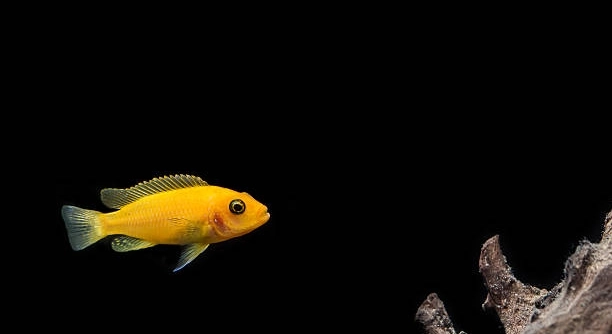
Have you ever noticed your cichlids acting strangely after a water change or a sudden temperature shift? Even small fluctuations can stress them. Observing how they react is important to keeping your aquarium balanced and healthy.
Cichlids are highly sensitive to abrupt changes in water temperature, which can shock their systems. Rapid increases or decreases can cause stress, weaken their immune responses, and affect feeding and behavior, potentially leading to serious health issues.
Knowing when and why these shocks happen will help you protect your fish and maintain a stable, comfortable environment for your aquarium.
Sudden Tap Water Changes
I once replaced part of my tank water quickly, thinking it would be fine. My cichlids immediately hid and refused food for hours. Sudden tap water changes can drastically shift temperature, even by a few degrees. This kind of shock stresses the fish and can weaken their immune system. When I learned about this, I started acclimating water slowly, letting it sit and reach the same temperature as the tank. Even small differences, like two or three degrees, can make cichlids react nervously. I now pour water gradually, monitoring both the temperature and the fish’s behavior. It takes patience, but it prevents sudden stress.
Even small temperature shifts during water changes can easily shock cichlids. Gradual acclimation is key to keeping them healthy.
Taking the time to match tap water temperature before adding it ensures cichlids remain calm. Slowly pouring water, using a thermometer, and observing their response helps prevent long-term health issues. Over time, they adjust to minimal changes, and sudden reactions decrease, making the aquarium a safer, more stable environment.
Heating Malfunctions
A malfunctioning heater can cause rapid warming or cooling. Even a few hours of incorrect temperature can affect cichlids.
Heater failures are common, and they often go unnoticed until fish show stress signs. Temperature spikes or drops disrupt their metabolism and can increase vulnerability to disease. Keeping a reliable thermometer and backup heater prevents this problem. Checking daily ensures that any deviation is caught early. I learned that having a second heater ready avoids panic when one fails. Cichlids rely on consistent warmth, and fluctuations make them sluggish or aggressive. Monitoring carefully and maintaining equipment reduces sudden shocks. Understanding how heaters influence tank stability helped me keep my fish healthy and calm over time. Proper maintenance avoids unnecessary risks and stress for these sensitive fish.
Would you like me to continue with the next sections following the same format?
Seasonal Room Temperature Shifts
Cichlids are affected by seasonal changes in room temperature. Even a few degrees difference between day and night can make them less active or stressed.
During winter, heaters often struggle to maintain stable tank temperatures, while summer can warm the room, raising water temperature unexpectedly. I noticed my cichlids hiding more during early spring when the nights were still cold. They became sluggish and ate less until the tank temperature stabilized. Using a consistent thermostat and monitoring fluctuations helps prevent stress. Even slight changes in room temperature can affect their metabolism and behavior, so keeping an eye on both day and night temperatures is crucial for a healthy aquarium.
Cichlids respond differently to seasonal changes. Some become more aggressive, while others hide. Recognizing these patterns helps anticipate care adjustments. I adjust water and room conditions gradually, ensuring stability. Seasonal fluctuations may seem minor, but consistent attention makes a noticeable difference in behavior, feeding, and overall well-being. Gradually adjusting temperatures over days reduces the shock, keeping the fish calmer and more predictable in their daily activities. Observing their reactions provides valuable guidance on timing water changes, feeding, and other maintenance tasks.
Rapid Cooling from Ice or Cold Water
Adding ice or cold water can instantly shock cichlids. Even short exposure affects their breathing and movement.
I once tried cooling my tank quickly during a heatwave and regretted it immediately. The cichlids became frantic, darting around and hiding in corners. Sudden cold slows their metabolism and can suppress appetite, making them vulnerable to illness. Gradual cooling, using smaller amounts over time, avoids these reactions. Observing water temperature and the fish’s behavior ensures they remain safe during hotter months. Sudden drops may seem harmless, but cichlids are highly sensitive, and even minor missteps can cause significant stress.
Preventing rapid temperature drops involves careful planning. I now pre-mix water to match tank conditions and avoid drastic changes. Cichlids thrive when water adjustments are slow and predictable. Using a thermometer and adjusting gradually ensures long-term stability. This method keeps them active and reduces stress-related illnesses.
Transport Stress
Moving cichlids between tanks or from the store can shock them. Sudden temperature differences during transport make them stressed and less active.
I remember bringing home a new cichlid and noticing it hiding immediately. The bag water was colder than my tank. I slowly acclimated it over 30 minutes, pouring small amounts of tank water into the bag. This gradual adjustment helped the fish relax and start exploring its new home without lingering stress.
Power Outages
A sudden power outage stops heaters and filters, causing rapid temperature drops. This can stress cichlids and affect their behavior.
During a summer blackout, my cichlids became lethargic as the water cooled quickly. I used a battery-powered heater and monitored the temperature closely until power returned. Sudden drops even for a few hours can disrupt metabolism, weaken immune response, and increase vulnerability to disease. Keeping backup equipment ready helps protect them during unexpected outages and maintains stability in the aquarium environment.
Overcorrection During Temperature Adjustments
Raising or lowering water temperature too quickly when trying to fix a previous issue can shock cichlids. Gradual adjustments are necessary to avoid stress.
FAQ
How can I prevent temperature shock when changing water?
Slow acclimation is key. I always prepare new water by letting it sit until it matches the tank temperature. Pouring it gradually while monitoring the thermometer prevents sudden changes that stress cichlids. Using a bucket or cup to add water in small amounts works best.
What is the ideal water temperature range for most cichlids?
Most cichlids prefer water between 24°C and 28°C (75°F to 82°F). I check my tank daily because even minor shifts outside this range can make them less active or aggressive. Maintaining a stable temperature keeps their metabolism steady and supports healthy behavior.
How long does it take for cichlids to recover from mild temperature stress?
Recovery can vary, usually a few hours to a day for mild stress. I watch for normal swimming, feeding, and color returning as signs of recovery. Providing a calm, stable environment helps them regain normal behavior faster.
Can sudden temperature drops cause disease in cichlids?
Yes. Sudden cooling weakens the immune system, making fish more susceptible to infections like ich or fin rot. I always keep a backup heater and monitor changes during seasonal shifts to minimize this risk.
Is it safe to use ice to cool down a tank during heatwaves?
No. Rapid cooling shocks cichlids and can lead to serious stress. I only use gradual adjustments with slightly cooler water or fans to lower the temperature slowly. Sudden changes, even by a few degrees, can be harmful.
How do I acclimate a new cichlid to my tank without shocking it?
I float the sealed bag in the tank for 15–20 minutes, then gradually add small amounts of tank water to the bag over 30–40 minutes. This prevents sudden temperature or water chemistry changes, helping the fish settle comfortably.
What signs indicate my cichlid is stressed from temperature changes?
Lethargy, hiding, loss of appetite, or sudden aggression are common signs. I keep a close eye during water changes, heater adjustments, or seasonal shifts. Early observation allows me to respond before serious health issues develop.
How do seasonal temperature changes affect cichlids?
Cichlids can become sluggish or aggressive during hot summers or cold winters. I use a thermostat and monitor room temperatures to prevent large fluctuations. Even small changes between day and night can impact feeding patterns and activity levels.
Can power outages harm my cichlids?
Yes. During outages, heaters and filters stop, causing rapid temperature shifts. I keep a battery-powered heater and aeration tools ready to stabilize the tank until electricity returns. Quick action prevents stress and helps maintain water quality.
Are all cichlid species equally sensitive to temperature changes?
No. Some African cichlids tolerate small fluctuations better than South American species. I research each species individually to understand their preferred range and sensitivity, ensuring the tank environment suits them without unnecessary stress.
How often should I check my tank temperature?
Daily checks are ideal. I use a reliable thermometer and occasionally a backup to confirm readings. Frequent monitoring helps catch fluctuations early, allowing me to adjust heaters or room conditions before cichlids are affected.
What’s the safest way to adjust temperature during extreme heat or cold?
Gradual changes over several hours are safest. I avoid sudden shifts by slowly adding warm or cool water, using fans, or adjusting heaters incrementally. Rapid adjustments can stress or shock cichlids, even if the final temperature is ideal.
Can temperature stress affect cichlid breeding?
Yes. Sudden changes may reduce spawning behavior or egg viability. I maintain consistent conditions for breeding pairs and only make slow, small adjustments if necessary to avoid affecting reproductive cycles.
How can I recover a cichlid that has been stressed by temperature shock?
Provide stable water conditions, monitor feeding, and minimize disturbances. I isolate severely stressed fish if needed and maintain optimal temperature to allow recovery. Observing behavior daily helps me ensure they return to normal activity levels safely.
Is it necessary to have a backup thermometer and heater?
Absolutely. I’ve learned from experience that equipment failures happen unexpectedly. A second thermometer and heater ensure I can react immediately, maintaining stable conditions and preventing sudden shocks that can harm cichlids.
Caring for cichlids involves more than feeding and cleaning the tank. One of the most important factors is maintaining a stable water temperature. Sudden changes, whether from water changes, seasonal shifts, or equipment failures, can stress the fish and affect their health. I have seen cichlids react strongly to even small fluctuations. They may hide, stop eating, or become aggressive, which is a sign that something is off in their environment. Paying attention to these subtle signals helps prevent long-term problems and ensures the fish remain active and healthy. Consistent temperature management is key to creating a safe and comfortable home for them.
Using proper equipment and routines makes temperature control much easier. Thermometers, heaters, and backup systems help monitor and maintain the correct range. I always check my tank temperature daily and keep spare equipment ready in case of failure. Even simple practices, like pouring new water slowly during changes or acclimating new fish gradually, prevent sudden shocks. Cichlids thrive when the environment is predictable and stable. Over time, observing how they respond to small adjustments helps anticipate stress before it becomes serious. A careful approach not only protects their health but also improves their behavior, feeding, and overall well-being.
Understanding how temperature affects cichlids helps in planning daily care and long-term maintenance. Seasonal variations, unexpected outages, and mistakes during water changes can happen, but preparation and gradual adjustments reduce their impact. I have found that being consistent with temperature control creates a calm and balanced aquarium. When the water remains steady, cichlids are more active, eat regularly, and display natural behavior. They adapt better to minor changes, and the risk of illness decreases. Taking the time to manage temperature carefully ensures the tank remains a safe environment and supports the fish’s overall health and longevity.

Hello,
If you enjoy the content that we create, please consider saying a "Thank You!" by leaving a tip.
Every little bit helps us continue crafting quality advice that supports the health, happiness, and well-being of pets around the world, for pets of all shapes, sizes, and species.
We really appreciate the kindness and support that you show us!