
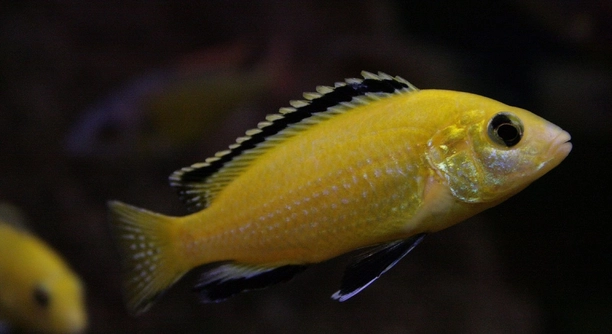
Wild-caught and captive-bred cichlids are popular choices for home aquariums. Both types have unique traits that influence their behavior, appearance, and care needs. Understanding these differences can help you make the best choice for your tank.
Wild-caught cichlids originate directly from their natural habitats, often showing stronger colors and behaviors shaped by environmental pressures, while captive-bred cichlids are raised in controlled settings, typically exhibiting more consistent health and adaptability to aquarium life.
Learning these differences can improve your experience as a fish keeper. There are clear benefits and considerations for both wild-caught and captive-bred options.
Appearance and Coloration
Wild-caught cichlids often display brighter and more varied colors compared to captive-bred ones. Their patterns are naturally developed in response to their environment, including lighting, water conditions, and interactions with other fish. Captive-bred cichlids may have less vibrant colors, as selective breeding often focuses on hardiness rather than natural pigmentation. Observing wild-caught fish, you might notice subtle variations in their scales or markings that make each individual unique. These traits can make them visually striking in an aquarium, but the colors may fade if the water conditions or diet are not ideal. Captive-bred cichlids, on the other hand, tend to have more predictable coloration. They often adapt well to standard tank conditions, retaining consistent patterns over time. When selecting cichlids, consider how important natural coloration is to you and whether your tank can support the environmental needs of wild-caught specimens. Proper care and diet can enhance the colors of both types of cichlids significantly.
Captive-bred cichlids are usually easier to maintain and keep their colors under standard aquarium conditions.
Even though captive-bred cichlids are more predictable, wild-caught cichlids bring a unique vibrancy that can make an aquarium visually striking. Understanding the needs of each type can help maintain their health and colors over time. Choosing based on your tank’s conditions and your personal preferences ensures both the fish and the aquarium remain balanced and attractive.
Behavior and Temperament
Wild-caught cichlids can be more aggressive and territorial.
Wild-caught cichlids have behaviors shaped by survival in natural habitats, including hunting instincts and competition for space. They may challenge tank mates more frequently, requiring careful selection of companions and plenty of hiding spaces. Captive-bred cichlids, raised in controlled conditions, often show calmer behavior and can adapt to community tanks more easily. Breeding in captivity can reduce natural stress responses, making these fish less prone to extreme aggression. However, temperament can still vary depending on species, tank size, and social structure. Providing proper enrichment, such as rocks, caves, and plants, can help manage aggression in wild-caught specimens while allowing them to express natural behaviors. Over time, observing and understanding each fish’s unique personality helps maintain a balanced and harmonious aquarium. Tank conditions, diet, and handling all influence how behavior manifests, and attention to these factors can make keeping wild-caught cichlids a rewarding experience despite their more demanding nature.
Health and Disease Resistance
Captive-bred cichlids generally have stronger immunity to common aquarium diseases. Wild-caught fish may carry parasites or infections from their natural environment, requiring careful quarantine before adding them to a tank.
Captive-bred cichlids benefit from generations of controlled breeding, which reduces susceptibility to many illnesses. They are usually raised in clean, monitored water, receiving consistent nutrition that strengthens their overall health. Wild-caught cichlids can introduce unexpected health challenges, including internal parasites, fungal infections, or bacterial issues. Proper quarantine and treatment are essential for integrating wild-caught specimens safely. Observing fish during the first weeks after introduction is important to detect any signs of stress or disease early.
Even with precautions, wild-caught cichlids may face stress when adapting to new water conditions, which can lower their resistance to disease. Captive-bred fish typically adjust faster, making them easier to maintain in community tanks. Feeding a varied diet and monitoring water quality support the long-term health of both types, but wild-caught specimens often demand more attention to prevent illness and ensure their survival.
Environmental Adaptability
Captive-bred cichlids adapt more easily to different water conditions, making them suitable for a variety of tank setups.
Wild-caught cichlids are accustomed to specific natural habitats, so sudden changes in temperature, pH, or hardness can stress them. They may require carefully maintained environments that mimic their native waters. Captive-bred fish, however, have been raised in controlled conditions that prepare them for standard aquarium settings. This adaptability makes them less prone to stress-related issues and easier to introduce to community tanks. While both types benefit from stable, clean water, captive-bred cichlids often thrive with minimal intervention.
Even with careful preparation, wild-caught cichlids need more time to acclimate to new tanks. Gradual water changes, proper hiding spaces, and attention to diet help them adjust safely. Captive-bred cichlids can handle a wider range of conditions, reducing the risk of illness or behavioral problems. For aquarists, choosing the right type depends on tank setup and willingness to maintain specific environmental needs for wild-caught specimens. Proper planning ensures a healthy and balanced aquarium for all fish.
Lifespan Differences
Wild-caught cichlids often live longer if kept in ideal conditions, reflecting their adaptation to natural environments.
Captive-bred cichlids tend to have slightly shorter lifespans due to selective breeding, but they are generally hardier and less prone to stress in home aquariums.
Cost and Availability
Captive-bred cichlids are usually more affordable and widely available at pet stores. Wild-caught fish can be more expensive due to collection and transportation costs.
Breeding Challenges
Breeding wild-caught cichlids in captivity is difficult because they may not adapt easily to tank conditions. They often require precise water parameters and proper territory setup to spawn successfully. Patience and careful observation are key to encouraging reproduction.
Environmental Impact
Collecting wild-caught cichlids can disrupt local ecosystems and reduce natural populations if not managed responsibly. Sustainable sourcing is important to protect their natural habitats.
FAQ
What is the main difference between wild-caught and captive-bred cichlids?
The main difference lies in their origin. Wild-caught cichlids come directly from natural habitats, while captive-bred cichlids are raised in controlled environments. This affects their behavior, coloration, health, and adaptability. Wild-caught fish often have more vibrant colors but may be harder to maintain. Captive-bred fish are usually more resilient, easier to care for, and adapt better to standard aquarium conditions.
Are wild-caught cichlids harder to care for than captive-bred ones?
Yes, wild-caught cichlids generally require more attention. They need water conditions that closely mimic their natural environment, careful monitoring for disease, and gradual acclimation to tanks. Captive-bred cichlids are more forgiving of minor changes in water quality and temperature, making them suitable for less experienced keepers.
Do captive-bred cichlids show natural behaviors like wild-caught ones?
Captive-bred cichlids can display many natural behaviors, but some instincts, like hunting or territorial aggression, may be less pronounced. Wild-caught cichlids often show stronger survival instincts and interactions shaped by their original habitats. Tank enrichment, such as caves, rocks, and plants, can help both types express natural behaviors.
Can wild-caught cichlids carry diseases?
Yes, wild-caught cichlids may carry parasites or infections from their natural environment. Quarantining them before introducing them to a main tank is crucial. Captive-bred cichlids are generally healthier and less likely to introduce new illnesses because they are raised in controlled conditions with routine health checks.
Which type of cichlid is better for breeding in home aquariums?
Captive-bred cichlids are typically easier to breed because they adapt well to tank conditions and are accustomed to life in captivity. Wild-caught cichlids can breed, but they often require specific water parameters and extra care to feel comfortable enough to spawn.
Do wild-caught cichlids adapt to tank life over time?
Yes, with proper acclimation and care, wild-caught cichlids can adjust to home aquariums. This process may take weeks or months and requires stable water conditions, appropriate tank mates, and gradual diet transitions. Captive-bred cichlids usually adapt immediately due to their upbringing in controlled environments.
Is there a big cost difference between the two types?
Yes, wild-caught cichlids are usually more expensive because of collection, transport, and limited availability. Captive-bred cichlids are more affordable and easier to find in stores, making them a popular choice for most aquarists. Cost can also reflect rarity and species type.
How does keeping wild-caught fish affect the environment?
Collecting wild-caught cichlids can impact natural populations and local ecosystems. Responsible sourcing and sustainable practices are essential to prevent overfishing. Captive breeding reduces environmental strain by providing a reliable supply of fish without affecting wild habitats.
Are there specific water requirements for wild-caught cichlids?
Yes, wild-caught cichlids usually require water conditions that closely match their natural habitat, including pH, hardness, and temperature. Captive-bred cichlids are more tolerant of standard aquarium conditions, though they still benefit from stable water quality and regular maintenance.
Can both types coexist in the same tank?
They can, but caution is needed. Wild-caught cichlids may be more aggressive or territorial, which can stress captive-bred fish. Proper tank size, hiding spots, and careful monitoring of interactions help maintain balance. Selecting compatible species and observing behavior ensures a peaceful environment.
Do diet needs differ between wild-caught and captive-bred cichlids?
Wild-caught cichlids may prefer more varied or natural diets to match what they eat in the wild. Captive-bred cichlids usually accept prepared foods like pellets and flakes, though adding live or frozen foods can improve their health and coloration. Both benefit from a balanced diet to support growth and longevity.
Which cichlids are better for beginners?
Captive-bred cichlids are generally recommended for beginners due to their hardiness, adaptability, and lower risk of disease. Wild-caught cichlids are better suited for experienced keepers willing to manage specific care requirements, including acclimation, water conditions, and monitoring for stress or illness.
Do wild-caught cichlids retain their vibrant colors in captivity?
Yes, but only if water conditions, diet, and tank environment are appropriate. Poor conditions can cause fading or stress-related discoloration. Captive-bred cichlids have more consistent coloration, but diet and proper lighting still enhance their appearance.
Is quarantining necessary for all new cichlids?
Quarantining is highly recommended, especially for wild-caught fish. It helps prevent the spread of diseases or parasites to existing tank inhabitants. Captive-bred cichlids are generally healthier, but a short quarantine period still ensures they are free from infections and helps them acclimate to new conditions.
Can wild-caught cichlids live as long as captive-bred ones?
Wild-caught cichlids can live longer under optimal care, but they are more sensitive to stress and disease. Captive-bred cichlids usually have shorter lifespans due to selective breeding but are more adaptable, making them easier to maintain in typical aquarium settings.
Are there ethical concerns with keeping wild-caught cichlids?
Yes, overcollection can harm natural populations and disrupt ecosystems. Choosing responsibly sourced fish or supporting captive breeding helps reduce environmental impact. Many aquarists prefer captive-bred cichlids to avoid contributing to these ecological issues while still enjoying vibrant and healthy fish.
What is the best way to transition wild-caught cichlids into a new tank?
Gradual acclimation is essential. Slowly adjust them to the tank’s temperature, pH, and water hardness. Provide hiding spots, monitor behavior, and feed high-quality foods. This approach reduces stress and increases the chance they will thrive alongside other tank inhabitants.
Do captive-bred cichlids need less maintenance?
Yes, they are more forgiving of minor changes in water quality, temperature, and diet. While regular cleaning and monitoring are still necessary, they require less intensive care compared to wild-caught specimens, making them suitable for standard aquarium setups.
How can I tell if a wild-caught cichlid is healthy?
Check for clear eyes, intact fins, smooth scales, and active swimming behavior. Signs of disease, parasites, or stress include clamped fins, discoloration, or lethargy. Quarantine and observation are key to ensuring they are ready for a home aquarium.
Are there differences in social behavior between the two types?
Yes, wild-caught cichlids often exhibit stronger territorial instincts and dominance behaviors. Captive-bred fish are typically calmer and can coexist more easily with other species. Tank size, hiding spots, and careful selection of companions help manage social dynamics for both types.
Do wild-caught cichlids require special lighting?
Not necessarily, but natural lighting conditions can enhance their colors. Proper aquarium lighting benefits both wild-caught and captive-bred fish by supporting healthy growth, behavior, and visual appeal. Adjusting light duration and intensity can mimic natural environments for wild-caught specimens.
Can diet alone improve the coloration of cichlids?
Yes, a balanced diet with high-quality flakes, pellets, and occasional live or frozen foods can enhance colors. Wild-caught cichlids may need more varied diets, while captive-bred cichlids benefit from consistent feeding routines to maintain vibrant hues.
Are wild-caught cichlids more prone to stress?
Yes, they are sensitive to changes in water conditions, tank mates, and handling. Captive-bred cichlids are usually less stressed because they are accustomed to controlled environments. Providing hiding spaces and stable conditions reduces stress for both types.
Is it better to buy wild-caught or captive-bred cichlids?
It depends on experience and goals. Beginners usually benefit from captive-bred fish due to their resilience, while experienced keepers may prefer wild-caught cichlids for their unique coloration and behaviors. Responsible sourcing and proper care are important for either choice.
Can wild-caught cichlids spawn in captivity?
Yes, but success requires careful replication of their natural environment. Captive-bred cichlids spawn more easily, making them ideal for breeding programs or home aquariums focused on reproduction. Patience and attention to water parameters are crucial for wild-caught breeding.
Do both types require similar tank sizes?
Tank size depends on species and behavior rather than origin. Wild-caught cichlids may need more space due to aggressive tendencies, while captive-bred cichlids are more adaptable. Providing sufficient room and hiding spots ensures a healthier, less stressful environment.
Are there differences in feeding habits?
Wild-caught cichlids often prefer live or fresh foods, reflecting natural diets. Captive-bred cichlids usually accept prepared foods but also benefit from occasional live or frozen supplements. Feeding habits influence health, coloration, and behavior for both types.
What precautions should I take when introducing new cichlids?
Quarantine, gradual acclimation, and careful monitoring of tank mates are essential. Observe behavior, water parameters, and health to ensure smooth integration. Both wild-caught and captive-bred cichlids benefit from a structured introduction to prevent stress and aggression.
Do captive-bred cichlids reproduce true to species?
Yes, captive-bred fish generally reproduce predictable traits, colors, and behaviors. Wild-caught cichlids may produce less predictable offspring due to natural genetic diversity. Breeding programs often rely on captive-bred stock for consistency.
Are wild-caught cichlids worth the extra effort?
They can be rewarding for those willing to manage their care needs. Their vibrant colors, natural behaviors, and unique personalities can make them standout additions. However, they demand more attention, monitoring, and proper tank conditions than captive-bred counterparts.
How do I choose between wild-caught and captive-bred cichlids?
Consider your experience level, tank setup, budget, and goals. Captive-bred cichlids are easier to care for, more affordable, and resilient. Wild-caught fish offer unique coloration and behaviors but require more effort, careful observation, and precise water management. Choosing responsibly ensures healthier fish and a balanced tank.
Can wild-caught cichlids be mixed with captive-bred fish?
Yes, with careful planning. Monitor aggression, provide hiding spaces, and ensure compatible species. Mixing can work, but wild-caught fish may dominate or stress more passive captive-bred fish. Proper observation is necessary to maintain harmony.
Do both types need the same water change routine?
Regular water changes benefit all cichlids. Captive-bred fish are more forgiving of minor lapses, while wild-caught fish may react more sensitively to water quality fluctuations. Maintaining clean, stable water supports health, coloration, and natural behavior.
Are there visible differences in fins or body shape?
Wild-caught cichlids may have leaner bodies and more angular fins due to natural swimming and predator avoidance. Captive-bred cichlids often have slightly rounder bodies, reflecting controlled environments and selective breeding. Observing these traits helps identify origin.
Do captive-bred cichlids require less quarantine time?
While shorter quarantine may be acceptable, a brief period is still recommended to check for disease and acclimate fish. Wild-caught cichlids require longer, more careful quarantine to prevent parasite or infection introduction.
Can wild-caught cichlids change behavior over time in captivity?
Yes, they may become calmer as they acclimate, though some territorial instincts persist. Captive-bred fish are already accustomed to confinement, showing stable, predictable behavior. Providing environmental enrichment helps both types maintain natural activity.
Is there a difference in tank cleaning needs?
Tank cleaning frequency is similar, but wild-caught cichlids may produce more waste or disturb substrates due to higher activity and natural digging behaviors. Captive-bred fish are often less demanding in this regard but still benefit from regular maintenance.
Do captive-bred cichlids tolerate a wider temperature range?
Yes, they are usually more adaptable, while wild-caught fish may be sensitive to rapid temperature changes. Maintaining stable temperatures is crucial, especially for wild-caught specimens, to prevent stress and disease.
How important is water hardness for wild-caught cichlids?
Water hardness can significantly affect wild-caught cichlids because they are adapted to specific mineral levels in their native habitats. Captive-bred cichlids are more flexible but still thrive in stable, balanced water conditions. Proper monitoring supports health and coloration.
Are wild-caught cichlids more likely to jump or escape?
Yes, they may be more active and prone to jumping due to instinctual behaviors. Using secure lids and providing environmental enrichment reduces the risk. Captive-bred cichlids tend to be calmer and less likely to attempt escape.
Do both types respond similarly to tank mates?
Not always. Wild-caught cichlids may be aggressive or territorial, while captive-bred fish are more adaptable. Careful selection of compatible species, observation, and providing hiding places can help maintain a peaceful environment.
Can captive-bred cichlids live outdoors in ponds?
Some species can, but they require suitable conditions and protection from predators. Wild-caught fish may not adjust well to outdoor ponds due to environmental sensitivity. Proper acclimation and monitoring are necessary for both types.
How do I identify a healthy captive-bred cichlid?
Look for clear eyes, active swimming, vibrant coloration, intact fins, and good appetite. Regular observation ensures any early signs of stress or disease are addressed promptly.
Are wild-caught cichlids more expensive to feed?
Not necessarily, but they may require a more varied diet to match natural feeding habits. Captive-bred cichlids typically accept standard prepared foods, reducing ongoing feeding costs.
Do captive-bred cichlids require supplements?
Supplements like vitamins or live foods can enhance health and coloration but are not strictly necessary. Providing a balanced diet meets most nutritional needs. Wild-caught cichlids may benefit more from varied supplements to mimic natural diets.
Can wild-caught cichlids tolerate community tanks?
Some species can, but they often require careful planning to avoid aggression. Tank size, hiding spaces, and compatible companions are crucial. Captive-bred cichlids are generally easier to integrate into community settings.
Do wild-caught cichlids require more lighting adjustments?
Lighting can enhance natural colors, but stable and moderate lighting is sufficient. Sudden changes can stress wild-caught fish, whereas captive-bred fish are more tolerant of standard lighting conditions.
Are captive-bred cichlids more resistant to transport stress?
Yes, they have been bred and raised in controlled environments, making them more resilient during shipping. Wild-caught cichlids are sensitive to handling, temperature changes, and confinement, requiring careful transport to prevent illness or mortality.
Do both types need the same substrate?
Substrate choice depends on species preferences. Wild-caught cichlids often prefer sand or fine gravel to mimic natural habitats. Captive-bred fish are usually less demanding but benefit from appropriate substrate for digging, breeding, and hiding.
Can wild-caught cichlids recognize feeding routines?
Yes, they learn over time but may be cautious initially. Captive-bred cichlids usually adapt quickly to scheduled feeding, accepting prepared foods without hesitation. Consistent routines help both types maintain health and behavior patterns.
Are there differences in tank decoration preferences?
Wild-caught cichlids may need more hiding spots, rocks, and plants to reduce stress and mimic natural environments. Captive-bred fish are less particular but still benefit from a structured and enriched environment.
Do captive-bred cichlids breed year-round?
Many can, depending on species and tank conditions. Wild-caught cichlids may have seasonal breeding patterns and require environmental cues like water changes, temperature shifts, or specific territories to spawn successfully.
How do I know if a wild-caught cichlid is stressed?
Signs include clamped fins, reduced activity, hiding excessively, loss of color, or refusing food. Stress management includes stable water conditions, hiding spots, and minimal handling.
Can captive-bred fish revert to wild-type behavior?
No, captive-bred fish retain traits from generations in controlled conditions. While some natural instincts remain, they generally do not display the full behavioral range of wild-caught specimens.
Are wild-caught cichlids legal to buy everywhere?
Regulations vary by country and species. Some wild-caught cichlids are protected, and local laws may restrict collection or trade. Always verify legality and source fish responsibly.
Do captive-bred cichlids show more uniform size?
Yes, selective breeding results in more predictable growth patterns. Wild-caught cichlids may vary in size depending on age, sex, and environmental factors, reflecting natural diversity.
How long does it take for wild-caught cichlids to settle in a new tank?
It may take several weeks to months, depending on acclimation, water conditions, and tank mates. Patience and careful observation are key to ensuring they adjust safely.
Do both types require the same filtration system?
Good filtration is essential for all cichlids. Wild-caught fish may benefit from slightly stronger filtration to maintain pristine water, while captive-bred cichlids are more tolerant of minor variations. Proper filtration supports health and reduces stress.
Are there noticeable differences in egg-laying habits?
Wild-caught cichlids may be more selective about spawning sites and show stronger parental care. Captive-bred cichlids often breed more readily in standard tanks and may require less specialized territory for successful spawning.
Do captive-bred cichlids need less hiding space?
They generally tolerate fewer hiding areas but still benefit from caves, plants, or rocks for security and to reduce stress. Wild-caught fish often need more elaborate environments to feel comfortable.
How do I prevent aggression in wild-caught cichlids?
Provide sufficient space, hiding spots, and compatible tank mates. Observing interactions and separating overly aggressive fish helps maintain harmony. Captive-bred cichlids are easier to manage but still benefit from proper tank setup.
Can wild-caught cichlids adapt to pellet diets?
Yes, but transition should be gradual.
Choosing between wild-caught and captive-bred cichlids depends on what you want from your aquarium and how much effort you are willing to put into care. Wild-caught cichlids bring unique colors and natural behaviors that can make a tank feel lively and interesting. Their personalities and interactions are shaped by the environments they come from, which can be rewarding to observe. However, they also require more attention. Maintaining the correct water parameters, monitoring for disease, and providing sufficient hiding spaces are all crucial for their well-being. Sudden changes in temperature, pH, or hardness can stress them, affecting their health and coloration. Acclimating wild-caught fish gradually and carefully helps them adjust, but it takes patience. They are not as forgiving as captive-bred fish, and even small mistakes can lead to stress or illness.
Captive-bred cichlids, on the other hand, are generally easier to care for and more adaptable. They are bred to thrive in standard aquarium conditions, which makes them ideal for beginners or aquarists who prefer lower-maintenance fish. Their health is more predictable, and they are less likely to carry parasites or diseases. Coloration and behavior can still be strong and interesting, though sometimes less vibrant than wild-caught specimens. Captive-bred fish also adapt more quickly to new tanks and diets, making them simpler to integrate into community setups. They often breed reliably in captivity, which can be an advantage if you want to expand your collection or observe spawning behavior. While they may lack some of the unique traits of wild-caught cichlids, their hardiness and predictability make them a practical choice for many aquarists.
Both types of cichlids have value, and the best choice depends on your experience, tank setup, and personal goals. If you are ready to invest time in observing and maintaining environmental conditions, wild-caught cichlids can provide a striking and dynamic addition to your aquarium. Captive-bred cichlids offer a more manageable experience with reliable health, adaptability, and ease of care. Regardless of your choice, providing clean water, proper diet, adequate space, and enrichment is essential. Understanding the needs and traits of each type ensures healthier fish and a more balanced tank. By planning carefully and paying attention to their requirements, you can enjoy the beauty and behaviors of cichlids while supporting their well-being in your home aquarium.

Hello,
If you enjoy the content that we create, please consider saying a "Thank You!" by leaving a tip.
Every little bit helps us continue crafting quality advice that supports the health, happiness, and well-being of pets around the world, for pets of all shapes, sizes, and species.
We really appreciate the kindness and support that you show us!