
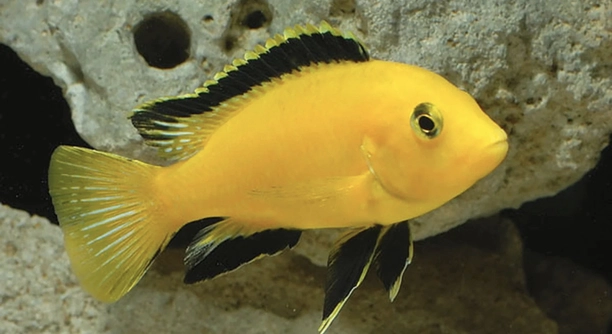
Cichlids are fascinating fish known for their unique behaviors in home aquariums. Observing them can reveal unexpected patterns, especially when they start preparing their surroundings for breeding. Their actions often show a mix of instinct and care.
Cichlids begin building nests as part of their reproductive process, using materials like sand, rocks, or plant matter. Nest building ensures eggs are protected, provides a controlled environment, and signals readiness for mating to potential partners.
Learning the signs of nest-building can help you understand your fish better. These behaviors offer insight into their natural instincts and daily activities in the tank.
Early Morning Nesting
I often notice my cichlids starting their nest-building very early in the day. The males are usually the first to become active, moving small rocks or sand around to form a shallow depression. Sometimes, they use plant leaves to line the edges. Their movements are careful, deliberate, and surprisingly coordinated. Watching this activity makes it clear that they are focused on creating a safe place for eggs. The females may observe quietly from nearby, assessing the nest’s quality. If the male is particularly energetic, he may even chase away other fish to protect his area. Nest-building is not constant throughout the day; it seems concentrated in the early hours, possibly because the water is calmer and less disrupted. Over time, the nest grows more defined, and the fish seem satisfied with their work. The behavior reflects both instinct and planning, showing how serious they are about reproduction.
Nest-building often starts when the tank is quiet, usually before most daily activity begins.
Understanding these early morning patterns helps predict when breeding behavior is most likely. It also shows how environmental factors, like calm water and minimal disturbance, influence the fish’s readiness. Observing them can reveal small cues, like subtle sand movements or gentle nudges of plant material, that indicate preparation. Over a few days, the nest may evolve, becoming more structured and clearly defined. This consistency highlights the importance of routine in their behavior. By noting these patterns, you can better support their breeding conditions, ensuring the tank layout and water conditions meet their needs. Monitoring early morning activity can also prevent conflicts, as dominant males become more territorial during this phase. Providing enough space and proper substrate encourages natural nest-building and helps the fish feel secure.
Sand and Pebble Arrangements
Nest building often involves arranging sand and pebbles precisely. Fish carefully move materials to create a flat, protected area.
These arrangements are essential for successful egg-laying. Cichlids may carry tiny pebbles repeatedly, shaping the nest over several days. The placement is deliberate, with the male frequently adjusting materials to maintain symmetry and stability. This meticulous work ensures the eggs remain safe from currents or accidental disturbance. Some species prefer a smooth, shallow pit, while others create a slightly raised mound to keep water flow consistent. Watching this behavior can be fascinating, especially when multiple males compete for space. The fish demonstrate problem-solving by choosing suitable locations and modifying the environment to suit their needs. Over time, the nest reflects both the species’ instincts and individual preferences, showing that even small details matter in breeding success. By observing these patterns, aquarists can better understand the preferences of their cichlids and adjust tank conditions, such as substrate type and water flow, to support natural behaviors. Proper arrangement also reduces stress, allowing both males and females to focus on reproduction without interference.
Leaf and Plant Nesting
Some cichlids prefer using leaves or soft plant materials in their nests. They pull or nibble leaves to line the nest, making it softer and safer for eggs.
I’ve noticed my fish carefully selecting certain leaves, avoiding damaged or decaying ones. They move each piece multiple times, shaping it into a small platform or bed. The female may inspect the arrangement, sometimes nudging leaves into place herself. This behavior shows that even small details matter for successful breeding. Using plants also helps regulate water flow over the eggs and provides extra camouflage from other tank inhabitants. Over several days, the nest becomes more structured, demonstrating the cichlids’ persistence and instinctive skill. Leaf selection is species-dependent, and noticing these preferences helps me adjust plant types in the tank.
Adding plants not only supports nesting but also enriches the tank environment, giving the fish areas to explore and interact naturally.
Bubble Nesting
Bubble nests are another common strategy, especially for certain cichlid species. They cluster bubbles at the water surface, forming a floating layer to protect eggs.
The males blow bubbles carefully, often coating them with mucus to make them more stable. The nest can take several hours to build, with constant maintenance throughout the day. Females may watch closely, sometimes contributing by gently moving bubbles or guiding the male. Bubble nests are delicate and can collapse if the water is disturbed, so keeping a calm environment is crucial. I’ve seen my fish rebuild sections repeatedly, showing remarkable persistence. These nests not only protect eggs from drifting but also keep them oxygenated, enhancing survival rates.
The floating structure also allows parents to monitor and guard eggs more efficiently. The bubbles’ placement near tank surfaces ensures that developing fry have immediate access to oxygen, a natural advantage in captivity. Maintaining clean water and minimal flow helps preserve these delicate nests. Observing this behavior highlights the complex instincts behind even seemingly simple bubble formations. Over time, the nest may expand, demonstrating both the male’s dedication and the importance of stable tank conditions for breeding success.
Rock Pile Nests
Some cichlids create nests by piling small rocks together. They arrange them carefully to form a stable base for eggs.
I’ve observed my fish spending hours moving each stone, testing balance and placement. The pile provides protection from currents and other fish, keeping the eggs safe and secure.
Sand Pit Nests
Cichlids often dig shallow pits in sandy substrates. They remove debris and smooth the area to create an ideal spot for laying eggs. This behavior is repeated multiple times until the pit is uniform and stable. The process allows the eggs to remain protected and well-ventilated, giving the fry a better start in life. Sand pits also help separate eggs from strong water currents, reducing the chance of them drifting away. I’ve noticed that the male often guards the pit closely, maintaining its shape and ensuring the female feels secure enough to lay eggs. These nests are simple but effective, highlighting the species’ instinctive ability to modify their environment for reproductive success.
Cavity Nests
Certain cichlids prefer using existing cavities in rocks or decorations. They lay eggs inside, offering a naturally protected environment.
How do I know when my cichlids are ready to build a nest?
I usually notice subtle changes in behavior before actual nest-building begins. Males become more active, moving sand, rocks, or plant material around. They patrol areas more aggressively, chasing other fish away. Females often stay close, observing the male’s work. Color changes can occur, with brighter hues signaling readiness to mate. These behaviors are consistent and predictable, giving a clear indication that nesting is about to start. By watching these signs, I can prepare the tank, ensuring the substrate, plants, and decorations are suitable for nest-building and protecting the fish from unnecessary stress.
What materials do cichlids prefer for their nests?
Materials depend on the species. Some cichlids favor sand or small pebbles to build pits or piles. Others use leaves, plant matter, or soft algae to line nests, making them more comfortable and secure. I’ve seen males repeatedly move tiny stones, arranging them carefully to create stability and symmetry. Bubble-nesting species create nests at the water surface using bubbles coated in mucus for durability. Cavities in rocks or decorations are also used by some species to provide protection from currents and other fish. Providing a variety of suitable materials in the tank encourages natural behaviors and increases the chance of successful breeding.
How long does it take for a cichlid to complete a nest?
Nest-building can take anywhere from a few hours to several days. Simple sand pits or small leaf nests are usually completed faster, while intricate rock piles or bubble nests take longer. I’ve watched males work persistently, constantly adjusting materials to ensure stability. Some species maintain their nests for several days, repairing any damage caused by water movement or tank mates. The female may also inspect the nest repeatedly, nudging materials into place to improve conditions for egg-laying. Timing depends on environmental conditions, the species’ instincts, and the availability of suitable materials. Patience is key when observing this process.
Do cichlids need privacy while building nests?
Yes, cichlids prefer minimal disturbance during nest construction. I’ve noticed that when the tank is too crowded or noisy, males may abandon their nests or become aggressive. Providing enough space and hiding spots reduces stress and allows the fish to focus on preparing the area. Even simple adjustments, like adding more plants or rearranging rocks to create secluded corners, can make a difference. Avoid tapping the glass or introducing new fish during this time, as it can interrupt their behavior. Privacy is not just about physical space; calm water conditions and steady lighting also contribute to a sense of security for nest-building cichlids.
How do I maintain the nest once it is built?
Maintaining a cichlid nest requires observation and careful management. Males usually take an active role in repairing and guarding the nest, moving materials to keep it intact. I ensure the water flow isn’t too strong, as currents can collapse sand pits or displace leaves and pebbles. Cleaning the tank is done gently, avoiding sudden disturbances near the nest. Bubble nests need calm water, and I check that surface debris doesn’t interfere. In some cases, females may help adjust the nest, so it’s important to monitor interactions to prevent stress or aggression. Proper maintenance ensures eggs remain protected and increases the likelihood of successful hatching.
Can cichlids build nests without a mate?
Yes, cichlids may build nests even without a partner present. I’ve observed males preparing sand pits or leaf nests in anticipation of attracting a female. This behavior is instinctive and demonstrates their readiness to reproduce. While these nests won’t result in eggs immediately, the act of building allows the fish to practice and refine their techniques. It also serves as a display to signal reproductive readiness when a female eventually appears. Observing these behaviors can provide insight into the fish’s natural instincts and timing, helping me understand their individual preferences and species-specific nesting patterns.
What signs indicate a successful nest?
A successful nest is well-defined, stable, and consistently maintained. Males continue to guard and repair it, and females show interest by inspecting or preparing for egg-laying. I look for smooth sand pits, neatly arranged rocks, or dense bubble clusters depending on the species. Materials remain in place despite gentle water movement, indicating structural integrity. Eggs are usually laid in these nests once they meet the species’ requirements for safety, substrate, or bubble density. Observing both male and female behaviors, along with nest stability, provides clear evidence that the nest is ready for reproduction and increases the likelihood of healthy fry.
How do environmental factors affect nest-building?
Temperature, water quality, lighting, and tank layout all influence nest-building. I’ve noticed my cichlids are more active in slightly warmer, stable water and prefer calm currents. Proper lighting highlights materials and areas for nest construction, while clean water prevents eggs from becoming contaminated. The tank layout matters; open spaces allow pit digging, while plants and rocks offer materials and privacy. Sudden changes or disturbances can delay or prevent nest-building entirely. By managing environmental conditions carefully, I can encourage natural behaviors and increase breeding success while ensuring the fish remain healthy and stress-free throughout the process.
How can I support cichlids during breeding season?
Supporting cichlids means providing suitable materials, calm conditions, and minimal disruption. I add sand, pebbles, or plants depending on the species, ensuring they have options for nesting. I monitor water parameters closely and maintain consistent feeding schedules. Separating aggressive fish if needed prevents conflicts around the nest. Observing without interfering helps the fish follow instinctive behaviors naturally. Adjustments in tank layout, lighting, and hiding spots also encourage activity. By creating a stable environment, I help the cichlids feel secure, increasing their chances of successful nest-building and reproduction while reducing stress and aggression.
Cichlids are remarkable fish with complex behaviors that become most visible during nest-building. Observing them carefully shows how instinct and environment combine to influence their actions. Each species has its own preferred nesting method, whether digging sand pits, piling rocks, arranging leaves, or creating bubble nests. Even within the same species, individuals may have slightly different preferences, highlighting their adaptability and intelligence. Watching these behaviors unfold over time can be very informative, especially for anyone keeping cichlids in a home aquarium. The process is not rushed; males often spend hours or even days perfecting their nests, moving materials repeatedly, and maintaining stability. Females play an important role too, inspecting nests and sometimes adjusting materials, ensuring the area is suitable for egg-laying. These interactions demonstrate how much effort cichlids invest in reproduction, and observing them can provide insight into their natural instincts and priorities.
Providing a suitable environment for cichlids is crucial to supporting their nesting behaviors. Substrate choice, tank layout, and the presence of plants or decorations all impact how they build nests and interact with each other. Sand, pebbles, and leaves offer a variety of materials for shaping nests, while caves or crevices give them secure spaces to protect eggs. Water quality and temperature also play significant roles. Calm, stable water allows nests to remain intact, while sudden currents or disturbances can disrupt their work. Consistent feeding and careful observation help maintain fish health and reduce stress, which in turn supports natural behaviors. By paying attention to these details, aquarists can encourage their cichlids to display nesting behaviors and increase the chances of successful breeding. It is rewarding to see how these fish can manipulate their environment in ways that reflect both instinct and careful planning.
Understanding nest-building in cichlids is not only about preparing for breeding but also about appreciating their natural behaviors. These actions reflect their intelligence, instincts, and adaptability. Each nest, whether simple or elaborate, tells a story about the fish’s priorities, problem-solving, and social interactions. Observing them allows a deeper connection to their natural tendencies and offers practical insight into managing their habitat. Maintaining a calm, enriched environment benefits both the fish and the aquarist, fostering behaviors that promote health and reproductive success. With patience and attention, anyone can witness the fascinating and methodical ways cichlids build nests, ensuring that both the fish and their future offspring thrive in a well-maintained aquarium setting.

Hello,
If you enjoy the content that we create, please consider saying a "Thank You!" by leaving a tip.
Every little bit helps us continue crafting quality advice that supports the health, happiness, and well-being of pets around the world, for pets of all shapes, sizes, and species.
We really appreciate the kindness and support that you show us!