
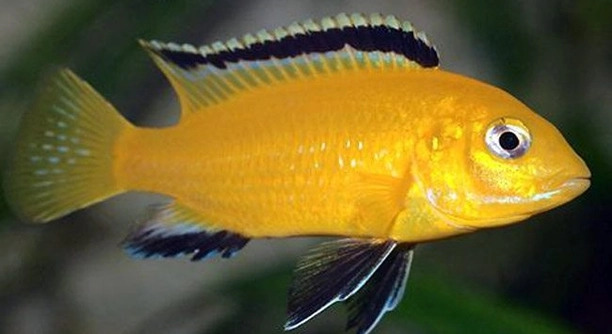
Cichlids are social fish that thrive in interactive environments, making their behavior and health sensitive to changes in their surroundings. Isolation can bring noticeable changes in their activity, feeding habits, and overall stress levels over a short period.
Seven days of isolation in cichlids leads to increased stress, reduced social interaction, and altered feeding behavior. Prolonged solitary conditions can impact their immune system, disrupt established hierarchies, and cause subtle changes in their swimming patterns and responsiveness.
Observing these shifts can help you better understand your cichlid’s natural behavior and ensure a healthier, more balanced tank environment over time.
Behavioral Changes During Isolation
When a cichlid is kept alone for seven days, their usual behaviors shift noticeably. Normally active fish may become lethargic, spending more time near hiding spots or at the bottom of the tank. They may reduce their usual interactions with objects, such as rocks or plants, and their curiosity about the environment can diminish. Feeding behavior often changes too. Some cichlids may eat less, showing reluctance or disinterest in food, while others might become more aggressive during feeding times. Stress can manifest in subtle ways, such as erratic swimming or flicking fins. Over time, these behavioral shifts can affect their overall well-being. Even after isolation ends, it can take days for a cichlid to readjust to normal social interactions. Observing these signs carefully helps in recognizing early stress indicators and adjusting care routines, ensuring the fish regains balance in its tank environment effectively.
Isolation can reduce social engagement, causing stress and temporary changes in feeding and swimming patterns in cichlids.
Noticing these early behavioral changes is important. Small adjustments, like reintroducing companions gradually or providing enrichment, can support recovery. Monitoring their activity helps maintain a healthier tank dynamic and prevents long-term stress-related problems.
Physical Impacts of Solitary Confinement
Isolation affects more than just behavior; physical health can also change. Stress hormones rise, potentially lowering immunity and increasing vulnerability to disease.
Seven days of solitude can lead to minor weight loss or changes in body condition, depending on the fish’s appetite and activity levels. Stress may also affect coloration, causing cichlids to appear duller than usual. Their swimming patterns can become more rigid or hesitant, as the lack of companions reduces stimulation. Over time, these physical effects can accumulate, making the fish less resilient to environmental changes or minor illnesses. Providing hiding spaces and maintaining optimal water conditions can help mitigate some of the negative effects. Once reintroduced to other fish, gradual socialization is important, as sudden interactions can provoke aggression or additional stress. Careful monitoring of both behavior and physical condition allows for timely interventions, ensuring the cichlid returns to a healthy, balanced state while maintaining natural activity levels.
Stress Responses in Isolated Cichlids
Isolation triggers noticeable stress responses in cichlids, including rapid breathing, fin clamping, and increased hiding. These signs indicate the fish is coping with an unfamiliar or uncomfortable environment.
Prolonged solitary conditions can elevate cortisol levels, weakening the immune system and making cichlids more prone to infections. Stress may also lead to disrupted sleep patterns, less frequent feeding, and reduced overall activity. Observing these changes early allows for adjustments, such as providing enrichment or gentle interaction, to reduce tension. Even after returning to a social tank, some cichlids may continue showing heightened alertness or temporary aggression, reflecting lingering stress from isolation.
Environmental enrichment can help mitigate stress, even during isolation. Adding plants, hiding spots, or visual stimulation encourages exploration and reduces the intensity of stress responses. Regular monitoring ensures that stress does not lead to long-term health problems.
Reintroducing Cichlids After Isolation
Gradual reintroduction prevents aggression and allows fish to adjust to their tank mates without additional stress. Slow steps help restore social balance.
After seven days alone, cichlids may behave unpredictably when reintroduced. Some fish become territorial, defending space more aggressively, while others may avoid interactions altogether. Observing behavior closely during the first hours is essential to prevent conflicts. Separating the tank with a divider initially allows visual contact without physical confrontation, reducing stress. Feeding together after initial acclimation encourages positive associations. Maintaining clean water, consistent temperature, and hiding places helps cichlids regain confidence and reduces the risk of injury or illness. Social routines can gradually normalize, with the fish returning to natural swimming and feeding patterns over time.
Patience during reintroduction is key. Monitoring interactions and intervening only when necessary ensures the tank remains balanced and stress is minimized for all fish involved.
Long-Term Behavioral Shifts
Isolation can leave lasting effects on cichlid behavior, including increased shyness or reluctance to explore. Some fish may become more defensive around tank mates, affecting group dynamics and interactions.
Even after returning to a social environment, certain cichlids show subtle changes in swimming patterns or feeding habits. Reduced curiosity or hesitation near other fish can persist for weeks. Monitoring these long-term adjustments helps ensure their behavior gradually returns to normal, supporting overall health and minimizing stress.
Tank Environment Adjustments
Adding plants, rocks, or shelters can ease the transition after isolation. These features offer security and reduce stress during reintroduction.
Careful placement of hiding spots and visual barriers allows fish to feel safe while observing others. Creating distinct territories can prevent early conflicts, letting cichlids regain confidence. Regular cleaning, consistent water parameters, and gentle feeding routines further support recovery.
Feeding Patterns After Isolation
Cichlids may show irregular feeding behavior post-isolation, either eating less or competing aggressively. Adjusting feeding frequency and portion sizes can help restore normal habits.
Observing Social Dynamics
Close observation of interactions is essential when reintroducing isolated cichlids. Early intervention prevents prolonged stress or aggression in the tank.
FAQ
How long does it take for a cichlid to recover from seven days of isolation?
Recovery varies depending on the individual fish and tank conditions. Most cichlids begin showing normal social behavior within a few days after reintroduction. However, some may take up to two weeks to fully readjust, especially if they were stressed or defensive during isolation. Gradual reintroduction and environmental enrichment can speed this process.
Will isolation affect a cichlid’s long-term health?
Short-term isolation generally does not cause permanent harm, but repeated or prolonged isolation can lead to stress-related issues. Chronic stress may weaken the immune system, reduce appetite, and cause subtle changes in behavior. Monitoring their health, providing hiding spots, and ensuring social interactions afterward help mitigate long-term effects.
What signs indicate that a cichlid is stressed from isolation?
Look for clamped fins, rapid breathing, erratic swimming, hiding more than usual, or reduced appetite. Color changes, such as duller patterns, are also common stress indicators. Early detection allows adjustments in care, like adding enrichment or monitoring interactions when returning the fish to the social tank.
Can isolation make cichlids aggressive?
Yes, isolation can increase territorial behavior or aggression when fish are reintroduced. Some cichlids may defend space more vigorously or chase tank mates. Using dividers initially or gradually allowing interactions helps reduce conflict and promotes smoother social reintegration.
Should I change feeding routines after isolation?
Adjusting feeding routines can help cichlids regain normal habits. Offer smaller, frequent meals to encourage eating and reduce competition. Observe how each fish responds, and ensure shy or stressed individuals are still getting adequate nutrition. Consistency in feeding helps reduce additional stress during recovery.
Does tank setup affect recovery from isolation?
Yes, the environment plays a major role. Plants, rocks, and hiding spots provide security and reduce stress. Clear swimming areas allow exploration while minimizing confrontation. Maintaining stable water parameters, temperature, and cleanliness also supports physical health and behavioral normalization.
Can isolation impact breeding behavior?
Isolation can temporarily delay or disrupt breeding behavior. Pairing or social cues may be affected, causing hesitation in courtship or spawning. Once fish are reintroduced and stress decreases, breeding behavior typically resumes, especially if tank conditions and companion interactions are optimal.
Is it safe to isolate cichlids frequently?
Frequent isolation is not recommended. Repeated solitary periods can increase stress, weaken immunity, and cause lasting behavioral changes. Occasional isolation for specific reasons, like illness or aggression management, is acceptable if carefully monitored and kept brief.
How do I know if my cichlid has fully readjusted?
Full readjustment is indicated by normal social behavior, regular feeding, consistent swimming patterns, and restored coloration. Fish should interact with tank mates without excessive aggression or avoidance. Observing over a week or more helps confirm that stress-related behaviors have subsided.
Can I prevent stress during unavoidable isolation?
Yes, providing hiding spots, maintaining stable water conditions, and offering visual barriers can reduce stress. Gradual reintroduction afterward, consistent feeding, and monitoring interactions ensure the fish remains healthy and adjusts smoothly.
What if my cichlid shows aggression even after recovery?
Persistent aggression may be linked to personality or territory needs rather than isolation alone. Adjusting tank layout, providing more space, or temporarily separating the most aggressive individuals can restore balance and prevent injuries.
Are there signs that isolation has permanently affected a cichlid?
Permanent effects are rare but may include chronic shyness, persistent hiding, or reduced coloration. Careful observation and environmental support can often help the fish adapt, though some behavioral quirks may remain.
Does water quality affect recovery after isolation?
Absolutely. Clean, well-oxygenated water with stable parameters supports immune function and reduces stress. Poor water quality can exacerbate health issues and slow behavioral normalization after solitary confinement. Monitoring ammonia, nitrites, and temperature is essential.
How can I make reintroduction smoother?
Gradual steps work best. Using dividers to allow visual contact first, introducing companions slowly, and observing interactions reduces conflict. Providing multiple hiding spots and consistent feeding ensures each fish feels secure, helping the tank return to normal quickly.
Can isolation affect how cichlids interact with other species?
Yes, isolation may cause hesitation or increased caution when interacting with other species. Some fish may become more territorial or shy. Gradual exposure and a well-structured environment help them regain confidence without provoking stress or aggression.
How do I monitor subtle stress signs?
Pay attention to small changes in swimming patterns, fin position, coloration, appetite, and social engagement. Even minor deviations can indicate stress. Early observation allows timely interventions to prevent more serious health or behavioral issues.
Is it necessary to separate aggressive individuals during reintroduction?
Sometimes separation is necessary. Using temporary dividers or alternate tank sections can prevent injury and reduce tension. Observing behavior daily helps decide when fish can safely interact, ensuring a smoother reintegration process.
Can isolation affect cichlid growth?
Short-term isolation generally does not impact growth significantly. Extended stress or reduced feeding during isolation could slow growth slightly, but proper nutrition and enriched environments after reintroduction restore normal development.
Do cichlids remember isolation experiences?
Cichlids can retain memories of stressful situations. Some may remain cautious or avoidant of certain tank areas or companions temporarily. Positive reinforcement, environmental enrichment, and patience help them overcome lingering stress and resume natural behaviors.
What is the best way to minimize stress for a future isolation?
Plan ahead by providing hiding spaces, stable water conditions, and visual barriers. Keep the isolation period short and monitor feeding closely. Preparing the tank for gradual reintroduction afterward ensures the fish remains healthy and behaviorally balanced.
How important is social interaction for cichlids?
Social interaction is vital for cichlids’ mental and physical health. It stimulates natural behaviors, reduces stress, and maintains normal feeding and activity patterns. Even short-term isolation highlights how essential companions are for a balanced and healthy aquarium environment.
Final Thoughts
Isolation, even for just seven days, can have a noticeable effect on cichlids. These fish are naturally social creatures, and being separated from their tank mates changes their behavior, feeding habits, and stress levels. While short periods of isolation are sometimes necessary, such as for treating illness or managing aggression, it is clear that solitude is not ideal for their overall well-being. Even a week alone can lead to temporary lethargy, reduced curiosity, and more cautious swimming patterns. Observing these changes helps us understand the delicate balance of their social environment and the importance of interaction for maintaining normal behaviors.
Physical effects of isolation should not be underestimated. Stress can impact immune function, making cichlids more susceptible to disease, and may even alter coloration or appetite temporarily. It is common to notice fish hiding more, clamping fins, or eating less during solitary periods. Tank setup and environmental enrichment can make a significant difference. Providing plants, rocks, and hiding spots gives them a sense of security and encourages exploration, even when alone. When they are reintroduced to other fish, these environmental supports help reduce aggression and promote smoother social interactions. Gradual reintroduction, close observation, and consistent feeding routines are key to helping fish readjust successfully and regain confidence in their surroundings.
Long-term observations indicate that most cichlids recover well if proper care is provided before, during, and after isolation. Behavioral shifts, such as increased defensiveness or shyness, usually fade over time as fish readjust to social life. Stress responses like rapid breathing or erratic swimming diminish once normal routines are restored. While some subtle personality changes may remain, careful monitoring, attention to tank conditions, and patience in reintroducing companions ensure that these fish return to healthy, balanced behavior. Understanding the effects of even short-term isolation allows aquarists to provide better care, minimize stress, and maintain a supportive environment that promotes the health and happiness of their cichlids.

Hello,
If you enjoy the content that we create, please consider saying a "Thank You!" by leaving a tip.
Every little bit helps us continue crafting quality advice that supports the health, happiness, and well-being of pets around the world, for pets of all shapes, sizes, and species.
We really appreciate the kindness and support that you show us!