
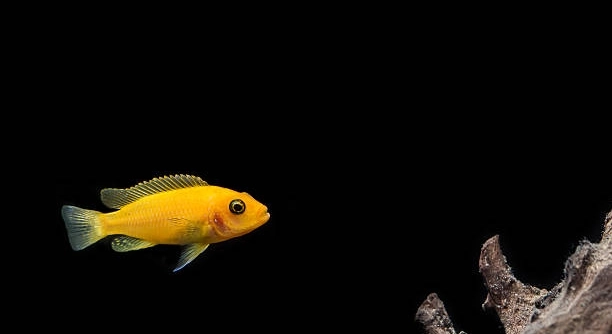
Are your electric yellow cichlids looking a little dull lately? Many hobbyists notice their vibrant fish lose some of their natural color over time. Proper care and attention can help bring back that striking yellow glow.
Enhancing the color of electric yellow cichlids involves providing a balanced diet, maintaining optimal water quality, and reducing stress in the tank. These practices stimulate natural pigmentation, promote overall health, and ensure the fish display their brightest hues consistently.
Understanding simple daily practices can make a big difference in your fish’s appearance. Small changes in feeding and tank care often yield noticeable improvements in color intensity.
Provide a High-Quality Diet
A high-quality diet is essential for brightening the color of electric yellow cichlids. They need a mix of protein-rich foods and natural color enhancers. Live or frozen foods like brine shrimp and bloodworms help maintain vibrancy while supporting growth. Supplementing with vegetable matter like spirulina or finely chopped spinach gives them extra nutrients that promote yellow pigmentation. Avoid overfeeding, as excess food can foul the water and stress the fish, which dulls their colors. Offering small, frequent meals ensures proper digestion and consistent nutrient absorption. Using high-quality commercial cichlid pellets or flakes formulated for color enhancement provides a balanced diet without relying solely on live foods. Variety is important; alternating between protein, plant-based, and specialized color foods ensures they receive all necessary vitamins and minerals. Observing your fish during feeding can help identify preferences and prevent bullying or competition in the tank. A proper diet directly reflects in brighter, healthier coloration.
Providing a balanced diet keeps your cichlids active and their colors vivid. Healthy meals make a noticeable difference in their appearance.
Diet impacts more than just color. Fish that eat well are more energetic, display stronger behaviors, and are less prone to disease. Foods rich in carotenoids, like shrimp or spirulina, are converted in the fish’s body to pigments that intensify yellow shades. Including a mix of protein and plant matter helps maintain body condition and overall health. Over time, consistent nutrition leads to deeper, more uniform coloration across all individuals. Monitoring food intake and adjusting portions prevents stress-related fading and water quality issues. Some cichlids may need more live foods to thrive, while others respond well to high-quality flakes and pellets. Rotating food types weekly keeps their diet interesting and supports optimal growth. Even small improvements in feeding routines can produce visible changes in vibrancy within weeks. Proper diet works best alongside clean water and a stable environment.
Maintain Optimal Water Conditions
Clean water is critical for electric yellow cichlids to show their best color. Regular water changes, proper filtration, and monitoring pH and temperature prevent stress and promote bright pigmentation.
Stable water parameters help fish display vivid colors consistently. Stress from poor water quality directly dulls their appearance.
Maintaining optimal water conditions is more than just keeping the tank visually clean. Temperature should remain consistent between 24–28°C (75–82°F), and pH around 7.5–8.5 for ideal cichlid health. Ammonia, nitrite, and nitrate levels need to be checked frequently, as elevated toxins reduce color intensity and can harm overall health. Filtration should match tank size and bio-load, with occasional media cleaning to prevent clogging. Regular partial water changes of 20–30% weekly remove waste, replenish minerals, and reduce stress. Stress-free fish are more likely to display brighter colors, while unstable conditions lead to pale or patchy pigmentation. Adding decorations or hiding spots can help fish feel secure and reduce stress-related fading. Maintaining clean, stable water creates a foundation for color enhancement, allowing dietary improvements and environmental enrichment to work effectively together.
Reduce Stress in the Tank
Stress directly affects color intensity in electric yellow cichlids. Minimizing aggressive tank mates, overcrowding, and sudden changes helps them maintain bright, healthy coloration.
Stress can cause fish to hide, lose appetite, or display dull colors. Providing adequate space, compatible tank mates, and consistent feeding schedules reduces tension. Decorations and hiding spots give them security and improve overall comfort. Avoid sudden water changes or rapid temperature shifts, as these can trigger stress responses. Observing behavior daily allows adjustments to the environment before stress affects health. A calm, stable tank promotes both vibrant coloration and active behavior, making your cichlids look their best consistently.
Grouping similar-sized fish reduces competition and fighting, which can quickly fade color. Keeping the tank peaceful and stable encourages natural behaviors and helps your cichlids thrive.
Maintaining low-stress conditions is essential for color expression. Overcrowded tanks increase aggression, which forces subordinate fish to retreat and hide, limiting exposure to light and making colors appear muted. Using proper filtration reduces harmful compounds that heighten stress. Regular routines for feeding and water maintenance create predictability, helping fish feel secure. Providing visual barriers like plants or rocks allows shy or smaller fish to establish territory without constant confrontation. Even minor stressors, like sudden loud noises near the tank, can cause temporary fading. Consistent, calm care over weeks strengthens resilience, improves coloration, and supports overall health.
Use Proper Lighting
Appropriate lighting enhances the natural yellow tones in electric yellow cichlids. Full-spectrum LED or fluorescent lights mimic natural sunlight and highlight their colors effectively.
Lighting influences both behavior and appearance. Proper intensity and duration help fish display brighter hues and maintain normal activity patterns.
Lighting affects fish physiology and pigmentation. A consistent day-night cycle of around 10–12 hours of light promotes natural behavior and feeding rhythms. Too much light can cause stress or algae overgrowth, while too little makes colors appear muted. Positioning the light to avoid harsh glare and balancing brightness ensures all areas of the tank receive adequate illumination. Colored or specialized aquarium lights can intensify yellow tones, but should complement natural hues rather than overpower them. Observing the fish under different lighting conditions helps determine the most flattering setup. Maintaining a reliable light schedule supports both health and vibrant coloration over time.
Avoid Overcrowding
Overcrowding reduces color intensity in electric yellow cichlids. Providing enough space allows fish to establish territories and reduces stress, which helps them maintain their bright yellow hues.
Too many fish in one tank increase aggression and competition for food. Less stress equals more vivid coloration over time.
Maintain Consistent Water Temperature
Stable water temperature is crucial for healthy coloration. Fluctuations can stress the fish and make their colors appear dull or uneven. Maintaining a consistent temperature ensures proper metabolism and pigment development.
Use Mineral Supplements
Mineral supplements like calcium and magnesium support vibrant coloration. These minerals strengthen scales and improve overall health, which directly impacts color expression. Regular supplementation in small amounts keeps fish bright and healthy.
FAQ
How often should I feed my electric yellow cichlids?
Feeding small amounts two to three times a day works best. Overfeeding can pollute the water and stress the fish, which dulls their color. A mix of protein-rich foods and plant matter ensures proper nutrition and pigment development.
What foods enhance yellow coloration the most?
Foods rich in carotenoids, like shrimp, krill, and spirulina, naturally enhance yellow pigments. Including high-quality cichlid pellets or flakes formulated for color support ensures a balanced diet. Rotating foods weekly keeps nutrition varied and effective.
How important is water quality for color?
Water quality is critical. High ammonia, nitrite, or nitrate levels stress fish and reduce color intensity. Consistent partial water changes, proper filtration, and monitoring pH and temperature maintain a healthy environment and vibrant pigmentation.
Can tank mates affect coloration?
Yes. Aggressive or overly active tank mates increase stress, which can make colors fade. Keeping compatible fish and providing hiding spots reduces stress and promotes brighter, consistent color display.
Does lighting really make a difference?
Proper lighting highlights natural pigments. Full-spectrum LED or fluorescent lights with a 10–12 hour day-night cycle encourage healthy behavior and color expression. Avoid harsh glare or excessive light to prevent stress and algae growth.
How does stress affect electric yellow cichlids?
Stress can come from overcrowding, sudden water changes, or aggressive tank mates. Stressed fish may hide, lose appetite, and display dull colors. Reducing stress with consistent care and a stable environment allows them to show their brightest yellows.
Are supplements necessary for color enhancement?
Mineral supplements like calcium and magnesium support scale health and pigment expression. Small, regular doses help maintain vibrant coloration, but over-supplementing can harm water quality. Combine supplements with a balanced diet for the best results.
How long does it take to see color improvement?
Visible changes usually appear within a few weeks of consistent care. Proper diet, stable water, stress reduction, and good lighting all work together to gradually enhance yellow intensity. Patience and observation are key to long-term results.
Can temperature fluctuations fade color?
Yes. Sudden or frequent temperature changes stress fish and slow metabolism, leading to duller color. Maintaining a consistent temperature between 24–28°C (75–82°F) supports healthy pigment development and overall vitality.
Should I separate fish showing signs of stress or illness?
Separating stressed or sick fish prevents aggression and allows recovery. Stress-free conditions improve appetite, immunity, and coloration. Quarantining new or ill fish also protects the main tank from potential disease outbreaks.
Do decorations affect color visibility?
Yes. Bright or reflective backgrounds can make yellow tones appear more vivid. Plants, rocks, and hiding spots reduce stress while also creating natural contrasts that enhance visual color impact.
Can genetics limit how bright a fish can get?
Genetics set the baseline for color potential. Even with perfect care, some fish naturally show less intense yellow. Focus on providing optimal conditions to reach their full genetic color potential.
How often should I test my water parameters?
Weekly testing is recommended for pH, ammonia, nitrite, and nitrate levels. Frequent checks help catch issues early, preventing stress-related fading and maintaining a healthy environment for vivid coloration.
Are live foods better than pellets for color?
Live foods like brine shrimp or bloodworms are excellent for pigment development, but high-quality color-enhancing pellets provide consistent nutrition. A mix of both ensures proper diet, promotes health, and keeps yellow tones vibrant.
Is overcrowding a serious issue for color?
Overcrowding increases aggression and stress, directly dulling color. Providing enough space for territory and social balance reduces tension, allowing each fish to maintain its brightest natural hues.
Can water changes alone improve color?
Regular water changes support overall health and reduce stress, indirectly enhancing coloration. Combined with diet, lighting, and stable tank conditions, consistent maintenance produces noticeable improvement in vibrancy over time.
Do electric yellow cichlids lose color as they age?
Some fading occurs naturally with age, but proper nutrition, stable water, and low stress can slow the process. Older fish may still display strong yellow tones if conditions remain optimal.
How can I tell if my fish is stressed?
Signs include hiding, reduced appetite, rapid breathing, or faded color. Observing behavior and adjusting tank conditions quickly can prevent long-term health or color issues.
Are there specific plants that enhance yellow color?
Plants with darker green or red leaves create contrast, making yellow tones stand out. Live plants also provide shelter, reducing stress and promoting brighter coloration naturally.
Does tank size matter for color?
Yes. Larger tanks reduce stress, provide space to establish territories, and allow better water stability. A well-sized tank helps fish display optimal behavior and vibrant yellow hues consistently.
Can supplements alone make fish brighter?
Supplements support pigmentation but cannot replace a balanced diet, proper lighting, and stable water. Combined with good care, they help achieve maximum color potential.
How long should lights stay on each day?
A consistent 10–12 hour light cycle mimics natural conditions, encouraging healthy behavior and pigment development. Sudden changes or excessive lighting can stress fish and reduce visible color intensity.
Is it necessary to remove algae for better color?
Excessive algae reduces light penetration and can stress fish. Regular cleaning maintains a healthy environment and allows colors to appear more vivid under proper lighting.
Can aggressive feeding schedules harm color?
Yes. Overfeeding leads to poor water quality, which stresses fish and dulls color. Small, controlled meals throughout the day ensure proper nutrition without harming the tank environment.
Do hiding spots really improve coloration?
Providing rocks, plants, or caves reduces stress by giving fish secure spaces. Less stress allows natural pigments to express fully, resulting in brighter, more consistent yellow tones.
How often should I rotate food types?
Weekly rotation between live, frozen, and high-quality pellet foods ensures varied nutrients. Consistent variety prevents deficiencies and promotes strong pigment expression over time.
Can tank decorations impact stress levels?
Yes. Well-placed decorations reduce visibility from aggressive fish and provide secure spaces. Lower stress levels lead to more vibrant color and healthier overall behavior.
Are there signs of pigment loss besides fading?
Patchy color, pale fins, or dull belly areas indicate stress, poor diet, or water issues. Addressing underlying conditions helps restore uniform yellow coloration.
Is it normal for color to fluctuate daily?
Slight daily changes are normal due to mood, lighting, and activity. Persistent fading indicates diet, water, or stress issues that should be addressed for consistent vibrancy.
Can pH swings affect coloration?
Yes. Large or frequent pH changes stress fish and can make yellow tones appear muted. Maintaining a stable pH around 7.5–8.5 supports optimal pigment expression and health.
Do temperature adjustments for breeding affect color?
Short-term changes may temporarily dull color, but stable recovery conditions restore brightness. Consistent temperatures outside breeding periods help maintain vivid yellow hues.
Is it okay to mix electric yellow cichlids with other cichlid species?
Compatible species reduce aggression risk. Aggressive or dominant tank mates cause stress, leading to faded coloration. Choose species with similar temperaments and provide ample space and hiding spots to maintain bright color.
How does tank cleanliness relate to pigment intensity?
Clean tanks reduce toxins, prevent stress, and encourage healthy behavior. Less stress allows natural pigments to show fully, keeping yellow cichlids bright and vibrant consistently.
Can water hardness influence coloration?
Yes. Proper mineral levels support pigment production and scale health. Soft or mineral-deficient water may reduce color intensity, while balanced hardness enhances yellow tones naturally.
Should I observe fish daily for color changes?
Daily observation helps catch stress, disease, or fading early. Quick adjustments in diet, water, or environment prevent prolonged color loss and maintain overall health.
Does stress affect male and female fish differently?
Males often show more vivid coloration but may be more aggressive, while females may hide or lose color under stress. Maintaining a calm tank supports both sexes equally in displaying their natural yellow tones.
Are there long-term strategies to keep color bright?
Consistent diet, stable water, stress reduction, proper lighting, and regular observation all contribute to long-term vibrancy. Routine care is more effective than quick fixes for sustaining bright yellow pigmentation over time.
Can seasonal changes affect electric yellow cichlids?
Yes. Temperature and light shifts may influence behavior and pigmentation. Maintaining stable indoor conditions minimizes seasonal impact, allowing consistent color expression year-round.
How do I balance diet, lighting, and water care together?
A combination of high-quality foods, proper lighting, regular water maintenance, and stress reduction works synergistically. Each factor supports the others, creating ideal conditions for vivid, healthy yellow coloration in electric yellow cichlids.
Final Thoughts
Maintaining vibrant color in electric yellow cichlids is not about a single trick or secret. It requires consistent attention to diet, water quality, and overall tank conditions. These fish are naturally bright, but their coloration depends heavily on their environment and care. A balanced diet that includes protein, plant matter, and color-enhancing foods ensures that their natural pigments develop fully. Live foods like brine shrimp or bloodworms provide essential nutrients, while high-quality flakes or pellets maintain daily nutrition. Rotating foods helps prevent deficiencies and keeps the fish healthy. Overfeeding can be harmful, so portion control and regular feeding schedules are important. Healthy fish are active, display stronger behavior, and show their colors more vividly, while neglecting nutrition can quickly make them look dull and lifeless.
Water conditions play an equally critical role in color enhancement. Clean, stable water supports healthy metabolism and reduces stress, both of which directly affect pigmentation. Regular testing for pH, ammonia, nitrites, and nitrates, along with partial water changes, ensures a safe and consistent environment. Temperature stability is also important, as fluctuations can stress fish and reduce color intensity. Proper filtration and adequate tank size help maintain water quality and prevent overcrowding, which can lead to aggressive behavior and fading coloration. Decorations, plants, and hiding spots create secure spaces that allow fish to feel comfortable and reduce stress. Calm and consistent tank conditions allow electric yellow cichlids to maintain their natural vibrancy and display normal behavior without fear or tension.
Lighting and overall environmental care further support bright coloration. Full-spectrum LED or fluorescent lights, with a consistent day-night cycle, highlight natural pigments and promote healthy activity patterns. Stress reduction from compatible tank mates, adequate territory, and consistent routines ensures that fish are not constantly hiding or overexerting themselves. Mineral supplements like calcium and magnesium can strengthen scales and improve pigment expression when used appropriately. Observing the fish regularly allows adjustments to diet, tank conditions, or lighting before problems escalate. Achieving vivid, healthy coloration is a gradual process that combines several factors working together. With patience, consistency, and careful attention to all aspects of care, electric yellow cichlids can display their full color potential and remain strong, active, and visually striking in the aquarium for years.

Hello,
If you enjoy the content that we create, please consider saying a "Thank You!" by leaving a tip.
Every little bit helps us continue crafting quality advice that supports the health, happiness, and well-being of pets around the world, for pets of all shapes, sizes, and species.
We really appreciate the kindness and support that you show us!