
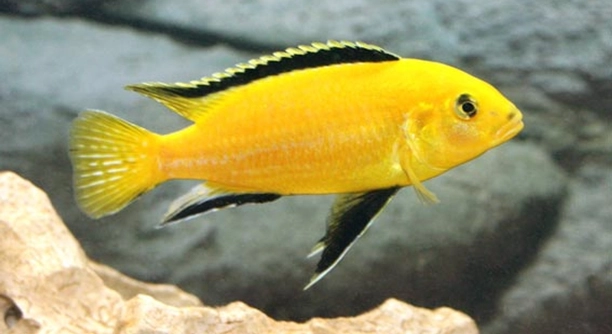
Electric Yellow Cichlids are striking fish that brighten any aquarium with their vibrant color. Their behavior changes noticeably when the lights turn on, revealing patterns that many aquarists find both fascinating and insightful.
In the first seven minutes of light, Electric Yellow Cichlids exhibit a series of routine behaviors including exploring their environment, foraging for food, establishing minor territorial boundaries, and interacting with tank mates in a calm yet active manner. These actions help maintain social structure and overall well-being.
Observing these early movements can provide valuable insights into their health, habits, and interactions within the aquarium community. Paying attention during this short window offers a unique glimpse into their daily life.
Morning Exploration and Movement
As the lights come on, Electric Yellow Cichlids immediately become active. They swim across the tank, inspecting corners and decorations with careful curiosity. This initial exploration helps them reorient themselves after the darkness, ensuring they are aware of their surroundings. Many will pause briefly near hiding spots, glancing at nearby tank mates to gauge activity. This period is critical for their comfort and safety. You may notice some gentle nudging of substrate or rocks, which is a natural behavior linked to searching for potential food or marking space. Their fins spread slightly as they maneuver, giving them a confident appearance. This movement is consistent among healthy cichlids and indicates alertness. Observing this pattern helps you understand their temperament and social dynamics. Even subtle gestures, like a flick of a tail or a turn in place, carry meaning, signaling readiness for the day ahead. Early light activity sets the tone for their interactions and feeding schedule.
This initial movement phase lasts a few minutes but is full of purposeful activity.
Watching these moments shows how they adapt to light and begin establishing their daily routines naturally.
Feeding and Social Interactions
Electric Yellow Cichlids begin foraging soon after the lights turn on.
They search for food with deliberate, focused motions, inspecting the substrate and decorations carefully. During this time, minor displays of dominance or social interactions may appear, such as gentle chasing or posturing. These behaviors maintain hierarchy and reduce future conflicts. Feeding behavior also encourages natural instincts, supporting health and growth. Some fish may approach the front of the tank eagerly, while others linger near shelters, observing before joining the group. Consistency in these behaviors can indicate overall well-being, while changes may signal stress or illness. Offering food at this early stage aligns with their natural activity patterns. Over time, observing these interactions gives insight into both individual personalities and social dynamics. They communicate subtly with body language and positioning, ensuring balance in the aquarium.
Regular observation helps reinforce proper feeding routines while allowing you to monitor their social health and behavior closely.
Territorial Behavior
Electric Yellow Cichlids often assert minor territorial claims early in the day. They circle specific areas, nudge objects, or position themselves near favored spots. These actions help prevent conflicts later and keep their environment organized.
This behavior becomes noticeable after initial exploration. Fish may hover near rocks, caves, or decorations, using subtle gestures like flaring fins or adjusting posture to communicate dominance without escalating fights. These small displays help them establish boundaries and maintain a peaceful tank environment. Observing these actions over several days shows patterns, revealing which areas each fish prefers and how they interact with neighbors. Territorial behavior is normal and healthy, reflecting their instincts to protect space and resources. When left undisturbed, cichlids generally respect each other’s zones while maintaining social order.
Monitoring these patterns allows better tank arrangement. Providing enough space and hiding spots ensures they feel secure and reduces tension during early activity.
Early Social Dynamics
Fish often interact in brief, structured exchanges shortly after lights come on.
Some may follow each other, swim side by side, or briefly chase one another around the tank. These interactions are mostly non-aggressive and help them reinforce social hierarchy. Observing these behaviors can provide insights into group dynamics and individual personalities.
During this period, dominant individuals subtly influence others’ movements, while more reserved fish adjust their position or behavior to avoid conflict. These early exchanges contribute to overall harmony and help prevent more serious disputes later in the day. Social positioning, along with slight gestures like fin flares or nips at the substrate, communicates status without creating lasting stress. Over time, watching these dynamics reveals how personalities shape interactions and the balance between assertive and passive fish. Consistent patterns of movement and engagement indicate a stable and well-adjusted aquarium environment.
Resting and Pausing
After initial activity, Electric Yellow Cichlids often pause near preferred spots. They may hover near rocks or decorations, using this time to assess surroundings. Short rests help them regain energy and maintain awareness of nearby tank mates.
During these brief pauses, fish adjust fins and body position slightly. This calm behavior is normal and signals that they are comfortable with their environment. Observing these moments can help identify preferred resting areas and understand individual behavior patterns within the group.
Substrate Interaction
Cichlids often interact with the substrate in early light. They dig, move small rocks, or sift through sand. This behavior is linked to foraging instincts and territorial marking. It also helps keep the tank floor aerated and clean, promoting a healthy environment.
Quick Movement Patterns
Fish display sudden bursts of speed across short distances. These quick movements may follow a brief pause or interaction. They serve as exercise, play, and environmental assessment, keeping the fish agile and alert in their surroundings.
FAQ
Why do Electric Yellow Cichlids move so quickly in the first minutes of light?
They move quickly as a natural response to illumination. This initial burst helps them orient themselves, check for food, and assess their surroundings. Fast movements are also part of their instinct to assert territory and evaluate tank mates without engaging in prolonged conflict.
Do they always explore the same areas of the tank?
Often, yes. Many cichlids develop preferred spots for resting, foraging, or establishing minor territory. Consistent exploration helps them feel secure and reinforces social boundaries. Some variation occurs, but favorite areas usually remain stable over time.
Why do some cichlids pause near rocks or decorations?
Pausing is a form of short-term rest and observation. It allows them to monitor surroundings and interact with neighbors cautiously. This behavior also supports energy conservation during active periods and reduces stress in a new or crowded tank environment.
Is substrate interaction normal behavior in the morning?
Absolutely. Sifting, digging, or moving small rocks is natural for Electric Yellow Cichlids. It mimics foraging behavior seen in the wild, helps maintain territory, and aerates the substrate. Consistent substrate interaction is a sign of healthy, active fish.
Why do they sometimes chase or follow each other early in the day?
Early chasing is part of social hierarchy reinforcement. These short interactions establish dominance and reduce later conflicts. Most chasing is brief and non-aggressive, and it allows dominant fish to communicate status while subordinate fish adjust their positions calmly.
How can I tell if early morning behavior indicates stress?
Signs of stress include hiding constantly, erratic swimming, loss of color, or refusal to explore. Healthy cichlids typically show a mix of exploration, social interaction, and substrate activity. Sudden changes in patterns may indicate environmental issues, water quality problems, or illness.
Do they eat immediately when the lights turn on?
Not always. Some fish wait a few minutes while others begin inspecting the tank for food sources. Their behavior is influenced by social ranking, personality, and feeding routines. Observing them over several days helps understand individual feeding patterns.
Why do some cichlids seem more active than others?
Individual temperament and social status influence activity. Dominant or confident fish often move more and assert territory, while shy fish may take longer to leave hiding spots. Both patterns are normal and reflect their natural social dynamics.
Can observing early light behavior improve aquarium care?
Yes. Watching the first minutes after lights come on helps identify preferences, social structure, and potential health issues. Adjusting tank layout, providing hiding spots, and feeding at consistent times can improve well-being and reduce stress in the group.
Do they interact with decorations differently than the substrate?
Yes. Decorations are often used for resting, brief hiding, or minor displays of dominance. The substrate is primarily for foraging and sifting behavior. Understanding the difference helps in arranging the tank to accommodate natural instincts and social needs.
How long does early morning activity typically last?
The most noticeable activity usually occurs in the first seven to ten minutes after lights turn on. After this, movement slows as fish settle into regular routines, feed, and interact more calmly. Regular observation ensures these patterns remain healthy.
Is it normal for some fish to ignore others during this time?
Yes. Some fish prefer to explore alone or remain near shelters. Individual differences in temperament are normal and contribute to balanced social dynamics. As long as there is no aggressive behavior or stress, this is typical morning behavior.
Can early morning behavior predict overall health?
Observing activity, exploration, social interactions, and substrate engagement gives insight into fish health. Consistent, balanced patterns suggest healthy, comfortable fish, while sudden changes or reduced activity may indicate issues requiring attention.
Should feeding times be adjusted based on morning behavior?
Yes. Aligning feeding with natural activity encourages proper intake and reduces stress. Providing food after the initial exploration and interaction phase matches their instincts and supports healthy digestion and energy levels.
Do these behaviors change with tank size or setup?
Behavior can vary based on space, hiding spots, and layout. Larger tanks may encourage more exploration, while smaller or sparsely decorated tanks may increase territorial displays. Adjusting the environment to match natural instincts promotes stability and reduces conflicts.
What role does light intensity play in morning behavior?
Light intensity affects how quickly cichlids become active. Gradual lighting or moderate brightness often results in calmer exploration, while sudden, bright light may trigger rapid movement or stress responses. Choosing proper lighting supports natural routines.
Can observing these behaviors help with breeding or pairing?
Yes. Monitoring social interactions, dominance displays, and preferred spots early in the day helps identify compatible pairs and assess readiness for breeding. Understanding early activity patterns improves planning and tank management for reproductive success.
Is it normal for cichlids to repeat the same actions daily?
Yes. Repetition of exploration, substrate interaction, and social behaviors is normal. Routine provides structure, reinforces social hierarchy, and maintains physical and mental stimulation. Consistent patterns indicate a stable, well-adjusted aquarium environment.
How can I encourage natural early morning behavior?
Providing hiding spots, varied substrate, and a stable feeding schedule supports natural routines. Minimal disturbances during the first minutes of light allow cichlids to explore, interact, and forage naturally, promoting comfort and reducing stress.
What should I do if a fish seems inactive in the first minutes?
Monitor for consistent inactivity or unusual behavior. Occasional slower starts are normal, but prolonged inactivity, hiding, or loss of color may require water quality checks, temperature adjustments, or veterinary consultation to ensure fish health.
Electric Yellow Cichlids are fascinating fish to observe, especially in the first few minutes after the lights turn on. Their early morning behavior is a mix of exploration, social interaction, and substrate activity. Watching them during this short period reveals a lot about their natural instincts and individual personalities. These behaviors are not random but follow consistent patterns that help maintain order within the aquarium. Movement across the tank allows them to assess their surroundings and ensures they are aware of potential threats or changes in the environment. Their pauses near rocks or decorations are also meaningful, as they give the fish a chance to rest and evaluate nearby tank mates. This combination of activity and rest shows a balance that supports both physical health and mental well-being.
Observing these behaviors also provides insight into their social structure. Dominant fish often display subtle gestures to assert territory, while more passive fish adjust their movements to maintain harmony. These interactions are brief and non-aggressive in most cases, helping reduce potential conflict throughout the day. The early morning period is when hierarchy and social order are reinforced naturally. Substrate interaction, such as digging or sifting sand, is another important aspect of their daily routine. It reflects foraging instincts and keeps the tank environment healthy. By paying attention to these small actions, you can understand how each fish prefers to use its space and how they coexist with others in the tank.
Maintaining a proper environment is essential for supporting these natural behaviors. Providing hiding spots, varied substrate, and consistent lighting helps cichlids feel secure and encourages healthy activity. Feeding at a time that aligns with their natural routines also promotes optimal energy levels and reduces stress. Observing their first minutes of light can be a useful tool for assessing overall health and well-being. Changes in activity, interaction, or substrate behavior can indicate issues that may require attention. Overall, the early morning behavior of Electric Yellow Cichlids offers a window into their instincts, social dynamics, and daily rhythms, providing valuable information to help ensure they thrive in a well-maintained aquarium.

Hello,
If you enjoy the content that we create, please consider saying a "Thank You!" by leaving a tip.
Every little bit helps us continue crafting quality advice that supports the health, happiness, and well-being of pets around the world, for pets of all shapes, sizes, and species.
We really appreciate the kindness and support that you show us!