
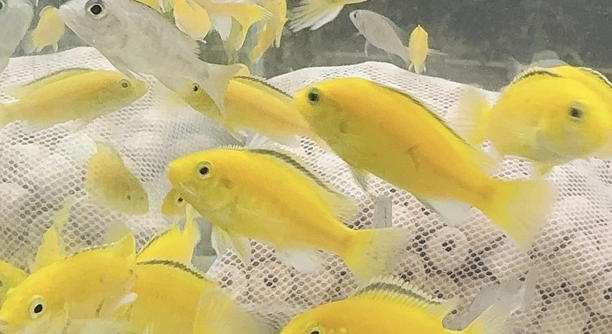
Have you noticed your electric yellow cichlids spending more time near the heater than swimming freely around the tank? It can be surprising to see them cluster in one warm area for extended periods.
Electric yellow cichlids often stay near the heater because they seek stable water temperatures. Maintaining warmth supports their metabolism, digestion, and immune system. Additionally, warmer water can reduce stress and simulate natural tropical conditions that these fish thrive in.
Observing this behavior can reveal important details about your tank setup and the overall health of your fish. Understanding the reasons behind it helps maintain a comfortable environment for them.
Preference for Warmer Water
Electric yellow cichlids naturally come from tropical lakes where water temperatures remain consistent and warm. In a home aquarium, they instinctively seek out areas that replicate these conditions. The heater creates a steady environment, which is especially comforting when the rest of the tank fluctuates in temperature. Warmer water helps their metabolism run smoothly, allowing them to digest food efficiently and stay active. Young or weaker fish may cluster near the heater more often because they cannot regulate their body functions as effectively. Even in a well-regulated tank, small temperature shifts in certain areas can make the heater zone the most appealing spot. This behavior is entirely normal and shows the fish are responding to their environment. It is important for owners to ensure that the rest of the tank’s temperature is also stable, so fish do not become dependent on one area, promoting even swimming and exploration throughout the tank.
Warm water zones keep cichlids calmer and more active, giving them a sense of safety.
Electric yellow cichlids are highly responsive to their surroundings, and warmth directly affects their behavior. When water temperature is lower in parts of the tank, the fish tend to avoid those areas. The heater not only provides heat but also encourages them to stay in a stable zone where they can swim comfortably without sudden temperature shocks. Over time, this creates a pattern where the fish frequently congregate near the heat source. Observing them here is not a sign of distress but a natural response to their needs. Proper placement of the heater ensures that the temperature remains even and accessible, allowing all fish in the tank to benefit. Regularly checking water temperature with a reliable thermometer helps maintain ideal conditions and prevents unnecessary clustering in one spot, promoting a healthy, balanced tank environment for every fish.
Low Stress Environment
Electric yellow cichlids feel more secure in warmer areas, which reduce stress and agitation.
Stress in fish can cause erratic swimming, loss of appetite, and weakened immunity. The heater creates a predictable zone that helps them feel safe, especially in tanks with multiple fish or decorations that may cast shadows. Warmer water promotes relaxation, allowing cichlids to interact more calmly with tank mates. Stress reduction also lowers the risk of illness and supports natural behaviors such as feeding and breeding. Owners who notice their fish spending extended time near the heater should consider tank layout and hiding spots, ensuring every part of the aquarium is comfortable. Maintaining consistent temperatures across the tank encourages cichlids to explore rather than remain clustered. Observing their patterns helps identify potential stressors, such as aggressive tank mates or rapid temperature changes, enabling you to make adjustments for a healthier environment. Creating a low-stress habitat ensures that electric yellow cichlids can thrive, displaying vibrant colors and natural activity.
Metabolism Support
Warmer water speeds up electric yellow cichlids’ metabolism, helping them digest food efficiently and maintain energy. Staying near the heater ensures their bodies operate optimally, especially after feeding.
Temperature affects the rate at which cichlids process nutrients. In cooler areas, digestion slows, which can cause discomfort or lethargy. By remaining close to the heater, they maintain a steady metabolic rate, which supports growth and overall health. Fish that are young or recently acclimated benefit the most from this consistent warmth. Over time, this behavior becomes routine, with the heater zone serving as their preferred spot for both rest and activity.
Metabolism also influences behavior. Fish near the heater tend to swim more actively and interact with tank mates in a balanced way. When water is too cool, they may appear sluggish, avoiding food or hiding. Keeping the tank at the right temperature ensures they remain lively, healthy, and display natural patterns. Observing this behavior confirms the importance of consistent warmth for their daily needs.
Immune System Boost
Warm water strengthens their immune system, making them less vulnerable to disease and infections.
Stable heat supports biological processes that help cichlids fight off illness. When temperatures drop, their immune response weakens, increasing susceptibility to pathogens. Electric yellow cichlids instinctively seek the heater to maintain optimal conditions that support white blood cell activity and overall resilience. Regular exposure to steady warmth reduces stress, which is another factor that can compromise immunity. Tank owners who notice clustering near the heater are seeing a natural method of self-care, as the fish are maintaining conditions that favor their health. Ensuring proper filtration, nutrition, and temperature balance works alongside this instinctive behavior to prevent common health problems.
Comfort Seeking
Electric yellow cichlids stay near the heater because it provides a comfortable, stable area in the tank. The warmth makes them feel secure and calm.
Comfort influences their activity levels. Fish that feel safe are more likely to explore, feed, and interact naturally, while cooler areas may feel less inviting or stressful.
Social Behavior
Heater zones can affect social interactions among cichlids. Fish often gather in the warmer area, reducing territorial disputes in other parts of the tank. This shared space allows them to coexist more peacefully while maintaining group cohesion.
Energy Conservation
By staying near the heater, cichlids conserve energy. Warmer water requires less effort for swimming and maintaining body functions. This efficiency allows them to stay active longer and allocate energy to feeding and growth.
Acclimation Adjustment
Newly introduced cichlids often linger near the heater as they adjust to the tank’s temperature and environment. This helps them adapt gradually and reduces stress during the initial days.
FAQ
Why do electric yellow cichlids stay near the heater all the time?
Electric yellow cichlids are tropical fish that prefer stable, warm water. The heater creates a consistent temperature that supports their metabolism, digestion, and immune system. Staying near the heater is natural behavior to maintain comfort, reduce stress, and ensure optimal health in their environment.
Is it normal for them to cluster in one spot?
Yes, clustering near the heater is common, especially if the tank has uneven temperatures or cooler areas. Fish instinctively gather in warm zones for comfort and energy efficiency. Observing this pattern is normal and does not usually indicate illness.
Can staying near the heater be harmful?
As long as the water temperature is appropriate for their species, being near the heater is not harmful. Problems arise if the heater malfunctions or the temperature becomes too high. Regular monitoring ensures safe conditions and prevents overheating.
How can I tell if the heater area is too warm?
Use a reliable aquarium thermometer to check the water. Electric yellow cichlids prefer temperatures between 75°F and 82°F (24°C–28°C). If water exceeds this range, fish may show signs of distress, rapid breathing, or erratic swimming. Adjust the heater to maintain safe levels.
Should I move the heater to change their behavior?
Relocating the heater can redistribute heat, but it is better to maintain consistent temperatures throughout the tank. Sudden changes may stress the fish. A well-placed heater ensures the entire tank stays warm enough to reduce clustering while supporting healthy activity.
Do younger or smaller cichlids stay near the heater more?
Yes, younger or smaller fish are more sensitive to temperature fluctuations and may rely on warmer zones to regulate their metabolism. Providing stable, evenly distributed warmth helps them grow and reduces stress during early stages.
Does the number of fish in the tank affect heater behavior?
Tank population can influence how much space fish spend near the heater. Crowding may push some fish into cooler areas, while larger groups often gather in warmer zones. Ensuring adequate space and hiding spots helps maintain balance.
Can water movement influence where they swim?
Yes, electric yellow cichlids may avoid strong currents or areas with intense filtration. Warmer areas often have gentler flow, making them more comfortable for resting and feeding. Adjusting flow can encourage movement without stressing the fish.
What else can I do to make the tank more comfortable?
Maintain stable temperatures, provide hiding spots, and ensure proper nutrition. Regular water changes and clean filtration reduce stress, complementing the warmth of the heater. Comfortable fish are healthier, more active, and display vibrant colors.
How long should they stay near the heater each day?
There is no strict limit. Fish will move between zones based on temperature, activity, and feeding. Watching patterns helps identify normal behavior. If they spend all day in one spot and appear lethargic, check water quality and heater function.
Can heater behavior indicate health problems?
Changes in clustering or unusual behavior near the heater can signal illness, stress, or temperature issues. Monitoring patterns alongside water parameters allows early detection of problems, ensuring timely intervention to maintain fish health.
Will adding more decorations affect heater behavior?
Yes, decorations can create shaded or cooler areas, influencing where cichlids swim. Strategically placed items can encourage exploration away from the heater while still providing comfort and hiding spots. This balances activity across the tank.
Do electric yellow cichlids prefer specific heater types?
Submersible heaters with thermostats are ideal, providing consistent heat without large temperature swings. Proper placement ensures even warmth and prevents hotspots, supporting natural behavior and reducing excessive clustering near one area.
How often should I check the heater?
Daily observation is best, particularly when adjusting tank conditions or introducing new fish. Regular checks prevent malfunctions and ensure the temperature remains within the safe range, supporting fish health and natural activity patterns.
Can heater placement affect breeding behavior?
Yes, stable warmth encourages breeding by simulating natural conditions. Electric yellow cichlids are more likely to spawn in areas where the water is consistently warm, comfortable, and low-stress, often near the heater. Proper temperature regulation supports reproductive success.
What should I do if fish avoid the heater area?
If fish ignore the heater, check for temperature inconsistencies, strong currents, or stress from tank mates. Ensuring proper heat distribution, calm water zones, and adequate space encourages fish to feel secure and take advantage of warmer areas.
Are there alternative ways to provide warmth?
Supplementary heating methods like heating pads or external heaters can maintain steady temperatures. However, standard submersible heaters are usually sufficient. Focus on stable, even warmth rather than multiple heat sources, preventing hotspots and ensuring safe conditions.
How does diet influence heater preference?
Fish digest food faster in warmer water, making the heater area more appealing after feeding. Providing high-quality nutrition supports metabolism, energy, and overall activity, complementing the warmth they naturally seek in the tank.
Can heater proximity reduce aggression?
Yes, clustering near warm areas can reduce territorial disputes in cooler parts of the tank. Shared comfort zones promote social cohesion, calmer interactions, and more predictable behavior among electric yellow cichlids.
Does lighting affect heater behavior?
Lighting interacts with temperature perception. Bright lights can make cooler areas more stressful, while moderate lighting combined with warmth encourages exploration. Balancing light and heat creates a more natural and comfortable environment for the fish.
Is it necessary to use a timer for the heater?
No, a timer is not required. Electric yellow cichlids need constant warmth, and turning the heater on and off can stress them. Maintaining a steady temperature is more important than controlling the duration of heat exposure.
Can multiple heaters help in large tanks?
Yes, in larger tanks, multiple heaters ensure even heat distribution. This prevents fish from clustering excessively in one spot, promoting balanced swimming and reducing territorial conflicts while maintaining overall comfort and health.
How does tank size impact heater behavior?
Smaller tanks may heat evenly, while larger tanks can have temperature gradients. Fish naturally seek the warmer zones created by heaters, so tank size influences how often and where clustering occurs. Proper heater placement minimizes extreme hot or cold areas.
What is the best way to monitor fish near the heater?
Observe their activity, color, and appetite regularly. Check water parameters and ensure the heater maintains a consistent temperature. Noticing changes in patterns helps detect stress, illness, or environmental issues early, keeping the tank safe and healthy.
Can seasonal changes affect behavior?
Yes, ambient room temperature influences aquarium heat. During colder months, fish may stay near the heater longer. Monitoring and adjusting the heater ensures that water temperature remains stable regardless of seasonal fluctuations, supporting consistent behavior.
How can I tell if clustering is excessive?
If fish rarely explore other areas, appear lethargic, or compete aggressively for space near the heater, clustering may be excessive. Check temperature uniformity, tank layout, and water quality to address underlying causes and encourage balanced movement.
Do other fish species behave similarly?
Many tropical species prefer stable warmth and may cluster near heaters for comfort and energy conservation. Observing natural patterns in multiple species helps tailor tank conditions, promoting harmony and health across the aquarium.
How important is consistency in temperature?
Consistency is critical. Sudden fluctuations stress electric yellow cichlids, reduce immunity, and affect behavior. Maintaining a stable heater environment ensures optimal metabolic function, social interaction, and overall well-being.
Electric yellow cichlids are fascinating fish, and their behavior near the heater is a natural part of how they adapt to their environment. Staying close to a warm area is not unusual and serves several important purposes, from maintaining their metabolism to reducing stress. Observing them in this space can give a lot of insight into their health and comfort levels. By paying attention to how often they cluster, how active they are, and how they interact with each other, you can understand more about their needs and preferences. This behavior is their way of ensuring that they stay in optimal conditions, which supports their growth, energy levels, and overall well-being.
Providing a steady, comfortable temperature in the tank is one of the simplest ways to care for electric yellow cichlids. Consistency is key because sudden drops or spikes in temperature can cause stress or even illness. The heater becomes a central point in the tank where the fish feel safe and can regulate their body functions efficiently. Alongside temperature, other factors such as water quality, diet, and tank layout also play a role in encouraging healthy behavior. Hiding spots and gentle water flow complement the warmth by providing security and areas for exploration. A balanced tank setup helps reduce the need for fish to constantly stay near the heater while allowing them to return there when they need warmth and comfort.
Understanding why electric yellow cichlids stay near the heater can improve how you manage their tank and care for them daily. Clustering near the heater is a sign that the fish are responding naturally to their environment, seeking stability and security. Watching these patterns helps identify if the tank conditions are appropriate or if adjustments are needed, such as checking the thermometer, repositioning the heater, or improving circulation. Keeping these fish healthy and comfortable does not require complicated techniques, just careful observation, consistent temperature control, and proper tank maintenance. When these needs are met, the fish remain active, colorful, and thriving, making the aquarium a more enjoyable and stress-free environment for both the fish and the owner.

Hello,
If you enjoy the content that we create, please consider saying a "Thank You!" by leaving a tip.
Every little bit helps us continue crafting quality advice that supports the health, happiness, and well-being of pets around the world, for pets of all shapes, sizes, and species.
We really appreciate the kindness and support that you show us!