
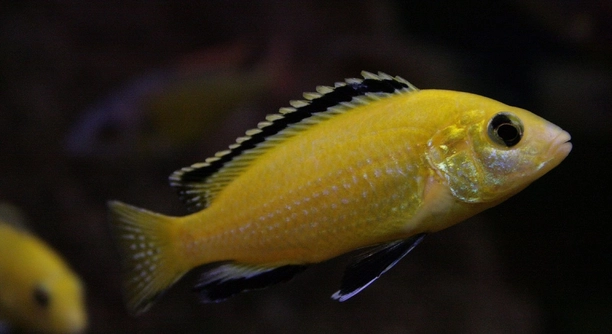
Electric Yellow Cichlids are popular aquarium fish known for their bright color and lively behavior. Many owners focus on diet and tank cleanliness but may overlook how power interruptions affect their daily environment.
A seven-hour power outage impacts Electric Yellow Cichlids by disrupting water circulation, oxygen levels, and temperature stability. These changes can cause stress, reduce feeding behavior, and alter swimming patterns, potentially compromising overall health if prolonged or frequent.
Understanding these effects is important for maintaining a healthy tank. The following discussion highlights practical observations and strategies for keeping these fish safe.
Immediate Effects of a Power Outage
When the electricity goes out, the first noticeable change is in water movement. Filters stop circulating, and aerators no longer oxygenate the water. This can make the cichlids sluggish or less active. The temperature of the tank begins to drift, depending on the room’s environment, which can add stress. Stress can affect their immune system, making them more susceptible to illness. Feeding habits may change too; some fish may refuse food until conditions stabilize. Even a short disruption can trigger unusual swimming patterns or hiding behavior. Observing these changes helps understand how sensitive Electric Yellow Cichlids are to environmental fluctuations. Keeping a close watch during and after the outage ensures timely intervention.
These initial effects typically appear within the first hour and can last until circulation and temperature stabilize.
Recognizing early signs allows for small adjustments, such as manually moving water or adding temporary aeration. Acting quickly reduces stress and prevents long-term behavioral or health issues.
Long-Term Implications
Repeated or prolonged outages can weaken cichlids over time.
Frequent power interruptions create chronic stress, which may reduce growth and color vibrancy. Fish can develop irregular feeding habits or become territorial due to environmental instability. Long-term stress can lead to suppressed immune responses, increasing vulnerability to infections and parasites. Maintaining a backup system or portable aerator can mitigate these risks. Monitoring water temperature and oxygen levels regularly helps detect slow changes before they become harmful. Proper planning ensures the tank remains a stable environment, even during extended outages, supporting the cichlids’ well-being. Fish respond to consistency, and predictable conditions promote natural behavior, healthy appetite, and bright coloration. Minimizing stress during outages preserves both physical health and normal social interaction within the tank. Over time, proactive measures protect the fish from cumulative negative effects caused by repeated interruptions.
Preparing for Power Outages
Keeping a backup battery-operated air pump is essential. It ensures oxygen flow continues even when electricity stops, preventing stress in cichlids.
Having a plan helps manage sudden outages effectively. Manual water circulation, such as gently stirring the water, can maintain oxygen levels temporarily. Portable heaters or insulating the tank can reduce temperature fluctuations. Storing extra water treated with dechlorinator allows for partial water changes if needed. Observing fish closely during outages helps identify stress signs early. Preparing in advance avoids rushed decisions that could worsen the situation, maintaining a safer environment for Electric Yellow Cichlids. These steps help the fish remain active and reduce health risks during unexpected interruptions.
Regular checks of equipment and spare supplies strengthen your preparedness. Ensuring everything functions properly reduces panic during outages. Maintaining a calm environment supports fish behavior.
Monitoring Fish Behavior
Stress signs include erratic swimming, gasping at the surface, or hiding more than usual. Monitoring behavior daily is important for early intervention.
Tracking changes in feeding patterns helps detect subtle stress. Some cichlids may refuse food, while others may become aggressive or lethargic. Water clarity, temperature, and oxygen levels should be checked consistently. Recording observations allows patterns to emerge, highlighting the effects of previous outages. Identifying triggers and responses helps refine preventive measures, such as temporary aeration or partial water changes. Consistent monitoring builds confidence in maintaining a stable tank environment, ensuring fish remain healthy.
Behavioral changes can indicate both immediate and delayed stress responses. Interpreting these signs correctly helps prevent long-term health issues, especially during repeated outages. Regular attention ensures cichlids retain normal activity, appetite, and coloration, maintaining their well-being.
Water Quality Concerns
Oxygen levels drop quickly during a power outage, which can harm cichlids. Waste buildup may increase, stressing the fish further.
Temperature fluctuations also affect metabolism and behavior. Keeping water stable prevents unnecessary stress and reduces the risk of illness.
Temporary Solutions
Using battery-operated pumps or manually stirring the water helps maintain oxygen levels. Covering the tank lightly can slow temperature changes. Monitoring closely ensures the fish stay healthy until power returns.
Feeding Adjustments
During an outage, feeding should be minimal. Overfeeding adds waste and worsens water quality, increasing stress on the fish.
Observation Techniques
Watch for unusual swimming, surface gasping, or hiding. Early detection allows for timely action to prevent long-term health issues.
FAQ
How long can Electric Yellow Cichlids survive without power?
Electric Yellow Cichlids can survive short-term outages of several hours if the tank environment remains stable. Oxygen levels and temperature changes are the most critical factors. A seven-hour outage may cause stress but is usually not fatal if conditions are monitored closely and temporary measures like manual aeration are used. Longer outages require backup systems to avoid severe health consequences.
What immediate signs indicate stress during a power outage?
Signs of stress include gasping at the surface, hiding, sluggish movement, and reduced feeding. Aggression between fish may increase as they compete for oxygen-rich areas. Monitoring behavior during an outage helps detect these issues early, allowing for quick intervention to stabilize the environment.
Can I feed my fish during a power outage?
Feeding should be limited or skipped during outages. Uneaten food can decay quickly, reducing oxygen and worsening water quality. Only offer minimal food if the outage is very short, and remove leftovers promptly. The goal is to reduce stress and maintain stable water conditions.
What temporary measures can I use to keep oxygen levels stable?
Battery-operated air pumps, manual water movement, or gently stirring the water can help maintain oxygen levels. Adding floating plants can also help oxygenate the tank naturally. Keeping the lid slightly open prevents stagnant air pockets. These steps are effective until normal filtration resumes.
How does temperature affect cichlids during an outage?
Temperature fluctuations can affect metabolism and stress levels. Cold water slows activity, while high temperatures reduce oxygen availability. Insulating the tank, covering it with blankets, or using battery-powered heaters can reduce rapid changes and help keep the fish comfortable.
Are there long-term effects from repeated power outages?
Repeated outages can weaken immune systems, reduce growth, and affect coloration. Chronic stress can lead to illness, erratic behavior, and reduced appetite. Consistent monitoring, backup aeration, and preventive measures help minimize these long-term consequences, ensuring a healthier, more stable environment.
Should I test water parameters after an outage?
Yes. Testing pH, ammonia, nitrite, nitrate, and oxygen levels is important. Outages can cause waste buildup and chemical fluctuations. Timely testing allows corrective action, like partial water changes or adjusting aeration, to prevent stress or illness in the cichlids.
What equipment is most useful during power outages?
Battery-operated air pumps, portable heaters, and spare water supplies treated with dechlorinator are essential. Having extra filters or manual aeration tools ready ensures the tank remains stable. Preparing equipment in advance reduces risk and allows quick action when the power goes out.
How can I reduce stress after the power returns?
Once power resumes, gradually restore filtration and temperature. Observe fish closely for unusual behavior or signs of illness. Feeding lightly and avoiding sudden changes helps them recover. Maintaining routine care and a stable environment encourages normal activity and appetite.
Is manual aeration effective for long outages?
Manual aeration can temporarily maintain oxygen, but it is only a short-term solution. For extended outages, battery-operated systems or generators are necessary. Consistent oxygen supply is crucial to prevent stress and protect overall health during prolonged power interruptions.
How often should I monitor my fish during an outage?
Monitoring every 15 to 30 minutes during the first few hours is ideal. Watch swimming patterns, surface activity, and feeding behavior. Frequent checks allow quick responses to stress, low oxygen, or temperature shifts, ensuring fish remain as comfortable as possible.
Can stress from outages affect breeding behavior?
Yes. Stress can suppress mating and egg-laying, or cause aggression between pairs. Stable conditions and minimal disturbance during and after outages help preserve natural reproductive behavior. Recovery may take several days depending on the severity of the stress.
Are some cichlids more resilient than others?
Individual fish vary in resilience. Younger, smaller, or weaker fish are generally more sensitive to oxygen and temperature changes. Monitoring all fish and adjusting temporary measures based on observed behavior ensures the most vulnerable are protected.
Should I consider a backup power system for my tank?
A backup system, like a generator or UPS, is highly recommended for longer outages. It ensures consistent filtration, aeration, and temperature control, reducing stress and preventing long-term health problems. Preparing in advance is far easier than trying to react during an emergency.
How long does it take for fish to return to normal behavior after an outage?
Recovery time varies depending on outage length, stress severity, and individual fish. Generally, behavior normalizes within a few hours to a few days once water circulation, oxygen, and temperature are restored. Careful observation during this period helps detect lingering stress or illness.
Can plants help maintain water quality during outages?
Live plants produce oxygen and absorb some waste products. They provide a small buffer during short outages but are not a replacement for active filtration. Plants can reduce stress slightly but should be combined with temporary aeration for effective support.
Is it necessary to perform a water change after every outage?
Not always. For short outages, testing water and removing uneaten food may be sufficient. For longer or repeated outages, partial water changes help restore oxygen and reduce waste buildup, keeping the environment safe and healthy.
How do I keep fish calm during an outage?
Minimizing movement near the tank, avoiding sudden noises, and reducing light intensity can help. Providing hiding spots or rearranging decorations to create familiar areas helps fish feel secure while circulation and temperature are disrupted.
What long-term habits help prevent outage-related stress?
Regular equipment checks, backup supplies, and consistent observation build resilience. Training yourself to respond quickly during outages and maintaining a stable environment reduces cumulative stress on Electric Yellow Cichlids. Over time, these habits protect health, behavior, and coloration.
Final Thoughts
Electric Yellow Cichlids are vibrant and active fish that rely heavily on a stable tank environment. Even a few hours without power can disrupt their routine, affecting oxygen levels, temperature, and water circulation. These disruptions, while often temporary, can create stress that impacts behavior and overall health. Observing changes in swimming patterns, feeding habits, or hiding tendencies can help identify when the fish are struggling. Immediate actions, such as manually stirring the water or using battery-powered aeration, can mitigate stress during short outages. By paying close attention to these details, owners can ensure their cichlids remain comfortable and active despite temporary disruptions. Maintaining consistent care is key to keeping the fish healthy and reducing the likelihood of long-term issues caused by environmental instability.
Planning ahead for potential power interruptions is essential for responsible aquarium care. Having backup systems such as battery-operated air pumps, portable heaters, and spare treated water ensures the tank environment remains stable. Even short outages become manageable with these preparations, preventing oxygen depletion and temperature fluctuations that could otherwise harm the fish. Regular monitoring of water quality, including parameters like pH, ammonia, and nitrate levels, allows timely corrective actions. Observing how the fish respond during and after an outage helps refine these practices over time. Establishing a routine that accounts for unexpected events creates a safer environment and reduces stress, allowing Electric Yellow Cichlids to retain their natural activity, appetite, and coloration.
Consistency and attention to detail are critical for long-term fish health. Repeated or prolonged power interruptions can lead to chronic stress, weaker immune systems, and suppressed growth or coloration. Taking preventive measures, such as maintaining backup equipment, monitoring behavior, and minimizing disturbances during outages, can significantly reduce these risks. Recovery after an outage may take several hours to a few days, depending on the severity of stress, and careful observation during this time ensures timely intervention if issues arise. By approaching care with foresight and diligence, owners can protect the well-being of Electric Yellow Cichlids. Stable conditions, consistent care, and proactive planning support a healthy and thriving tank, ensuring the fish continue to display the bright colors and lively behavior that make them a favorite in aquariums.

Hello,
If you enjoy the content that we create, please consider saying a "Thank You!" by leaving a tip.
Every little bit helps us continue crafting quality advice that supports the health, happiness, and well-being of pets around the world, for pets of all shapes, sizes, and species.
We really appreciate the kindness and support that you show us!