
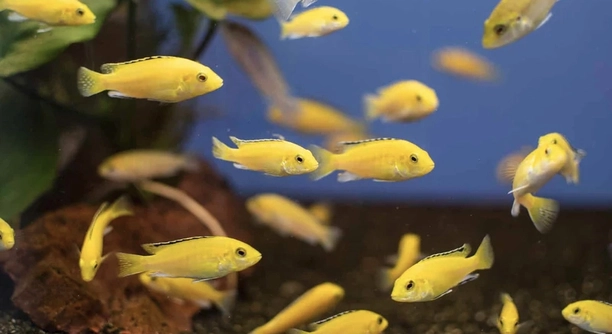
Overcrowding in cichlid tanks is a common challenge for aquarium enthusiasts. Even with careful planning, fish populations can grow quickly, leading to stress, aggression, and unexpected behavior among your aquatic pets.
Overcrowding in cichlid tanks often results in territorial disputes, increased aggression, poor water quality, stunted growth, disease susceptibility, stress-related hiding, and reduced breeding success. These reactions are natural responses to limited space and environmental pressures in confined aquatic habitats.
Recognizing these reactions early allows you to make adjustments and maintain a healthier, more balanced tank for your cichlids. Proper management ensures their well-being and harmonious community life.
Increased Aggression
When cichlids are crowded, territorial behavior intensifies. Fish that normally coexist peacefully may start chasing or nipping at each other. This can lead to visible injuries or constant stress, affecting their overall health. Aggression is often more pronounced in larger species or those with strong hierarchical instincts. Even minor disturbances, such as feeding time or cleaning, can trigger fights. In some cases, dominant fish monopolize hiding spots and food, leaving weaker individuals at risk. Overcrowding also limits escape routes, increasing tension in the tank. Continuous stress can weaken immune systems, making fish more vulnerable to disease. Observation is crucial to identify which individuals are being targeted and to determine whether rearranging decorations or creating additional shelters can alleviate tension. Keeping track of aggressive interactions helps in understanding patterns and addressing problems before they escalate. Aggression due to overcrowding is a behavioral response to limited space, and proper tank adjustments can reduce these conflicts effectively.
Aggressive behavior often escalates quickly in crowded tanks, affecting both fish health and the balance of the aquarium ecosystem.
Adding more hiding places and rearranging tank decorations can help reduce conflict. Separating particularly aggressive fish may also be necessary to maintain harmony.
Poor Water Quality
Overcrowding increases waste production, which can quickly compromise water quality. Excess ammonia, nitrite, and nitrate levels stress fish and encourage disease. Filtration may struggle to keep up with the higher bioload, leading to cloudy water and unpleasant odors. Even frequent water changes may not fully compensate if stocking levels remain too high. Poor water conditions can stunt growth, reduce appetite, and trigger unusual behaviors such as constant hiding or surface gasping. Monitoring water parameters regularly becomes essential, especially in smaller tanks where chemical balance can shift rapidly. Plants, rocks, and substrate can help absorb some toxins, but they cannot replace proper filtration or reduce overpopulation. Regular testing, partial water changes, and careful observation allow fish to remain healthy despite denser populations. Addressing water quality problems promptly prevents long-term harm and ensures cichlids maintain vitality and color. Maintaining balance in an overcrowded tank requires both careful monitoring and proactive intervention.
Frequent testing and proper filtration are key to keeping water clean in densely stocked tanks.
Adding more filtration, performing regular water changes, and monitoring chemical levels can prevent long-term health issues for cichlids living in crowded conditions.
Stunted Growth
Overcrowded tanks limit space for swimming and feeding, which can slow cichlid growth. Smaller or weaker fish often get less access to food and hiding areas, leading to uneven development and reduced size compared to healthier individuals.
Limited swimming space reduces exercise, which is vital for muscle development and overall health. Fish that cannot move freely expend less energy, affecting metabolism and growth rates. Competition for food further intensifies the issue, as dominant fish may consume more while submissive individuals struggle to eat enough. Stress from constant aggression and territorial disputes also diverts energy from growth to survival. Over time, stunted growth can affect reproductive success, appearance, and long-term vitality. Adjusting stocking levels, providing adequate hiding spots, and ensuring even food distribution can help mitigate the effects of crowding on growth.
Stunted growth may not be immediately noticeable, but careful observation reveals differences in size and behavior among tank mates.
Stress-Related Hiding
Cichlids often retreat to hiding spots when stressed by overcrowding. Constant presence of other fish or aggressive behavior can make them feel unsafe, causing extended periods of concealment.
Prolonged hiding is a sign that fish are experiencing high stress levels. Limited space forces individuals to remain close to potential threats, reducing natural behaviors like exploring or interacting. This can lead to decreased appetite, weakened immune responses, and susceptibility to disease. Stress also affects color intensity and overall vitality, making fish appear dull or lethargic. Creating multiple shelters, arranging rocks strategically, and ensuring visual barriers can reduce stress and provide safer spaces. Observing how often and for how long fish hide gives insight into the tank’s social dynamics and whether adjustments are needed to improve comfort.
Ensuring enough hiding places and reducing aggressive interactions allows cichlids to feel secure and maintain normal behavior patterns.
Reduced Breeding Success
Overcrowding can interfere with breeding behavior in cichlids. Fish may feel insecure, leading to fewer mating attempts and less successful spawning. Stress and competition for territory also reduce reproductive activity and egg viability.
Dominant fish may prevent weaker individuals from establishing proper nesting areas. Limited space can cause eggs or fry to be accidentally eaten or damaged. Stress hormones impact fertility, making mating less frequent and reducing hatching rates. Ensuring adequate room, hiding spots, and calm tank conditions helps support natural breeding behaviors. Careful management of population density is essential for maintaining healthy reproduction in cichlid tanks.
Disease Susceptibility
High stocking density increases the risk of disease outbreaks. Crowded conditions spread pathogens quickly and weaken fish immune systems. Stress from overcrowding lowers resistance to infections, making illnesses more frequent and severe.
Proper quarantine procedures, maintaining water quality, and minimizing stress are crucial. Vaccinations or treatments may be necessary if disease appears, but prevention remains the most effective approach to protect cichlids in a dense environment.
FAQ
What is the main reason cichlids become aggressive in overcrowded tanks?
Aggression in cichlids usually stems from limited space and competition for territory. When multiple fish occupy a small area, dominant individuals may chase or nip weaker ones. This behavior escalates if hiding spots are insufficient, food is limited, or the tank layout does not allow fish to establish personal territories.
How can I tell if my cichlids are stressed due to overcrowding?
Signs of stress include constant hiding, loss of appetite, dull coloration, and unusual swimming patterns. Fish may also display repetitive chasing or frantic movements. Observing changes in behavior over time helps identify stress before it leads to illness or stunted growth.
Can adding decorations reduce aggression and stress?
Yes. Rocks, plants, and caves create barriers and hiding places, which help break line-of-sight and give fish private spaces. Rearranging decorations periodically can also prevent dominant fish from controlling all the best spots, promoting a more balanced social dynamic.
Is stunted growth reversible if overcrowding is fixed?
To some extent, yes. If fish are moved to a larger tank or stocking levels are reduced, they may regain normal growth patterns. However, permanent stunting can occur if overcrowding was prolonged, especially in younger fish whose development was interrupted during critical growth phases.
How often should water be tested in a crowded tank?
In densely stocked tanks, testing should occur at least twice a week for ammonia, nitrites, and nitrates. Overcrowding increases waste quickly, so frequent monitoring is essential to prevent toxic buildup and maintain fish health. Partial water changes should be scheduled based on these readings rather than a fixed routine.
Can overcrowding affect breeding success in cichlids?
Yes. Limited space and stress reduce mating behavior and egg viability. Dominant fish may disrupt nesting sites or eat eggs, further decreasing reproductive success. Providing adequate room, separate breeding areas, and shelters improves the chances of successful spawning.
What diseases are more common in crowded tanks?
Crowded conditions increase susceptibility to bacterial, fungal, and parasitic infections. Poor water quality accelerates pathogen spread, and stressed fish have weaker immune responses. Regular observation, quarantine of new fish, and maintaining optimal water conditions help prevent outbreaks.
Are there ways to reduce stress without reducing the number of fish?
Yes. Adding visual barriers, hiding spots, and rearranging the tank layout can help. Ensuring consistent feeding and maintaining water quality also reduce stress. However, overcrowding can never be fully mitigated without adjusting the number of fish or increasing tank size.
How can I safely reduce the population if my tank is overcrowded?
Options include moving fish to another tank, finding new homes for some individuals, or carefully separating aggressive or stressed fish. It’s important to acclimate any relocated fish gradually to reduce stress and prevent disease transmission between tanks.
What is the long-term impact of chronic overcrowding?
Chronic overcrowding can lead to persistent stress, reduced growth, frequent disease, and shortened lifespan. Aggression and territorial disputes may become normalized, affecting the overall social structure of the tank. Maintaining a balanced population is key to the long-term health and well-being of cichlids.
Can diet help manage the effects of overcrowding?
Providing high-quality food in proper portions ensures all fish receive adequate nutrition, which supports growth and immune function. Feeding multiple times a day and using feeding stations or spreading food across the tank reduces competition and stress, helping fish maintain health even in denser populations.
How do I know if my tank is too crowded?
Indicators include frequent aggression, constant hiding, visible stunting, poor water quality despite regular maintenance, and recurring disease. Monitoring behavior and growth patterns, along with water chemistry, gives a clear picture of whether population density is sustainable.
Is overcrowding more of a problem in certain cichlid species?
Yes. Territorial and aggressive species, such as African cichlids, are more sensitive to crowding. Peaceful species tolerate higher densities, but all cichlids are affected if the tank is too small. Matching species temperament and size to tank capacity is essential for a stable environment.
Can overcrowding affect water parameters even in large tanks?
Even in larger tanks, overcrowding can cause spikes in ammonia and nitrites if filtration cannot handle the bioload. High fish density increases waste production, which can overwhelm biological filtration and degrade water quality, making constant monitoring and maintenance crucial.
What preventive measures can be taken when setting up a new tank?
Plan stocking levels according to tank size and species behavior. Include adequate hiding spots and decorations, invest in strong filtration, and introduce new fish gradually. Monitoring water parameters and observing behavior from the start prevents overcrowding-related problems before they arise.
How quickly do negative effects of overcrowding appear?
Effects like aggression, hiding, and stress can appear within days to weeks. Stunted growth and disease susceptibility develop over a longer period. Early detection and intervention are important to minimize harm and maintain a balanced, healthy tank.
Can rearranging the tank help reduce conflicts?
Yes. Changing the layout disrupts established territories and reduces visual contact between aggressive fish. Moving rocks, plants, or caves encourages exploration and redistributes dominance, helping to create a calmer environment without immediately reducing fish numbers.
Is it safe to mix aggressive and peaceful cichlid species in the same tank?
Mixing aggressive and peaceful species increases stress for the submissive fish, especially in crowded conditions. Aggressive species dominate feeding and territory, causing the others to hide constantly or lose weight. Adequate space and visual barriers are necessary if mixing species is unavoidable.
How important is observation in managing overcrowding?
Observation is critical. Regularly watching behavior, feeding, and hiding patterns helps identify stress, aggression, and health issues early. Early action prevents long-term consequences, allowing adjustments to tank layout, population, or care routines before problems escalate.
Can overstocking impact the lifespan of cichlids?
Yes. Chronic stress, poor nutrition, and recurring disease from overcrowding can shorten lifespan. Fish that grow stunted or remain in stressful conditions often exhibit weaker immune systems, making them more vulnerable to illness and early mortality. Proper stocking is essential for longevity and overall well-being.
Does overcrowding affect color and appearance?
Stress from overcrowding can dull coloration and reduce vibrancy. Dominant fish may display brighter colors while submissive individuals appear pale or faded. Maintaining optimal space, water quality, and nutrition helps preserve natural color and overall health.
Are there signs that a tank is well-balanced despite high numbers of fish?
Yes. Indicators include minimal aggression, fish actively exploring, regular feeding without competition, vibrant coloration, and stable water parameters. Even in moderately high-density tanks, proper management can maintain harmony and healthy behavior.
Can tank mates outside of cichlids affect overcrowding stress?
Introducing non-cichlid species can increase stress if they compete for space or food. Compatibility and behavior should be considered carefully. Even peaceful species may inadvertently trigger aggression or hiding behavior in cichlids under crowded conditions.
How often should population adjustments be considered?
Population adjustments should be reviewed whenever signs of stress, aggression, stunted growth, or poor water quality appear. Periodic assessment of tank conditions ensures a sustainable and healthy environment for all fish.
Is overcrowding reversible if managed properly?
Yes. Reducing numbers, improving tank layout, and maintaining water quality can reverse many negative effects. However, prolonged overcrowding may cause permanent stunting or behavioral changes that cannot be fully corrected.
What is the most effective strategy to prevent overcrowding problems?
Plan tank size, species, and stocking levels carefully. Provide sufficient hiding spots, strong filtration, and regular water testing. Monitor behavior closely and make adjustments before problems escalate, ensuring a stable, healthy, and balanced cichlid environment.
Overcrowding in cichlid tanks is a common issue that can significantly impact the health and behavior of your fish. When too many fish occupy a confined space, several problems can arise simultaneously, from aggression to stunted growth. Observing your cichlids closely is essential because subtle changes in behavior or appearance can indicate stress long before serious health problems develop. Aggressive interactions, constant hiding, and reduced feeding are all warning signs that the population may be too high for the tank. Paying attention to these signals allows for timely intervention, whether that means rearranging decorations, adding hiding spots, or reducing the number of fish in the tank. A proactive approach to monitoring helps ensure that all cichlids have enough space to swim, feed, and establish territories, which is essential for their long-term health and well-being.
Water quality is another key factor that becomes more challenging to maintain in overcrowded tanks. Higher fish density leads to increased waste, which raises ammonia, nitrite, and nitrate levels. Even with strong filtration and regular water changes, the chemical balance can shift quickly, stressing the fish and making them more susceptible to disease. Crowding can also hinder proper oxygen circulation, leaving some fish gasping at the surface while others retreat to quieter areas. Regular water testing, careful feeding, and maintaining a balanced bioload are critical to preventing water-related stress. Providing plenty of hiding spots, visual barriers, and open swimming space can further reduce tension among fish and promote natural behaviors. Addressing overcrowding is not just about reducing numbers—it is about creating a stable, healthy environment where all fish can thrive.
Managing cichlid tanks effectively requires planning and consistent care. Overcrowding affects breeding success, growth, immune function, and overall vitality. The impact is often gradual, so consistent observation and small adjustments can prevent long-term consequences. Adding or rearranging shelters, monitoring feeding patterns, and testing water regularly are practical strategies to maintain balance. Reducing population density when necessary ensures that weaker fish receive enough food and space to grow properly. By understanding how cichlids react to crowding and addressing these issues promptly, you can create a healthier tank that supports natural behavior and long-term survival. Proper management allows cichlids to display their full coloration, maintain energy levels, and live in a calmer, more harmonious environment. Maintaining this balance benefits both the fish and the overall health of the tank, making it easier to enjoy a thriving, vibrant community of cichlids.

Hello,
If you enjoy the content that we create, please consider saying a "Thank You!" by leaving a tip.
Every little bit helps us continue crafting quality advice that supports the health, happiness, and well-being of pets around the world, for pets of all shapes, sizes, and species.
We really appreciate the kindness and support that you show us!