
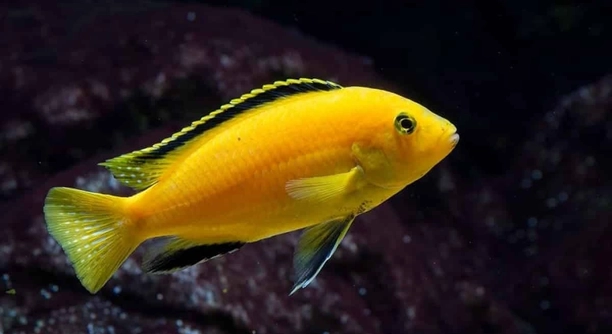
Electric yellow cichlids are vibrant fish that bring life to any aquarium. Their bright color can stand out beautifully when paired with the right tank decorations. Proper decoration not only enhances aesthetics but supports fish health and behavior.
The best decorations for electric yellow cichlid tanks include rocks, caves, driftwood, sand substrate, plants, background posters, and ceramic ornaments. These items create a natural environment, reduce stress, promote territorial behavior, and improve overall water quality, ensuring healthier fish.
Choosing suitable decorations carefully can make a significant difference in both the tank’s appearance and the cichlids’ wellbeing. These seven options offer practical and visually appealing solutions.
Rocks and Stones
Rocks and stones are essential for electric yellow cichlid tanks because they provide structure and hiding spots. These fish are territorial and benefit from natural barriers. When selecting rocks, choose smooth, non-toxic types to avoid damaging fins or altering water chemistry. Arrange them to create caves, ledges, and partitions that allow fish to explore without aggression. Layering rocks at different heights can mimic natural habitats, giving the cichlids multiple vantage points. Avoid sharp edges or unstable stacks that could fall and injure fish. Using a combination of small and medium rocks can break up open spaces while still maintaining swimming areas. Additionally, rocks help anchor plants and provide surfaces for beneficial bacteria, contributing to overall tank health. Consider aesthetics, matching colors that complement the yellow of the cichlids while keeping the environment calm and natural. This decoration type is functional, attractive, and necessary for maintaining fish behavior and well-being.
Rocks help electric yellow cichlids feel secure and reduce stress in the tank environment. They also provide natural hiding places for shy fish.
Proper placement of rocks encourages natural behavior, reducing territorial fights and promoting exploration. When combined with other decorations, they enhance tank aesthetics and stability. Maintaining the balance between open swimming areas and structured rock formations ensures that all fish have comfortable spaces for both activity and rest. Rocks also serve as surfaces for algae growth, which some cichlids may graze on, adding a minor supplemental food source. Selecting neutral-colored rocks keeps the tank visually balanced while highlighting the yellow tones of the cichlids. By carefully choosing size, shape, and position, rocks can transform a simple aquarium into a stimulating and healthy environment. This approach supports both the visual appeal of the tank and the social structure of the fish.
Driftwood
Driftwood adds texture and complexity to electric yellow cichlid tanks. It offers hiding spaces and a natural aesthetic that softens the sharpness of rocks or ornaments.
Besides decoration, driftwood releases tannins that slightly acidify water, which can benefit fish health.
Placing driftwood strategically allows fish to establish territories and reduces conflicts. It also provides surfaces for biofilm and algae, which cichlids may nibble. Driftwood should be pre-soaked to prevent cloudiness and leaching excess tannins initially. Combining driftwood with rocks and plants creates layers of shelter and exploration areas, making the tank feel more dynamic and natural. Its shapes and textures enhance visual interest, while also supporting behavioral enrichment, giving fish places to swim around, under, or through. Selecting driftwood pieces that fit the tank’s scale ensures safety and stability. Over time, driftwood integrates into the tank’s environment, blending with other decorations and maintaining a cohesive appearance. Regular monitoring ensures it does not decay excessively, preserving water quality.
Sand Substrate
Sand substrate creates a natural bottom layer that electric yellow cichlids prefer for digging and sifting. It is gentle on their delicate fins and contributes to a realistic lake-bed environment.
Using sand helps maintain stable water parameters by reducing debris accumulation compared to gravel. Fine sand allows cichlids to exhibit natural behaviors such as digging, moving, and rearranging the substrate. It also supports plant roots and can enhance the overall visual appeal by creating contrast with decorations and the fish’s bright yellow color. Choosing light-colored sand emphasizes the cichlids’ coloration and complements rock and driftwood arrangements. Regular cleaning is necessary to prevent compacted areas and maintain water quality. Sand substrate can be combined with other decorations to create multiple levels and areas of interest, providing both functional and aesthetic benefits in the tank.
Sand is safer than gravel for cichlids, allowing them to explore naturally without risk of ingestion or injury.
Sand helps mimic natural habitats, supports plant growth, and encourages cichlid activity while maintaining clean, visually appealing tank conditions.
Aquarium Plants
Aquarium plants provide hiding spaces and visual breaks for electric yellow cichlids, helping reduce stress and aggression.
Live plants enhance water quality by absorbing nitrates and producing oxygen. They also create natural boundaries, allowing cichlids to claim territories without constant confrontation. Hardy species like Anubias or Java Fern can attach to rocks and driftwood, while floating plants give shaded areas. Plant placement should consider swimming space and not overcrowd the tank, keeping the environment balanced. Plants also encourage natural foraging behavior and contribute to a calmer atmosphere. Regular trimming and maintenance prevent overgrowth and maintain healthy plant life. Combining multiple plant types can enrich the tank’s visual appeal and provide functional spaces for fish interaction.
Plants improve both aesthetics and fish behavior, offering environmental enrichment while supporting water stability and natural activity.
Caves and Hiding Spots
Caves and hiding spots are essential for electric yellow cichlids to reduce stress and establish territories. They offer privacy and refuge during aggressive encounters, helping maintain a balanced tank environment.
Materials like ceramic, resin, or natural rock can be used. Ensure entrances are large enough for fish to swim freely.
Background Posters
Background posters enhance tank aesthetics without interfering with fish movement. They create depth and highlight the yellow coloration of cichlids, making the aquarium visually appealing.
Choosing posters with natural scenes or neutral colors prevents visual stress while complementing decorations. Properly securing the poster ensures it stays in place without gaps or bubbles.
Ceramic Ornaments
Ceramic ornaments provide structure and enrichment for electric yellow cichlids. They can act as extra hiding spots or focal points in the tank. Carefully positioned ornaments encourage exploration and reduce territorial aggression.
Selecting durable, non-toxic ceramic pieces ensures safety and long-term use. They are easy to clean and maintain.
FAQ
What is the best type of rock for electric yellow cichlid tanks?
The best rocks are smooth, non-toxic, and stable. Limestone, slate, or river rocks work well. Avoid sharp edges that could injure fish or unstable stacks that could fall. Rocks should be arranged to create caves, ledges, and territorial boundaries while leaving swimming space. Mixing sizes adds visual interest and functional hiding places.
Can I use driftwood in a cichlid tank?
Yes, driftwood is suitable, but it should be pre-soaked to remove tannins that can discolor water. Driftwood provides hiding spaces, natural aesthetics, and surfaces for biofilm. It also encourages natural behavior, allowing fish to swim under, around, or through it safely. Hardwoods are preferred over softwoods to avoid decay.
Are live plants necessary for electric yellow cichlids?
Live plants are not strictly necessary, but they offer benefits. They improve water quality by absorbing nitrates and producing oxygen. Plants provide hiding spaces, reduce stress, and encourage natural behaviors like foraging. Hardy species like Anubias or Java Fern attach to rocks and driftwood, while floating plants create shaded areas.
How do I maintain sand substrate?
Sand should be cleaned regularly using a siphon or gentle vacuuming. Avoid compacting it excessively, as this can trap debris and reduce water flow. Light-colored sand highlights cichlid coloration and blends well with decorations. Sand allows fish to dig naturally without the risk of injury that gravel could cause.
What types of ceramic ornaments are safe for cichlids?
Choose smooth, non-toxic ceramic pieces designed for aquariums. Avoid painted or glazed items that could leach chemicals. Ceramic ornaments can act as hiding spots, focal points, or territory markers. Position them securely to prevent tipping and ensure adequate swimming space around them.
How do background posters affect cichlid behavior?
Background posters are mostly aesthetic but can reduce visual stress by covering blank tank walls. Posters with neutral tones or natural scenes create a calmer environment and highlight the yellow of the cichlids. Proper placement avoids bubbles or gaps that may disrupt the appearance or create distractions.
Can decorations reduce aggression in electric yellow cichlids?
Yes, decorations like rocks, caves, and plants help establish territories and break lines of sight. This reduces conflict and stress, allowing fish to explore freely and claim personal spaces. Proper placement of multiple hiding spots ensures shy or smaller fish have refuge areas.
How often should I rearrange tank decorations?
Frequent rearrangement can stress cichlids, so changes should be minimal. Adjust decorations only when necessary for cleaning, tank expansion, or improving hiding spots. When making changes, move items gradually and observe fish behavior to ensure stability and comfort.
Are artificial plants a good alternative to live plants?
Artificial plants can provide hiding spaces and decoration without affecting water chemistry. Choose soft, non-toxic materials to avoid injury. While they do not improve water quality or oxygen levels, they offer a stable option that requires minimal maintenance.
Can I mix different types of decorations safely?
Yes, combining rocks, driftwood, sand, plants, and ceramic ornaments creates a dynamic and functional environment. Balance is important to ensure swimming space is available, hiding spots are sufficient, and decorations are stable. Proper arrangement supports both aesthetics and fish behavior, reducing stress and encouraging natural activity.
How do I prevent algae growth on decorations?
Regular maintenance, balanced lighting, and controlled feeding reduce algae buildup. Live plants compete with algae for nutrients, while cleaning rocks, driftwood, and ornaments manually helps maintain a clean tank. Overfeeding and excessive light are common causes of algae, so careful monitoring is necessary.
Are caves more important than plants for cichlids?
Caves are slightly more critical because they provide secure hiding places and territorial boundaries. Plants offer additional shelter and aesthetic value, but caves ensure fish can retreat during aggressive encounters, which is essential for maintaining a stable social environment.
How should I choose decoration sizes for my tank?
Select decorations proportional to the tank and fish size. Large pieces should be stable and secure, while smaller items create detail and variety. Avoid overcrowding to maintain swimming areas and ensure water flow. Decorations should complement each other while creating functional spaces for fish.
Do decorations affect water chemistry?
Yes, some rocks and driftwood can slightly alter pH or hardness. Test water after adding new items and choose neutral, aquarium-safe materials if stability is a priority. Proper preparation, like soaking driftwood or rinsing rocks, minimizes changes and ensures a safe environment.
How do I clean decorations without harming fish?
Remove decorations during routine maintenance and scrub gently with water or a soft brush. Avoid chemicals, soaps, or detergents, which can be toxic. Regular cleaning prevents algae buildup, preserves visual appeal, and maintains a healthy environment without stressing the fish.
Can decorations improve fish coloration?
Yes, decorations that reduce stress and mimic natural habitats can enhance coloration. Light-colored substrates, neutral backgrounds, and proper hiding spots help yellow tones appear brighter and more vibrant. A calm, enriched environment contributes to overall fish health, which is reflected in appearance.
What is the safest way to anchor plants to decorations?
Attach hardy plants like Anubias or Java Fern to rocks or driftwood using fishing line or aquarium-safe glue. Avoid burying roots too deep in sand or substrate, which can damage the plant. Secure attachment prevents floating and keeps plants stable, supporting healthy growth.
Can multiple cichlids share the same decorations?
Yes, multiple fish can use the same rocks, caves, or plants if space allows. Ensure multiple hiding spots and swimming areas to reduce competition. Observing behavior and adjusting decorations as needed helps maintain harmony among tank inhabitants.
How important is visual balance in decoration placement?
Visual balance prevents stress and maintains a natural-looking environment. Symmetry is less important than creating functional areas: hiding spots, open swimming space, and territorial markers. Proper arrangement ensures fish can explore safely while the tank remains aesthetically pleasing.
Are there any decorations to avoid entirely?
Avoid sharp, unstable, or chemically treated items. Painted ceramics, treated woods, or metal pieces can leach toxins. Decorations that overcrowd the tank or impede swimming should also be avoided. Prioritize safety, stability, and natural compatibility with the cichlids.
How do decorations influence breeding behavior?
Decorations like caves and dense plant areas create safe zones for breeding. Cichlids often use hiding spots to lay eggs or protect fry. Properly arranged structures reduce stress and allow natural reproductive behavior to occur without interference.
Can decorations be both functional and decorative?
Yes, combining aesthetic appeal with utility enhances both tank beauty and fish well-being. Rocks, driftwood, plants, and ornaments provide shelter, boundaries, and stimulation while maintaining a visually attractive layout. Careful selection ensures decorations serve multiple purposes effectively.
What is the most important consideration when adding decorations?
Safety, stability, and compatibility with cichlids are key. Decorations should enhance the environment without causing stress, injury, or water issues. Observing fish behavior after adding items ensures that the tank remains balanced, functional, and visually pleasing.
How do I know if decorations are causing stress?
Signs include hiding excessively, aggression, or reduced activity. If stress is observed, rearrange decorations to create more open areas, additional hiding spots, or reduce visual barriers. Monitoring fish regularly helps maintain a healthy environment and minimizes conflicts.
Can decorations help with territorial disputes?
Yes, providing multiple hiding spots, caves, and visual breaks reduces conflict. Fish can establish territories without constant confrontation. Proper spacing and variety of structures allow dominant and shy individuals to coexist more peacefully.
Are natural materials better than artificial ones?
Natural materials like driftwood and live plants support biological balance and enrichment. Artificial items can still provide hiding spaces and aesthetics without affecting water chemistry. A combination of both often works best, depending on maintenance preferences and tank conditions.
How often should decorations be inspected?
Inspect decorations during routine maintenance for stability, wear, or decay. Loose rocks, broken ornaments, or rotting driftwood should be addressed immediately. Regular checks prevent accidents and ensure a safe, healthy environment for all cichlids.
Can decorations influence feeding behavior?
Yes, hiding spots and plants can encourage natural foraging and grazing behaviors. Fish may explore different areas, search under rocks, or nibble on biofilm-covered surfaces. This enrichment supports physical activity and mental stimulation, contributing to overall health.
How do I create a balanced layout with decorations?
Place tall items like driftwood or rock stacks in the back or corners, mid-level plants in the center, and open swimming space in front. Ensure multiple hiding areas and sight breaks. This balance supports natural behavior while keeping the tank visually appealing.
What is the easiest way to introduce new decorations?
Clean and rinse all new items before adding them. Introduce one piece at a time if possible, observing fish reaction. Gradually integrate decorations to avoid stress and maintain water quality. Adjust placement as needed for safety and functionality.
Are all caves the same size requirements?
No, caves should accommodate fish comfortably, allowing them to enter, turn, and exit easily. Provide multiple sizes to suit different fish sizes and behaviors. Properly sized caves encourage exploration, reduce stress, and support territorial behavior.
Do decorations require special care in planted tanks?
Yes, decorations should not block plant light or root access. Driftwood and rocks can anchor plants, but space must be maintained for growth. Regular trimming and rearrangement may be needed to balance plant health with decoration functionality.
How does decoration color affect the tank?
Neutral or natural-colored decorations reduce stress and highlight the yellow tones of cichlids. Bright or artificial colors may appear jarring and distract from fish coloration. Balanced color choices maintain a harmonious and visually pleasing environment.
Can decorations be used to separate aggressive fish?
Yes, tall rocks, caves, and dense plants act as visual barriers, preventing direct confrontation. Proper placement allows dominant and subordinate fish to occupy separate areas while minimizing stress and potential injury.
Is it necessary to rotate decorations over time?
Rotation is not essential but can refresh the environment and encourage exploration. Make changes gradually to avoid stressing fish. Maintain safety, stability, and functional hiding spaces during any rearrangement.
Do decorations impact water filtration?
Large or dense items can affect flow patterns, so arrange them to prevent stagnant areas. Ensure filters are not blocked and water circulates properly. Well-planned decoration placement supports both aesthetic and functional water management.
How do I safely remove decorations for cleaning?
Gently lift decorations, avoiding abrupt movements that could disturb fish or substrate. Rinse and scrub with water or a soft brush, then return them carefully to the same location. This prevents stress and maintains tank balance.
Can decorations encourage natural play or interaction?
Yes, caves, rocks, and plants create exploration areas and stimulation. Fish can hide, swim through, or investigate surfaces. This activity supports mental enrichment and encourages healthy movement throughout the tank.
What is the most common mistake with decorations?
Overcrowding the tank or using sharp, unstable, or chemically treated items. Both can cause stress, injury, or water issues. Proper planning, selection, and maintenance prevent these problems and support a safe, attractive environment.
How do decorations help mimic natural habitats?
They recreate structural complexity and shelter found in natural lakes or rivers. Rocks, plants, sand, and driftwood allow fish to exhibit territorial, hiding, and foraging behaviors, creating an enriched, realistic environment. This improves both visual appeal and fish well-being.
Are multiple hiding spots always necessary?
Yes, providing several hiding spots reduces aggression, stress, and competition. It ensures that shy or subordinate fish have safe areas and allows dominant individuals to claim territories without constant conflict.
Do decorations influence fish health?
Indirectly, yes. Proper decorations reduce stress, encourage natural behavior, and support water quality, which all contribute to healthier fish. Unsafe or overcrowded items can lead to injury or stress-related illness.
Can decorations be DIY or homemade?
Yes, as long as materials are non-toxic, stable, and safe for aquarium use. Avoid treated wood, sharp edges, or painted surfaces. Homemade decorations can provide functional hiding spots and aesthetic appeal when properly prepared.
How do I combine different decoration types effectively?
Use rocks, driftwood, plants, and ornaments in layers, ensuring open swimming space. Place taller items in back, mid-level plants centrally, and smaller items in foreground. This creates visual depth, functional territories, and an enriched environment that supports natural behaviors.
Are hiding spots more important than open swimming areas?
Both are necessary. Hiding spots reduce stress, while open swimming areas allow movement and exploration. Balance is key; decorations should provide refuge without restricting activity or limiting free swimming space.
How do decorations influence cichlid social dynamics?
They help establish territories and reduce conflict by creating visual barriers. Fish can explore, retreat, or claim areas safely. Proper decoration arrangement supports a stable social hierarchy and healthier interactions among tank inhabitants.
Can decorations help with water flow issues?
Yes, careful placement of rocks and plants can guide water movement, preventing dead zones. Avoid blocking filter outputs and maintain circulation for consistent oxygenation and waste removal. Proper flow supports both decoration stability and fish health.
Are all substrates suitable for decorations?
No, fine sand or smooth gravel works best. Coarse gravel may be uncomfortable for digging fish and may destabilize decorations. Matching substrate type with decoration choice ensures stability, natural behavior, and overall tank health.
Do artificial ornaments require different maintenance than natural ones?
Artificial ornaments need regular cleaning to prevent algae and debris buildup. They do not decay like driftwood or plants, so maintenance is mostly visual and hygiene-focused. Both types benefit from periodic inspection for safety and stability.
Can decorations prevent disease?
Indirectly, yes. By reducing stress and providing safe territories, decorations lower susceptibility to stress-related illness. Stable water conditions from proper placement also reduce the risk of pathogens thriving in stagnant or overcrowded areas.
How do I know if decorations are properly secured?
They should not tip, wobble, or shift when gently nudged. Observe fish interaction to ensure items remain stable. Proper anchoring prevents injury and maintains a safe, functional environment.
Are background posters purely decorative?
Mostly, yes, but they also reduce stress by covering tank walls and providing visual consistency. Neutral or natural designs complement other decorations and highlight fish coloration, enhancing both appearance and comfort.
Do decorations affect tank lighting?
Yes, tall items or dense plant clusters can create shaded areas. Balance lighting to ensure visibility, plant growth, and natural behavior while preventing overexposure or excessive darkness in key tank areas.
Can decorations be shared among multiple tanks?
Yes, if cleaned and sanitized properly. Avoid cross-contamination by rinsing and scrubbing before introducing items to another tank. This keeps fish healthy and prevents disease transfer.
What is the simplest way to upgrade tank decorations?
Gradually add new rocks, driftwood, or plants while observing fish response. Rearrange existing items to create variation, and ensure stability and safety. Incremental changes maintain comfort while refreshing the environment.
Are tall decorations better than low ones?
Both serve different purposes. Tall items create visual barriers and vertical exploration, while low items provide hiding spaces and territory markers. Combining heights creates a balanced, stimulating environment for cichlids.
How do decorations affect tank maintenance?
Decorations require cleaning, monitoring, and occasional rearrangement. They can trap debris or affect water flow, so maintenance routines should include inspection and hygiene tasks. Proper planning reduces effort and supports fish well-being.
Can decorations help shy fish feel more comfortable?
Yes, multiple hiding spots, plants, and caves allow shy fish to retreat safely. This reduces stress, encourages exploration at their own pace, and improves overall social balance in the tank.
Is it better to have many small decorations or a few large ones?
A combination works best. Large pieces provide structure and boundaries, while smaller items add detail and enrichment. Balance ensures both functionality and visual appeal while maintaining swimming space.
Do decorations need replacement over time?
Yes, items can degrade, shift, or accumulate algae. Inspect periodically and replace or clean as needed to maintain safety, functionality, and aesthetics. Regular maintenance preserves the tank environment and fish health.
Can decorations influence breeding success?
Properly placed caves, plants, and hiding spots create secure zones for spawning. Reduced stress and well-structured territories encourage natural reproductive behavior and increase the likelihood of successful breeding.
Are there decorations specifically recommended for electric yellow cichlids?
Yes, smooth rocks, driftwood, hardy plants, caves, sand substrate, and neutral-colored ornaments suit their behavior, coloration, and territorial needs. Combining these elements supports a healthy, visually appealing environment.
How do I prevent overcrowding with decorations?
Prioritize open swimming areas, limit large items, and distribute hiding spots evenly. Ensure sufficient space for all fish to move freely. Regular observation helps maintain a balanced, functional setup.
Do decorations affect water temperature?
Generally, no, but large stones or driftwood can slightly alter heat distribution. Ensure heaters and circulation are adequate to maintain consistent temperature across all tank areas.
Can decorations be rearranged to reduce aggression?
Yes, creating new sight barriers and redistributing hiding spots allows fish to establish new territories, reducing conflict and stress. Observe behavior closely when making adjustments.
Are floating decorations useful?
Floating plants or ornaments provide shade and break the line of sight, reducing aggression. They also add visual variety and create shaded retreat areas for shy fish.
Do decorations require special care with multiple fish species?
Yes, ensure compatibility by providing sufficient hiding spots and swimming areas. Observe behavior to prevent dominant fish from monopolizing structures, adjusting placement as necessary.
Can decorations enhance the tank’s visual depth?
Yes, layering rocks, plants, and background posters creates depth. Varying heights and textures give a more dynamic appearance while supporting natural fish behavior and enrichment.
Are ornaments more than aesthetic features?
Yes, they serve as hiding spots, territory markers, and exploration structures. Well-chosen ornaments contribute to fish behavior, stress reduction, and overall tank functionality.
How do I choose decorations that last?
Select durable, non-toxic materials like ceramic, hardwood driftwood, or stable rocks. Avoid items that decay, leach chemicals, or are prone to breaking. Regular inspection ensures longevity and safety.
Can decorations help maintain water clarity?
Indirectly, yes. Sand substrate, plants, and stable rocks reduce debris accumulation. Proper placement supports water flow, preventing stagnant areas and helping filtration systems work efficiently.
Do decorations need lighting consideration?
Yes, decorations should not block essential light for plants. Shadows can create hiding spaces, but excessive darkness may stress fish or hinder plant growth. Proper placement balances light and shelter.
Are all caves equally effective?
No, caves vary in size, shape, and placement. Multiple caves of different dimensions allow fish of varying sizes to find refuge. Properly positioned caves reduce stress and support territorial behavior
Electric yellow cichlids are vibrant and active fish that benefit greatly from a well-decorated tank. Choosing the right decorations is more than just an aesthetic decision—it directly impacts their behavior, stress levels, and overall health. Rocks, driftwood, sand, plants, and ceramic ornaments each provide specific functions that support natural activity, hiding, and territorial behavior. A thoughtful arrangement creates a balanced environment where fish can explore, claim spaces, and retreat when necessary. While appearance is important, functionality should always come first. Decorations that are stable, safe, and suitable for the species will ensure that the tank remains a secure and engaging habitat for the fish. Avoid overcrowding and sharp or unstable items, as these can lead to injury or stress. By paying attention to these details, the aquarium can be both visually appealing and a comfortable home for electric yellow cichlids.
Regular maintenance and observation are crucial for keeping a decorated tank healthy and safe. Decorations, especially natural ones like driftwood and live plants, require cleaning, trimming, and occasional repositioning to maintain their effectiveness. Sand substrate should be siphoned to prevent debris buildup, and rocks or ornaments should be checked for stability. Monitoring fish behavior is a practical way to determine whether decorations are meeting their needs. If fish hide excessively, display aggression, or show signs of stress, it may be necessary to adjust the layout or add additional hiding spots. These small changes can have a significant effect on the well-being of the fish, encouraging natural exploration and reducing conflicts. Over time, a properly maintained and thoughtfully arranged tank supports both the health of the fish and the aesthetic quality of the aquarium, creating a balanced and enjoyable environment.
Creating a harmonious tank is a combination of planning, observation, and maintenance. By selecting the right combination of rocks, driftwood, sand, plants, and ceramic ornaments, it is possible to replicate aspects of the fish’s natural habitat while also enhancing the visual appeal of the aquarium. Decorations not only provide shelter and territory but also encourage natural behaviors, helping fish to thrive. Paying attention to the needs of the cichlids, maintaining water quality, and ensuring safe placement of all items will result in a tank that supports long-term health and activity. Thoughtful decoration transforms a simple tank into a dynamic, balanced environment where electric yellow cichlids can flourish. The process of arranging and maintaining decorations is ongoing, but it ultimately creates a visually pleasing, functional, and enriching habitat that benefits both the fish and the enjoyment of the aquarium.

Hello,
If you enjoy the content that we create, please consider saying a "Thank You!" by leaving a tip.
Every little bit helps us continue crafting quality advice that supports the health, happiness, and well-being of pets around the world, for pets of all shapes, sizes, and species.
We really appreciate the kindness and support that you show us!