
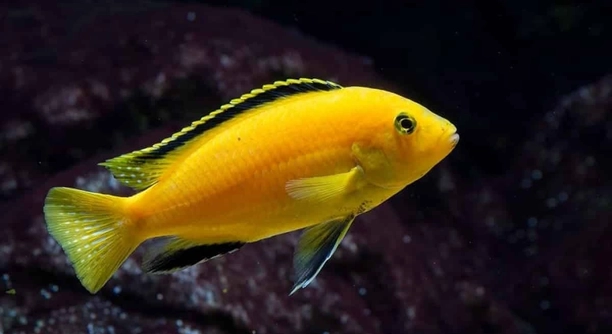
Caring for cichlids can be rewarding, but it also requires attention to detail and routine maintenance. Weekly check-ins help maintain their health and ensure their environment remains stable and comfortable for long-term well-being.
Answering key weekly questions helps cichlid owners monitor water quality, feeding habits, behavior changes, and overall tank conditions. Regular assessment reduces stress, prevents disease, and supports a balanced aquatic environment, ensuring the fish thrive consistently.
Maintaining a consistent routine strengthens your fishkeeping practices and ensures a thriving, vibrant tank for your cichlids each week.
Checking Water Parameters
Maintaining proper water parameters is essential for cichlid health. Testing pH, ammonia, nitrite, and nitrate levels weekly prevents sudden changes that can stress or harm fish. Many cichlids are sensitive to even slight fluctuations in water chemistry, so consistent monitoring ensures a stable environment. Temperature should also be checked, as most cichlids thrive within a narrow range, and sudden shifts can affect appetite and behavior. Using reliable test kits and keeping a log allows owners to notice trends and act before problems escalate. Water hardness and mineral content can influence fish coloration and breeding behavior. Cleaning equipment and performing partial water changes based on these readings supports overall health. Neglecting regular testing can lead to disease outbreaks, aggression, or stunted growth. Weekly attention to water conditions is a small effort that produces long-term benefits, maintaining a vibrant and balanced aquarium where cichlids can grow naturally.
Regular water checks protect fish and help prevent costly mistakes. Consistency is more important than occasional deep interventions.
Weekly testing guides feeding, tank adjustments, and water changes. Understanding how each parameter interacts allows for informed decisions that promote a healthy, thriving environment and reduces the risk of stress-induced illnesses over time. Maintaining stable conditions also supports natural behavior, encouraging breeding, growth, and social interaction among species. Detailed records help track subtle shifts that might not be immediately visible but can affect long-term health. By staying attentive, cichlid owners ensure each fish receives the proper environment to flourish. Additionally, proper monitoring makes it easier to spot early signs of disease or behavioral changes. Small adjustments, based on these readings, can prevent major problems and minimize the need for medication. Overall, committing to weekly water parameter checks builds a routine that benefits both the fish and the aquarium ecosystem, fostering a vibrant, balanced habitat that reflects careful, consistent care.
Observing Fish Behavior
Noticing changes in swimming patterns, aggression, or feeding habits is key to early problem detection. Cichlids often display stress through subtle behavior shifts, so observation allows timely intervention.
Careful observation helps identify illness or environmental issues before they worsen, supporting healthier, longer-lived fish.
Behavioral monitoring includes tracking interactions between species, noting hiding patterns, and assessing appetite. Changes may indicate water problems, disease, or social stress. Recording observations weekly provides a reference for future issues, helping distinguish between normal variations and concerning changes. Observing during feeding ensures each fish receives adequate nutrition and helps detect dominant or bullied individuals. Aggression, lethargy, or unusual swimming can signal the need for tank adjustments or additional hiding spots. By paying attention to behavior, owners can make informed changes to tank structure, feeding routines, and water conditions. Consistent monitoring also strengthens the bond between keeper and fish, as subtle cues become easier to recognize over time. Regularly watching fish ensures their needs are met and prevents small issues from escalating, maintaining a peaceful, healthy community within the aquarium.
Feeding and Diet
Feeding cichlids the right amount and type of food weekly prevents obesity and nutrient deficiencies. Balanced nutrition supports growth, color, and immune health, while avoiding overfeeding reduces waste that can harm water quality.
Offering a variety of pellets, flakes, and occasional live or frozen foods ensures proper nutrition. Some species benefit from vegetable matter or algae wafers, depending on dietary needs. Feeding smaller amounts multiple times per day often works better than one large feeding, reducing leftovers. Monitoring each fish’s eating habits helps identify picky eaters or signs of illness early. Adjusting portions based on activity and growth prevents digestive issues and keeps water clean. A structured feeding routine combined with observation strengthens health, supports natural behavior, and encourages vibrant coloration. Regularly reviewing diet choices ensures all fish get the nutrients they require without compromising tank conditions.
Tracking food intake and monitoring waste helps maintain water quality. Feeding adjustments also reveal subtle health changes and prevent long-term issues.
Cleaning and Maintenance
Regular weekly maintenance keeps the tank clean and safe. Removing debris, vacuuming substrate, and cleaning filters prevents toxin buildup that harms cichlids.
Partial water changes of 20-25 percent improve water quality, removing nitrates and waste while maintaining beneficial bacteria. Cleaning decorations and glass prevents algae growth that can reduce light penetration and stress fish. Avoid over-cleaning filters, as beneficial bacteria are essential for biological balance. Weekly maintenance also allows for inspection of equipment like heaters, pumps, and lighting, ensuring they function properly. Consistent upkeep reduces sudden water quality issues and promotes a healthier, more stable environment for cichlids. Maintaining a predictable cleaning schedule minimizes stress and supports natural behavior, reproduction, and vibrant coloration. Small, regular efforts prevent larger problems and make care easier long-term.
Keeping the tank consistent and clean supports overall fish health, reduces disease risk, and preserves a stable habitat.
Monitoring Tank Temperature
Stable temperature is crucial for cichlid health. Sudden changes can stress fish, reduce appetite, and weaken their immune system.
Using a reliable heater and thermometer ensures the tank stays within the species-specific range. Checking temperature weekly prevents dangerous fluctuations and promotes consistent behavior.
Inspecting Equipment
Filters, heaters, and air pumps need weekly inspection. Proper functioning ensures water circulation, temperature stability, and oxygenation.
Checking for clogs, leaks, or irregular operation allows for early repairs and prevents sudden equipment failure. Regular inspection protects fish health and maintains a balanced tank environment.
Observing Physical Health
Look for changes in coloration, fins, or scales weekly. Early detection of injury or disease is key to intervention.
FAQ
What should I do if my cichlid stops eating?
Loss of appetite can indicate stress, illness, or water quality issues. First, check water parameters, temperature, and tank conditions. Observe behavior for signs of disease such as clamped fins, lethargy, or unusual spots. Offering a variety of foods or live/frozen options may stimulate feeding. Quarantining a sick fish and consulting a veterinarian or experienced aquarist can help address health concerns quickly, preventing further complications.
How often should I change the water in my tank?
Weekly partial water changes of 20-25 percent are recommended for most cichlid tanks. This helps maintain low nitrate levels, remove accumulated waste, and replenish essential minerals. Consistent water changes prevent sudden fluctuations and support a healthy environment for both adult and juvenile fish.
What is the best way to treat algae growth?
Algae growth is common in aquariums. Manual removal during cleaning and controlling light exposure helps limit excessive growth. Introducing algae-eating species, maintaining proper filtration, and avoiding overfeeding also control nutrients that fuel algae. Consistency in maintenance keeps algae manageable without chemicals.
How do I identify sick cichlids?
Signs of illness include faded coloration, clamped fins, erratic swimming, rapid gill movement, and loss of appetite. Early detection is essential. Regular observation during feeding and routine inspections helps catch these signs before they escalate. Prompt treatment prevents the spread of disease to other tank inhabitants.
Can cichlids live with other species?
Cichlids vary in aggression. Some species tolerate community tanks, while others are territorial. Matching size, temperament, and habitat preferences reduces conflict. Providing hiding spots, territories, and adequate space minimizes stress and promotes peaceful cohabitation. Observing interactions weekly helps prevent bullying or injuries.
What is the best diet for vibrant coloration?
A balanced diet with high-quality pellets, flakes, and occasional live or frozen foods supports growth and coloration. Some species benefit from plant matter or algae wafers. Variety ensures proper nutrition, strengthens immunity, and enhances natural colors over time. Monitoring feeding habits ensures no fish are left underfed.
How do I manage aggressive behavior in cichlids?
Aggression can be reduced by arranging the tank with rocks, caves, and hiding spots to break line-of-sight and establish territories. Avoid overcrowding and ensure compatible species are housed together. Monitoring interactions weekly allows for adjustments to tank layout or separating particularly aggressive individuals when necessary.
How can I encourage breeding?
Provide stable water conditions, proper nutrition, and a suitable environment with caves or flat surfaces for spawning. Certain species require slightly different temperatures or pH adjustments. Observing courtship behavior and maintaining consistency improves success rates, while reducing stress ensures healthier offspring.
What should I do if my water tests are off?
Immediate partial water changes help correct imbalances in ammonia, nitrite, or pH. Identify the source of the problem, such as overfeeding or filter issues, and address it promptly. Retesting after adjustments ensures water returns to safe levels, protecting fish health.
Are weekly tank logs helpful?
Recording water parameters, behavior, feeding, and maintenance activities provides a clear history. Logs help spot trends, identify potential problems early, and guide adjustments. Consistent tracking simplifies long-term management and supports the overall health and stability of the aquarium ecosystem.
How do I prevent disease in my tank?
Maintaining stable water conditions, providing a balanced diet, and performing regular cleaning reduce the risk of disease. Quarantining new fish before introduction prevents introducing pathogens. Observing fish weekly ensures early detection and prompt intervention, minimizing the impact of illnesses.
Is overfeeding harmful to cichlids?
Yes, overfeeding leads to excess waste, poor water quality, and digestive issues. Feed small amounts appropriate for the species and size, removing uneaten food promptly. Consistent portion control supports healthy growth, reduces stress, and keeps the tank environment stable.
How often should I clean filters?
Filters should be inspected weekly and cleaned as needed without removing all beneficial bacteria. Rinse media in tank water, not tap water, to preserve bacterial colonies. Proper filter maintenance ensures efficient waste removal and maintains water quality, reducing stress on cichlids.
Can stress affect my cichlids’ health?
Stress weakens the immune system, making fish more susceptible to disease. Causes include poor water quality, aggressive tankmates, or sudden environmental changes. Weekly monitoring of behavior, tank conditions, and interactions helps identify stressors, allowing for timely adjustments that improve health and wellbeing.
What should I do if a cichlid is injured?
Isolate the injured fish if necessary, maintain optimal water conditions, and monitor recovery closely. Minor injuries often heal with clean water and minimal stress. Severe injuries may require veterinary advice or specialized treatment to prevent infection and promote healing.
This FAQ covers common concerns that arise in cichlid care. Consistent weekly observation, maintenance, and attentive care prevent minor issues from becoming major problems, keeping fish healthy, vibrant, and active in a stable environment.
Caring for cichlids requires dedication, consistency, and attention to detail. Weekly routines that include checking water parameters, observing behavior, monitoring feeding, and maintaining equipment create a stable environment where fish can thrive. Each task, while seemingly small, contributes to the overall health and well-being of the aquarium. Cichlids are sensitive to changes in water quality, temperature, and social dynamics, so regular observation helps identify issues before they escalate. A structured approach ensures that minor problems are caught early, preventing stress, illness, or aggressive behavior. This consistent attention also allows the fish to display natural behaviors, maintain vibrant coloration, and grow properly.
Maintaining a clean and stable habitat is one of the most important responsibilities of a cichlid owner. Regular water changes, filter checks, and substrate cleaning reduce the accumulation of toxins and maintain proper oxygenation. Observing feeding habits helps ensure that each fish receives adequate nutrition and prevents overfeeding, which can lead to water quality problems. Equipment like heaters, air pumps, and filters require weekly inspection to function effectively. Attention to these details supports a balanced ecosystem where beneficial bacteria thrive, algae growth is controlled, and fish health is maintained. By incorporating these practices into a weekly schedule, owners can avoid common issues and create a tank that supports long-term vitality for all inhabitants.
Weekly monitoring of fish behavior, diet, and physical health is equally essential. Subtle changes in swimming, aggression, appetite, or coloration can be early indicators of stress or illness. Recording observations helps track trends and makes it easier to respond appropriately. Preventing disease, managing aggression, and adjusting the tank environment as needed all contribute to a more peaceful, thriving community. The goal is to provide a safe, healthy space that allows cichlids to live comfortably and express their natural behaviors. By following a consistent routine, owners ensure their aquarium remains a vibrant, balanced, and enjoyable environment. This careful attention not only protects the fish but also makes fishkeeping more rewarding and manageable over time.

Hello,
If you enjoy the content that we create, please consider saying a "Thank You!" by leaving a tip.
Every little bit helps us continue crafting quality advice that supports the health, happiness, and well-being of pets around the world, for pets of all shapes, sizes, and species.
We really appreciate the kindness and support that you show us!