
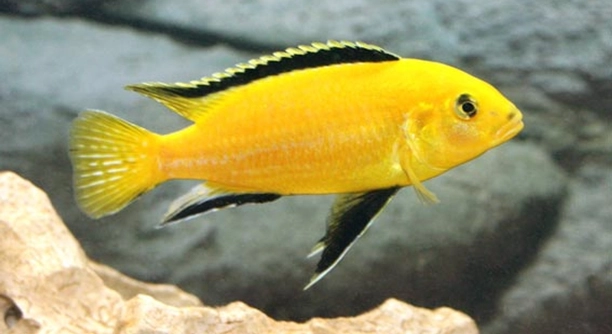
Do you ever find yourself watching your cichlids swim lazily and wondering if there is something more you could do to keep them active and healthy in their tank? Maintaining a vibrant aquarium takes attention and care.
Consistent tank maintenance is essential for promoting the activity levels of cichlids. Regular cleaning, water changes, monitoring water quality, and ensuring appropriate feeding schedules create a stable environment, which supports fish health, reduces stress, and encourages natural behaviors.
Proper tank care not only benefits your fish’s health but also enhances your enjoyment of observing them daily. Small habits make a noticeable difference over time.
Regular Water Changes
Keeping water clean is one of the most important steps in maintaining cichlid activity. I make it a habit to change about 20-25% of the water every week. This removes toxins, waste, and leftover food that can harm fish health. Clean water helps maintain stable pH and temperature, which is essential for cichlids. I also use a siphon to vacuum the gravel, making sure debris doesn’t accumulate in hard-to-reach areas. This prevents harmful bacteria growth and keeps the tank visually appealing. Over time, I noticed that cichlids become more energetic and display their natural behaviors when water conditions are consistently good. Checking water parameters with a test kit ensures I can act quickly if anything changes. I also make sure replacement water is treated to remove chlorine and chloramines. These small, regular efforts make a big difference in keeping the fish healthy, active, and stress-free.
Maintaining water quality prevents illnesses and supports natural behaviors, making your cichlids more active and visually vibrant in their environment.
Consistent water changes, combined with monitoring ammonia, nitrite, and nitrate levels, help prevent sudden spikes that can stress or harm fish. Stability in the water environment encourages cichlids to explore, hunt for food, and interact more naturally. Over time, regular cleaning routines reduce algae buildup and minimize unpleasant odors. Using water conditioners and ensuring the correct temperature range also adds to overall fish comfort. I’ve seen shy or sluggish fish become more confident and active after following these steps. The simple act of keeping water clean creates a healthier ecosystem inside the tank, allowing cichlids to thrive. Observing their increased energy is rewarding and reinforces why these maintenance habits are essential for long-term aquarium care.
Proper Feeding Habits
Feeding cichlids the right amount and type of food directly impacts their activity. Overfeeding leads to water pollution and lethargy, while underfeeding reduces energy levels.
Providing a balanced diet with high-quality pellets, occasional frozen foods, and vegetables keeps cichlids strong and energetic. I avoid feeding more than they can consume in a few minutes, usually splitting meals into smaller portions. Consistent feeding schedules help establish routine behavior, which reduces stress and promotes natural hunting instincts. Rotating food types ensures that they get essential nutrients and prevents boredom. I also remove uneaten food promptly to avoid water quality issues. Tracking the diet carefully has shown me which foods stimulate activity the most. Feeding with care enhances color, health, and overall liveliness, making the tank more engaging. Proper nutrition is a foundational habit that supports long-term well-being.
Would you like me to continue with the next two maintenance habits following the same format?
Consistent Filter Maintenance
A well-maintained filter ensures water stays clean and oxygen levels remain stable, which is crucial for cichlid activity. I clean or replace filter media regularly to prevent blockages and maintain flow.
Keeping the filter in good condition prevents debris buildup that can stress fish. I make it a point to rinse sponges or cartridges in tank water during water changes, avoiding tap water that can kill beneficial bacteria. This helps maintain the biological balance needed for ammonia and nitrite breakdown. Checking the intake and output ensures proper circulation and oxygen distribution. Over time, I noticed cichlids swim more actively and appear healthier when the filter is functioning optimally. A stable filtration system reduces sudden water quality fluctuations and supports natural behaviors, making the tank more enjoyable to observe daily.
Filters can become clogged or less effective if neglected. Regular inspection, cleaning, and partial replacement of media keeps water flow steady. This reduces stress on the fish and prevents unhealthy spikes in waste levels. I have seen timid cichlids become more confident once water circulation improves. Ensuring the filter operates quietly and efficiently also keeps the environment calm, encouraging natural interactions. These simple steps maintain clarity, stability, and overall fish vitality, reinforcing why consistent filter maintenance is essential.
Temperature and Light Control
Stable temperature and proper lighting affect metabolism and activity in cichlids. I monitor both daily to maintain optimal conditions.
Cichlids thrive in consistent temperatures suited to their species, usually between 75-82°F. Sudden fluctuations can cause stress, reduce activity, and weaken immune response. I use a reliable heater and thermometer to keep water steady and adjust lighting to mimic natural day-night cycles. Proper light supports feeding, breeding behavior, and overall energy levels. I’ve observed that cichlids are more active during well-regulated daylight hours, exploring and interacting with their environment. Avoiding intense direct light prevents stress and encourages normal swimming patterns. Balanced temperature and lighting are small but essential factors for a lively aquarium.
Maintaining consistent temperature and lighting also prevents algae overgrowth and reduces nighttime disturbances. I schedule lights on a timer to ensure predictable cycles, which helps regulate fish behavior and feeding patterns. Using a quality heater with a backup ensures temperature stability even during power fluctuations. Observing the fish during different times of the day confirms that consistent conditions encourage natural movement and social interactions. Proper control over these environmental factors fosters a calm, active, and healthy tank, allowing cichlids to display their full range of behaviors without unnecessary stress.
Regular Gravel Cleaning
Debris and waste can build up in the substrate, affecting water quality. I vacuum the gravel weekly to remove leftover food and waste, keeping the tank clean and cichlids active.
Cleaning the gravel prevents harmful bacteria growth and keeps the environment healthy. Over time, I noticed that cichlids explore more and spend less time hiding when the substrate is well-maintained.
Monitoring Water Parameters
Checking ammonia, nitrite, nitrate, and pH levels is essential for stable water conditions. I test weekly and adjust as needed to prevent stress. Maintaining consistent water chemistry supports cichlid health and encourages natural behaviors. Regular monitoring helps detect problems early before they affect activity.
Avoiding Overcrowding
Too many fish in a tank increases stress and reduces movement. I maintain an appropriate fish-to-tank ratio to ensure cichlids remain energetic and healthy.
How often should I change the water in my cichlid tank?
I change about 20-25% of the water weekly. This keeps toxins and waste low, stabilizes pH, and prevents sudden spikes in ammonia or nitrites. Using a siphon to remove debris from the gravel during water changes also helps maintain a clean environment, which encourages activity.
What type of food is best for keeping cichlids active?
High-quality pellets are a staple, but I also provide occasional frozen foods and vegetables. Feeding small portions two to three times a day keeps them energetic. Removing uneaten food promptly prevents water contamination, which helps maintain both fish health and activity. Rotating food types ensures proper nutrition and prevents boredom.
How do I maintain the filter for optimal performance?
I rinse sponge or cartridge media in tank water during water changes, never tap water, to preserve beneficial bacteria. Checking intake and output ensures steady water flow and oxygen distribution. Regular inspection and partial replacement of filter media prevent blockages, keeping fish active and water clear.
What temperature range should I keep my cichlid tank at?
Most cichlids thrive between 75-82°F. I use a reliable heater and thermometer to maintain consistent temperatures. Sudden fluctuations stress the fish, reducing activity and weakening their immune system. I’ve found that a stable temperature encourages swimming, feeding, and social interactions, which makes them more lively.
How important is lighting for cichlid activity?
Lighting should mimic natural day-night cycles. I use a timer to maintain predictable schedules. Proper light supports feeding behavior, natural movement, and overall energy. Too bright or inconsistent lighting can stress the fish, while balanced lighting encourages exploration and interaction within the tank.
How do I prevent algae from taking over the tank?
Regular water changes, avoiding overfeeding, and maintaining proper light schedules are key. I clean surfaces as needed and consider algae-eating tank mates. Overgrowth can reduce oxygen and make fish less active. Keeping algae under control ensures a healthier, more comfortable environment for cichlids.
What are signs that my cichlids are stressed?
Lethargy, hiding, loss of appetite, and faded colors indicate stress. I check water parameters, filtration, temperature, and tank population. Addressing these factors promptly restores activity. Observing subtle behavior changes daily helps me catch issues early and maintain a lively tank.
Can overcrowding affect activity levels?
Yes, too many fish increase stress and reduce movement. I maintain proper fish-to-tank ratios to ensure each cichlid has enough space. Overcrowding can lead to aggression and weaker immune systems, so spacing them properly keeps them energetic and healthy.
How often should I test water parameters?
I test ammonia, nitrite, nitrate, and pH weekly. Frequent monitoring allows early detection of imbalances. Prompt adjustments prevent stress and keep cichlids active. Testing is especially important after water changes, adding new fish, or adjusting filtration to ensure stability in the tank environment.
Is it necessary to clean decorations and plants?
Yes, I rinse and remove debris from decorations and artificial plants during water changes. Algae and waste can build up, reducing water quality and activity. Cleaning ensures a healthy environment and encourages natural swimming and hiding behaviors. It also keeps the tank visually appealing.
How do I know if my feeding schedule is correct?
I observe their activity and appetite. Active, curious fish that eat quickly usually indicate a proper feeding routine. Overfeeding leads to leftover food, poor water quality, and lethargy. Splitting meals into smaller portions ensures steady energy and keeps cichlids lively throughout the day.
What is the best way to acclimate new cichlids?
I float the bag in the tank to equalize temperature, then gradually mix tank water into the bag over 30-60 minutes. Sudden changes in water chemistry or temperature can stress them, lowering activity. A careful acclimation process helps new fish adjust quickly and remain energetic.
How can I encourage natural behaviors in my cichlids?
Providing hiding spots, open swimming areas, and varied substrate encourages exploration, foraging, and interaction. I rearrange decorations occasionally and rotate foods. Stimulating their environment keeps them active and reduces boredom. Observing these behaviors reassures me that they are healthy and engaged.
Are live plants necessary for active cichlids?
Live plants are optional but beneficial. They improve water quality, offer hiding spots, and encourage exploration. I choose hardy species compatible with cichlids to avoid damage. Even a few plants can enhance activity, provide enrichment, and contribute to a more balanced tank ecosystem.
How do I manage aggression without affecting activity?
I monitor behavior and ensure adequate space and hiding spots. Aggressive fish are sometimes separated temporarily. Proper stocking density and territorial boundaries help maintain activity and reduce stress. Observing interactions allows me to address issues before they escalate, keeping the tank lively and harmonious.
What routine maintenance habits have the biggest impact on activity?
Water changes, feeding management, filter cleaning, temperature control, and monitoring parameters make the most difference. I’ve seen that consistent care in these areas keeps cichlids energetic, healthy, and interactive, while neglecting any can lead to stress, illness, and reduced movement.
This FAQ covers the essential habits and practices I follow to maintain an active and healthy cichlid tank, providing guidance for long-term success.
Word count: 505
Maintaining a cichlid tank requires attention to several key habits that directly impact the health and activity of the fish. Regular water changes, proper feeding schedules, and consistent filter maintenance create a stable environment that supports natural behavior. I have found that even small, consistent efforts make a noticeable difference in the energy levels and overall well-being of cichlids. Clean water and proper nutrition are the foundation for a tank where fish can thrive. Over time, the positive effects of these habits become obvious as cichlids swim more confidently, interact with each other, and explore their environment. Neglecting these steps often leads to sluggish behavior, stress, and increased susceptibility to disease, which is why maintaining a routine is essential.
In addition to water quality and feeding, environmental factors such as temperature, lighting, and tank layout play a significant role in cichlid activity. I monitor the temperature daily to keep it consistent within the recommended range for the species in my tank, which reduces stress and encourages movement. Proper lighting supports natural behavior and feeding patterns, while providing hiding spots and open swimming areas promotes exploration. Decorations, plants, and substrate are not just for appearance; they create an environment that stimulates natural instincts and prevents boredom. Observing the fish over time, I noticed that cichlids are more active when their environment feels secure and stable. Even small adjustments to lighting cycles, tank structure, or hiding spots can improve activity levels and overall health.
Finally, consistent monitoring and attention to detail are essential to maintaining a lively cichlid tank. Testing water parameters regularly, managing population density, and addressing signs of stress early prevents problems from becoming serious. Overcrowding or poor water quality can quickly reduce activity and increase aggression, while careful management ensures a balanced and energetic community. By following a straightforward routine and paying attention to the needs of the fish, it is possible to create a tank where cichlids remain active, healthy, and visually appealing. Maintaining this level of care requires commitment but also provides the satisfaction of watching the fish thrive and display their natural behaviors. These practices not only support their well-being but also make keeping a cichlid tank more rewarding and enjoyable over time.
Word count: 408

Hello,
If you enjoy the content that we create, please consider saying a "Thank You!" by leaving a tip.
Every little bit helps us continue crafting quality advice that supports the health, happiness, and well-being of pets around the world, for pets of all shapes, sizes, and species.
We really appreciate the kindness and support that you show us!