
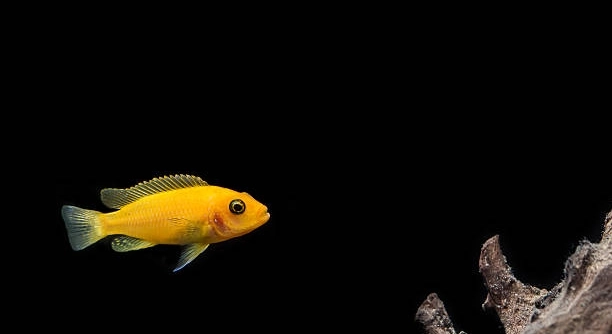
Do you ever find yourself bringing home a new cichlid and wondering how it will settle into its tank? The first week is a crucial period for its adjustment and overall well-being. Observing early behavior helps ensure a healthy start.
During the first seven days, a new cichlid will acclimate to its environment, establish a territory, and display initial stress behaviors. Monitoring water quality, feeding habits, and interactions with tank mates is essential for successful integration.
Understanding these first movements and reactions will help you manage your tank more effectively. Each action and response gives insight into your cichlid’s adaptation process.
Preparing the Tank Before Arrival
Setting up the tank before your new cichlid arrives is essential for its comfort and health. Make sure the water parameters, such as temperature, pH, and hardness, match the species’ natural requirements. Clean the tank thoroughly and add a layer of substrate that allows the fish to explore naturally. Include hiding spots using rocks, caves, or driftwood to reduce stress and provide security. Proper filtration and aeration are necessary to maintain stable water conditions. Cycle the tank fully before introducing the cichlid, as uncycled water can lead to harmful ammonia and nitrite spikes. Test the water daily during the first week to catch any imbalances early. Keep lighting moderate to help the fish feel secure while still allowing observation. Planning decorations and territory boundaries ahead prevents conflicts and stress during acclimation. A well-prepared environment supports the cichlid’s adjustment and encourages natural behaviors.
Proper preparation of the tank sets the stage for a smooth transition, reducing stress and promoting healthy activity.
A stable environment also allows you to monitor the cichlid’s feeding and behavior accurately. By reducing sudden changes and providing a secure setup, you can observe natural swimming patterns and social interactions. Feeding small portions multiple times a day encourages regular eating and helps you detect issues early. Gradual introduction of new tank mates, if applicable, is easier when the cichlid feels safe. Lighting schedules, temperature consistency, and minimal disturbances all contribute to successful adaptation. Documenting water parameters and behavior for the first week helps track progress and catch potential problems early. Overall, thoughtful preparation before arrival reduces stress, encourages natural behavior, and creates a foundation for long-term health.
Acclimating Your Cichlid
Acclimation is a delicate process that reduces stress and prevents shock. Slowly introduce the fish to the tank conditions over several hours.
Gradually adjusting the fish to its new environment helps maintain health and encourages normal behavior.
Start by floating the bag in the tank to equalize temperature. Slowly add small amounts of tank water into the bag over an hour or more. Avoid sudden changes in lighting or water chemistry, as these can trigger stress. Once the fish is comfortable, gently release it into the tank without removing it from the bag abruptly. Observe its swimming patterns and reactions closely. During the first few days, limit feeding to small amounts to prevent water quality issues. Keep interactions minimal to allow the cichlid to explore its surroundings. Maintaining calm, stable conditions supports immune function and reduces vulnerability to disease. This careful approach ensures the cichlid begins life in the tank with confidence and less risk of complications.
Observing Initial Behavior
During the first few days, your cichlid may hide or stay near the bottom. Aggressive or territorial behavior is normal.
Watch how it swims and interacts with the environment. Look for signs of stress such as rapid gill movement or darting. Some cichlids may chase other fish or inspect every hiding spot. Feeding response is another key indicator—refusal to eat can signal discomfort or illness. Keep notes on daily behavior to track changes and adaptation. Stress often decreases as the fish explores and claims its territory.
Consistency in observation allows early detection of potential health or social issues. Gradual changes in activity, appetite, and interaction indicate that the fish is adjusting. Avoid sudden disturbances such as loud noises or abrupt water changes. A calm environment lets the cichlid settle and reduces stress-induced aggression. Ensure that feeding times, amounts, and locations are consistent. Documenting these patterns during the first week provides insight into the cichlid’s comfort level and readiness for interaction with tank mates. Patience during this period is key to establishing a healthy routine and supporting long-term well-being.
Monitoring water quality alongside behavior ensures that your cichlid’s environment remains stable. Even minor fluctuations in temperature, pH, or ammonia levels can trigger stress. Regular observation of tank dynamics helps prevent conflicts and identifies if hiding spots or decorations need adjustment. Gradual acclimation to feeding and lighting routines supports natural behavior. Over time, you will notice more confident swimming and interaction. Maintaining this approach ensures your cichlid’s health, promotes stable social patterns, and encourages a smoother adaptation to its new home.
Feeding and Nutrition
Offer small, frequent meals to avoid overfeeding and maintain water quality. Monitor appetite closely.
Select foods appropriate for your cichlid species, balancing protein, plant matter, and vitamins. Feed in small amounts multiple times daily, allowing the fish to consume the food within a few minutes. Avoid overfeeding, as uneaten food can pollute the water and harm the fish. Observe how the cichlid eats and adjusts portions accordingly. Some species prefer sinking pellets, while others favor flakes or frozen options. Variety helps meet nutritional needs.
During the first week, maintain consistent feeding routines to encourage regular eating patterns. Watch for any refusal or picky eating, which can indicate stress or water issues. Slowly introduce new foods to prevent digestive upset. Feeding also provides insight into energy levels, growth, and overall health. Adjust feeding schedules based on observed appetite, ensuring each portion is fully consumed. Proper nutrition supports immune function, reduces stress, and encourages natural behavior. Keeping detailed records of feeding habits helps detect early problems and ensures the cichlid receives a balanced diet for long-term vitality.
Tank Maintenance During the First Week
Check water parameters daily, including ammonia, nitrite, and pH levels. Maintain stable temperature and cleanliness.
Perform partial water changes carefully to avoid shocking the cichlid. Remove uneaten food and debris to keep the tank safe and healthy.
Social Interaction with Tank Mates
Observe how your cichlid interacts with existing fish. Limit initial contact to prevent aggressive encounters. Watch for chasing or bullying behaviors.
Introduce new fish gradually and provide multiple hiding spots to reduce stress. Social balance during the first week is crucial for long-term harmony.
Signs of Stress
Look for erratic swimming, hiding, or loss of appetite. These behaviors indicate that the fish may be stressed or adjusting poorly.
Adjusting Lighting and Environment
Keep lighting consistent and moderate. Sudden changes can trigger stress. Adjust decorations or hiding spots to help the cichlid feel secure.
FAQ
How long does it take for a new cichlid to settle in?
Most cichlids begin adjusting within the first week, but full comfort can take several weeks. Initial stress behaviors like hiding, rapid gill movement, or reduced appetite are normal. Gradual exposure to tank conditions, consistent feeding, and stable water parameters help the fish feel secure more quickly.
Why is my cichlid hiding constantly?
Hiding is a natural response to stress or unfamiliar surroundings. Providing caves, rocks, or plants allows the fish to feel safe. Over time, as it becomes familiar with the environment, hiding decreases. Avoid constant disturbances or sudden changes in lighting, water, or tank decorations, which prolong stress.
Should I feed my cichlid every day during the first week?
Yes, small, frequent feedings are best. Offer amounts the fish can consume within a few minutes, two to three times daily. Avoid overfeeding to prevent water pollution. Observe appetite closely; refusal to eat may indicate stress, water quality issues, or illness.
Can cichlids coexist with other fish immediately?
Not usually. Many cichlids are territorial and may show aggression at first. Introduce tank mates gradually and provide multiple hiding spots. Monitor interactions closely during the first week to prevent injuries. Some species require a longer acclimation period before full social integration.
What signs indicate water problems?
Rapid gill movement, lethargy, or loss of appetite can signal poor water quality. Test ammonia, nitrite, nitrate, and pH daily. Cloudy or foul-smelling water also indicates issues. Prompt partial water changes and careful monitoring help stabilize conditions and prevent stress or disease.
Is it normal for my cichlid to chase other fish?
Yes, territorial chasing is common in the first week. It helps establish boundaries and reduce long-term conflict. Ensure the tank has enough space and hiding spots to diffuse tension. Aggression should gradually decrease as territories are established.
How can I encourage my cichlid to eat?
Feed small portions multiple times daily. Offer species-specific food and occasionally supplement with frozen or live options. Gently place food near the fish to attract attention. Consistency and patience help the cichlid gain confidence and eat regularly.
What should I do if my cichlid refuses to eat?
Check water parameters and ensure the tank is calm. Offer different food types or slightly warmed options. Sometimes fasting for a day helps stimulate appetite. Persistent refusal may require veterinary advice to rule out illness or stress-related issues.
How important is lighting during the first week?
Lighting should be moderate and consistent. Too bright or sudden changes can stress the fish, while proper lighting helps establish natural routines. Dimmed or indirect light encourages exploration and reduces hiding, promoting faster acclimation.
Do I need to rearrange decorations after introducing my cichlid?
Not immediately. Avoid sudden changes during the first week. Rearrange only if aggression or stress is observed. Gradual adjustments help the fish feel secure and allow it to establish territory naturally.
Can I touch or handle my cichlid during the first week?
Avoid handling unless necessary. Physical contact increases stress and can damage protective slime coats. Use nets only when required for medical treatment or relocation, and do so gently. Minimal interference supports smooth adaptation.
How do I know if my cichlid is healthy after the first week?
Signs of good health include active swimming, regular feeding, clear eyes, vibrant colors, and normal respiration. Reduced hiding and calm interaction with tank mates indicate successful acclimation. Continuous monitoring ensures any emerging issues are addressed early.
What water temperature is ideal during the first week?
Maintain temperature according to the cichlid species’ natural requirements. Sudden shifts can stress the fish. Use a reliable heater and thermometer, and monitor daily. Stable warmth supports digestion, activity, and immune function.
How can I reduce stress during feeding?
Feed at consistent times in small portions. Avoid sudden movements or tapping on the glass. Quiet, calm surroundings help the fish focus on eating and adapt faster. Observing from a distance allows you to monitor behavior without adding pressure.
Is it normal for my cichlid to explore slowly at first?
Yes, cautious exploration is expected. The fish is learning the layout, assessing potential threats, and finding hiding spots. As confidence grows, swimming becomes more active and territorial behavior stabilizes. Providing a secure environment encourages exploration.
Can water changes disturb my cichlid during the first week?
Partial water changes are necessary but should be done carefully. Replace small amounts gradually to avoid shocking the fish. Consistent water quality maintenance reduces stress and supports overall health.
How do I know if aggression is serious?
Frequent chasing, fin nipping, or hiding that lasts more than a few days may indicate serious conflict. Evaluate tank size, decorations, and territorial boundaries. Adjust as needed to protect the fish and maintain harmony.
Should I keep the tank covered during the first week?
A cover prevents jumping and reduces external disturbances. Ensure proper ventilation to maintain oxygen levels. A secure lid also minimizes sudden environmental changes that can stress the fish.
Can sudden noises affect my cichlid?
Yes, loud or sudden noises can trigger stress responses such as hiding or erratic swimming. Keeping the area quiet and avoiding frequent disturbances helps the cichlid adjust calmly to its new environment.
How long should I observe the fish each day?
Daily observation of 15–30 minutes is sufficient during the first week. Focus on swimming patterns, feeding behavior, and interactions with tank mates. Documenting changes helps identify early signs of stress or illness.
Is it necessary to quarantine new cichlids before adding them to a community tank?
Quarantining is highly recommended to prevent disease transmission. Even healthy-looking fish can carry parasites or bacteria. A separate tank for 2–3 weeks ensures safety and allows careful monitoring before introducing them to established tanks.
What adjustments can help a shy cichlid gain confidence?
Provide multiple hiding spots and avoid overcrowding. Gradually introduce tank mates and maintain consistent lighting and feeding routines. Over time, the fish will explore more actively and establish its territory without excessive stress.
How often should I test water during the first week?
Daily testing is ideal to catch fluctuations early. Check ammonia, nitrite, nitrate, and pH. Stable conditions support feeding, activity, and overall health. Frequent monitoring ensures timely interventions if water quality issues arise.
Can sudden temperature changes be fatal?
Rapid temperature shifts can shock the fish, weaken immunity, and increase susceptibility to disease. Maintaining a stable environment and gradual acclimation helps prevent serious health problems. Use reliable heaters and thermometers for consistent conditions.
How do I know if my cichlid is stressed or sick?
Stress and illness share similar signs: hiding, loss of appetite, rapid gill movement, dull color, and lethargy. Monitoring behavior alongside water quality helps distinguish stress from disease. Prompt attention prevents long-term health issues and supports recovery.
Should I feed live food during the first week?
Live food can stimulate feeding but should be offered cautiously. Introduce small amounts to avoid water contamination. Observe for acceptance and digestive tolerance. Variety helps ensure balanced nutrition without compromising water quality.
Is it normal for a cichlid to interact with its reflection?
Yes, initial territorial behavior may cause the fish to confront its reflection. This usually decreases as it becomes familiar with its surroundings. Covering reflective surfaces temporarily can reduce stress if necessary.
How long does hiding last for most cichlids?
Hiding often continues for 2–5 days but varies by species and individual temperament. As confidence grows, the fish will explore more and display natural behaviors. Consistent care and minimal disturbances accelerate this process.
What role do water parameters play in early adaptation?
Stable water parameters reduce stress, support immune function, and encourage normal feeding and behavior. Fluctuations in pH, temperature, or ammonia can lead to prolonged hiding, aggression, or illness. Careful monitoring is essential for healthy adjustment.
Can overcrowding affect first-week behavior?
Yes, limited space increases aggression and stress. Providing adequate room and hiding spots ensures territories are established without constant conflict. Adjust stocking density if necessary to maintain a stable social environment.
How do I know when my cichlid is fully settled?
Indicators include regular feeding, active swimming, established territories, calmer interaction with tank mates, and reduced hiding. Observing these behaviors over several days confirms successful adaptation to the new environment.
Is it normal for colors to appear dull initially?
Yes, stress can cause temporary dullness. Colors typically brighten as the fish becomes comfortable, feeds regularly, and adapts to its surroundings. Proper nutrition and water quality support healthy coloration.
Should I limit external disturbances around the tank?
Yes, minimal movement, noise, and vibration help reduce stress. A calm environment encourages exploration, feeding, and natural behaviors during the critical first week.
How often should I remove uneaten food?
Check after each feeding and remove uneaten portions promptly. Decaying food harms water quality and can stress the fish, leading to health problems if left in the tank.
Can stress affect long-term health?
Yes, prolonged stress reduces immunity, slows growth, and increases disease risk. Managing environment, feeding, and interactions ensures long-term vitality and well-being.
What is the best way to document first-week behavior?
Take daily notes on swimming, feeding, hiding, and interactions. Track changes over time. Photos or short videos help compare progress and detect early signs of stress or illness.
How do I handle minor aggression safely?
Provide additional hiding spots, rearrange decorations gradually, or separate overly aggressive individuals temporarily. Observing behavior closely ensures injuries are avoided while territories are established naturally.
Is it normal for a cichlid to explore more at night?
Some species are more active in low light. Observe without disturbing the tank. Nighttime exploration is part of natural behavior and helps the fish become familiar with the environment.
Can supplements improve adaptation?
Occasionally adding vitamins or quality food supports immune health and reduces stress. Introduce gradually and avoid over-supplementing, which can affect water quality.
How do I maintain consistent feeding schedules?
Feed at the same times daily, in measured portions. Consistency helps the fish feel secure, encourages regular appetite, and supports stable behavior during the first week.
Are temperature and pH more important than decorations initially?
Yes, stable water chemistry directly affects health. Decorations provide security and territory but cannot compensate for poor water conditions. Balance both for optimal adaptation.
Can a cichlid recover quickly from initial stress?
With proper care, many cichlids adapt within a few days to a week. Stable water, consistent feeding, and minimal disturbances accelerate recovery and support normal activity.
Is it normal for cichlids to rearrange substrate or decorations?
Yes, digging and moving objects are natural behaviors. Providing soft substrate and secure decorations reduces damage and allows territorial marking without harm.
How do I prevent disease during the first week?
Maintain clean water, stable temperature, proper feeding, and minimal stress. Quarantine new fish and observe for unusual behavior. Early detection and care prevent most common illnesses.
What should I do if aggression escalates?
Temporarily separate aggressive fish, increase hiding spots, or rearrange territory boundaries. Monitor behavior carefully to prevent injury and allow the cichlid to establish secure space gradually.
Can temperature fluctuations affect appetite?
Yes, sudden drops or rises can reduce feeding. Maintaining a consistent, species-appropriate temperature supports digestion, energy levels, and overall health.
Should I use a water conditioner during the first week?
Yes, treating tap water removes harmful chemicals and stabilizes pH. Consistent water quality helps reduce stress and supports successful adaptation.
How do I ensure the cichlid explores its environment?
Provide hiding spots, varied substrate, and moderate lighting. Limit disturbances and maintain calm surroundings. Gradual exposure encourages confident swimming and territory establishment.
What is the most important factor in the first seven days?
Stable water parameters, calm environment, appropriate feeding, and observation. These elements ensure the cichlid adjusts smoothly and lays the foundation for long-term health and behavior.
Final Thoughts
Bringing a new cichlid into your tank is an important responsibility that requires careful attention during the first week. This period sets the foundation for the fish’s long-term health and behavior. Observing the fish closely allows you to notice early signs of stress, illness, or adjustment difficulties. Paying attention to swimming patterns, hiding behaviors, and feeding response is essential. Cichlids may initially hide, explore cautiously, or show territorial behavior. These actions are natural and part of their adaptation process. Providing a calm, stable environment supports their ability to settle and reduces stress. Small, consistent actions such as maintaining water parameters, feeding on schedule, and limiting disturbances help the fish feel secure and adjust more quickly.
Water quality is one of the most critical factors during the first week. Even minor fluctuations in temperature, pH, or ammonia levels can create stress and affect overall health. Regular testing and careful partial water changes are necessary to maintain stable conditions. Uneaten food and debris should be removed promptly to prevent water contamination. Filtration and aeration must be appropriate for the tank size and cichlid species. Beyond water quality, the physical environment plays a key role in adaptation. Adequate hiding spots, appropriate substrate, and carefully arranged decorations allow the fish to explore, establish territory, and interact with tank mates safely. Gradual adjustments to lighting and decorations can support confidence and encourage natural behaviors without creating unnecessary stress.
Feeding practices during the first week are equally important. Offering small, frequent meals allows the cichlid to eat comfortably and prevents water pollution. Providing a balanced diet that matches the species’ natural preferences supports health, energy, and coloration. Observing how the fish responds to food helps determine its level of comfort and indicates whether water or environmental conditions need adjustment. Social interactions should also be monitored carefully. Aggression or chasing is often temporary as territories are established, but it must be managed with sufficient space and hiding spots to prevent injury. Patience and consistency are essential during these first days. By focusing on stable water conditions, proper feeding, minimal disturbances, and careful observation, you can ensure your new cichlid adapts successfully, develops healthy habits, and becomes an active, thriving member of your aquarium.

Hello,
If you enjoy the content that we create, please consider saying a "Thank You!" by leaving a tip.
Every little bit helps us continue crafting quality advice that supports the health, happiness, and well-being of pets around the world, for pets of all shapes, sizes, and species.
We really appreciate the kindness and support that you show us!